
A DVA Doctor for Veterans Anywhere in Australia
Most of the work that decides a DVA claim is done on paper. That means it can be done for a veteran in Perth, Hobart or Alice Springs exactly as it is done for one in Ipswich.
At a glance
- Chart Review$600 + GST
- Diagnostic Assessments$600 + GST
- Permanent Impairment Assessment$1,500 + GST
- Commission on your payout0%
Working with veterans in every state and territory
The stages that carry a claim — the chart review, the diagnostic assessments, the diagnosis forms, the evidence packs, determination analyses and appeal documents — all rest on your medical record. None of them require you to be in the room. We receive the records securely, read them, and produce the documents.
The stages that carry a claim — the chart review, the diagnostic assessments, the diagnosis forms, the evidence packs, determination analyses and appeal documents — all rest on your medical record. None of them require you to be in the room. We receive the records securely, read them, and produce the documents.
Where a clinical assessment is genuinely required, there are two routes. Psychiatric assessments are frequently conducted by telehealth, which is well established and accepted. Physical examinations for permanent impairment need to be in person, because range of motion and function cannot be estimated from a screen — and for interstate veterans we will say honestly whether the assessment is worth travelling for, or whether a local assessor is the better answer.
Rural and remote veterans are the most disadvantaged group in the DVA system, not because their claims are weaker but because the practitioners near them have rarely written one. Distance should not decide the quality of the evidence in your claim.
Units and establishments we see most from this region:
All states and territories · secure records transfer · telehealth consultations · in-person examinations at Ipswich
The same four stages, wherever you are.
Chart Review — $600 + GST
Every page of your service and civilian medical record read end to end, with every claimable condition identified, dated and referenced. Done entirely from your file.
Diagnostic Assessments — $600 + GST
For each documented condition: the diagnosis, the governing Statement of Principles, a referenced timeline, and every factor argued to MET or NOT MET.
Examination & investigation — $600 + GST
A consultation for the injuries never formally worked up, with imaging where it is needed. In person at Ipswich, or telehealth where appropriate.
Permanent Impairment — $1,500 + GST
Every accepted condition examined and rated against the correct GARP table, with a full written report accompanying the DVA forms.
Frequently asked questions
Do I have to travel to Ipswich?
Not for most of it. Chart reviews, diagnostic assessments, diagnosis forms and appeal documents are produced from your medical record and require no attendance. Only a physical examination — principally a permanent impairment assessment — needs you in the room.
Do you have a clinic in Australia?
No. The clinic is in Ipswich, Queensland, at Suites 5/6, 77 East Street. We work with Australia veterans remotely for the records stages and in person when an examination is required, and we will always tell you honestly which applies to your matter.
How do I get my records to you?
We request your service medical records from Defence on your behalf and collect civilian records through a secure upload link. You do not need to chase them yourself.
Can psychiatric assessments be done by telehealth?
Frequently, yes. Telehealth is well established for psychiatric assessment and is accepted for these purposes where it is clinically appropriate.
What does it cost?
Every claims stage is $600 + GST, and a Permanent Impairment Assessment is $1,500 + GST. Fees are fixed, quoted in writing before work starts, and payable only once the stage is delivered. We never take a percentage of your compensation.
Dr Thomas Perkins
The expert in veterans’ medicolegal medicine — Expert DVA Doctor.
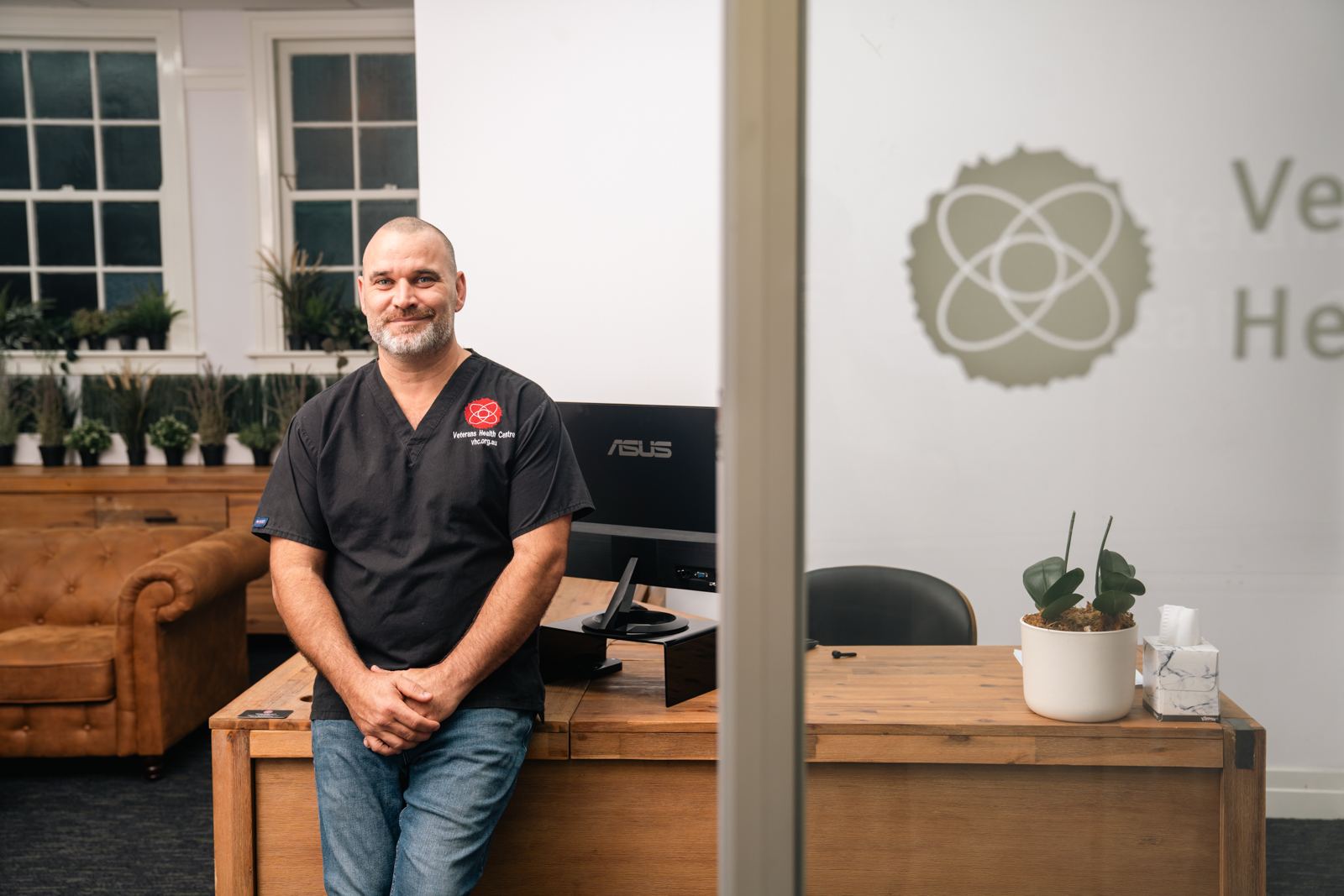

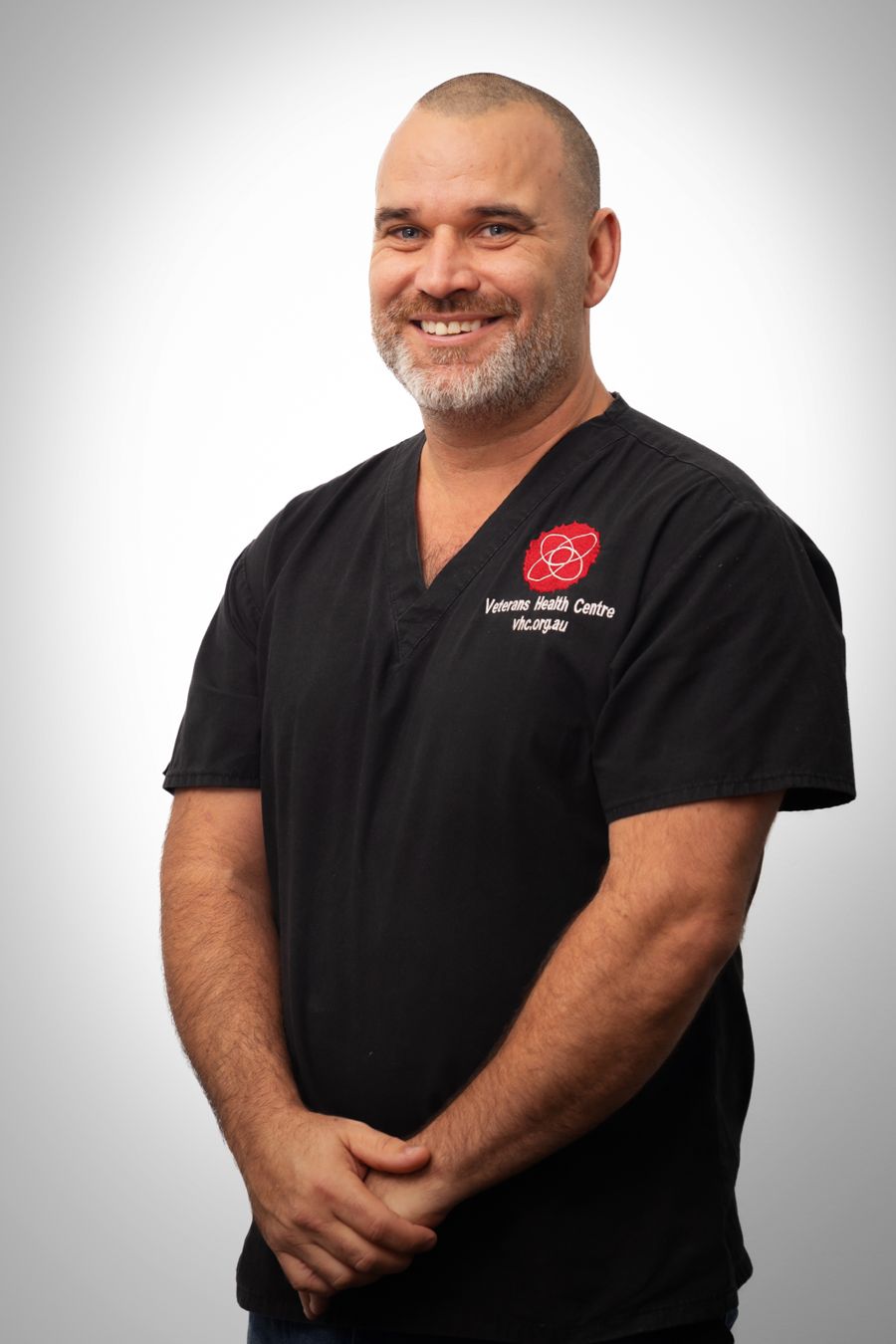
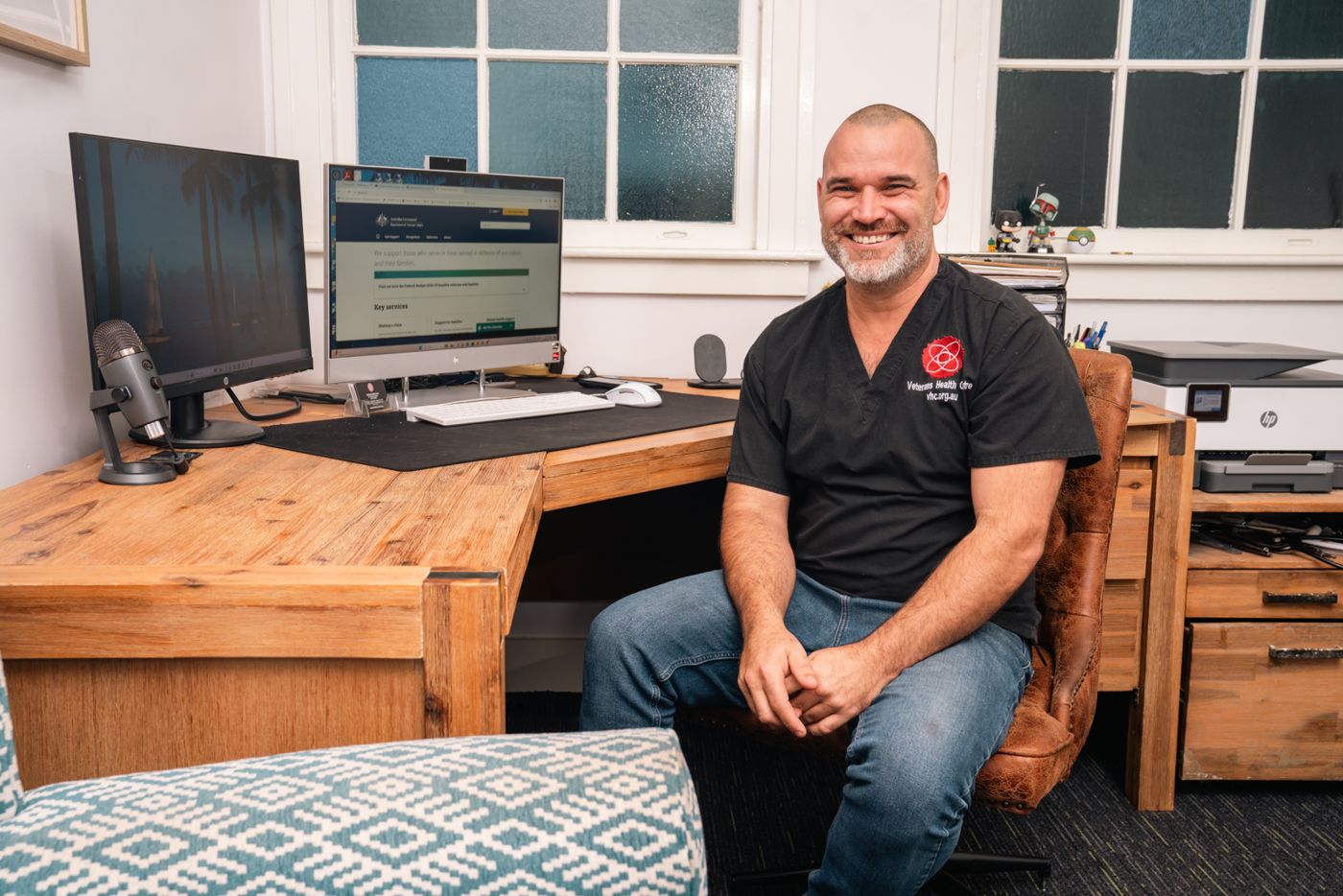
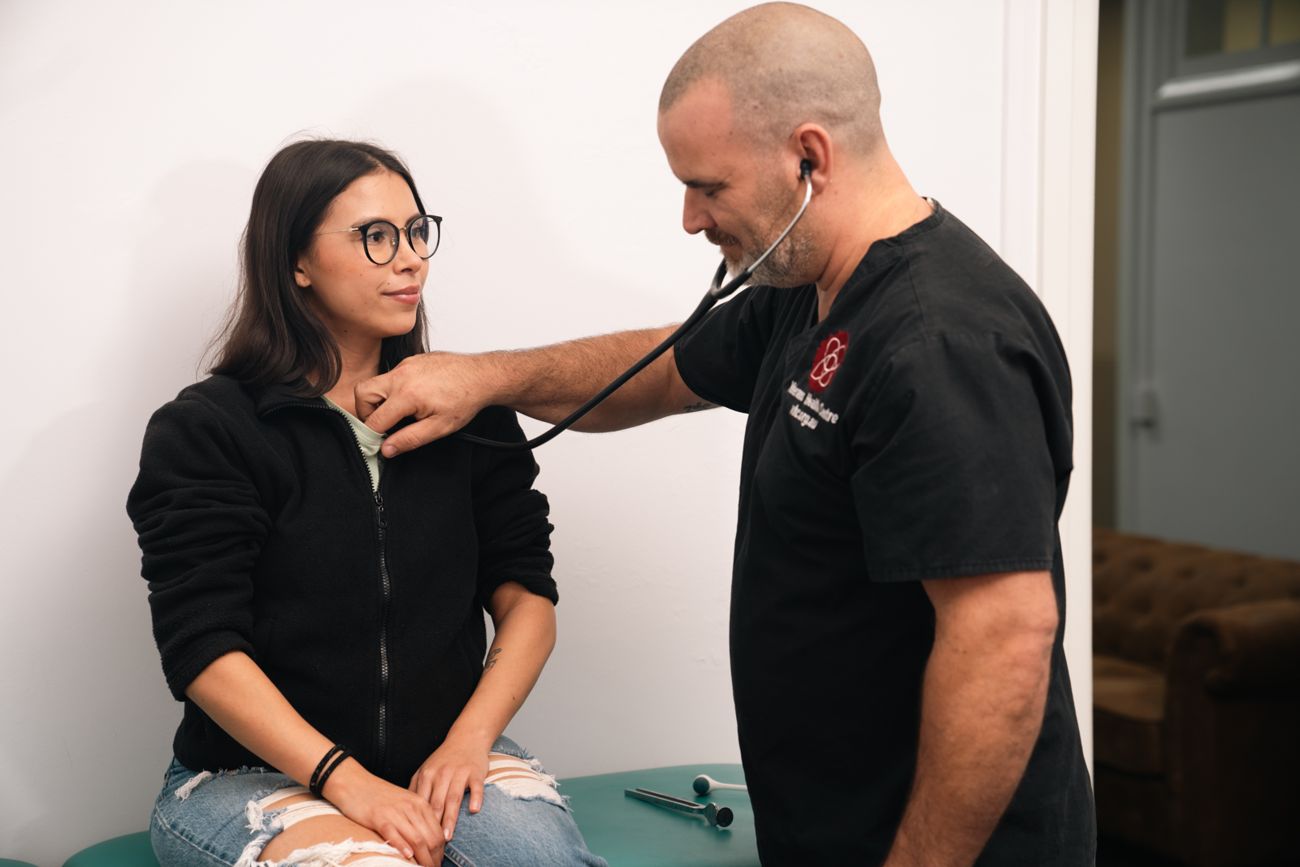
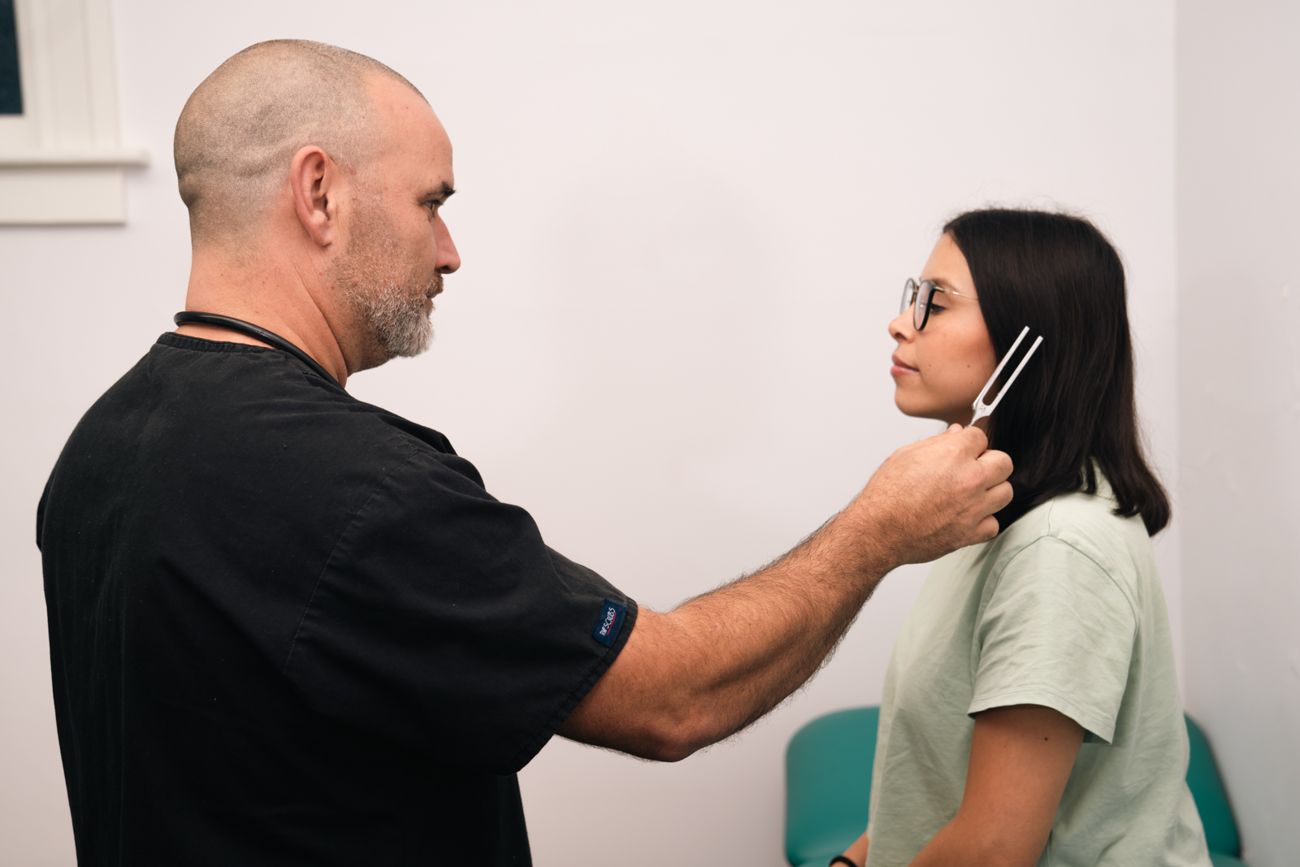
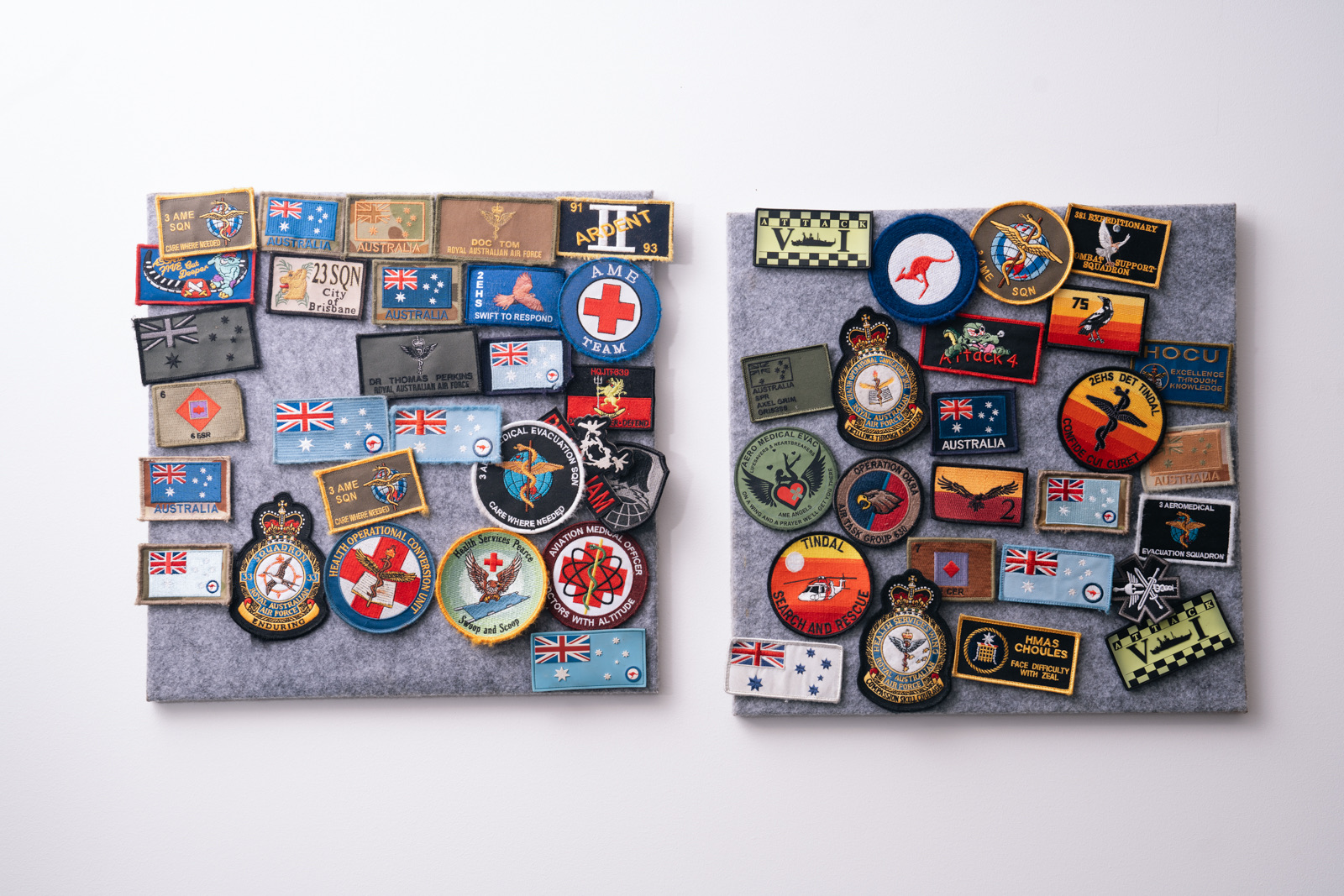
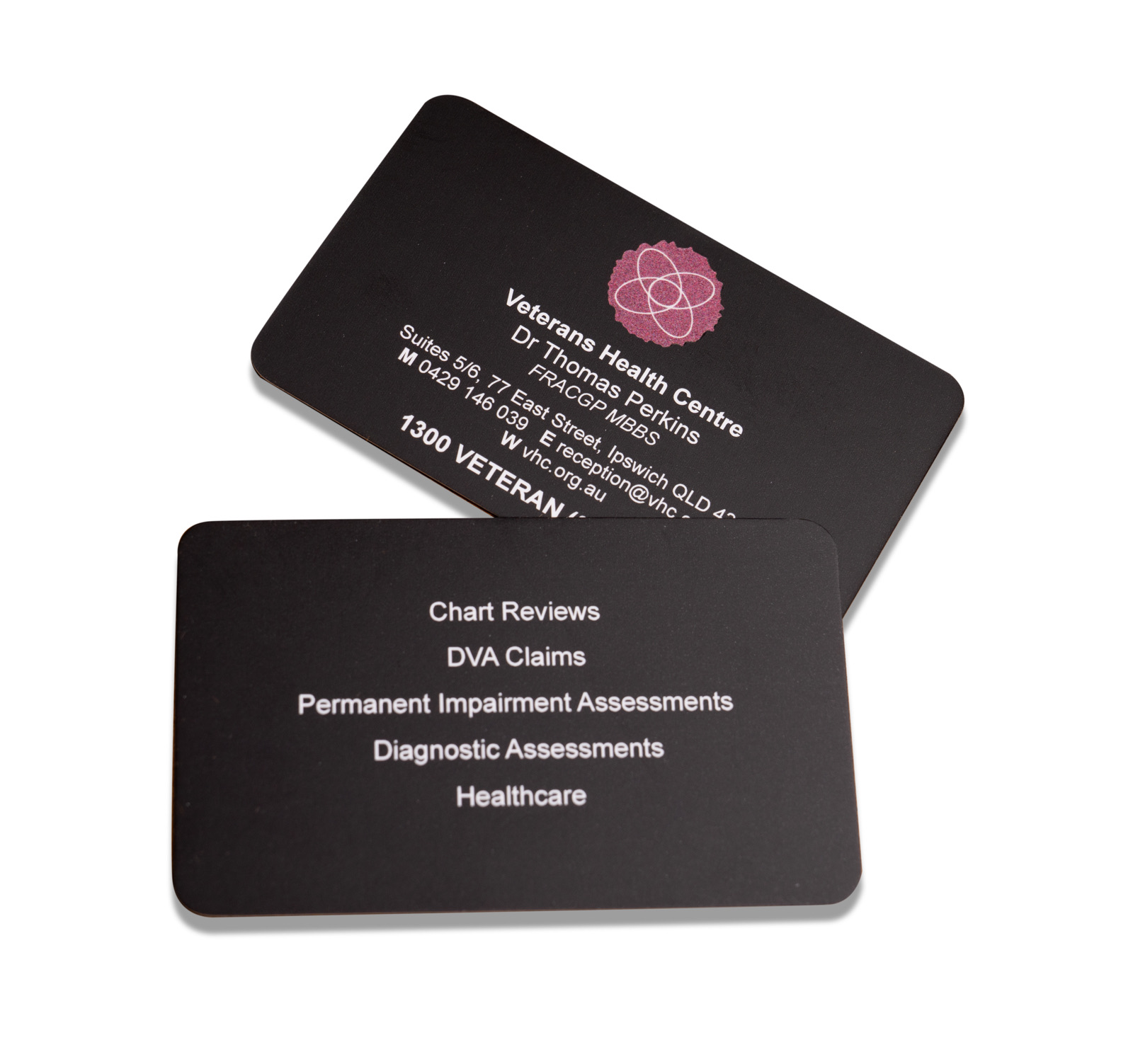
Dr Thomas Perkins is the founding doctor at the Veterans Health Centre in Ipswich, Queensland, and the leading expert in veterans’ medicolegal work in Australia. He has spent over 13 years working exclusively with current and former Australian Defence Force members — treating conditions, writing reports, and navigating the DVA system alongside them.
With 100,000+ DVA claims submitted and over 2,000 Permanent Impairment Assessments completed, Dr Perkins brings a depth of experience that simply cannot be replicated from a textbook. He understands the Statements of Principles, the GARP tables, the imaging that proves what a physical examination alone cannot — and the difference that a properly written report makes at every level, from initial liability through to the VRB.
Every chart review, every diagnostic assessment, and every impairment rating is personally overseen by Dr Perkins. If you’re looking for a doctor who knows veterans medicine inside and out, you’ve found the right clinic.
0429 146 039 reception@vhc.org.au
Book appointmentVeteran in Australia?
Contact us for more information.