
DVA guides & news
Doctor-written guides to DVA claims, impairment assessments, appeals and discharge — written for veterans, not for lawyers.
DVA and Medicinal Cannabis: The Prescribing Criteria
DVA does fund medicinal cannabis - but only for six conditions, and not for mental health. PTSD, anxiety and insomnia are excluded outright. The Framework changed in February 2026 and grandfathering ended 31 August 2026. The six funded conditions, the product and dose limits, Tier 1 vs Tier 2, and what the prescriber has to attest to.
DVA healthcareMounjaro and DVA: Can You Get Tirzepatide on the RPBS?
Tirzepatide is not listed on the PBS or the RPBS, so there is no published BMI threshold and no set script length - whatever you have read. There is a real prior-approval pathway through VAPAC, and one TGA-approved indication that fits veterans unusually well: moderate to severe obstructive sleep apnoea in adults with obesity.
DVA healthcareD0904: The DVA Request/Referral Voucher, Explained
If your physio, podiatrist or psychologist says they need "a D0904", this is what they mean. The DVA Request/Referral Voucher - who fills it in, the four things DVA requires on it, why the period-of-referral field is the one that gets missed, and how 12 sessions or one year, whichever ends first, actually works.
DVA claimsThe Date of Clinical Onset Is Not the Date of the Scan
Delegates routinely take the date of an X-ray, CT or MRI as the date a condition began. The Department's own policy says otherwise. CLIK 3.4.4, Robertson, Cornelius and Lees all fix onset by the presence of the pathology - evidenced by symptoms and signs - not by the day it was first captured on a film. Getting it wrong can defeat a SOP factor that is in fact satisfied.
DVA benefitsDVA Household Services: What's Covered and the D9319 Claim
If an accepted condition stops you mowing, gardening, cleaning or cooking, DVA can pay for someone else to do it - up to $633.47 a week from 1 July 2026. The form is D9319, not the D9416 most websites name. Includes the eight statutory criteria, the case law behind each exclusion, and why the assessment is an OT's job you must not book yourself.
DVA benefitsPAMT: DVA-Funded Treatment Before Your Claim Is Accepted
Provisional Access to Medical Treatment pays for treatment of 20 specified conditions while DVA assesses your claim - and if the claim is refused you do not pay it back. You do not apply separately: lodging the claim triggers it and your GP completes a form in minutes. The full condition list, the dates, and what is excluded.
DVA healthcareThe DVA Treatment Cycle - and Why It Disappears on 1 July 2027
Twelve sessions or a year, then back to the GP. That has been the rule since 2019 - and from 1 July 2027 the treatment cycle is removed entirely, replaced by a $5,000 annual review threshold. The seven referral requirements, the mandatory end-of-cycle report, the At Risk Framework almost nobody uses, and what is not yet settled.
DVA healthcareThe Coordinated Veterans' Care (CVC) Program: Who Qualifies
CVC is DVA's chronic disease program - a GP, a care coordinator, a written care plan, monthly contact and a 90-day review, bulk-billed and free to the veteran. The six eligibility criteria that must all be met, what the care plan has to contain, the UP01-UP06 item numbers, and why only a GP can enrol you.
DVA healthcareAids, Equipment, Assistance Dogs, Footwear, Hearing and Glasses
RAP funds everything from a shower rail to a CPAP machine to a psychiatric assistance dog. Medical grade footwear is a separate program, hearing aids mostly come from a Commonwealth program rather than DVA, and there is one rule that costs veterans real money: never buy first and seek reimbursement later.
DVA benefitsVeteran Card Eligibility: White, Gold, Orange and the Points Thresholds
The cards were renamed on 1 July 2026 - Gold is now All Conditions, White is Specific Conditions, Orange is Pharmaceuticals Only. Who qualifies for each, the 60-point and 30-point impairment thresholds that open the Gold Card, the difference between TPI and SRDP, and what the VETS Act changed.
DVA healthcareThe Veterans' Health Check: What It Covers and Why It Matters
A funded, structured health assessment for anyone who has left the ADF - service history, physical health, validated mental health screening, medications and a plan. It is once in a lifetime, which is why it should not be squeezed into fifteen minutes. MBS items 701 to 707, the three screening tools, and why the scores become evidence.
AdvocacyHow to Choose the Best DVA Advocate
There is no official ranking of DVA advocates, and anyone publishing a “best advocate” list is usually on it. What exists instead: a public register, four accreditation levels you can verify, the red flags the Repatriation Commission has named in writing, and ten questions to ask before you hand anyone your file.
DVA healthcareNon-Liability Health Care for Mental Health: Free Treatment, No Claim Needed
Every current and former full-time ADF member can have DVA fund treatment of any mental health condition — for as long as it is needed, without proving service caused it and without lodging a claim. Who is eligible, exactly what is covered, how to apply through MyService in ten minutes, and the three-month backdated reimbursement most veterans never claim.
DVA claimsDVA Compensation for Mental Health: PTSD, Depression and Anxiety
What compensation is actually available for a service-related mental health condition, the 2025 rule change letting treating GPs and clinical psychologists diagnose anxiety and depression, and why claiming PTSD alone is the most expensive mistake in veteran claiming — PTSD has 13 SoP factors, depression has 51.
Appeals“Nothing in Your Medical Records” — What to Do When DVA Rejects Your Claim
The most common refusal in veteran claiming, and one of the most beatable. Absence of a record is not evidence the event never happened — and that is not wishful thinking. It is what VEA s119(1) and MRCA s334 require, what DVA's own Commission Guidelines say in writing, and what the Federal Court held in Cornelius and Lees.
DVA policySenate Votes Against the $5,000 Allied Health Cap: What It Means
In one September sitting week the Senate carried an urgency motion against the $5,000 allied health cap, then passed amendments that would reverse it. Neither vote scraps the cap on its own — the Bill returns to the House, where the Government has the numbers. What each vote actually does, both sides' positions, and what changes for veterans now (nothing, yet).
DVA claimsIs There a Time Limit on DVA Claims? The 25-Year Myth, Explained
There is no time limit on lodging a DVA claim. The 25 years veterans keep hearing about is a clinical window inside certain SoP factors — it runs from a risk factor to the clinical onset of the disease, not to your claim date. What the osteoarthritis SoP actually says, the dozen conditions that carry a window, and the one that runs the other way.
DVA claimsAggravation, Worsening and Material Contribution: The Second Door Into a DVA Claim
Every SoP lists its factors twice: once for clinical onset, once for clinical worsening. The second set exists for conditions that predate service or arose during it without being caused by it. What aggravation and material contribution mean, the two tests a worsening claim must pass, and the evidence it needs.
DVA policyDVA Presumptive Liability: The Full List, and the Criteria Everyone Misses
Presumptive liability commenced 1 July 2026 under F2026L00740. It is not blanket acceptance: every condition carries a named diagnosis, an onset window, and a service type and length requirement. The four gates, the exact criteria for the common conditions, and the 45 sequelae that accepted conditions unlock.
DVA policyThe Royal Commission into Defence and Veteran Suicide: What It Was, What It Found, and What It Recommended
Three years, 122 recommendations and a warning that there would not be another inquiry like it in our lifetime. What the Royal Commission found, what it recommended across all seven volumes, the Commissioners’ own summary, and what has actually been delivered two years on.
CSCInitiating Your Own Medical Discharge from the ADF
Most members think a medical discharge is something done to them. It can also be something you initiate. The CMECR and MECRB process, the forms that decide it, the separation health examination, and why DVA and CSC are asking completely different questions.
ConditionsReferred to Hearing Australia for Your Tinnitus? Here's What That Means for Your Claim
Lodge a permanent impairment claim for accepted tinnitus and DVA may refer you to Hearing Australia for assessment and treatment — often including CBT with a psychologist. What the pathway is, why it exists, and how it interacts with your impairment rating.
DVA policyThe $5,000 Allied Health Cap: What It Is and Why Veterans Are Furious
From 1 July 2027 DVA will cap funded allied health at $5,000 a year per Veteran Card holder. What the policy actually says, what the numbers mean in practice, and why the veteran community has reacted the way it has.
DVA claimsHow to Make a DVA Claim: Step-by-Step Guide for Veterans
Everything the DVA claim process involves in 2026 — getting each condition diagnosed, what the Statements of Principles actually test, lodging through MyService, realistic timeframes, and what to do if you are refused.
DVA claimsStatements of Principles: The Rulebook Your DVA Claim Is Judged Against
Every DVA claim is decided against a Statement of Principles. What an SoP is, how factors are proved, and why the wording of your medical evidence decides the outcome.
Permanent impairmentPermanent Impairment Assessments: How DVA Turns Your Injury Into a Payment
Once liability is accepted, compensation is decided by the impairment rating. How GARP works, what permanence and stability mean, and why the assessment is worth getting right.
AppealsYour DVA Claim Was Rejected. What Now?
A rejection is a document with reasons in it, and reasons can be answered. How review works, what actually overturns a decision, and the mistake that sinks most appeals.
CSCRetrospective Medical Discharge: What It Is and Who Should Apply
Left the ADF without a medical discharge while your health was already affecting your capacity to work? CSC can look back at the day you separated and reclassify it.
ConditionsHearing Loss and Tinnitus: The Most Under-Claimed Injuries in the ADF
Almost every veteran has noise exposure in their record, and almost none claim for it. What DVA needs to accept hearing loss and tinnitus, and why they are claimed together.
ConditionsMental Health Claims: PTSD, Depression and What DVA Actually Needs
Mental health claims are among the most commonly lodged and most commonly under-evidenced. What a proper diagnosis looks like, how stressors are documented, and what you can access now.
The GARP, in plain English
Every chapter of the DVA impairment guide
The GARP is the rule book DVA uses to turn your accepted conditions into impairment points, and points into payment. We have written the whole thing up in ordinary words, one chapter at a time.
Start here
- What is the GARP? A Plain English Guide for Veterans
- GARP Chapter Map: Which Chapter Covers Your Condition
Chapter by chapter
- GARP Chapter 1: Heart and Lung Conditions, Explained Simply
- GARP Chapter 2: Blood Pressure and Blood Vessels, Explained Simply
- GARP Chapter 3: Backs, Knees and Shoulders, Explained Simply
- GARP Chapter 4: Mental Health, Explained Simply
- GARP Chapter 5: Brain and Nerve Conditions, Explained Simply
- GARP Chapter 6: Stomach and Bowel, Explained Simply
- GARP Chapter 7: Hearing Loss and Tinnitus, Explained Simply
- GARP Chapter 8: Eyes and Vision, Explained Simply
- GARP Chapter 9: Kidneys and Bladder, Explained Simply
- GARP Chapter 10: Sexual Function and Fertility, Explained Simply
- GARP Chapter 11: Skin Conditions, Explained Simply
- GARP Chapter 12: Diabetes, Thyroid and Blood, Explained Simply
- GARP Chapter 13: Conditions Rated at Nil, Explained Simply
- GARP Chapter 14: Cancer, Explained Simply
- GARP Chapter 15: Conditions That Come and Go, Explained Simply
- GARP Chapter 16: Daily Living, Explained Simply
- GARP Chapter 17: Disfigurement, Explained Simply
- GARP Chapter 18: Why 20 Plus 20 Is Not 40
- GARP Chapter 19: When Something Not Accepted Is Part of the Problem
- GARP Chapter 20: Splitting One Score Between Two Conditions
- GARP Chapter 21: Paired Organs, Explained Simply
- GARP Chapter 22: Your Lifestyle Rating, Explained Simply
- GARP Chapter 23: Turning Points Into Dollars, Explained Simply
- GARP Chapter 24: Weekly Payments and Lump Sums, Explained Simply
- GARP Chapter 25: If You Already Had a VEA or DRCA Condition
- GARP Chapter 26: Working Out Your Baseline, Explained Simply
Before your assessment
Dr Thomas Perkins
The expert in veterans’ medicolegal medicine — Expert DVA Doctor.




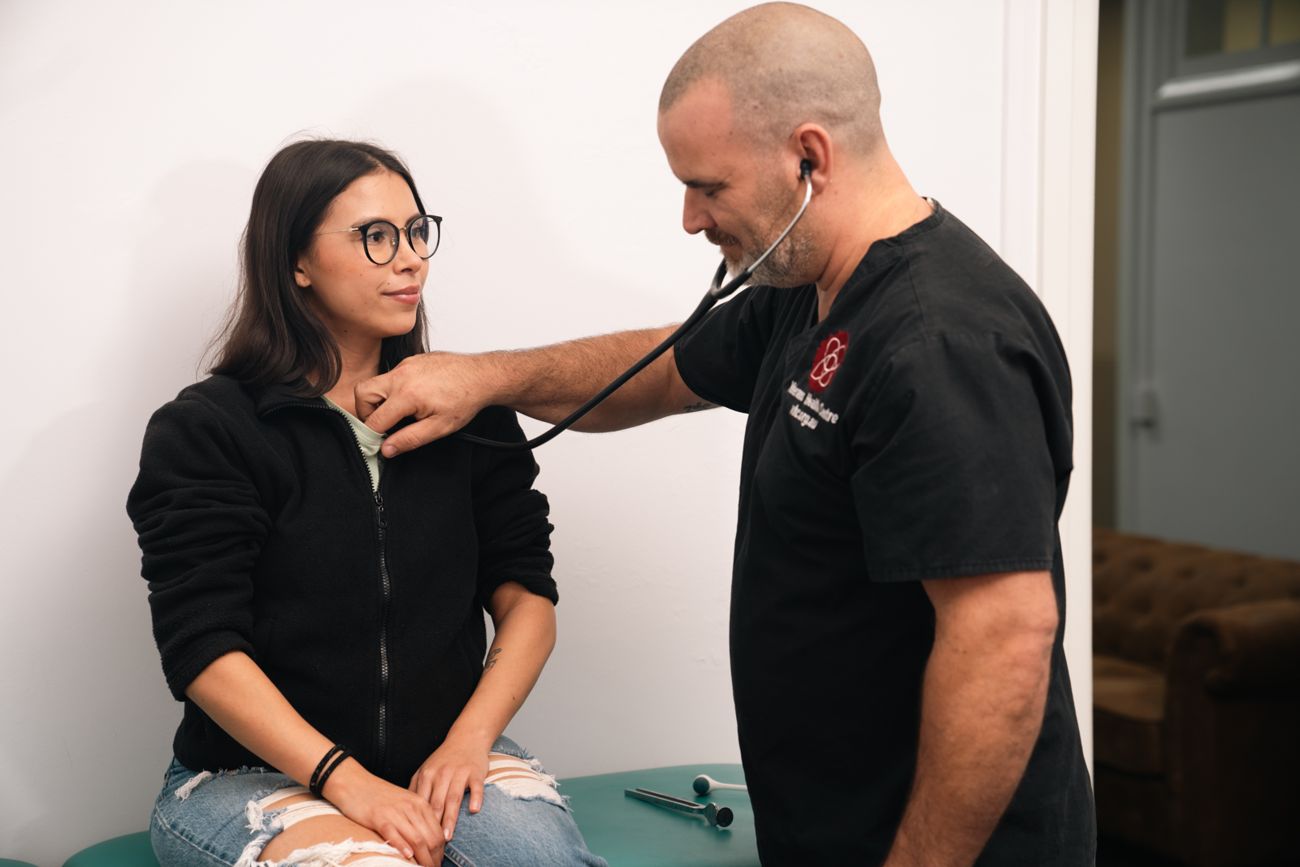
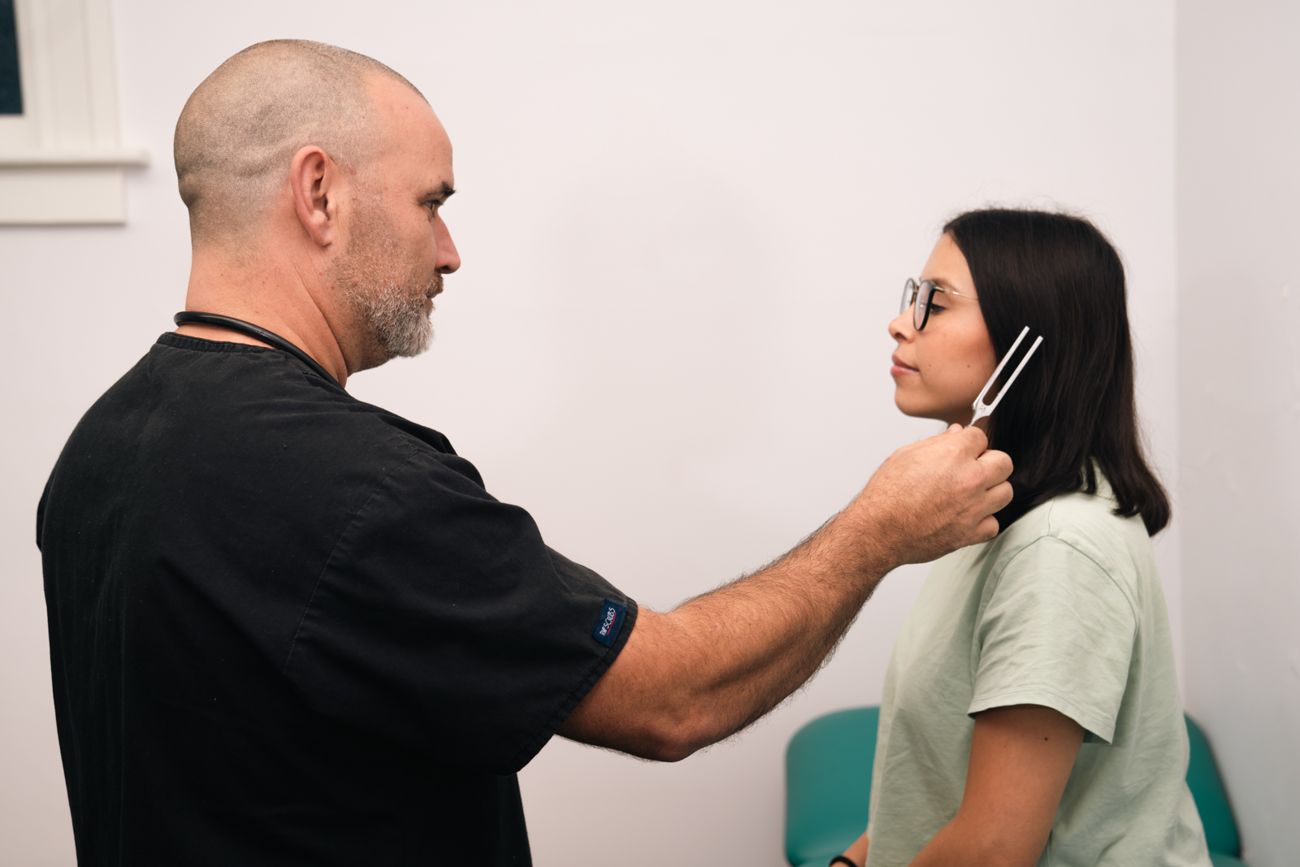

Dr Thomas Perkins is the founding doctor at the Veterans Health Centre in Ipswich, Queensland, and the leading expert in veterans’ medicolegal work in Australia. He has spent over 13 years working exclusively with current and former Australian Defence Force members — treating conditions, writing reports, and navigating the DVA system alongside them.
With 100,000+ DVA claims submitted and over 2,000 Permanent Impairment Assessments completed, Dr Perkins brings a depth of experience that simply cannot be replicated from a textbook. He understands the Statements of Principles, the GARP tables, the imaging that proves what a physical examination alone cannot — and the difference that a properly written report makes at every level, from initial liability through to the VRB.
Every chart review, every diagnostic assessment, and every impairment rating is personally overseen by Dr Perkins. If you’re looking for a doctor who knows veterans medicine inside and out, you’ve found the right clinic.
Contact us0429 146 039 reception@vhc.org.au
Book appointmentReady to find out what you can claim?
Contact us for more information.