
Permanent Impairment Assessments for ADF Veterans
Once DVA accepts liability, compensation depends on the Permanent Impairment Assessment. Over 2,000 completed. GARP M and GARP V ratings for physical and psychiatric conditions, lifestyle effects and apportionment — prepared to withstand DVA’s medical adviser review.
At a glance
- Permanent Impairment Assessment$1,500 + GST
- Paper-based estimate$600 + GST
What is a Permanent Impairment Assessment?
Once DVA accepts liability for a condition, the compensation payable depends on how impaired you are. A Permanent Impairment Assessment rates each accepted condition — physical and psychiatric — under the Guide to the Assessment of Rates of Veterans' Pensions (GARP M under MRCA, GARP V under VEA), and addresses apportionment, permanence and stability, and lifestyle effect. VHC assessments are done face-to-face at the Ipswich clinic by the doctor who has read your file, and include completion of the DVA impairment forms and responses to medical adviser queries. $1,500 + GST.
A standalone report, not just the DVA forms.
Most providers return the DVA request with the impairment forms ticked and little else. We write a full report to accompany the DVA request — the history of each accepted condition, the timeline of how it progressed, the examination findings, and the working behind every impairment point and lifestyle rating.
The purpose is defensive. When a DVA medical adviser reviews the assessment, the reasoning for each rating is already on the page, referenced to the record and the correct GARP table. There is nothing left to infer, query or send back — the findings defend themselves.
It is a level of detail well beyond what a standard impairment form provides, and it is the reason our ratings tend to survive review intact.
Not ready for the full assessment? Start with an estimate.
The Impairment Estimate Appointment is a paper-based version of this assessment — no examination, done from questionnaires and your records anywhere in Australia. You receive a written report itemising the approximate impairment points by body region, in the structure of a DVA PI determination, with your reported symptoms set against the GARP criteria for every rating. $600 + GST for the Physical estimate, $600 + GST for the Mental Health estimate. It does not replace the formal assessment DVA acts on — it tells you, before you commit, roughly what that assessment should produce.
A mental health PIA, rated table by table.
Psychiatric impairment is rated under GARP Chapter 4, and the total is not a simple sum — tables 4.1 and 4.2 are added, but only the three highest of 4.3 to 4.8 count. This example shows every table worked, with the reasoning for each rating on the page.
Most GPs have never done one.
We hear the same story constantly: a veteran is sent to their local GP for a permanent impairment assessment, and the doctor has never conducted one, has no familiarity with the guides that govern it, and no exposure to the clinical culture the assessment belongs to. The result is a report that under-rates the impairment, omits conditions, or is sent back by DVA — and the veteran wears the outcome.
The process carries real nuance. Taking a history that actually captures functional loss. Recognising how military injuries present, and how they differ from civilian ones. Examining to the standard the tables assume. And applying the concepts the rating turns on — what adequate treatment means, whether a condition is permanent, whether it is stable, and the correct date of onset. Each of those is a decision point, and each one moves the number.
Two documents govern the work: the DVA Guide to the Assessment of Rates of Veterans’ Pensions (GARP), which sets out how impairment and lifestyle effects are rated for DVA purposes, and the AMA Guides to the Evaluation of Permanent Impairment, Fifth Edition (AMA 5), the American Medical Association’s whole-person impairment standard that underpins much of it.
Dr Perkins has completed the NSW SIRA impairment assessor training and has over 2,000 assessments behind him. He knows how these assessments are meant to be done — and what happens when they are not.
- A history taken to capture actual functional loss, not a questionnaire
- Military injury patterns recognised for what they are
- Examination performed to the standard the GARP tables assume
- Adequate treatment, permanence and stability assessed properly
- Date of onset established from the record, not estimated
- GARP and AMA 5 applied by an assessor trained to use them
How a Permanent Impairment Assessment works
Records & preparation
Send us your DVA determinations or tell us which conditions have been accepted. We review the determinations, imaging and specialist reports for each condition and identify the GARP tables and any further investigations needed.
Examination
A face-to-face examination at the Ipswich clinic (telehealth for psychiatric assessments where appropriate). Range of motion, function, symptoms and lifestyle effects are measured and recorded.
Assessment written & forms completed
The PI report and DVA impairment forms are completed for every accepted condition, with ratings justified against the record.
Lodged & defended
Lodged with DVA and, where required, billed to DVA directly. We respond to any medical adviser query so the rating stands.
Frequently asked questions
Who pays for a Permanent Impairment Assessment?
The assessment is $1,500 + GST, fixed, and covers the examination, the ratings, completion of the DVA forms and any response to a medical adviser query afterwards. There are no further fees.
Can you assess psychiatric conditions as well as physical ones?
Yes. Both physical and psychiatric conditions are rated, using GARP M under MRCA or GARP V under the VEA and DRCA, along with the lifestyle ratings that sit alongside them.
What if DVA’s medical adviser disagrees with the rating?
That is what the written report is for. Every point is justified against the record and the table applied, so a query can be answered from the document itself — and we answer it on your behalf.
Do I have to be examined in person?
Physical conditions are examined face to face at the Ipswich clinic, because range of motion and function cannot be estimated from a form. Psychiatric assessments can be conducted by telehealth where that is appropriate.
What do permanence and stability actually mean?
Permanent means the condition is unlikely to resolve; stable means it is unlikely to change materially with further treatment. Both must be established before an impairment can be rated, and getting either wrong changes the outcome of the assessment.
Related pages
- Guide: how impairment becomes a payment
- Guide: how to make a DVA claim, step by step
- DVA claims — chart reviews and diagnostic assessments
- VRB and determination appeals
- Retrospective medical discharge (CSC)
- SoP Library — every DVA Statement of Principles
- Example reports
- Fees — $600 + GST per stage
- About Dr Thomas Perkins
The GARP, chapter by chapter.
Every permanent impairment decision is made by applying one legislative instrument — the Guide to Determining Impairment and Compensation. It is binding on DVA, the Veterans’ Review Board and the Tribunal. We have written it up in plain English so you can see exactly how your rating is reached.
- What is the GARP? Impairment points, thresholds and why conditions don’t add up
- All 26 chapters mapped — find the one that covers your condition
- Chapter 3 — Backs, knees and shoulders
- Chapter 4 — Mental health
- Chapter 7 — Hearing loss and tinnitus
- Chapter 15 — Conditions that come and go
- Chapter 22 — Your lifestyle rating
- Chapter 23 — Turning points into dollars
- How to prepare for your assessment, and what to bring
- A full worked example — conditions to dollars
- Free tool: PI points calculator
- Free tool: GARP impairment estimator
Dr Thomas Perkins
The expert in veterans’ medicolegal medicine — Expert DVA Doctor.




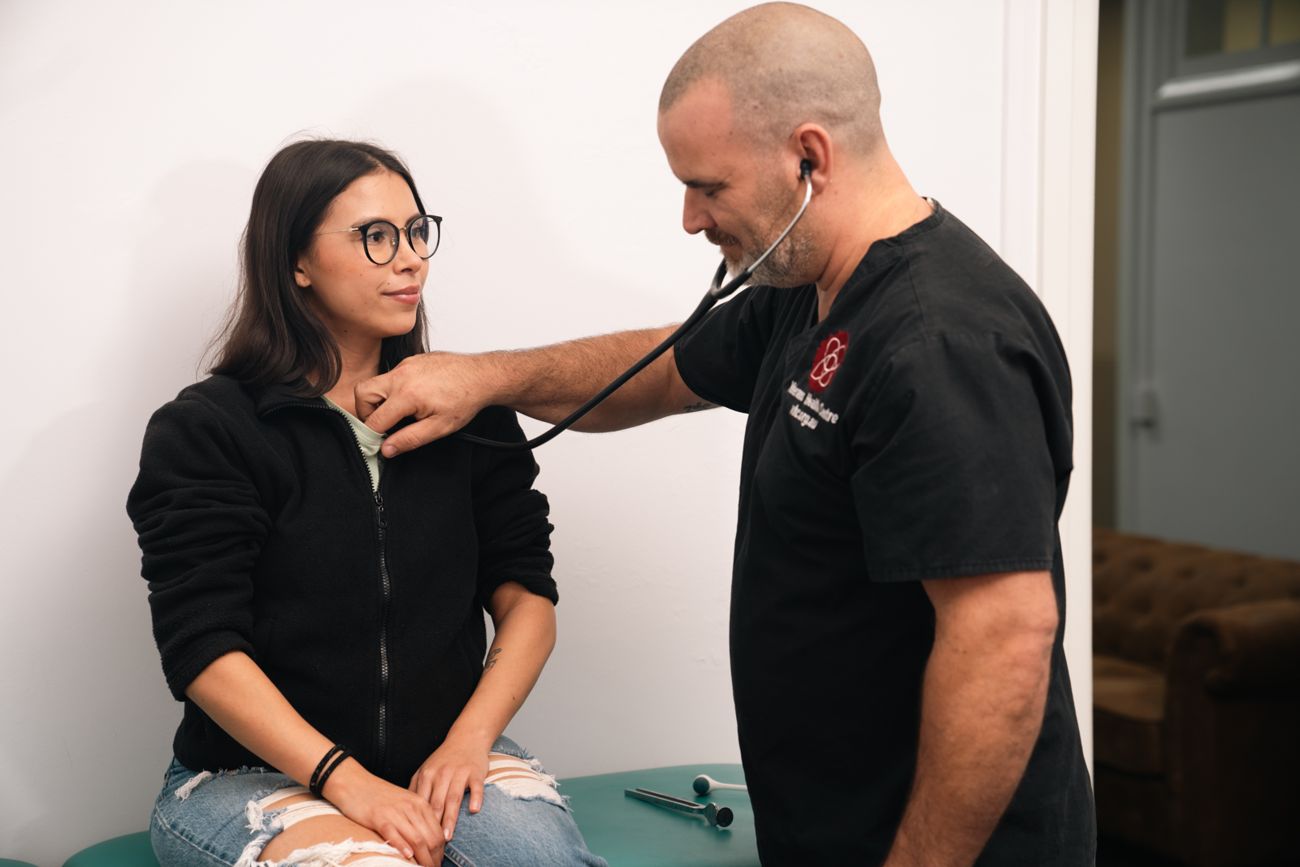
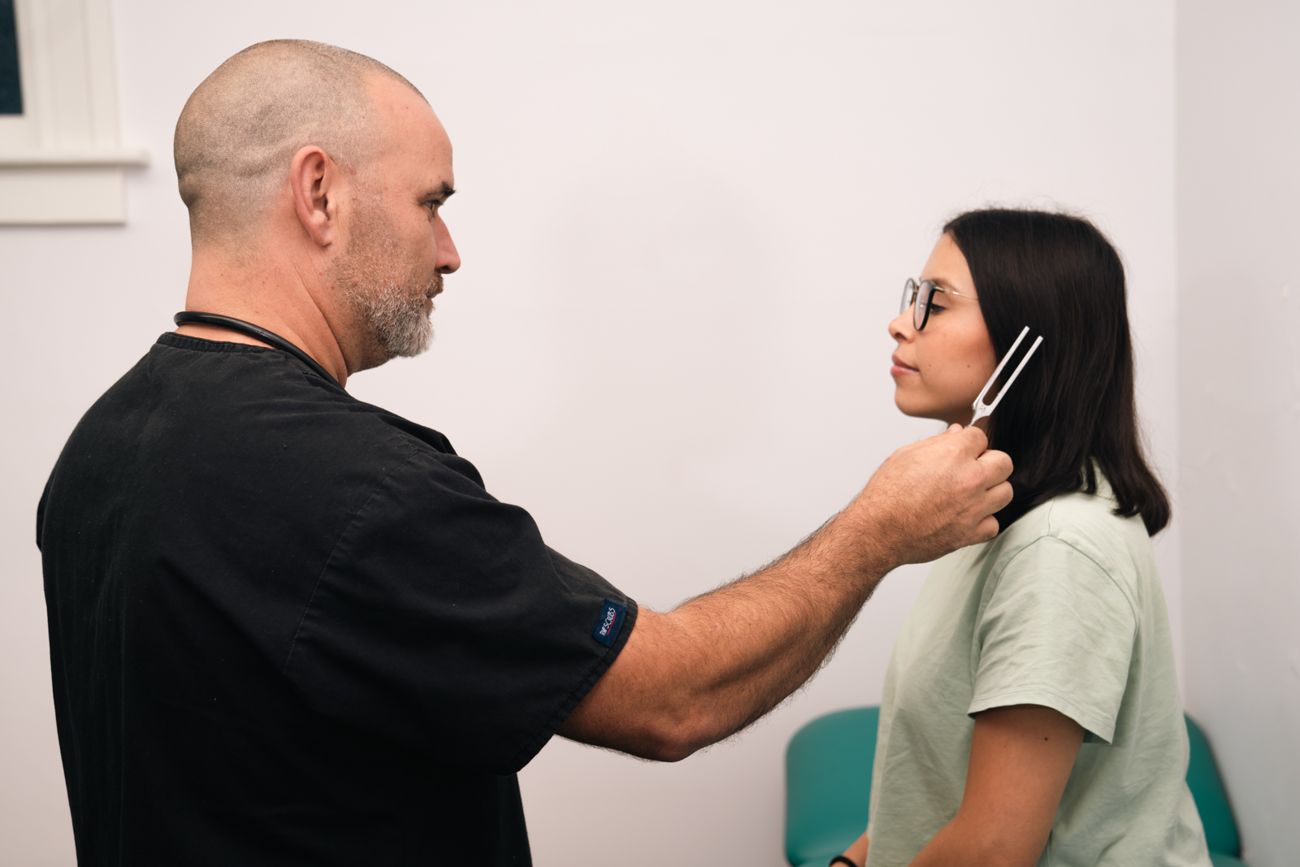

Dr Thomas Perkins is the founding doctor at the Veterans Health Centre in Ipswich, Queensland, and the leading expert in veterans’ medicolegal work in Australia. He has spent over 13 years working exclusively with current and former Australian Defence Force members — treating conditions, writing reports, and navigating the DVA system alongside them.
With 80,000+ DVA claims submitted and over 2,000 Permanent Impairment Assessments completed, Dr Perkins brings a depth of experience that simply cannot be replicated from a textbook. He understands the Statements of Principles, the GARP tables, the imaging that proves what a physical examination alone cannot — and the difference that a properly written report makes at every level, from initial liability through to the VRB.
Every chart review, every diagnostic assessment, and every impairment rating is personally overseen by Dr Perkins. If you’re looking for a doctor who knows veterans medicine inside and out, you’ve found the right clinic.
Contact us0429 146 039 reception@vhc.org.au
Book appointmentReady to have your impairment rated properly?
Start with a no obligation consult. Every condition assessed against GARP, by the doctor who knows your file.