
How to Access Your DVA Medical Records
Everything DVA holds on you — claim files, determination letters, impairment reports, medical records it has received — is yours to request, free, through a Personal Information Request. Here are the actual links, what DVA does and does not hold, and why the file matters most when a decision has gone against you.
- Start here: dva.gov.au/what-we-help-with/accessing-information/personal-information-requests
- PIR webform (easiest): https://www.dva.gov.au/personal-information-request-form
- Paper/email form (D8601): dva.gov.au/about-us/dva-forms/information-access-application-form
- Email: Information.Access@dva.gov.au
- Phone: 1800 VETERAN (1800 838 372)
At a glance
- CostFree
- Target timeframe30 days
- Easiest routePIR webform
- Formal fallbackFOI
How do I access my DVA medical records?
Lodge a Personal Information Request (PIR) with DVA — the easiest way is the online PIR webform, or you can email Information.Access@dva.gov.au or post the Information Access Application form (D8601) to the Information Access Unit. It is free, there is no formal application to draft, and DVA aims to respond within 30 days. You have the right to this information under the Privacy Act 1988. One thing to know first: DVA only holds what has previously been given to it — your full service medical record sits with Defence, and is requested separately.
“DVA medical records” — what that actually means
Veterans say “my DVA medical records” to mean the file DVA has on them. DVA itself calls all of this personal information, and it covers considerably more than medical notes:
- Determination letters — every decision DVA has made on your claims, and the reasons.
- Impairment reports — the assessments behind your permanent impairment ratings.
- Applications and claims, together with the department’s assessment of them.
- Medical or service records — but only where DVA previously received them from you or from Defence.
- Payments history and schedules.
- Records of contact between you (or your representative) and the department.
Read that list again with an appeal in mind. The determination letter and the impairment report are the two documents that tell you exactly what DVA decided and on what basis — which factor was found not satisfied, which GARP table was applied, what evidence the delegate relied on. If a claim has been refused or an impairment under-rated, this file is where the appeal starts.
The distinction that wastes the most time
DVA does not hold your service medical record unless it has already been given one. DVA says this plainly: it only holds records previously provided to it. Your complete Defence health file — every RAP visit, audiogram and psychology note from your time in uniform — lives with the Department of Defence, and you request it through Defence, not DVA. MyService shows a service history summary only.
So the practical rule: for what DVA decided, ask DVA. For what happened to your body during service, ask Defence — the full walkthrough is here: how to access your ADF medical records. For a claim, you usually want both.
Three ways in, depending on what you need
1. A current claim — check MyService first
For a claim lodged through MyService you can already see your personal details, your medical practitioners, the claim’s progress and your accepted conditions online. Sign in through myGov. If you have a claim under way, you also have a specific legal right to the documents relating to it — section 331 of the MRCA and section 59 of the DRCA.
2. A quick question — ring your delegate
The delegate assigned to a current claim can tell you where it stands and what is on file for it. Their name and direct number are usually on recent DVA letters, or call 1800 838 372 and quote the delegate’s position number. Delegates generally cannot discuss past claims — for those, use a PIR.
3. Everything else — lodge a Personal Information Request
The PIR is the workhorse. It is free, informal — no legal wording, no statement of reasons — and DVA aims to answer within 30 days. Sometimes the answer is as simple as an email or a phone conversation. Three ways to lodge it:
- Webform (easiest): dva.gov.au/personal-information-request-form
- Email: a completed Information Access Application form (D8601) to Information.Access@dva.gov.au
- Post: the same form to Information Access Unit, Department of Veterans’ Affairs, GPO Box 9998, Brisbane QLD 4001
Be specific about what you want — “all determination letters and impairment assessment reports for my PI claim decided in 2024, and the medical evidence relied on” gets a faster, more complete answer than “my file”. If the scope is unclear or enormous, DVA will ring you to narrow it, which costs you days.
Asking on someone else’s behalf
DVA releases a veteran’s information to a family member or advocate only with the veteran’s informed consent, plus proof of the requester’s identity. For a veteran who has died, an advocate or representative uses form D9394; a family member or someone acting with the client’s authority uses form D8601.
If what comes back is not enough
There is no formal review right on a PIR. If the response is inadequate — documents missing, scope not met — the escalation is a Freedom of Information request: made in writing under the FOI Act 1982, stating what you want with enough detail for DVA to find it, with a return address. FOI is slower and more formal, which is exactly why DVA suggests starting with the PIR; most people never need the FOI step. Details are on DVA’s accessing information pages.
What to do with the file once you have it
If your claims are running smoothly, the file is mostly peace of mind. Where it earns its keep is when something has gone wrong:
- A refused claim. The determination letter names the Statement of Principles factor the delegate found unsatisfied. That single sentence tells you precisely what medical evidence the VRB appeal has to supply.
- An under-rated impairment. The impairment report shows which GARP tables were applied and how. We review these point by point — every table, every rating, every combined value — and document the errors.
- An incomplete picture. Set the DVA file beside your Defence record and the gaps show: conditions documented in service that were never claimed, evidence DVA never received. A chart review across both is how we find them.
Ready to lodge new claims from what you find? Start at how to submit DVA claims, with how to upload the documents alongside it.
Questions about accessing DVA records
Does it cost anything to get my DVA records?
No. A Personal Information Request is free, and DVA aims to process it within 30 days.
Is a PIR the same as Freedom of Information?
No. A PIR is informal, faster and free, with no legal drafting required. FOI is the formal written route under the FOI Act 1982, used mainly when a PIR response was inadequate — there is no review right on a PIR itself.
Does DVA have my full service medical record?
Only if it was previously provided to DVA. The complete Defence health file is held by the Department of Defence and requested separately — see how to access your ADF medical records. MyService shows a summary of service history only.
Do I need my DVA file before lodging a claim?
No — DVA already holds and considers what it has. But if you are appealing a decision or checking what was actually relied on, the determination letter and impairment report in that file are exactly what you need.
Can my partner or advocate request my records?
Yes, with your informed consent and their proof of identity. For a deceased veteran, an advocate or representative uses form D9394; family members use form D8601.
Can I just ask my delegate?
For a current claim, yes — that is often the fastest way. Delegates generally cannot discuss previous claims; those need a PIR.
What should I actually ask for?
Name the documents: determination letters, impairment assessment reports, the medical evidence relied on, claim assessments, and any records DVA received from Defence. A specific request comes back faster and more complete than “everything”.
Dr Thomas Perkins
The expert in veterans’ medicolegal medicine — Expert DVA Doctor.



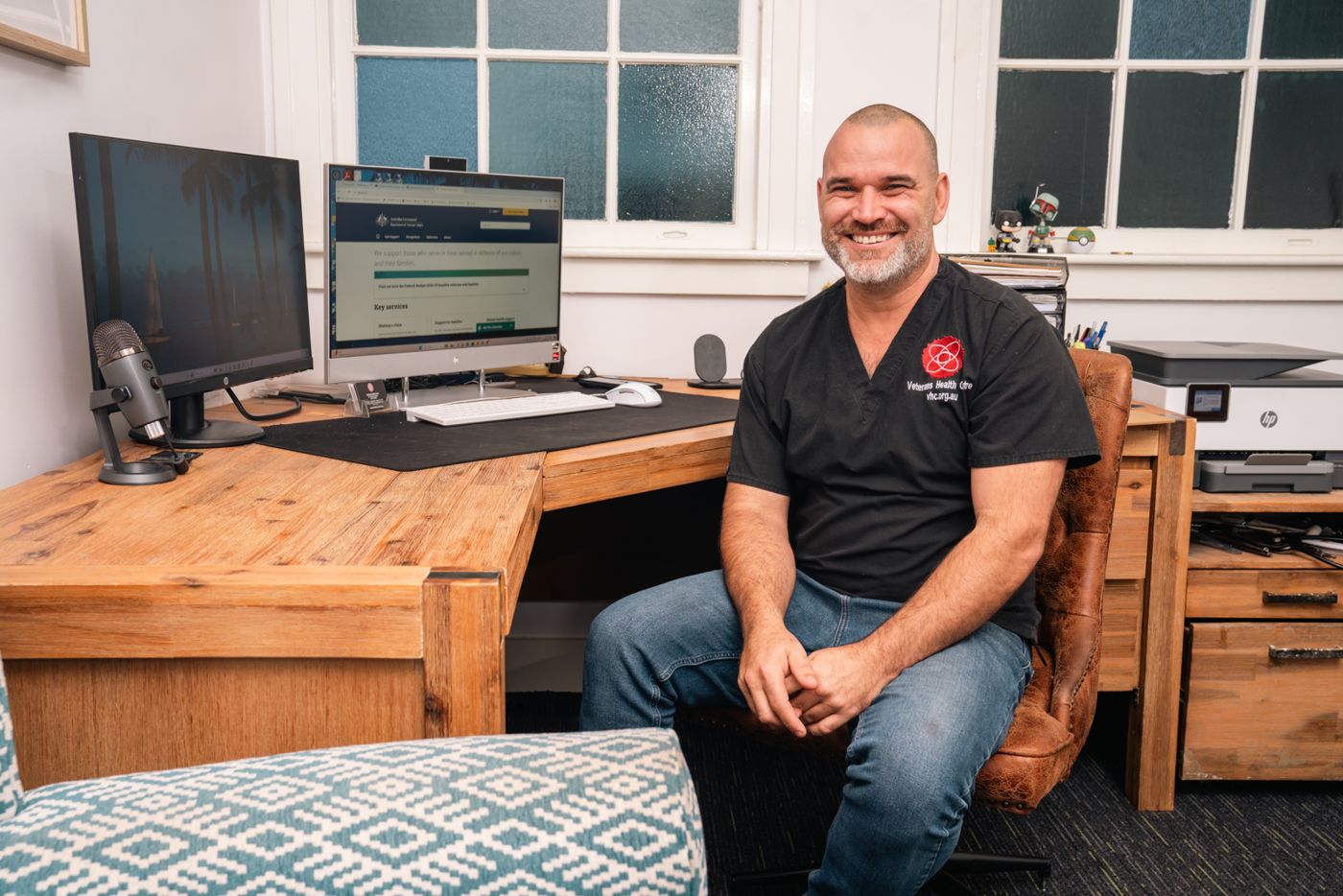
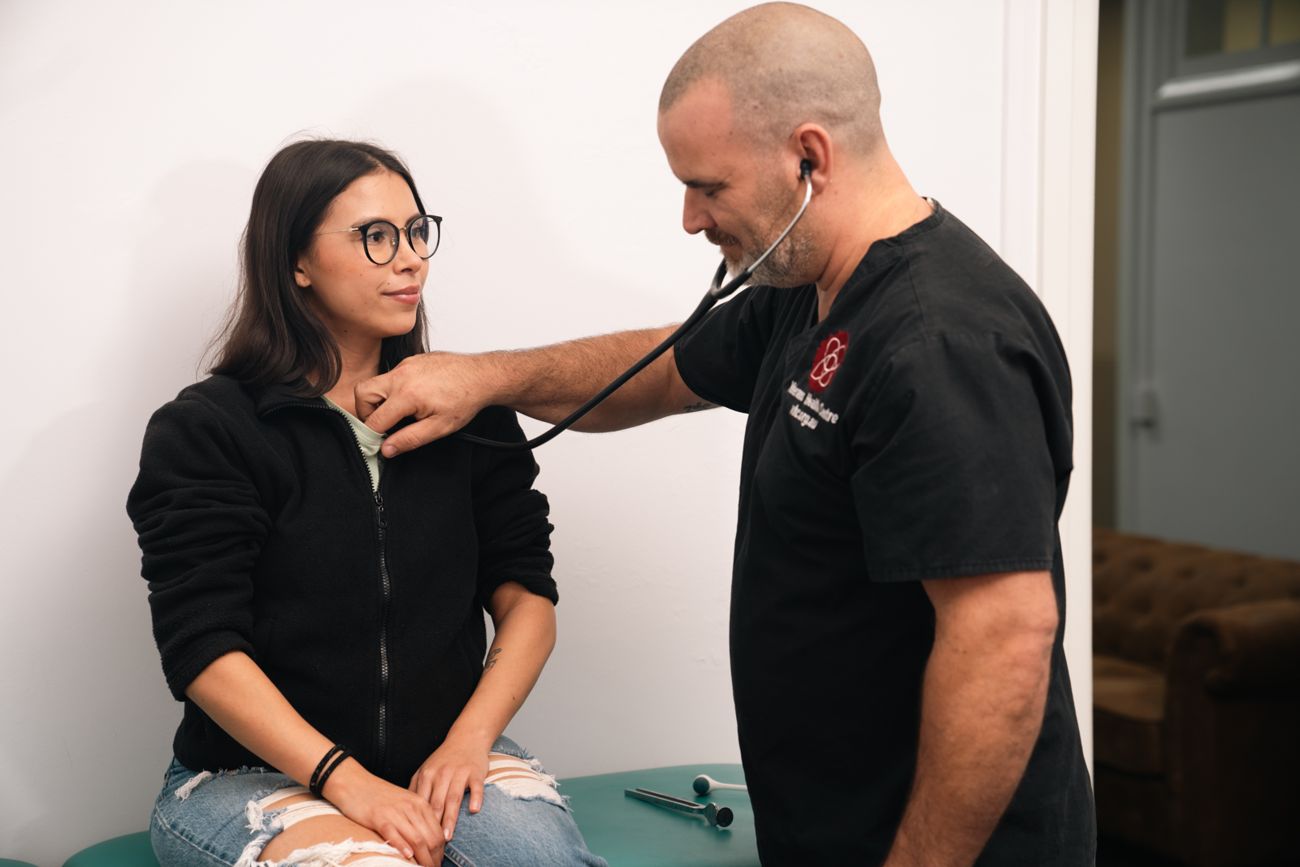
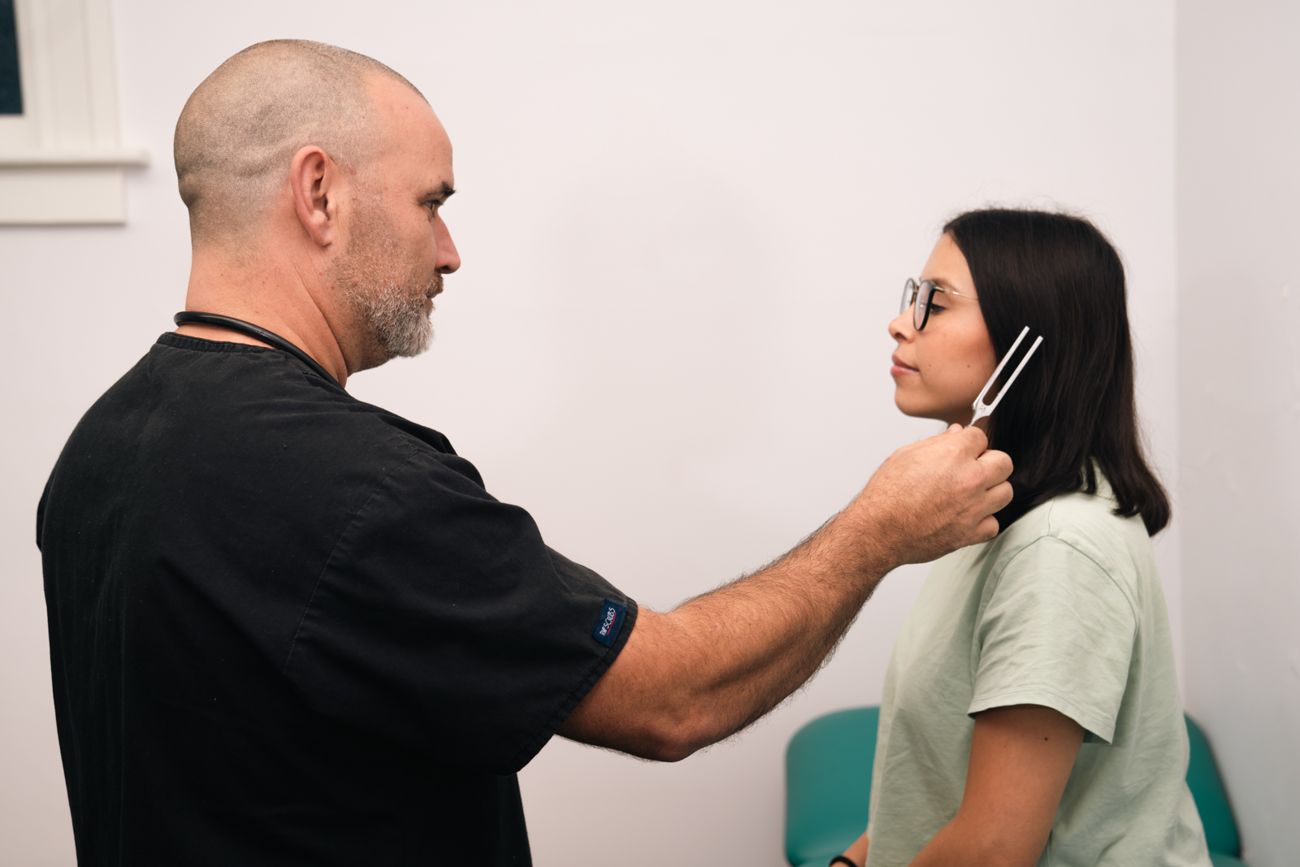
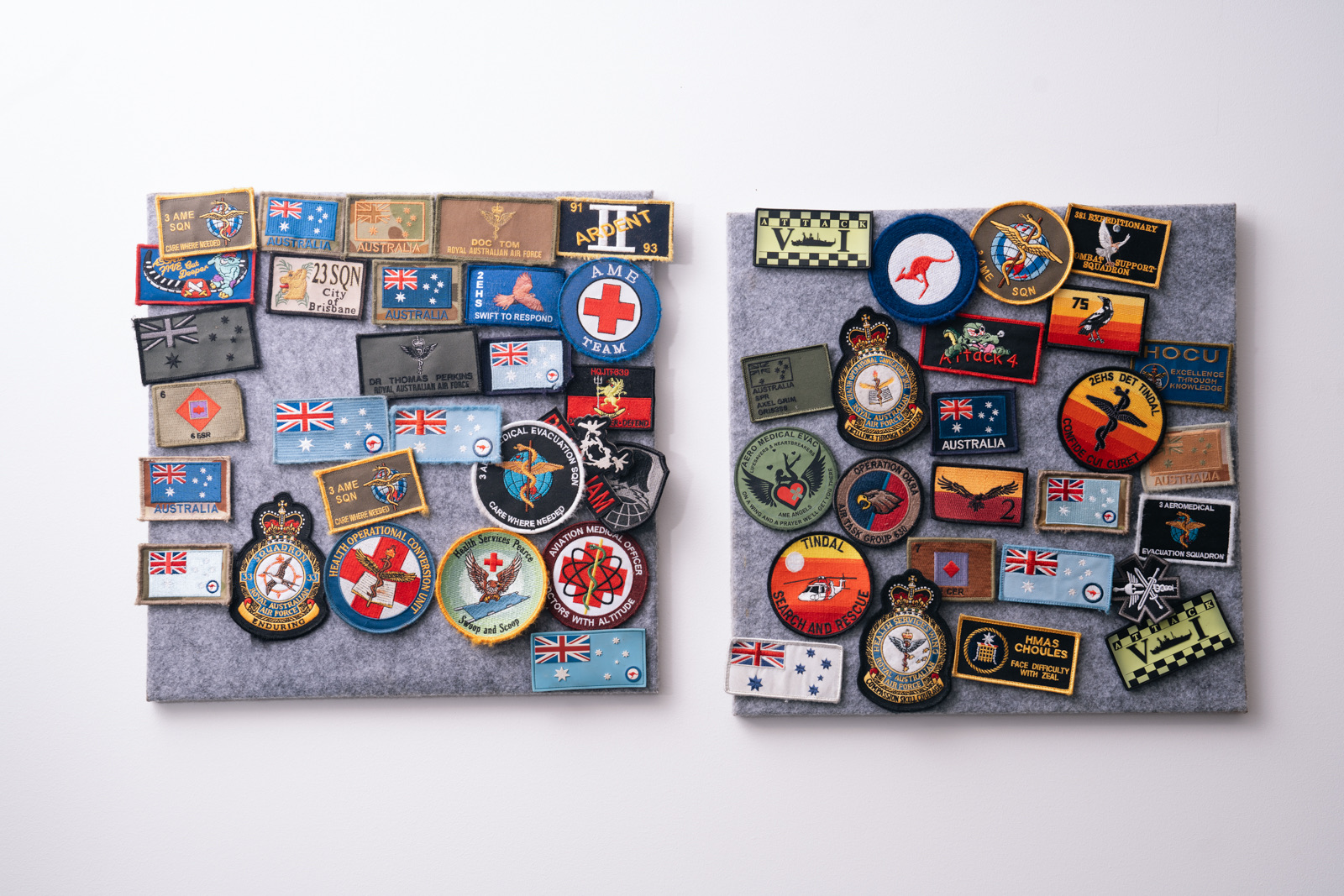
Dr Thomas Perkins is the founding doctor at the Veterans Health Centre in Ipswich, Queensland, and the leading expert in veterans’ medicolegal work in Australia. He has spent over 13 years working exclusively with current and former Australian Defence Force members — treating conditions, writing reports, and navigating the DVA system alongside them.
With 80,000+ DVA claims submitted and over 2,000 Permanent Impairment Assessments completed, Dr Perkins brings a depth of experience that simply cannot be replicated from a textbook. He understands the Statements of Principles, the GARP tables, the imaging that proves what a physical examination alone cannot — and the difference that a properly written report makes at every level, from initial liability through to the VRB.
Every chart review, every diagnostic assessment, and every impairment rating is personally overseen by Dr Perkins. If you’re looking for a doctor who knows veterans medicine inside and out, you’ve found the right clinic.
Contact us0429 146 039 reception@vhc.org.au
Book appointmentGot a determination that looks wrong?
We dissect DVA determinations and impairment reports point by point — the factor relied on, the GARP tables applied, the evidence missed — and write the medical case for the appeal. Fixed fee, no percentage of your compensation.