
Home › DVA Claims › Knees & legs
DVA claims by body areaDVA Claims — Knees & legs
Every Statement of Principles covering the knees and legs: 11 conditions, 201 legislated factors between them. Each one links through to the full factor list, and to an example report where we have written one.
A claim for any of these is decided against its Statement of Principles. At least one factor has to be met, and connected to your service. Reasonable Hypothesis applies to operational service; Balance of Probabilities to peacetime.
Acute articular cartilage tear
For the purposes of this Statement of Principles, acute articular cartilage tear: (a) means an injury involving tearing or damage of the articular (hyaline) cartilage of a joint…
Acute meniscal tear of the knee
For the purposes of this Statement of Principles, acute meniscal tear of the knee: (a) means an injury causing tearing of a meniscus of the knee joint resulting in a sudden onset of pain…
Chondromalacia patella
For the purposes of this Statement of Principles, chondromalacia patella: (a) means softening, fibrillation or erosion of the articular cartilage of the patella associated with recurrent…
Chronic exertional compartment syndrome of the lower leg
For the purposes of this Statement of Principles, chronic exertional compartment syndrome of the lower leg: (a) means raised muscle compartment pressure manifesting with exercise-induced…
Iliotibial band syndrome
For the purposes of this Statement of Principles, iliotibial band syndrome: (a) means a condition of the distal portion of the iliotibial tract where it courses over the lateral femoral…
Internal derangement of the knee
For the purposes of this Statement of Principles, internal derangement of the knee: (a) means a chronic disorder of the knee due to a torn meniscus of the knee, or a torn or stretched…
Knee bursitis
For the purposes of this Statement of Principles, knee bursitis: (a) means inflammation or infection of a bursa around the knee joint; and (b) excludes popliteal (Baker) cyst.
Medial tibial stress syndrome (shin splints)
For the purposes of this Statement of Principles, medial tibial stress syndrome (shin splints): (a) means a bone stress reaction or periosteal inflammation manifesting as…
Patellar tendinopathy
For the purposes of this Statement of Principles, patellar tendinopathy: (a) means an acquired clinically symptomatic condition involving inflammation or degeneration of the patellar…
Popliteal cyst
For the purposes of this Statement of Principles, popliteal cyst means a swelling in the popliteal fossa due to enlargement of the gastrocnemius-semimembranosus bursa, where the swelling…
Popliteal entrapment syndrome
For the purposes of this Statement of Principles, popliteal entrapment syndrome means an acquired or congenital, partial or complete occlusion of the popliteal artery in the popliteal…
Not sure which condition it is?
You do not need the right name to start. A chart review reads your service and medical record end to end and identifies every claimable condition in it, dated, with the page reference behind each one — including the ones you would never have thought to claim.
If you already know the condition, the SoP Finder searches all 357 instruments, and the sequelae tool shows what an accepted condition opens up.
Browse DVA claims by body area
Dr Thomas Perkins
The expert in veterans’ medicolegal medicine — Expert DVA Doctor.


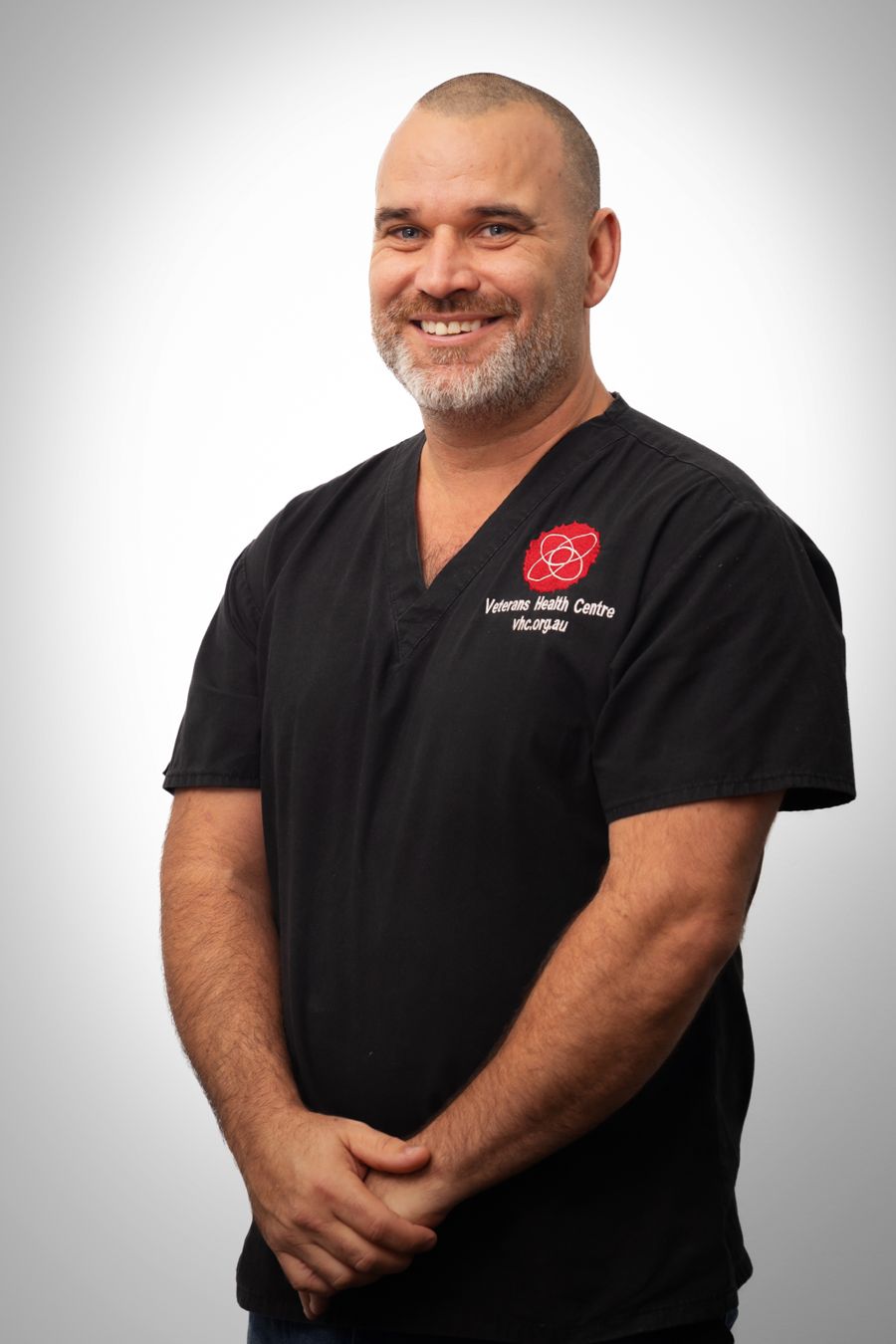
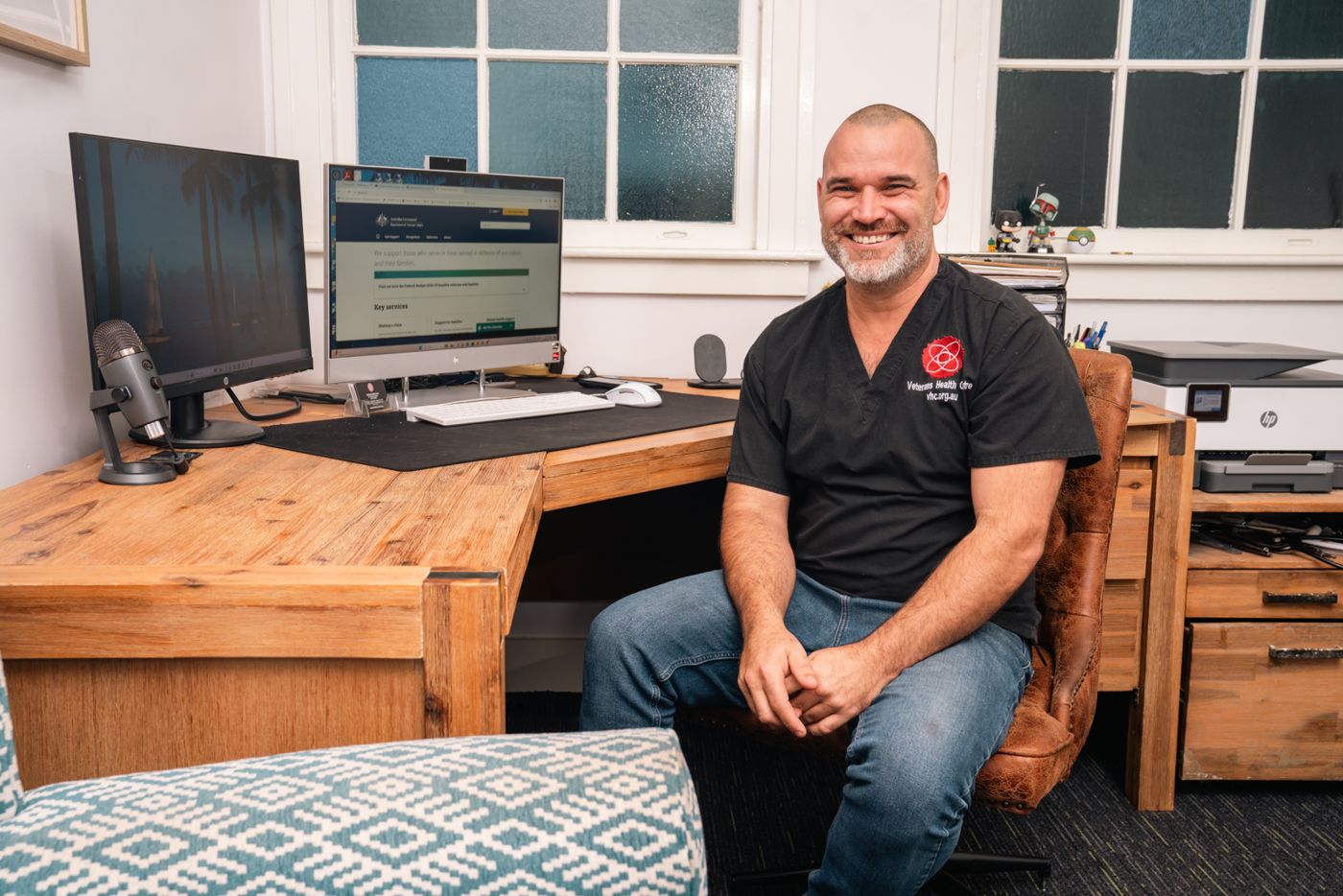
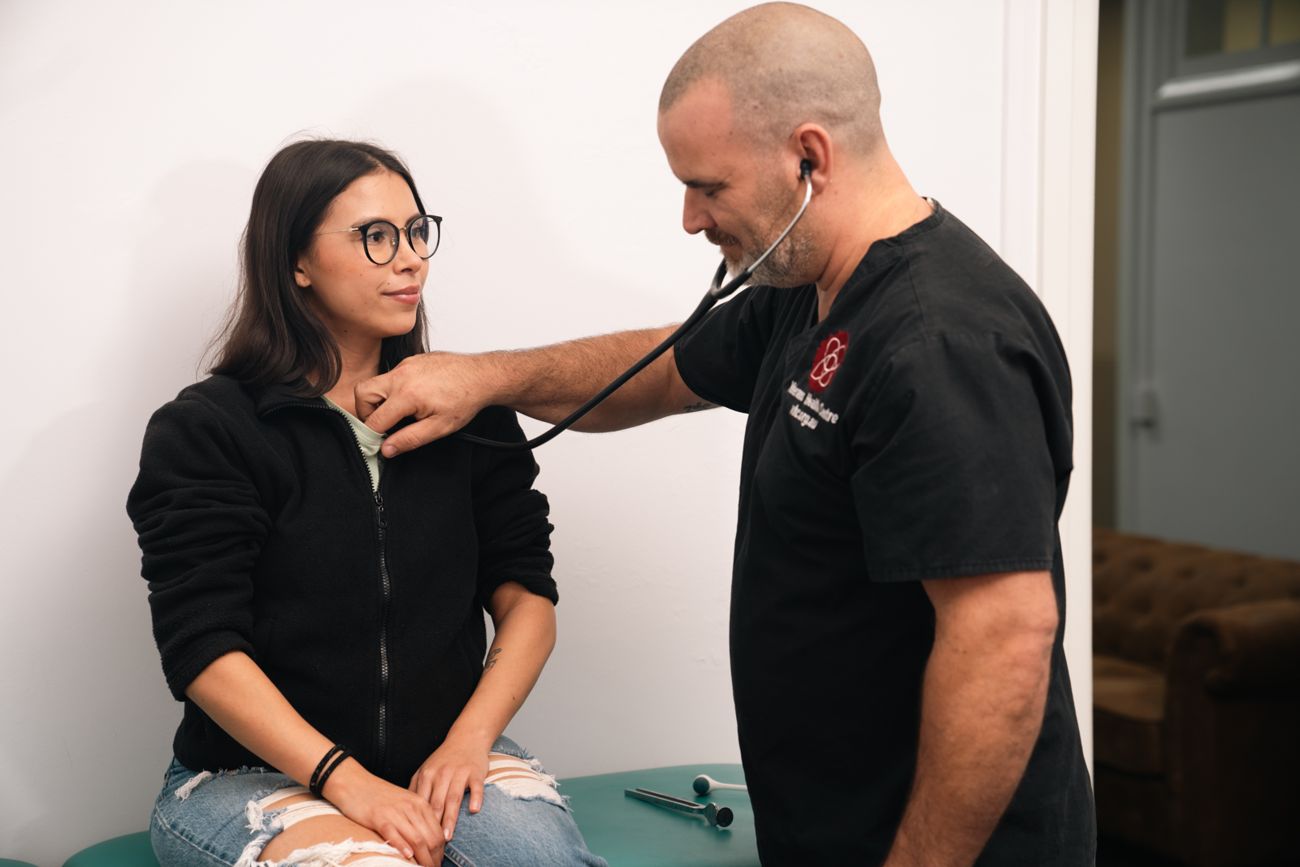
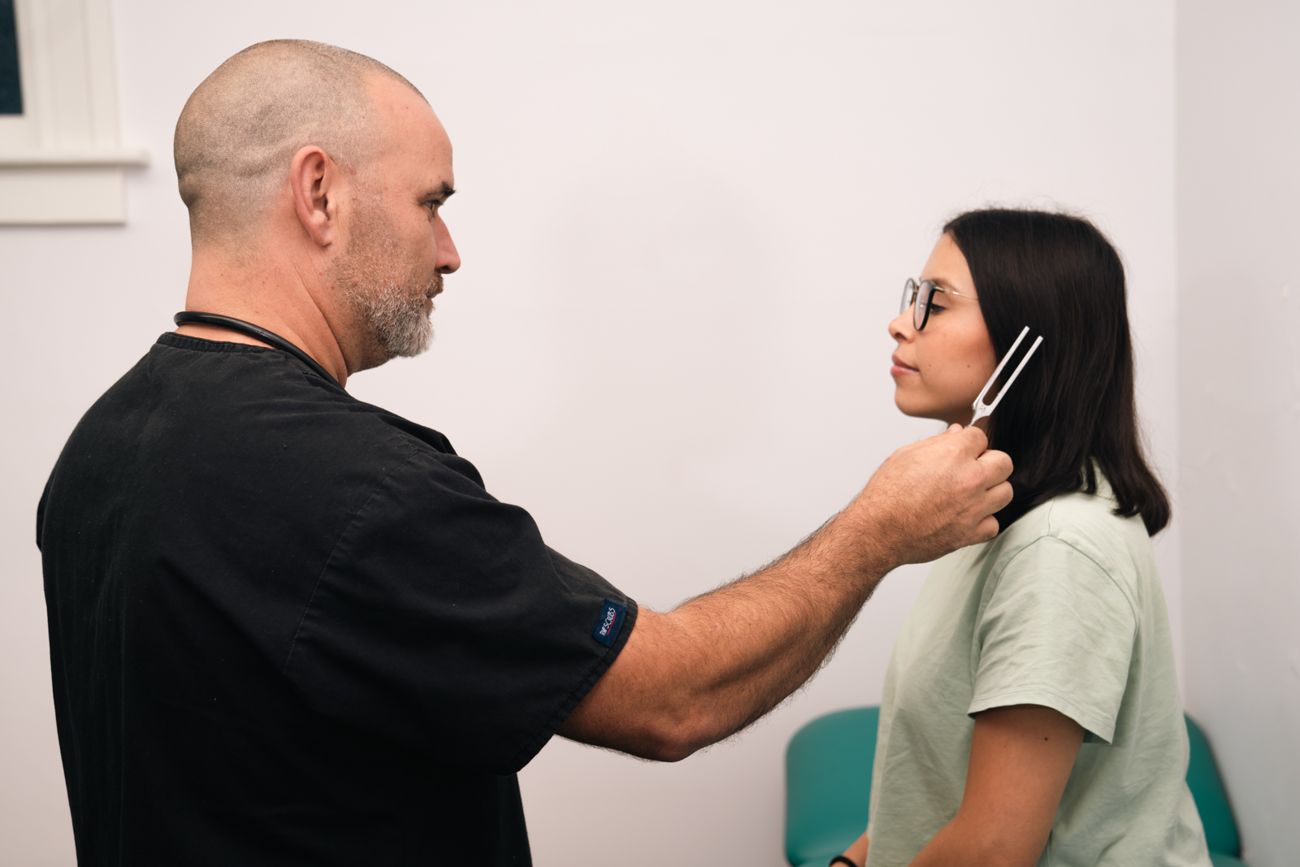


Dr Thomas Perkins is the founding doctor at the Veterans Health Centre in Ipswich, Queensland, and the leading expert in veterans’ medicolegal work in Australia. He has spent over 13 years working exclusively with current and former Australian Defence Force members — treating conditions, writing reports, and navigating the DVA system alongside them.
With 80,000+ DVA claims submitted and over 2,000 Permanent Impairment Assessments completed, Dr Perkins brings a depth of experience that simply cannot be replicated from a textbook. He understands the Statements of Principles, the GARP tables, the imaging that proves what a physical examination alone cannot — and the difference that a properly written report makes at every level, from initial liability through to the VRB.
Every chart review, every diagnostic assessment, and every impairment rating is personally overseen by Dr Perkins. If you’re looking for a doctor who knows veterans medicine inside and out, you’ve found the right clinic.
Contact us0429 146 039 reception@vhc.org.au
Book appointmentKnees & legs condition on your file?
Contact us for more information.