
Retrospective Medical Discharge Assessments for ADF Veterans
If you left the ADF without a medical discharge while your health was already affecting your ability to work, you may be eligible for a retrospective assessment to support a claim with Commonwealth Super.
That applies even if you separated voluntarily or on administrative grounds — what matters is whether your physical or mental health was significantly limiting your capacity to work at the time. For many veterans, that has cost them a lifetime of earning potential.
Fees
Retrospective Discharge (Rule 30)
- Chart Review$600 + GST
- Letter of Support$600 + GST
CSC Class Determination / Appeal (Rule 22)
A separate service, once CSC has decided your class.
- Assessment consultation$600 + GST
- Classification report$600 + GST
What is a retrospective medical discharge?
A retrospective medical discharge — the Commonwealth Superannuation Corporation calls it a retrospective invalidity or A-RETRO application — asks CSC to look back at the day you separated from the ADF and decide whether your conditions at that time were severe enough to have qualified you for an invalidity benefit. The test is Rule 30 of the MilitarySuper Trust Deed (and its equivalents in ADF Cover and DFRDB): could you have been retired on invalidity grounds, on the conditions you had on the day you left? CSC does not ask whether the conditions were caused by service, and it does not matter that you separated voluntarily. If the application succeeds, your separation is treated as an invalidity retirement, a class (A, B or C) is assigned and the benefit is calculated from your discharge date. VHC supplies the medical evidence for that decision: a Chart Review and a Rule 30 Letter of Support. The class is a second, separate CSC decision under Rule 22, and challenging it is a separate service. $600 + GST per stage.
See an example Letter of Support and its requirements table.
A real VHC Rule 30 Letter of Support, anonymised. The member was an Army operations technician who transferred voluntarily to the Standby Reserve with a MEC 1. Six pages, written from his records, set out why grounds for invalidity retirement existed on the day he left.
Beside it is the table attached to the letter: each of the 19 requirements of his ADF job, rated against his last 24 months of records. Names, dates, reference numbers, units and employers have been changed, and the evidence extracts (images of his source pages) are left out of the table. Going on to have the class reviewed? See the example CSC Classification Appeal for the same member.
What is inside the letter.
Every section answers a question CSC asks under Rule 30. Nothing in it is general opinion: each finding is quoted from a dated record, with the author named.
Purpose and basis
The date being assessed (here, the transition on 30 January 2008), the question being answered, and the records it is built on. Where evidence was written after discharge, the letter says so and uses it only for what it shows about the day he left.
Diagnoses, each dated to service
Each condition named properly — chronic lateral ligament instability of the right ankle, rectus femoris tendinopathy, PTSD and major depressive disorder with DSM-5 codes — with its onset, the first record of it, and any DVA acceptance date. The ankle was first documented on a stress X-ray in May 2002; DVA accepted it the day before he transitioned.
Condition and severity at transition
For each condition, what the records said in the months before he left, quoted with dates and authors — the Medical Officer in July 2007: “He rolls his ankle frequently on uneven surfaces and roughly every 6 months this occurs to the extent he must go NWB on crutches for 2-3 days.” Each condition ends with a plain “Function at transition” line: what he could and could not do that day.
Military capacity: the ADF job, requirement by requirement
His employment category is defined from the unit’s own occupational breakdown, then every requirement of the job — fitness tests, load carriage, uneven ground, casualty carriage, climbing, on-call readiness, deployability — is mapped against his last 24 months of records in an attached table. A task he could do only with bracing, strapping or rest counts as one he could not meet. Of 19 essential requirements, he could not meet 15.
Civilian employability
What his skills, training and qualifications fitted him for at separation, and how his impairments limited that work. A specialist’s restrictions ten months after discharge — “limit kneeling, squatting and negotiating stairs or rough ground” — are used for what they show about the day he left. The letter describes the limits; it does not set a class.
Opinion on medical separation
The direct answer CSC needs: on the balance of probabilities, had a Medical Employment Classification Review been completed before he left, he would not have been graded fully employable and deployable, and the conditions met the threshold for medical separation. A list of documents reviewed follows, including what was not available.
How the letter dealt with the MEC 1
A fit MEC at separation is the most common reason a retrospective application fails. The example does not ignore it. It shows that the MEC 1 was set for a member already in his separation process; that the separation health examination three weeks earlier recorded a lax ankle and a hip awaiting injection; that the fitness test pass relied on came ten days after he attended the Regimental Aid Post with hip pain; that the worsening of the ankle in July 2007 was never reviewed by a medical employment board; and that his psychological symptoms had not been disclosed or assessed. We say the MEC did not reflect the condition only where the records support it.
Quality in detail
See, in convenient video format, exactly what a retrospective discharge medical from VHC looks like.
Retrospective discharge and CSC class are two different things.
CSC makes two decisions, one after the other. First, under Rule 30: did grounds exist to retire you on invalidity grounds on the day you left? Second, under Rule 22: if so, which class — A, B or C? They are separate decisions answered by separate documents, and we never merge them into one report. Neither attracts government funding, so the work is billed to you directly. Before anything proceeds we look at what your record actually shows and tell you plainly whether there is a reasonable basis. If the evidence is not there, we will say so.
Retrospective Medical Discharge
The medical evidence that, when you left the ADF, your conditions were already severe enough for invalidity retirement. Lodged with your A-RETRO application, or in answer to a refusal.
- Chart ReviewEvery page of your service record read to establish what was documented at, and in the 24 months before, your date of discharge.$600 + GST
- Letter of SupportA Rule 30 letter built from the Chart Review: each diagnosis dated to service, your function on the day you left, your ADF job requirements mapped one by one in an attached table, and an opinion on medical separation. See the example.$600 + GST
- Shows each condition was present, symptomatic and restricting you at transition
- Evidence quoted from your records and referenced to the page
- Does not address your class — that is the separate Rule 22 decision
CSC Class Determination / Appeal
Once CSC has accepted that you were, or should have been, retired on invalidity grounds, the evidence for the class. Used when a draft or final CSC decision places you in a class you dispute.
- Chart ReviewYour record, extended to every job since discharge and every impairment assessment made after it. If we did your retrospective discharge, this carries over and is not charged again.$600 + GST
- Assessment consultationExamination and detailed history of your function at the date of discharge and your work since.$600 + GST
- Classification report (Rule 22)The errors in the delegate’s decision, your impairment at discharge, every demand of the employment CSC chose rated against the evidence, and the class the evidence supports. See the example.$600 + GST
- Rebuilds the delegate’s decision step by step, in CSC’s own order
- Capacity for civil work judged at your date of discharge
- States the class (A / B / C) the evidence supports, with the alternative
Which one do you need?
- You have not applied yet, or CSC has not decided. Retrospective Medical Discharge.
- CSC refused your retrospective application. Retrospective Medical Discharge, with the letter written to answer each of CSC’s reasons for refusal.
- CSC approved it, but gave you a class you disagree with. CSC Class Determination / Appeal. A further letter of support adds nothing here: the discharge has already been granted.
- You need both. They run in order: the letter first, then the class report once CSC has made its decision.
Watch the deadlines. A draft CSC decision usually gives you 14 days to send further evidence, and extensions are often granted if you ask. A final decision gives you a set period, usually 30 days, to request reconsideration. Send us the notice as soon as it arrives.
How we build the evidence.
Both CSC documents rest on the same evidence base, built in three stages from your records. Each stage is a document of its own, delivered before the next begins.
Chart Review
Every page of your Defence and DVA file read and noted, including handwritten clinical notes and tick-box forms, which are read by eye rather than by text search. Each page’s findings are recorded: the document, date and author, the diagnostic words used, restrictions, MEC and PULHEEMS, postings and employment. The result is organised by condition, with your ADF history, risk factors, timelines and a diagnosis list.
Impairment at discharge
Your conditions and function on the day you left, measured two ways. Against your ADF job: what the job required, from your unit’s own records and course reports, and whether you could meet each requirement in your final 24 months. Against civilian work: every job you held afterwards, and — once CSC has named one — the civilian employment kind it uses, split into separate demands. Evidence against incapacity, such as a voluntary separation or a MEC 1, is set out fully and fairly here.
Impairment after discharge
Every permanent impairment assessment and work-capacity opinion made since you left, in date order, with the exact time since separation, the GARP tables and points, and your work status at the time. This shows which measurement is nearest to your discharge date. A high rating made many years later measures you then; on its own, it is not the measure at discharge.
Your CSC document
From that base we write the document your stage of the CSC process needs: the Rule 30 Letter of Support, or the Rule 22 Classification report. Each is about five pages, signed by the doctor, and sent with its requirements tables.
How our reports are written.
A CSC delegate has to be able to check every sentence against your file. The documents are written so they can.
Quoted, dated and referenced
Every fact comes from a document. Findings are quoted word for word, with the date, the author and the page of your file. What a clinician found is kept separate from what you told them, and time intervals are stated exactly — “ten months after discharge”, not “soon after”.
Opinion labelled as opinion
The doctor writes in the first person, and every conclusion is marked “In my opinion”, stated on the balance of probabilities. Plain words, short sentences, Australian spelling and dates written out in full.
Gaps flagged, never filled
Where something cannot be confirmed from the records, it is marked in bold square brackets — [To verify with the member.] or [Obtain if possible.] — and the list of documents reviewed ends with what was not available, so CSC knows what to ask for.
The requirements tables
A landscape table for your ADF job and, for a class appeal, one for each employment kind CSC named. Columns: the requirement (in CSC’s own words where it quotes them), whether it is essential, whether you could do it at discharge, and why, with the evidence quoted. A requirement you could meet only with bracing, strapping, rest or modified duties is rated No, with the accommodation named. One essential requirement you could not meet closes that job.
Evidence extracts
The tables carry the source pages behind every rating. Each typed record is cropped to the passage relied on, with the quoted words highlighted; handwritten pages are shown in full. Each extract is labelled and cross-referenced from the table row it supports — “Extracts: 1a (p.189), 1b (p.587)”.
The case against, stated fairly
Every table ends with a count of the requirements you could and could not meet, then an “Against this” paragraph: the fit MEC, the fitness test passes, a voluntary transfer, work done after discharge. Each is answered where the records support an answer. A report that ignores the weak points does not survive review.
What the doctor’s letter has to cover.
A retrospective application succeeds or fails on one document. Whether it is written here or by your own GP or specialist, these are the six things CSC needs it to show — and the ones most letters leave out.
A clear clinical diagnosis
Each physical or psychological condition named properly — a specific ligament or tendon pathology, a DSM-5 psychiatric diagnosis with its code. For CSC purposes the condition does not have to be service-caused, but it does have to have been active at the time.
The historical timeline
An explicit statement, drawn from the records, that each condition was present, symptomatic and restricting you at or immediately before your discharge date, with its onset and first documentation — not simply that you have it now.
Impact on your military capacity
How the symptoms stopped you meeting ADF fitness standards, the day-to-day duties of your employment category, or deployment. We map each requirement of your actual job, and count anything you could do only with bracing, strapping, rest or modified duties as a requirement you could not meet.
Impact on civilian employability
CSC classifies on civilian work capacity, so the letter must set out how your impairments limited civilian work suited to your skills, training and qualifications at the date of separation. It describes the limits; the class itself is a separate Rule 22 decision.
The evidence it is built on
What was actually reviewed — service medical and personnel records, specialist reports, DVA determinations, civilian GP files, pharmacy history, statements from those close to you — and, just as plainly, what was not available.
An opinion on the discharge itself
The conclusion CSC is looking for: whether, in the doctor’s opinion and on the balance of probabilities, the conditions would have met the threshold for medical separation had the medical employment classification process been completed before you left.
The structure we use — and the one to give your own doctor
- Purpose and basis. The transition date being assessed, the question being answered, and the material relied on.
- Diagnoses. Each condition, with its onset, when it was first documented and any DVA acceptance.
- Condition and severity at transition. Dated quotes from the records for each condition, ending with a plain statement of function on the day you left.
- Employment restrictions at transition. Military capacity, summarising a requirement-by-requirement table of your ADF job, then civilian employability.
- Opinion on medical separation. A direct opinion on whether medical separation was warranted.
- Documents reviewed. Including what was missing, so CSC knows what to ask for.
The evidence that carries the case.
The Chart Review reads every page of your record looking for the entries that show your conditions were already restricting you before you left. These are the ones that matter most.
Your last 12 to 24 months of service
Restricted MECs and medical boards, Medical Fitness Advice (PM101) restrictions and their dates, days on restricted duty or unfit for duty, exemptions from fitness testing, specialist referrals and treatment, changed duties. In the example, the final two years held 119 days of restricted duty or unfitness, and a hip injection three months before transition that made “No major change”.
The separation medical
The Separation Health Statement in your own words, and what the examining Medical Officer recorded on the day. Members often write down problems that never reach the MEC — in the example, “ankle joint loose due to rolling and rupturing it several times”.
Onset dates fixed by others
DVA’s accepted onset dates, the treating psychiatrist’s or specialist’s onset and permanency dates, and anything CSC itself has already conceded. A DVA “date of effect” is usually the claim date, not the onset, and we do not treat it as one.
The first specialist examination after discharge
An examination within a year or so of leaving is the closest independent measure of your function on the day. Its findings and restrictions are used for what they show about the date of discharge, and the letter says when it was done.
Conditions diagnosed years later, especially mental health
Many veterans are not diagnosed until long after discharge. That does not mean the condition was absent at the time. We build the timeline from the evidence, not from today’s severity: in-service psychology, chaplain or welfare contacts (even one self-referral), sleep complaints and alcohol escalation in the medical notes; a statement from a spouse or family member who dates the change to service; the treating psychiatrist’s onset dates and their finding of no stressor after service; and the years without treatment, which are consistent with an untreated condition rather than an absent one. Normal screening questionnaires in service are explained, not ignored — they were self-reported, often by a member trying to avoid a downgrade before leaving. The opinion is then stated positively: that the symptoms were more likely than not present at discharge and affecting your function.
Frequently asked questions
Is there a time limit on a retrospective application?
There is no general cut-off, and veterans who separated many years ago do apply successfully. What matters is whether the record still shows what your condition was at the date you left — which is exactly what the Chart Review establishes.
Does this affect my DVA claims?
No. CSC and DVA are separate systems with separate tests. A retrospective discharge application does not disturb your DVA claims, and the medical work done for one commonly supports the other.
Do I need to have been medically downgraded to apply?
It helps, but it is not essential. Restricted employment classifications, changed duties, failed fitness tests and repeated medical review all demonstrate the same thing — that your conditions were already stopping you doing the job.
My MEC was 1 when I left. Is that the end of it?
No, but it has to be dealt with directly. We look at whether the same separation examination recorded active problems, whether the MEC was set after you were already in your separation process, whether a fitness test pass came soon after a medical visit for the same condition, whether a recent worsening ever went to a medical employment board, and whether psychological symptoms were disclosed at all. The example letter on this page shows how that is set out. We only say a MEC did not reflect your condition where the records support it.
My mental health condition was only diagnosed years after I left. Can it still count?
Yes, if the evidence places the symptoms in service. CSC needs the condition to have been present and causing symptoms or restrictions when you transitioned, not diagnosed by then. We build that from in-service contacts and notes, a statement from someone close to you, the psychiatrist’s onset dates and the absence of any later cause. A rating made many years later measures you then; it is not used as the measure at discharge.
What if I discharged voluntarily?
Most of the veterans we assist did. Separating at your own request does not prevent an application; the question is whether, on the medical facts as they stood, you should have been discharged medically instead.
What is CSC actually assessing?
Whether grounds existed on which you could have been medically transitioned from the ADF, judged on the conditions present at your transition date. It is not a review of why you actually left. The assessment runs under Rule 30 of the Military Superannuation and Benefits Act 1991, section 31A of the Australian Defence Force Cover Act 2015 or section 37 of the Defence Force Retirement and Death Benefits Act 1973, depending on your scheme.
Do the conditions have to be service related?
No. CSC only needs to be satisfied that a diagnosed condition was present and causing you symptoms or restrictions when you transitioned. Service causation is a DVA test, not a CSC one — which is why a claim DVA has never accepted can still carry a retrospective invalidity application.
What do Class A, Class B and Class C mean?
If CSC accepts that grounds existed, it then makes a second and separate decision on your level of incapacity and classifies you Class A, Class B or Class C. Class A and Class B carry an invalidity benefit; Class C does not. Approval and classification are two different decisions. The Letter of Support answers the first; the second is answered by a separate classification report, described on our CSC class appeals page.
Can I apply more than once?
No. One retrospective decision per period of service — if you disagree with it, the remedy is reconsideration rather than a fresh application. You also cannot apply if you were medically transitioned and CSC has already assessed you for invalidity benefits for that same period. If you served over more than one period, you tell CSC which period or periods you want assessed.
How do I lodge it, and what has to go with it?
The A-RETRO application form, emailed to formsandapplications@csc.gov.au. CSC asks you to supply supporting medical reports for each condition, your CV or a list of employment history and qualifications, evidence from employers where your conditions have affected work since transition, photo identification (licence front and back, or a passport current or expired within the last two years) and a TFN declaration. If you have already lodged an earlier version of the form (A-Retro 10-20 or 12-23) you do not need to reapply.
What evidence will CSC look at?
It will usually obtain your ADF medical and personnel records from around the time you transitioned, and may also review your DVA and Open Arms files. Independent medical evidence is accepted as well — obtained at the time or long afterwards — provided it addresses diagnosed conditions and speaks to your restrictions as at the date you left. That is exactly what the Chart Review and Letter of Support are built to do.
Are there financial consequences if I am approved?
There can be, and they are worth understanding before you lodge. DVA payments may be reduced or ceased, and DVA can recover an overpayment out of your CSC arrears — or directly from you if the arrears do not cover it. There can be Centrelink and Child Support implications, and you may need to amend earlier tax returns. If you held lifePLUS Protect auto cover and are later classified Class A or B, that cover is treated as never validly held: it is cancelled and the premiums are refunded to your ADF Super account. We are not financial advisers, and CSC itself recommends getting advice on this before applying.
How long does CSC take to decide?
Longer than most people expect. CSC has reported a significant rise in retrospective applications and delays simply in allocating them to a case manager. Each assessment then varies with the volume of records to be reviewed and the time taken to chase further evidence. The one part of that timeline you control is arriving with the medical evidence already complete and organised.
What does it cost, and when do I pay?
Each stage is $600 + GST, paid only after that stage is delivered. A retrospective discharge is the Chart Review and Letter of Support. A CSC class determination or appeal is a separate service: the Chart Review, an assessment consultation and the classification report. If we have already done your Chart Review, it carries over, so the class service adds only the consultation and the report.
Related pages
- Guide: initiating a medical discharge from the ADF
- Guide: retrospective medical discharge explained
- Guide: how impairment becomes a payment
- CSC invalidity class appeals
- Permanent Impairment Assessments (GARP)
- DVA claims — chart reviews and diagnostic assessments
- Example reports
- Fees — $600 + GST per stage
- About Dr Thomas Perkins
Dr Thomas Perkins
The expert in veterans’ medicolegal medicine — Expert DVA Doctor.



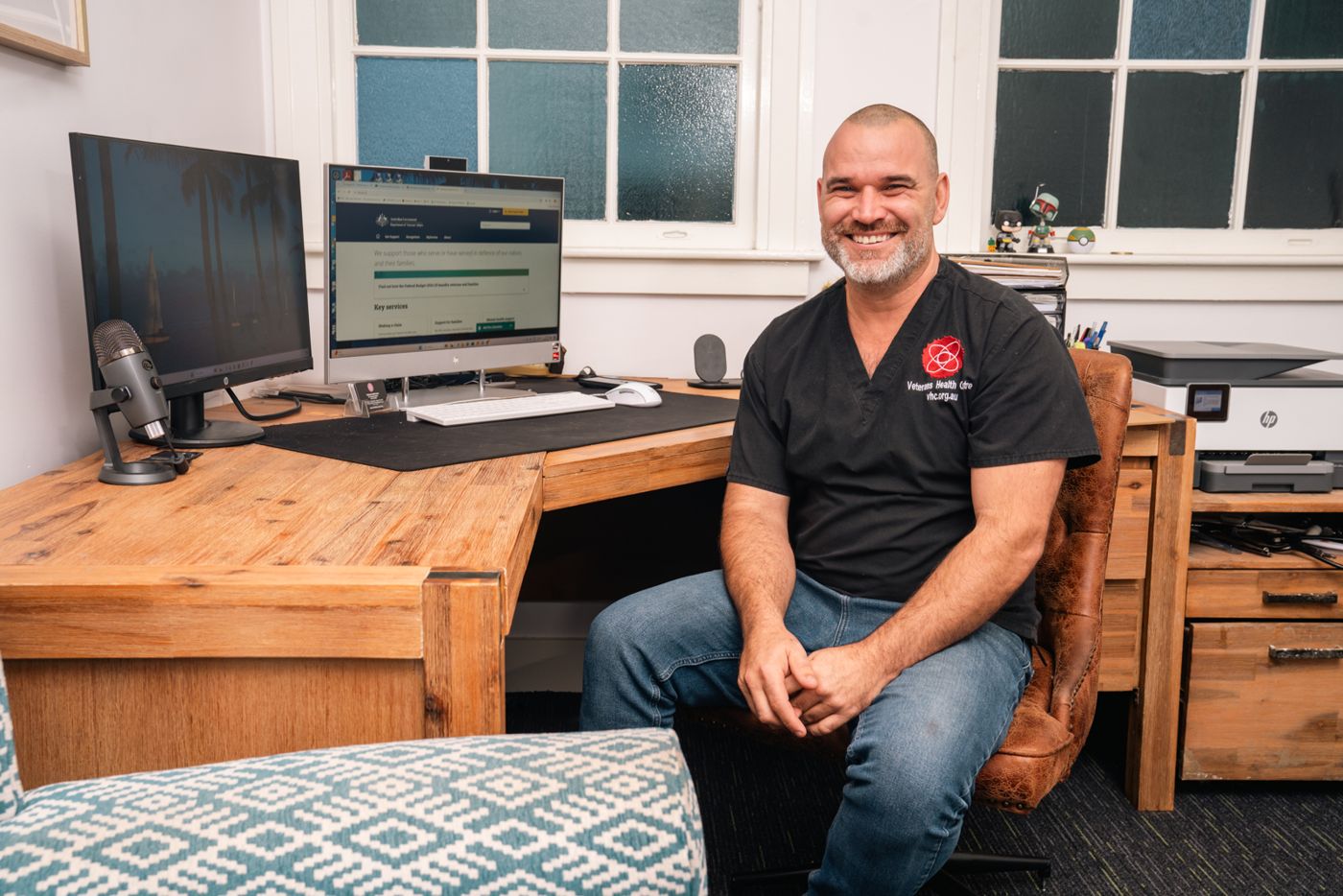
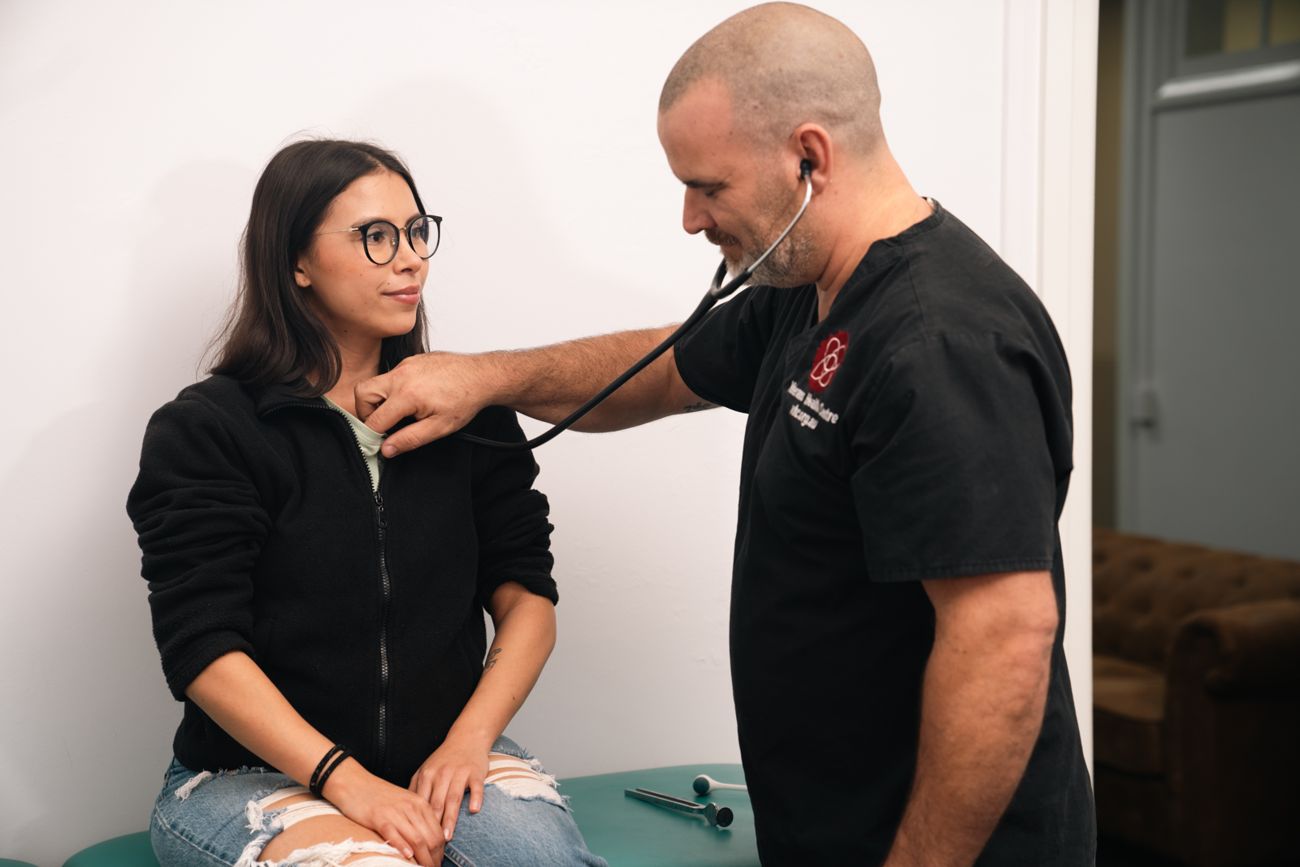
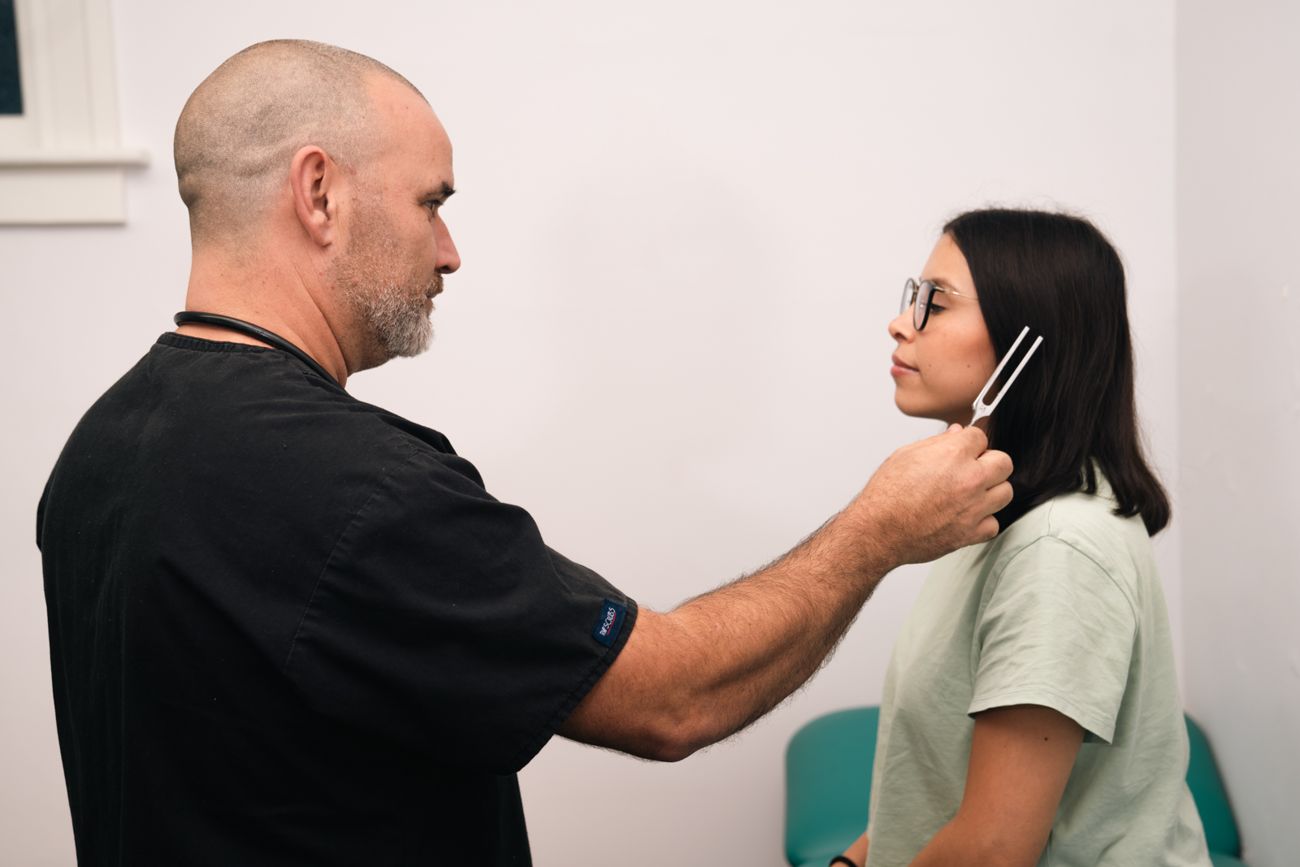
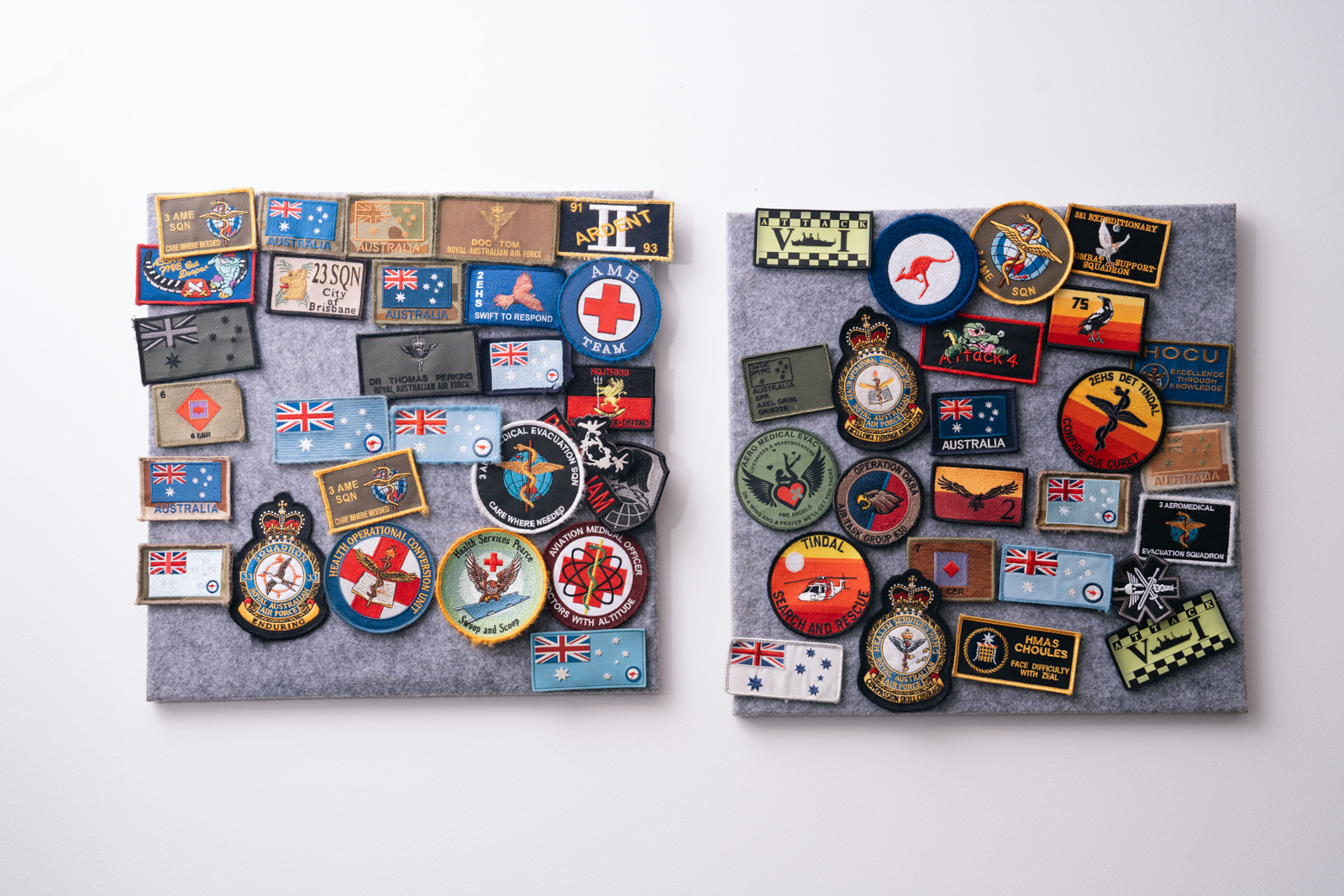
Dr Thomas Perkins is the founding doctor at the Veterans Health Centre in Ipswich, Queensland, and the leading expert in veterans’ medicolegal work in Australia. He has spent over 13 years working exclusively with current and former Australian Defence Force members — treating conditions, writing reports, and navigating the DVA system alongside them.
With 80,000+ DVA claims submitted and over 2,000 Permanent Impairment Assessments completed, Dr Perkins brings a depth of experience that simply cannot be replicated from a textbook. He understands the Statements of Principles, the GARP tables, the imaging that proves what a physical examination alone cannot — and the difference that a properly written report makes at every level, from initial liability through to the VRB.
Every chart review, every diagnostic assessment, and every impairment rating is personally overseen by Dr Perkins. If you’re looking for a doctor who knows veterans medicine inside and out, you’ve found the right clinic.
Contact us0429 146 039 reception@vhc.org.au
Book appointmentReady to find out more?
Start with a no obligation consult. You’ll know exactly where you stand.