
Your Private Advocate for DVA Claims
Private advocacy means paying someone to help with your DVA claim, rather than using a free ESO advocate. We are a private, paid, veteran-side practice — and we charge a fixed fee, up front, per stage. We never take a percentage of your compensation, and we never bill you after the money lands.
- Complete Chart Review — $600 + GST
- Diagnostic Assessment & evidence pack — $600 + GST
- Permanent Impairment Assessment — $1,500 + GST
- Permanent Impairment Estimate (paper-based) — $600 + GST
- VRB / determination appeal report — $600 + GST
- Percentage of your payout — $0. Always.
On this page
What private advocacy actually means
There are two ways to get help with a DVA claim.
Free advocacy is delivered through ex-service organisations by advocates trained under the Advocacy Training and Development Program (ATDP). It costs the veteran nothing. It is funded by government, and the advocate is accredited to lodge claims, argue them, and represent you at the Veterans’ Review Board.
Private advocacy is everything you pay for. It covers a wide range of businesses: claims agents who run the whole claim for a fee, law firms who act on appeals, and medical practices like this one who produce the evidence a claim is decided on. There is no accreditation requirement to charge a veteran for claim help, which is precisely why it matters how a private provider is paid.
We are unambiguously in the second group. We are private, we are paid, and we act only for the veteran. What separates us from most of the field is not whether we charge — it is how.
How private advocates charge — the three models
Across the private market there are broadly three ways to be billed.
1. A percentage of your compensation
The provider takes a cut of whatever DVA pays you, deducted after the determination. The veteran pays nothing up front, which is the appeal. The cost is unknown until the end, scales with the size of your payout, and on a large permanent impairment or lump sum it can be a very large number.
2. An ongoing fee or retainer
A monthly or per-stage charge that continues while the claim is open. DVA claims routinely run for a year or more, and a charge that continues for as long as the claim does is a charge with no ceiling.
3. A fixed fee, paid up front, per stage
You are quoted a price before any work starts. You pay it. You receive the document. Nothing further is owed, and nothing is taken from your compensation. This is the model we use, and it is the only one of the three where you know the total cost before you commit.
Why we bill up front and never take a percentage
There is a reason beyond price transparency, and it goes to the integrity of the report.
A medicolegal report is a clinical opinion. If the person writing it is paid more when the impairment rating is higher, the opinion has a financial stake in its own conclusion. A fixed fee removes that. We are paid the same whether your combined impairment comes to 8 points or 80, whether the claim is accepted or refused. The report says what the record supports, and our fee does not move.
This also matters to how DVA reads the document. A delegate weighing a medical opinion is entitled to consider what the author stood to gain from it.
The Repatriation Commission published a Statement on Advocacy in October 2025 making a point every veteran considering paid help should read. Paying for advocacy, it said, “does not guarantee faster processing times, better claim outcomes, or higher compensation payments”. That is true, and we will not tell you otherwise. What money can buy is not a better decision — it is better evidence put in front of the decision-maker. That is the only thing we sell.
If a provider has charged you unfairly, pressured you, or claimed an association with DVA they do not have, you can report it to DVA at fraud.tipoff@dva.gov.au.
What we are, and what we are not
Being straight about the boundary is more useful to you than claiming a wider role than we have.
What we are. A veteran-focused medical practice, run by a doctor who served. We read the whole record, identify every claimable condition, name and code the diagnosis, and write each condition against the factors in its Statement of Principles. That document — the Diagnostic Assessment — is what a DVA delegate actually decides on.
What we are not. We are not ATDP-accredited advocates. We do not lodge your claim in MyService for you, we do not act as your representative at the Veterans’ Review Board, and we do not manage correspondence with the Department on your behalf. A free accredited advocate can do all of that, and do it well, at no cost to you. How to find one is set out here.
The honest summary: an advocate argues your claim; we supply the medical evidence the argument is made of. Most veterans are best served by having both.
Free advocate, private agent, or a DVA doctor?
| Free ESO advocate | Private claims agent | Veterans Health Centre | |
|---|---|---|---|
| Cost | Free | Often a % of your payout, or ongoing | Fixed, up front, per stage |
| Lodges the claim | Yes | Usually | No |
| Represents you at the VRB | Yes, if accredited | Sometimes | No |
| Reads your full medical record | Rarely — no capacity | Rarely | Every page |
| Can diagnose a condition | No | No | Yes — a doctor |
| Writes the SoP medical evidence | No | No | Yes |
The two columns on the right are not alternatives to the left one. The best-supported claims usually involve a free advocate running the claim and a doctor writing the evidence.
What the fixed fee buys
- Complete Chart Review — $600 + GST. Every page of your service and civilian record read, and every claimable condition identified. Most veterans are surprised by how many are already documented.
- Diagnostic Assessment and evidence pack — $600 + GST. Each condition named, coded, and argued against the factors in its Statement of Principles, with the referenced clinical timeline attached.
- Permanent Impairment Assessment — $1,500 + GST. GARP ratings for every accepted condition, written to survive review.
- Permanent Impairment Estimate — $600 + GST. A paper-based estimate of your likely points before you commit to a full assessment.
- VRB and determination appeal reports — $600 + GST. A doctor’s review of what the determination missed.
Every one of these is quoted before the work begins and invoiced once. See all fees, or read why we bill privately.
You can also see the standard before you pay for it: the Claims Library holds de-identified example Diagnostic Assessments across hundreds of conditions, written exactly the way yours would be.
Working alongside advocates and lawyers
A large share of our work comes from advocates and solicitors rather than from veterans directly, and the arrangement is simple: they run the claim, we supply the medicine.
For an advocate, the value is that a claim arrives with the diagnosis named, the SoP factors addressed one by one, and the supporting pages already extracted and referenced — instead of a box of records and a hope. For a solicitor preparing a VRB or AAT matter, it is an independent medical opinion with a fee that does not move with the outcome, which is exactly what makes it useful in evidence.
We do not take a referral fee, and we do not pay one.
Common questions
Is the Veterans Health Centre an advocate?
We are a private, paid, veteran-side practice — private advocacy in the ordinary sense of the phrase. We are not ATDP-accredited advocates, so we do not lodge claims or represent veterans at the Veterans’ Review Board. We write the medical evidence the claim is decided on.
Do you take a percentage of my compensation?
No. Never. Every fee is fixed, quoted before the work starts, and invoiced once. Nothing is deducted from your payout, and there is no fee that depends on the outcome.
Do I still need an advocate as well?
Usually yes, and a free one. An accredited ESO advocate can lodge and argue your claim at no cost. Our documents are designed to be handed straight to them.
Can you represent me at the Veterans’ Review Board?
No. We can write the medical report your representative relies on, and we do that often. Representation itself is an advocate’s or solicitor’s role.
Does paying get my claim approved faster?
No, and anyone who tells you otherwise is overselling. The Repatriation Commission has said plainly that paying for advocacy does not guarantee faster processing, better outcomes or higher payments. What it can buy is better evidence in front of the delegate.
What if I have already paid someone a percentage?
That is a matter between you and them, and we have no interest in it. If you believe you have been treated unfairly, DVA accepts reports at fraud.tipoff@dva.gov.au.
Related reading
DVA claims advocates — free vs private · Why we bill privately · All fees · Chart reviews · Claims Library · How to choose the best DVA advocate
Dr Thomas Perkins
The expert in veterans’ medicolegal medicine — Expert DVA Doctor.
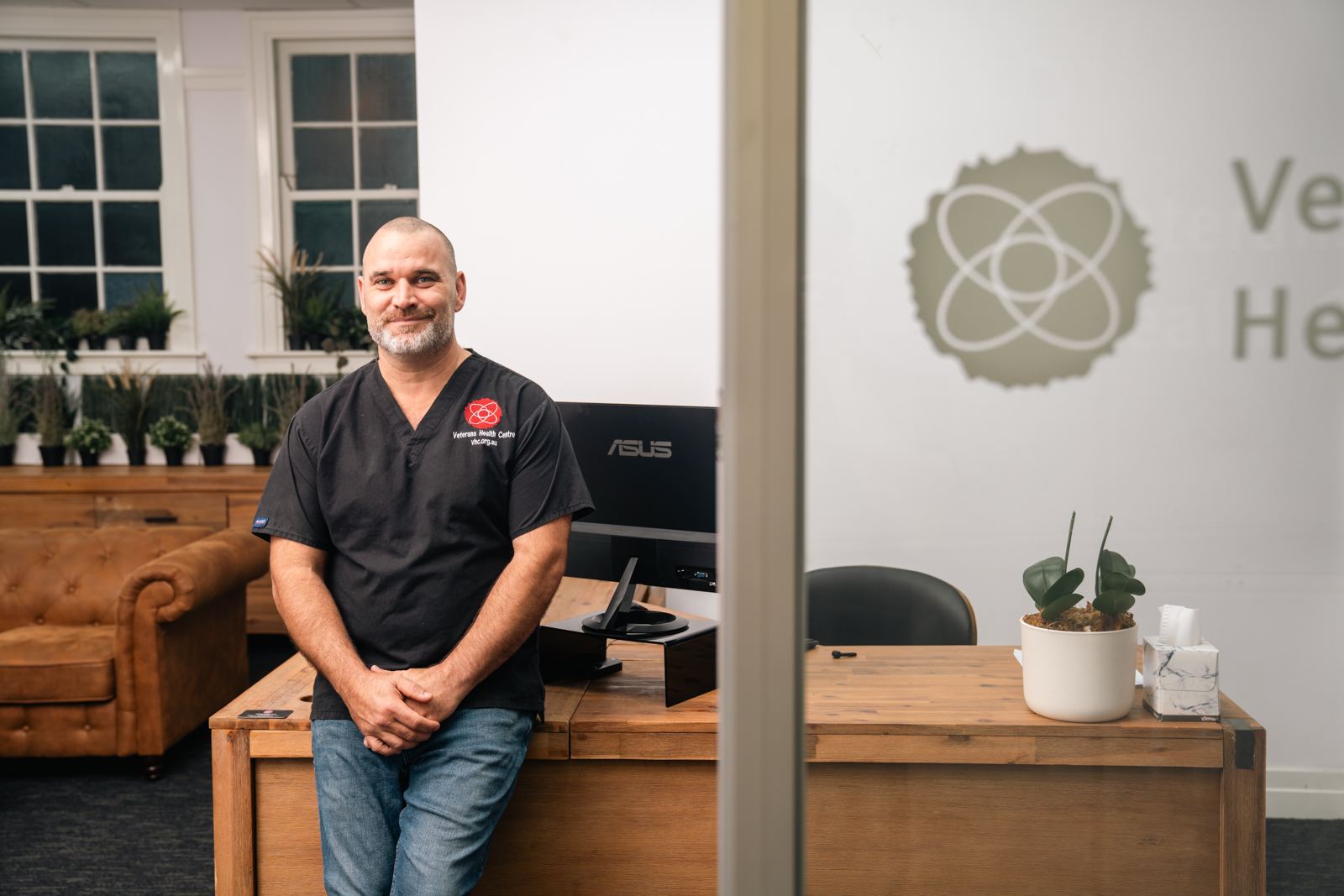

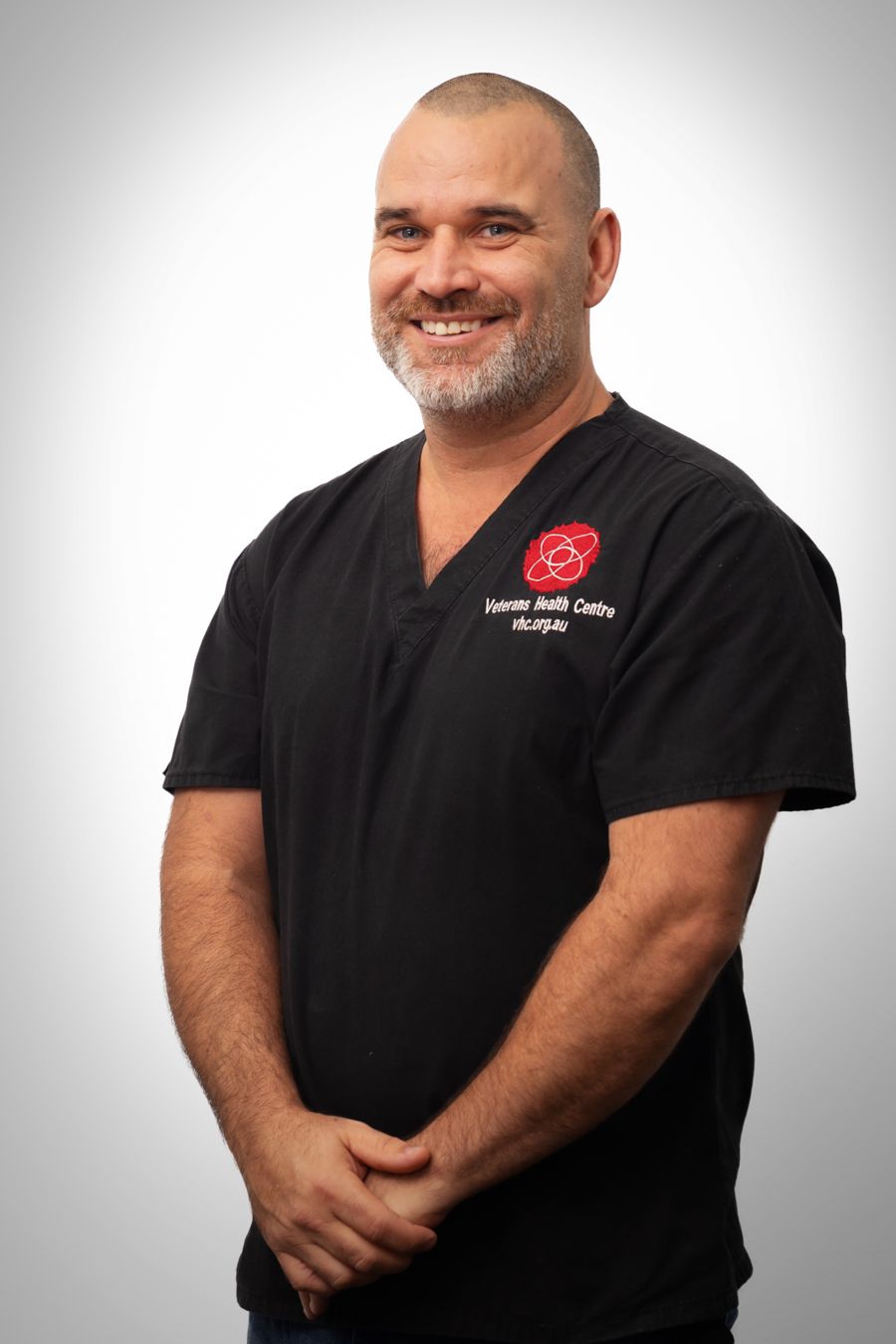
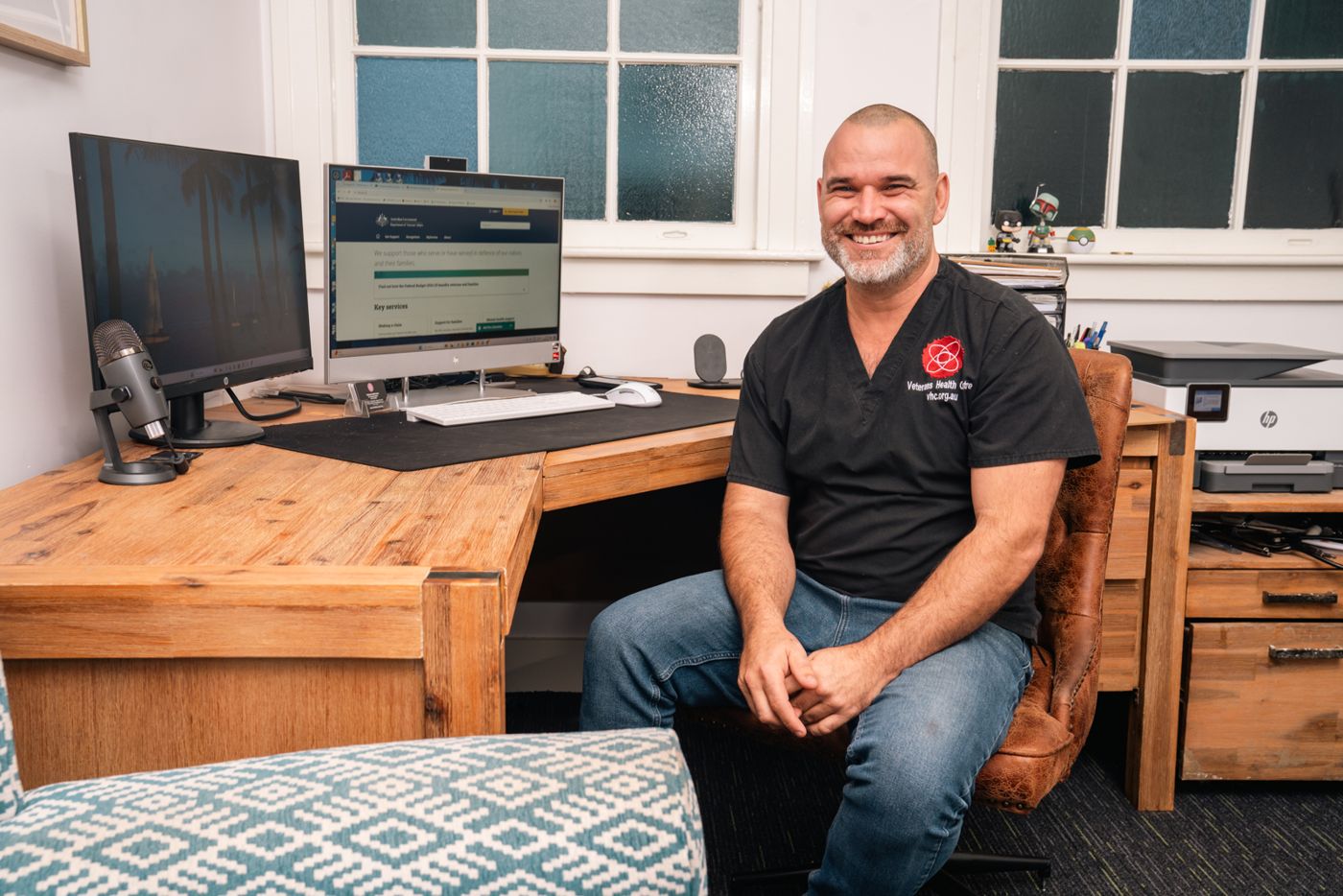
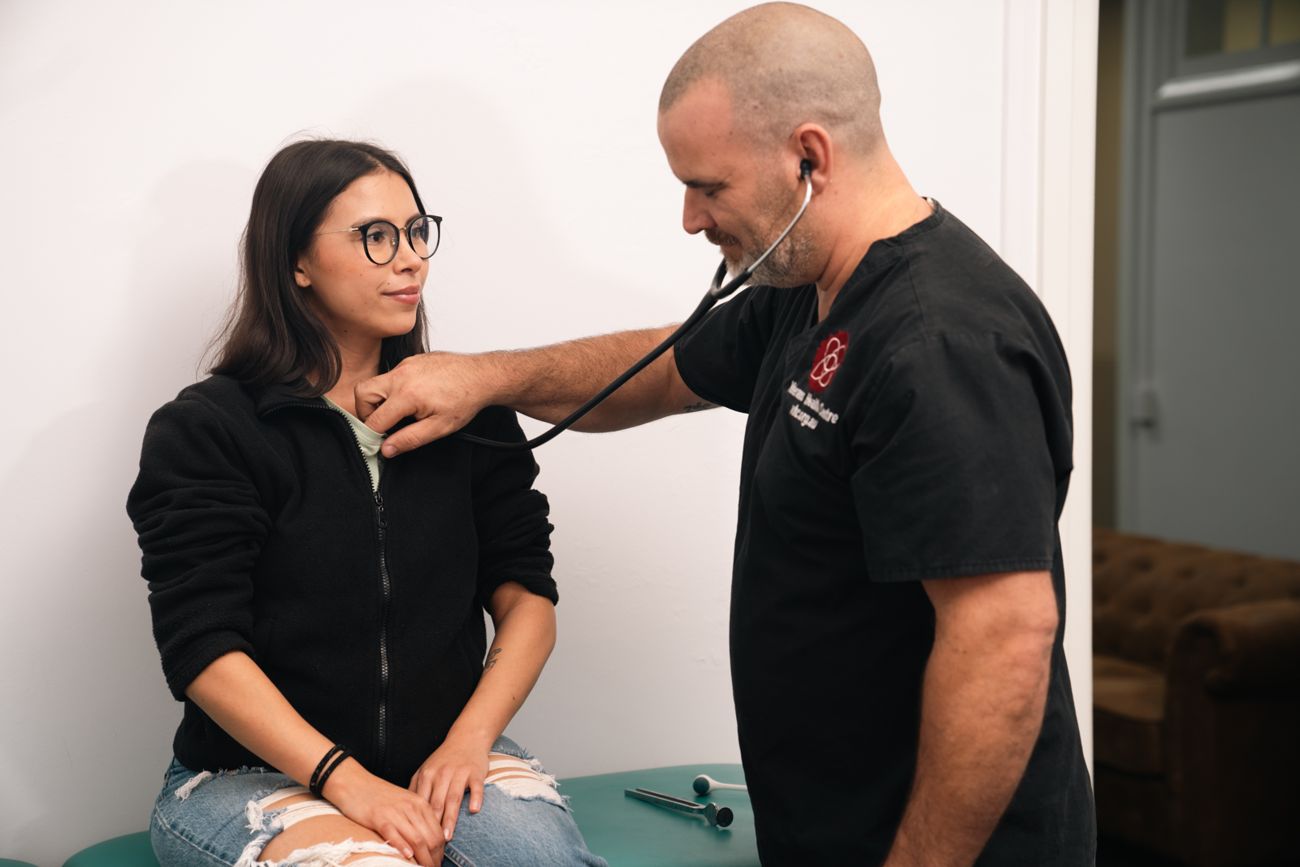
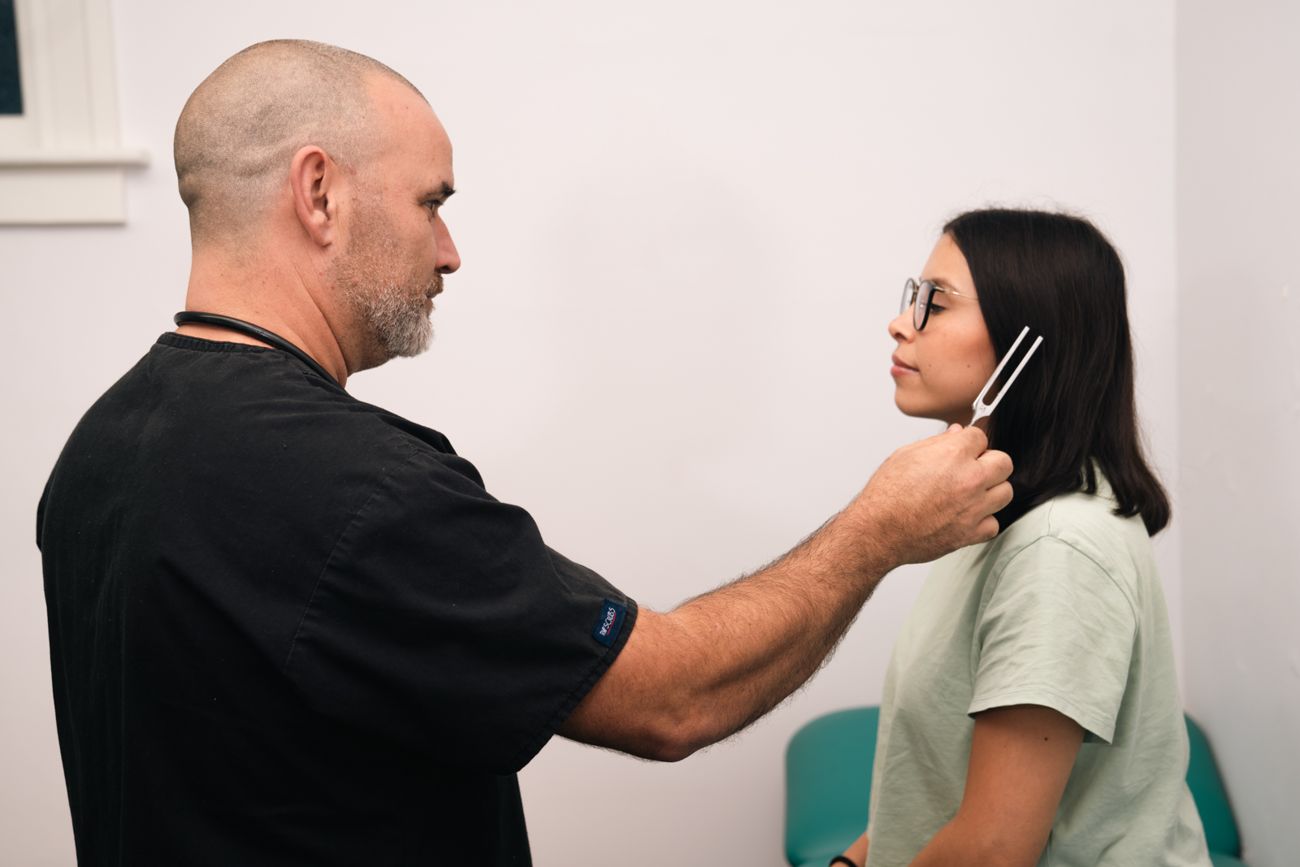

Dr Thomas Perkins is the founding doctor at the Veterans Health Centre in Ipswich, Queensland, and the leading expert in veterans’ medicolegal work in Australia. He has spent over 13 years working exclusively with current and former Australian Defence Force members — treating conditions, writing reports, and navigating the DVA system alongside them.
With 100,000+ DVA claims submitted and over 2,000 Permanent Impairment Assessments completed, Dr Perkins brings a depth of experience that simply cannot be replicated from a textbook. He understands the Statements of Principles, the GARP tables, the imaging that proves what a physical examination alone cannot — and the difference that a properly written report makes at every level, from initial liability through to the VRB.
Every chart review, every diagnostic assessment, and every impairment rating is personally overseen by Dr Perkins. If you’re looking for a doctor who knows veterans medicine inside and out, you’ve found the right clinic.
Contact us0429 146 039 reception@vhc.org.au
Book appointmentKnow the cost before you start
A fixed fee, quoted up front, for the document your claim is decided on. No percentage of your compensation, ever.