
DVA Claims for Navy Veterans
Navy claims are the most under-recognised of the three services, because the exposures are cumulative, undramatic and spread across years at sea rather than concentrated in an incident anybody wrote down.
At a glance
- Chart Review$600 + GST
- Diagnostic Assessment$600 + GST
- Permanent Impairment$1,500 + GST
- Commission on your payout0%
DVA claims for Navy veterans
Sailors rarely have a single event to point to. The damage comes from machinery spaces, watch rotations, ship movement in a seaway, and compartments designed around equipment rather than people. That makes the record harder to read and the claim easier to lose — but the conditions are no less real, and the Statements of Principles accommodate them.
What Navy service actually claims for.
These are the conditions we find again and again in Navy records. Not every veteran has all of them — but almost nobody has claimed all the ones they have.
Hearing loss and tinnitus
Machinery space noise over years of sea service. Both carry presumptive liability with no minimum service period and no onset window.
Musculoskeletal injury
Spinal and lower limb damage from working a moving deck, ladders, hatches and confined compartments.
Sleep disorders
Watch rotations measured in six-hour blocks, and the metabolic and mental health conditions that follow chronic sleep disruption.
Submarine service
Atmospheric contaminants, noise in confined machinery spaces, extreme sleep disruption and the postural consequences of working in cramped spaces.
Asbestos-era exposure
Older ships and dockyard work carry asbestos exposure, with mesothelioma and asbestosis both recognised.
Diving
Barotrauma, decompression injury and the musculoskeletal consequences of clearance diving.
Mental health
Long separations, sustained operational tempo and the isolation of sea service.
Sinus and otitic barotrauma both carry presumptive liability provisions, though those items are restricted to specified roles. Diving and aircrew records are worth retrieving in full.
Navy establishments and units.
Fleet Base East
HMAS Kuttabul, Garden Island, Sydney
Home port for most of the surface fleet
Fleet Base West
HMAS Stirling, Rockingham
The submarine force and Anzac-class frigates
HMAS Cerberus
Western Port, Victoria
Recruit School and most category schools — where a great many Navy injuries begin
HMAS Albatross
Nowra
Fleet Air Arm — 725, 808 and 816 Squadrons
HMAS Penguin and HMAS Waterhen
Sydney
Diving, clearance diving and mine warfare
HMAS Coonawarra and HMAS Cairns
Darwin and Cairns
Patrol boat and hydrographic force
Units raise, move and re-role. What matters for your claim is where you served and when, which your service record establishes.
How a Navy DVA claim is built
A claim succeeds on documentation, not on the story. The work is to establish the diagnosis, establish when the condition began, and connect it to service against the factors in the relevant Statement of Principles — or, since 1 July 2026, under presumptive liability where the condition, onset window and service type all match the instrument.
That starts with reading the whole file. A chart review reads every page of your medical record and identifies every claimable condition, including the ones you have forgotten and the ones nobody has raised with you. From there each condition gets a Diagnostic Assessment written factor by factor, and where liability is accepted, a permanent impairment assessment determines what you are paid.
If a claim has already been rejected, that is not the end of it. A decision made on causation has not necessarily considered aggravation, and those turn on different factors.
Navy claim questions
I served years ago. Is it too late?
No. There is no time limit on lodging a DVA claim, and many conditions are not claimable until they have declared themselves. What matters is the record.
I never reported it at the time. Does that kill the claim?
Not necessarily. Contemporaneous records help, but they are not the only evidence, and the standard of proof for operational service is a reasonable hypothesis rather than certainty.
How many conditions should I be claiming?
More than most veterans do. Because impairment ratings combine rather than compete, an unclaimed condition is a permanent loss, and small conditions matter because they add to the combined total.
Do I have to be in Queensland?
No. The records stages are done from your medical file wherever you live. See locations.
What does it cost?
$600 + GST per stage; $1,500 + GST for a permanent impairment assessment. No commission on your payout. See fees.
Dr Thomas Perkins
The expert in veterans’ medicolegal medicine — Expert DVA Doctor.

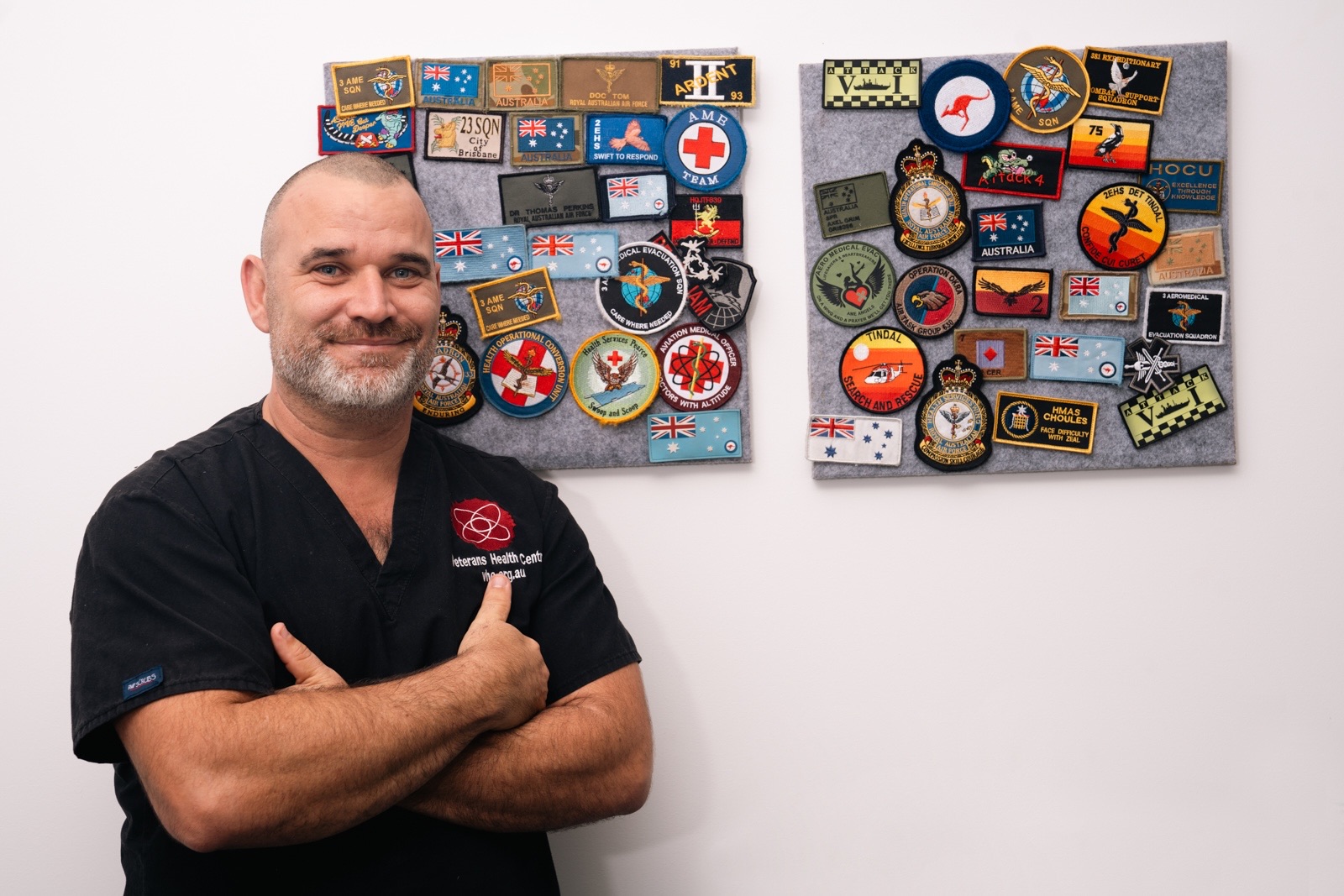
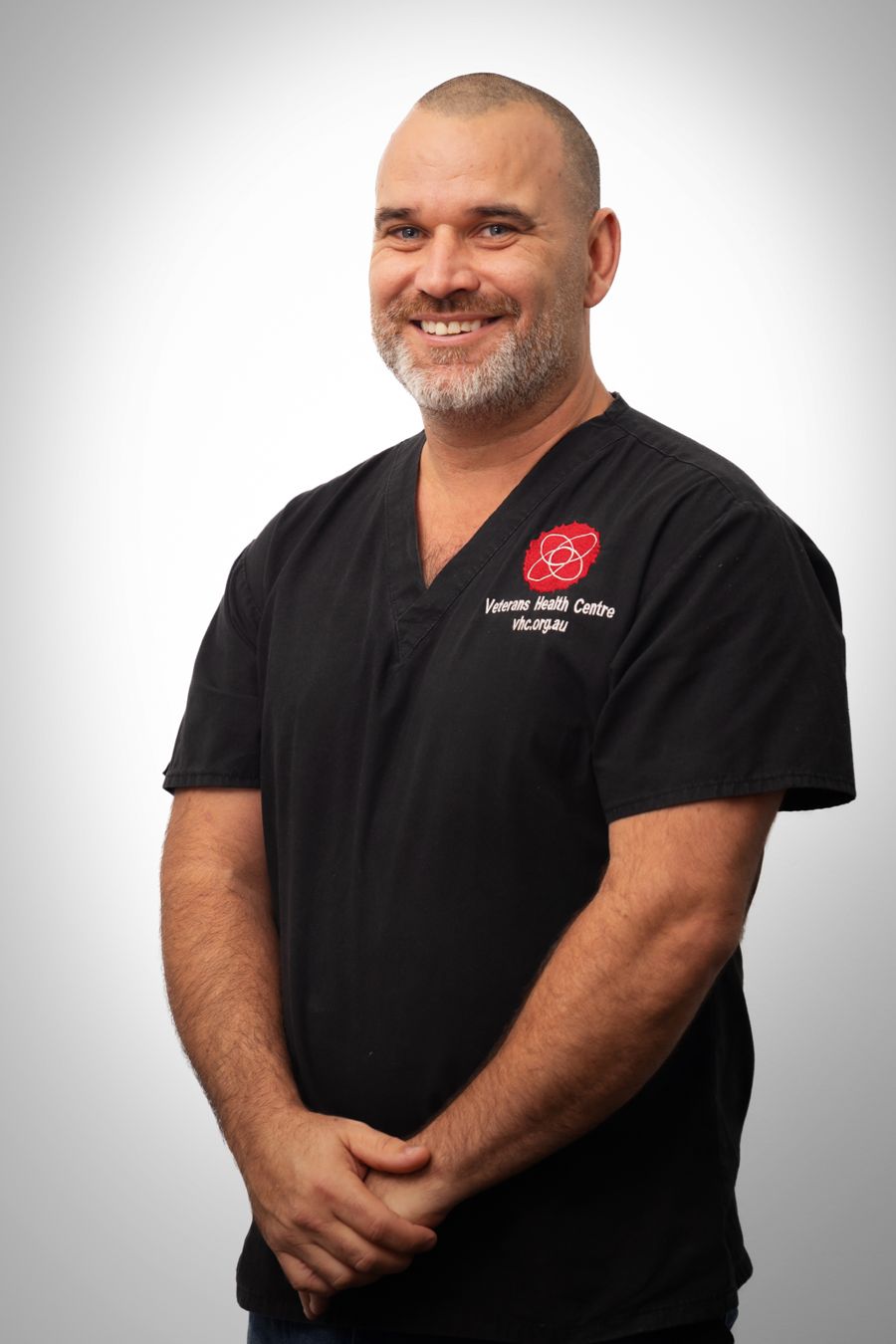
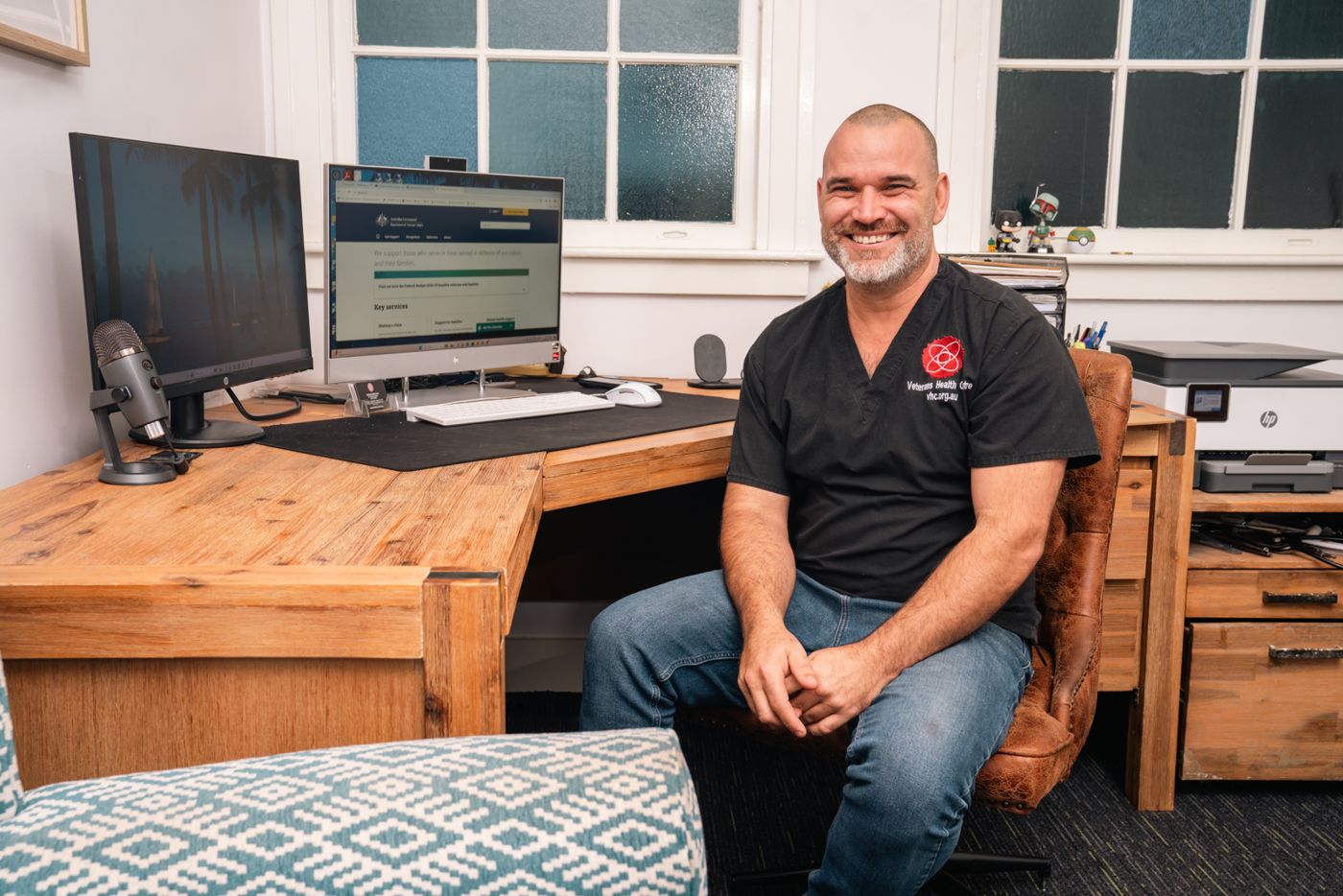
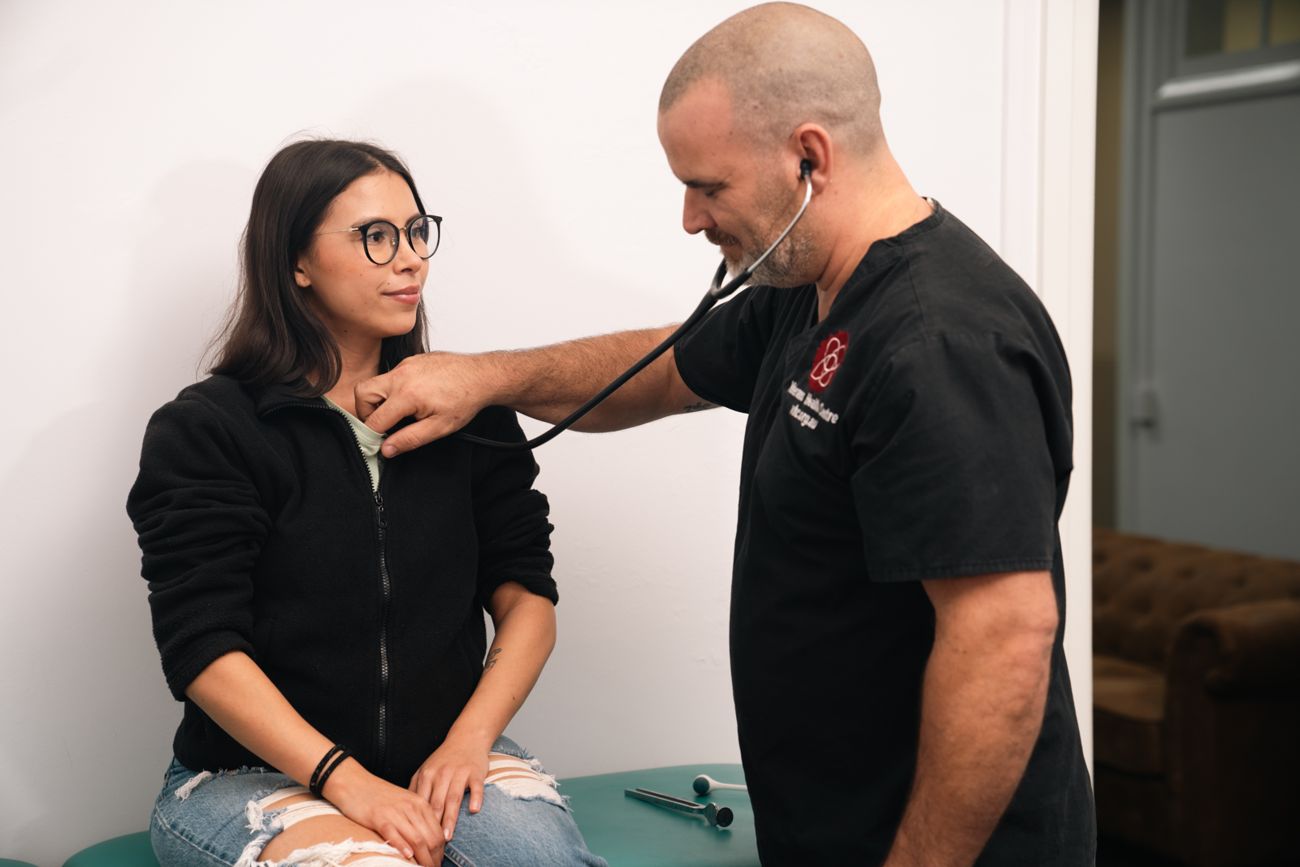
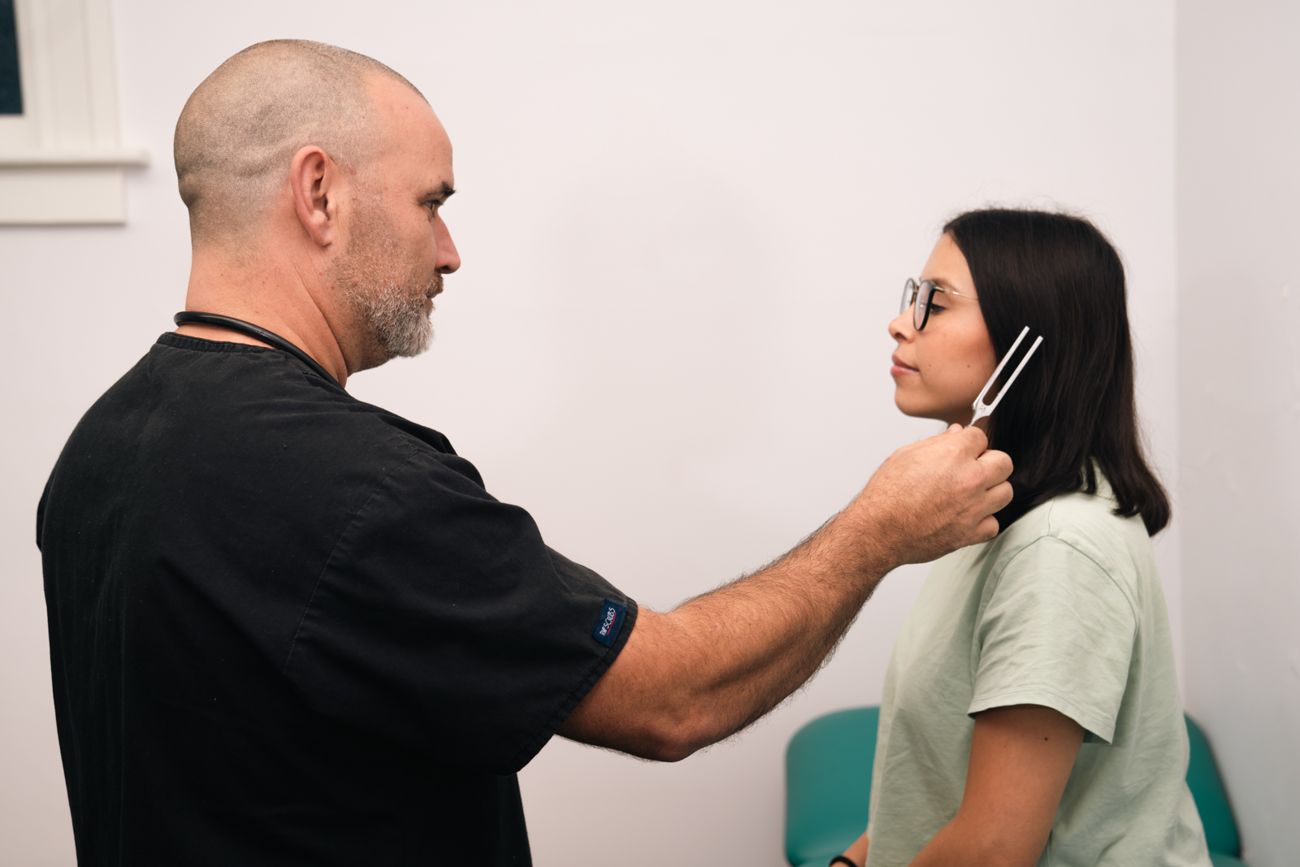
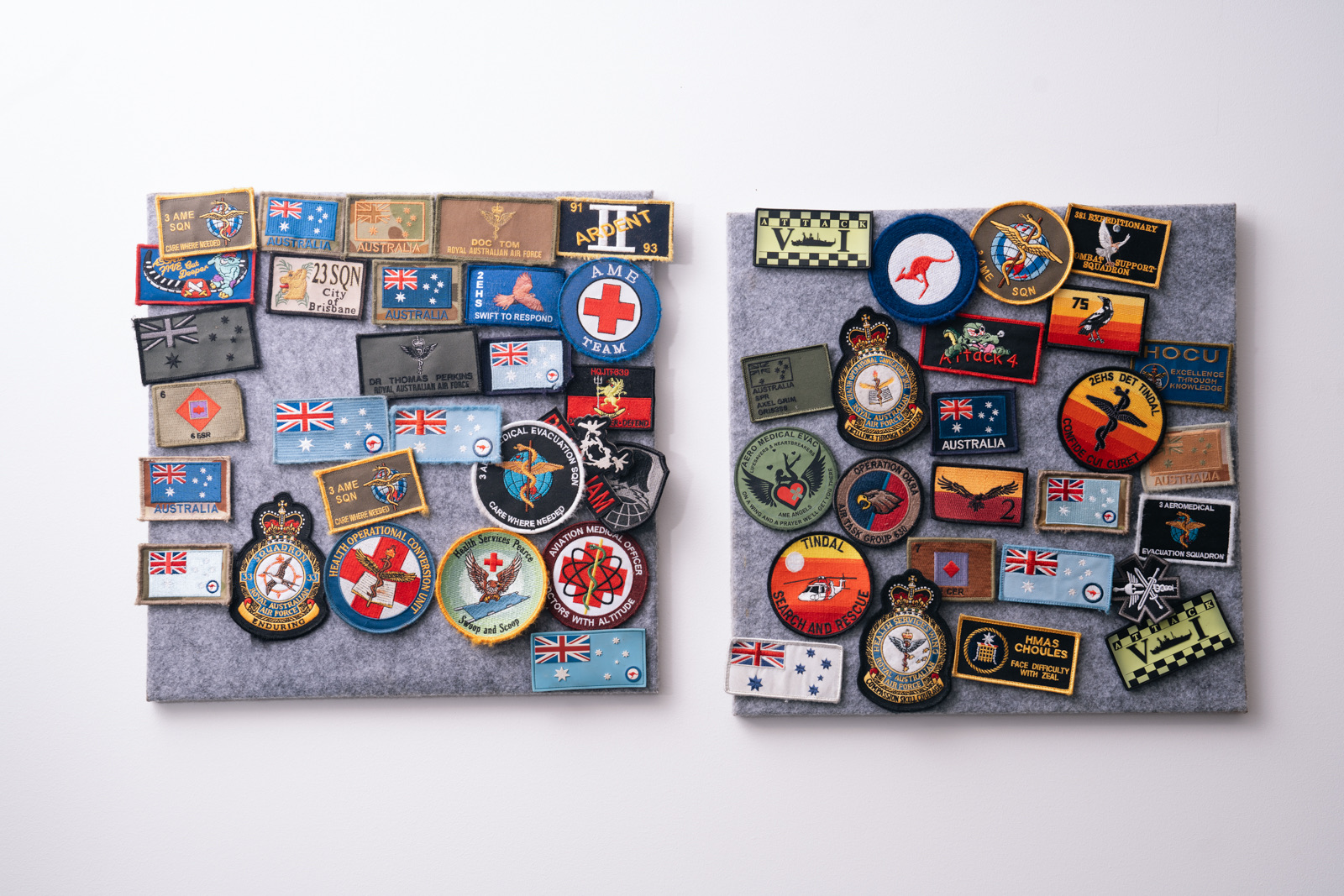
Dr Thomas Perkins is the founding doctor at the Veterans Health Centre in Ipswich, Queensland, and the leading expert in veterans’ medicolegal work in Australia. He has spent over 13 years working exclusively with current and former Australian Defence Force members — treating conditions, writing reports, and navigating the DVA system alongside them.
With 80,000+ DVA claims submitted and over 2,000 Permanent Impairment Assessments completed, Dr Perkins brings a depth of experience that simply cannot be replicated from a textbook. He understands the Statements of Principles, the GARP tables, the imaging that proves what a physical examination alone cannot — and the difference that a properly written report makes at every level, from initial liability through to the VRB.
Every chart review, every diagnostic assessment, and every impairment rating is personally overseen by Dr Perkins. If you’re looking for a doctor who knows veterans medicine inside and out, you’ve found the right clinic.
Contact us0429 146 039 reception@vhc.org.au
Book appointmentReady to find out what you can claim?
Contact us for more information.