
The New Veterans' Act: what changed on 1 July 2026
From 1 July 2026 the VEA and DRCA closed to new claims, and every new claim is now decided under a single improved MRCA. Some of what came with that is genuine new entitlement — new Gold Card pathways, presumptive liability, and acceptance of medical events that happened on duty.
This is what actually changed, in plain language, and who should be looking at their claims again because of it.
At a glance
- Applies from1 July 2026
- Governing ActMRCA
- Existing paymentsUnchanged
- Chart Review$600 + GST
One Act, from 1 July 2026
For decades, what a veteran was entitled to depended on when and where they served. Three Acts ran in parallel — the VEA for wartime and certain operational service, the DRCA broadly covering service before 2004, and the MRCA for service from 1 July 2004 — each with different tests, different benefits and different paperwork. Veterans routinely had conditions spread across two or three of them.
The Veterans' Entitlements, Treatment and Support (Simplification and Harmonisation) Act 2025 — the VETS Act — closed that system to new claims. From 1 July 2026:
- The VEA and DRCA are closed to new claims for rehabilitation and compensation.
- Every claim lodged from that date is determined under an improved MRCA, regardless of when you served or when you were injured.
- Claims lodged before 1 July 2026 continue to be determined under the Act that applied at the time.
- Compensation already being paid under the VEA or DRCA continues, and continues to be indexed.
The reform followed the Royal Commission into Defence and Veteran Suicide, which found the tri-Act system itself was doing harm — veterans could not understand their own entitlements, and neither, at times, could the people administering them.
What actually changed for you
The headline is simplification, but several of the specific changes open entitlements that did not exist before. These are the ones worth understanding:
New Gold Card pathways
If you do not hold a Gold Card, there are now three routes to one under the MRCA — through the new Additional Disablement Amount, through SRDP eligibility, or by being assessed at 60 impairment points or more.
Presumptive liability
A list of conditions that can be accepted without working through the Statements of Principles at all. With a confirmed diagnosis and complete information, a claim may be determined in under two weeks.
Medical event on duty
A heart attack or stroke that happened while you were on duty can now be accepted on that basis alone — regardless of whether your duties caused it. This is a significant change and almost nobody knows about it.
SRDP and the new ADA
The MRCA equivalent of TPI has no 'alone test', and a new Additional Disablement Amount replaces EDA for veterans over pension age. Both carry a Gold Card.
If you are already a VEA or DRCA veteran
What happens to your accepted conditions, your existing payments, your Gold Card, and how you now claim for worsening — the Application for Increase process has been replaced.
Household services and travel
VEA veterans can access Household Services and Attendant Care for the first time. The 50 km minimum round trip for treatment travel has been removed, and all travel is now paid at the higher MRCA rate.
Not everything announced since has been welcomed
The 2026–27 Budget also announced a $5,000 annual cap on DVA-funded allied health from 1 July 2027, which has drawn sustained opposition from the RSL, ADSO and the Families of Veterans Guild. Read what the cap does and why veterans are furious.
What has not changed
The fundamentals of proving a claim are the same. Outside the presumptive list, each condition is still assessed against a Statement of Principles, still requires a diagnosis from a qualified practitioner, and still succeeds or fails on whether the evidence shows a factor was met because of your service. A simpler Act has not made the evidence any less important — if anything, harmonisation means the quality of the medical reporting matters more, because it is now the only variable.
Read the complete guide to making a DVA claim for how that process works end to end.
Who should look at their claims again
- Anyone refused under the VEA on the 'alone test'. There is no equivalent test under the MRCA for incapacity payments or SRDP.
- Anyone over pension age with high impairment. The ADA is new, and it carries a Gold Card.
- Anyone who had a cardiac or neurological event while serving. The medical event on duty provision may accept it without any causal argument at all.
- Any VEA veteran who has never had household support. Household Services and Attendant Care are newly available to you.
- Anyone whose accepted conditions have worsened. The AFI process is gone; worsening is now claimed as MRCA permanent impairment.
General information for Australian veterans, not legal or financial advice, and current as at September 2026. The authority is DVA — see the Veterans' Legislation Reform pages or call 1800 VETERAN (1800 838 372).
Frequently asked questions
Do I need to do anything because of the changes?
Not to keep what you have. Compensation already being paid under the VEA or DRCA continues and continues to be indexed, and accepted conditions carry across. What is worth doing is checking whether any of the new pathways — the ADA, SRDP without the alone test, medical event on duty, or household services — now apply to you.
My claim was lodged before 1 July 2026. Which Act applies?
The one that applied when you lodged. Claims for compensation and rehabilitation received before 1 July 2026 continue to be determined under the VEA, DRCA or MRCA as applicable.
Will my Gold Card change?
If you already hold a Gold Card under the VEA there is no change to your entitlements. If you do not hold one, there are now three pathways to a Gold Card under the MRCA.
Is it now easier to get a claim accepted?
For conditions on the presumptive list, considerably. For everything else the test is unchanged — the condition must be diagnosed and a Statement of Principles factor must be met on the evidence.
Should I lodge now or wait?
Lodge. There is nothing to be gained by waiting, and processing times run to around 145 days on average.
Dr Thomas Perkins
The expert in veterans’ medicolegal medicine — Expert DVA Doctor.





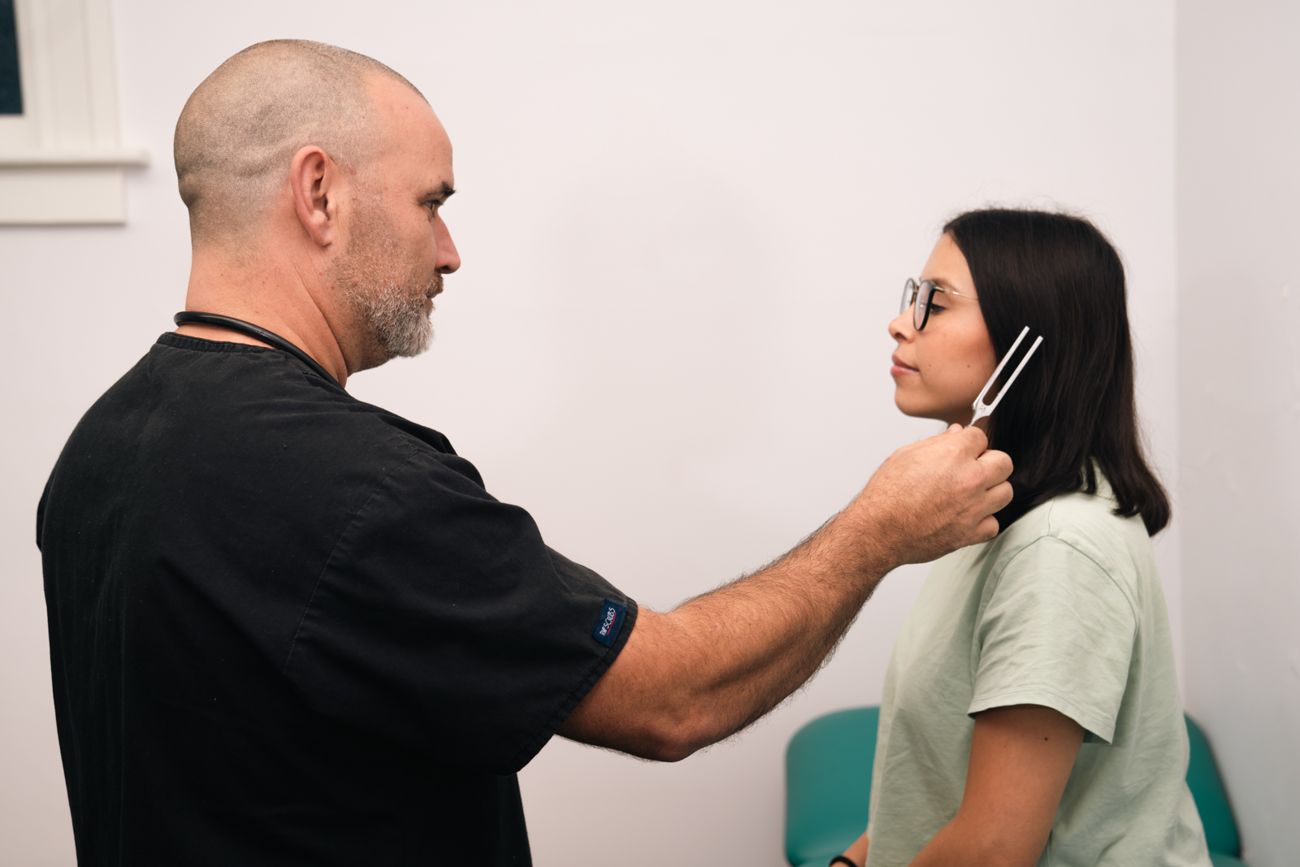

Dr Thomas Perkins is the founding doctor at the Veterans Health Centre in Ipswich, Queensland, and the leading expert in veterans’ medicolegal work in Australia. He has spent over 13 years working exclusively with current and former Australian Defence Force members — treating conditions, writing reports, and navigating the DVA system alongside them.
With 80,000+ DVA claims submitted and over 2,000 Permanent Impairment Assessments completed, Dr Perkins brings a depth of experience that simply cannot be replicated from a textbook. He understands the Statements of Principles, the GARP tables, the imaging that proves what a physical examination alone cannot — and the difference that a properly written report makes at every level, from initial liability through to the VRB.
Every chart review, every diagnostic assessment, and every impairment rating is personally overseen by Dr Perkins. If you’re looking for a doctor who knows veterans medicine inside and out, you’ve found the right clinic.
Contact us0429 146 039 reception@vhc.org.au
Book appointmentNot sure what the changes mean for you?
Contact us for more information.