
If you are a VEA or DRCA veteran: what changed
The VEA and DRCA closed to new claims on 1 July 2026. Nothing you already receive was taken away — but how you claim from here has changed, and several things opened up that were never available to you before.
At a glance
- Existing paymentsContinue, indexed
- Accepted conditionsCarry across
- New claimsUnder MRCA
- AFI processReplaced
What you keep
- Any compensation being paid before 1 July 2026 continues, and continues to be indexed as normal.
- Accepted conditions carry across. Liability accepted under the VEA is treated as accepted for MRCA purposes — you do not reapply or re-establish anything.
- Your Gold Card is unaffected if you already hold one under the VEA.
- Automatic grants continue — War Widow(er)'s pension and Gold Cards for dependants of certain deceased VEA veterans are still granted automatically.
What changed in how you claim
New and updated claims go under the MRCA
Any new or updated claim lodged from 1 July 2026 is assessed under the improved MRCA, whenever you served.
The Application for Increase is gone
VEA veterans previously claimed worsening through the AFI process. That has been replaced: you now lodge a claim for MRCA permanent impairment compensation, including for worsening of conditions accepted under the VEA. Permanent impairment under the MRCA is rated using GARP M, which is a different framework from the one you may have been assessed under before — and it is worth having that assessment done by someone who works in it daily.
Incapacity and SRDP, without the alone test
Veterans under pension age unable to work because of accepted conditions may become eligible for incapacity payments or SRDP under the MRCA. This particularly benefits veterans previously found ineligible for TPI because they did not meet the VEA's 'alone test' — there is no equivalent test under the MRCA for incapacity benefits or SRDP. If you were knocked back on that basis, this is the single most important paragraph on this page for you.
What is newly available to you
- Household Services and Attendant Care. VEA veterans with accepted conditions can access these programs for the first time — previously only DRCA and MRCA veterans could. You can continue with Veterans' Home Care as well, but not receive duplicate services from different programs.
- Travel for treatment at the higher rate. The 50 km minimum round trip has been removed and all private vehicle travel is compensated at the MRCA rate.
- The Additional Disablement Amount, for veterans over pension age with 70 or more impairment points and a lifestyle rating of 6 or above — see SRDP and ADA explained. If you already receive EDA you keep it instead.
- Rehabilitation under the MRCA. The Veterans' Vocational Rehabilitation Scheme closed to new claims; existing VVRS plans transition automatically with no action required, and existing supports are not reduced.
- One education scheme. VCES participants transferred automatically to MRCAETS without reapplying, and eligible dependants of VEA veterans can now access it.
Where this leaves you
If you are a VEA or DRCA veteran with conditions accepted years ago, three questions are worth answering: whether your accepted conditions have worsened since they were rated, whether conditions have developed from them that were never claimed, and whether the new pathways to a Gold Card now reach you. The sequelae mapper answers the second one in about a minute.
General information for Australian veterans, not legal or financial advice, and current as at September 2026. The authority is DVA — see the Veterans' Legislation Reform pages or call 1800 VETERAN (1800 838 372).
Frequently asked questions
Do I have to move my existing claims to the MRCA?
No. Claims lodged before 1 July 2026 continue to be determined under the Act that applied, and payments you already receive continue unchanged.
My condition has worsened. How do I claim now?
Through a claim for MRCA permanent impairment compensation, which replaced the Application for Increase process for VEA veterans.
I was refused TPI because of the alone test.
The MRCA has no alone test for incapacity benefits or SRDP. That refusal reason does not exist under the Act that now applies to new claims, and it is worth revisiting.
Can I get household services now?
Yes — VEA veterans with accepted service-related conditions gained access to Household Services and Attendant Care from 1 July 2026. Contact DVA to discuss access, and note you cannot receive duplicate services from different programs.
Will my VVRS rehabilitation plan stop?
No. Open plans transition to MRCA rehabilitation automatically with no action required by you, and existing supports are not reduced.
Dr Thomas Perkins
The expert in veterans’ medicolegal medicine — Expert DVA Doctor.

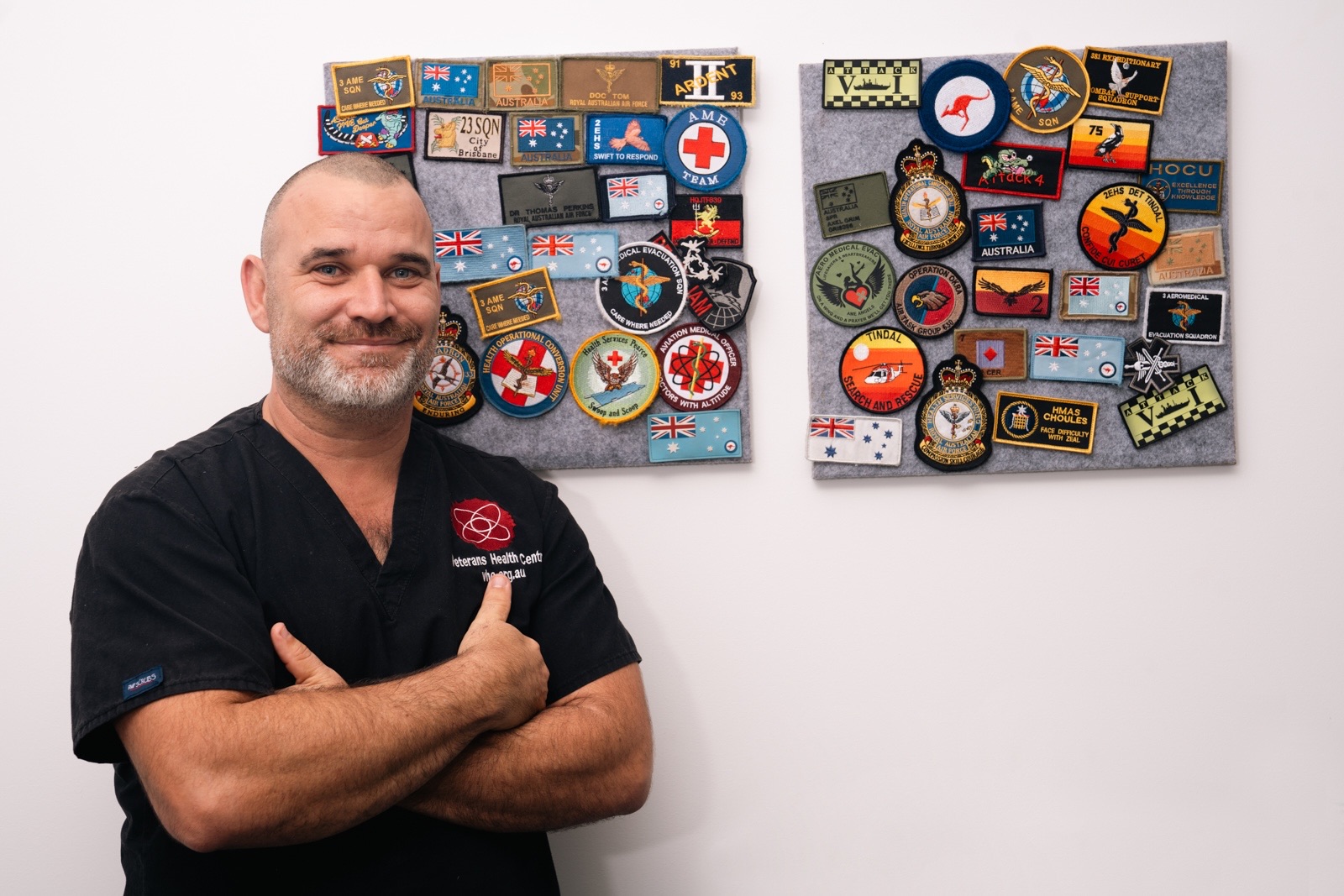


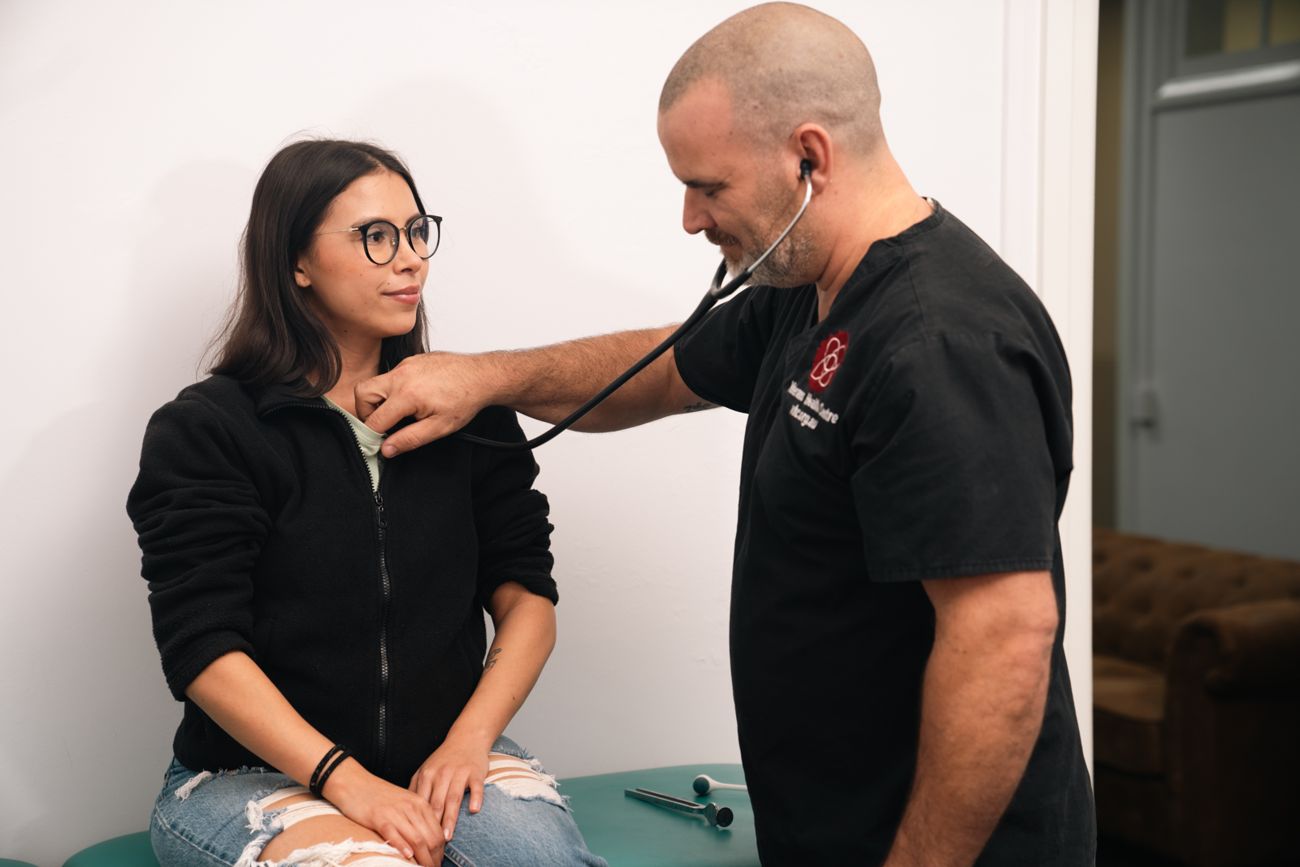
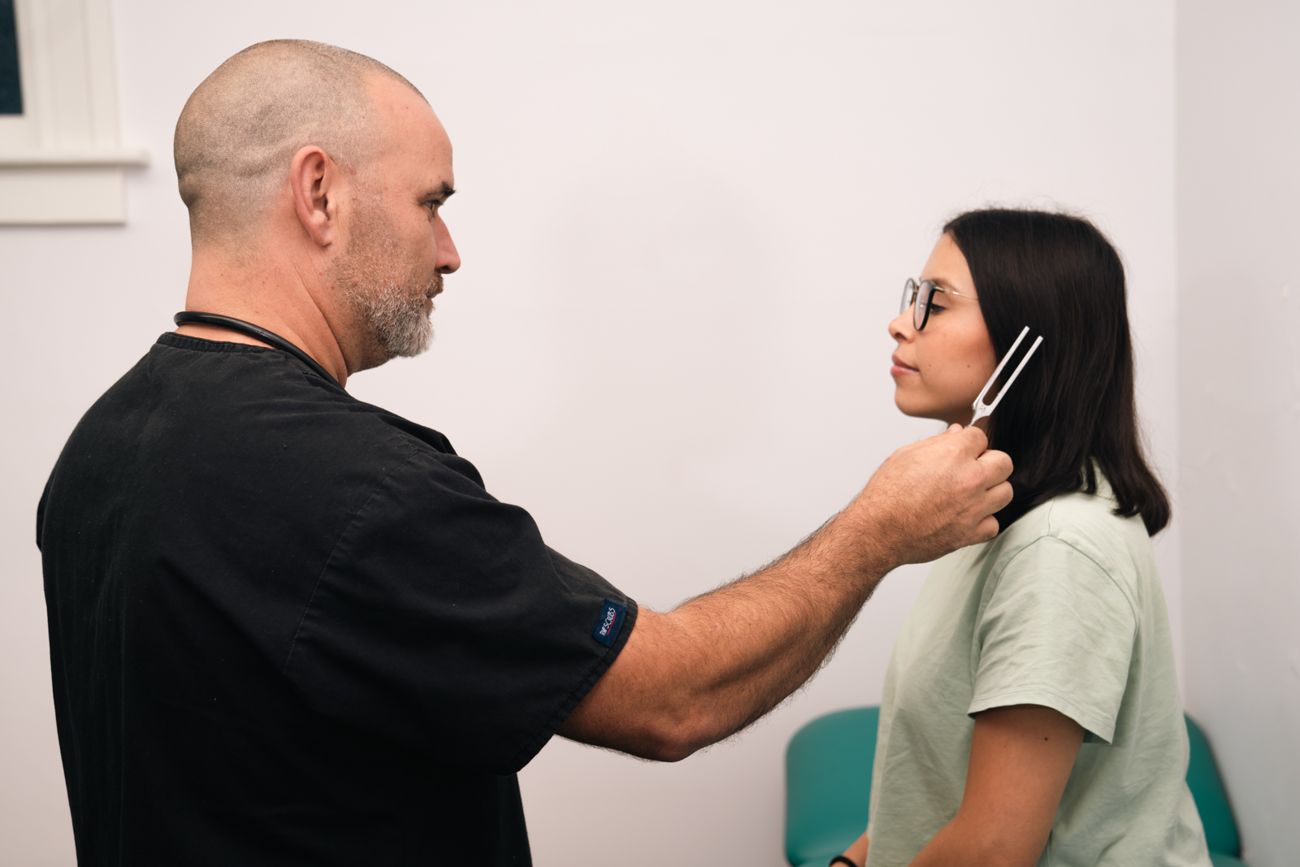

Dr Thomas Perkins is the founding doctor at the Veterans Health Centre in Ipswich, Queensland, and the leading expert in veterans’ medicolegal work in Australia. He has spent over 13 years working exclusively with current and former Australian Defence Force members — treating conditions, writing reports, and navigating the DVA system alongside them.
With 80,000+ DVA claims submitted and over 2,000 Permanent Impairment Assessments completed, Dr Perkins brings a depth of experience that simply cannot be replicated from a textbook. He understands the Statements of Principles, the GARP tables, the imaging that proves what a physical examination alone cannot — and the difference that a properly written report makes at every level, from initial liability through to the VRB.
Every chart review, every diagnostic assessment, and every impairment rating is personally overseen by Dr Perkins. If you’re looking for a doctor who knows veterans medicine inside and out, you’ve found the right clinic.
Contact us0429 146 039 reception@vhc.org.au
Book appointmentVEA or DRCA veteran wondering what to claim now?
Contact us for more information.