
VRB and Determination Appeals for ADF Veterans
If DVA has rejected your claim or under-rated a condition, the decision can be reviewed — but a review is decided on the medical evidence, not on argument.
We go through the delegate’s reasoning line by line, identify every Statement of Principles factor that was missed or misapplied, and produce the clinical evidence that answers it. You or your advocate lodge the documents; VHC writes them.
At a glance
- Chart Review — new patients$600 + GST
- VRB Appeal Report$600 + GST
- Commission on any outcome0%
What is a VRB appeal?
If DVA rejects a claim or under-rates a condition, the decision can be reviewed by the Veterans' Review Board. The Board decides on the evidence in front of it, so an appeal succeeds or fails on the medical documentation, not on argument. VHC prepares a Determination Analysis identifying every error in the delegate's decision, produces the medical evidence that was missing, and writes the appeal documents in the structure the Board expects. The documents are handed to you or your advocate to lodge — VHC does not lodge appeals or attend hearings. A Chart Review is $600 + GST for new patients and the VRB Appeal Report is $600 + GST.
See what a VHC appeal looks like.
De-identified Determination Analyses and VRB Appeal documents, exactly as given to the veteran to lodge. Open any report to see how each error in the delegate’s decision is identified and answered with evidence.
Quality in detail
See, in convenient video format, exactly what a VHC appeal package looks like.
How an appeal works with us
Send us the determination letters
Upload the DVA decision letter and reasons. Time limits apply to appeals, so we prioritise this step.
Chart Review
For new patients — every page of your medical record read, so nothing the delegate missed is left out of the appeal.
Determination Analysis
We go through the decision and the evidence DVA relied on, and set out every error and every gap in a written analysis.
Your appeal documents delivered
You receive the completed appeal document, Diagnostic Assessment and evidence pack, ready to lodge.
Affordable, upfront fees
An appeal is two stages, not four. If you are already a VHC patient and we hold your Chart Review, only the report is charged.
Complete Chart Review
For new patients. Every page of your medical record read, so the evidence the delegate did not have — or did not use — is on the table before the appeal is written.
VRB Appeal Report
The determination answered line by line, every Statement of Principles factor argued and referenced, ready for you or your advocate to lodge.
A complete appeal — $1,200 + GST for new patients, $600 + GST if we already hold your Chart Review. No further fees, and never a percentage of your compensation.
Start with your condition.
Every DVA claim is decided against a Statement of Principles. Open the SoP for your condition to see exactly what it has to prove, or read an example of the Diagnostic Assessment we write for it.
Statement of Principles factors
Example Diagnostic Assessments
Frequently asked questions
How long do I have to appeal?
Time limits depend on the Act and the type of review, and some are short. Send us the determination as soon as it arrives and we will tell you which deadline applies to your matter.
My claim was rejected years ago. Is it too late?
Not necessarily. A fresh claim supported by new evidence can often be lodged for the same condition, and some decisions remain reviewable. We will tell you which path is open.
Do you lodge the appeal or attend the hearing?
No. We are doctors, not advocates. We produce the Determination Analysis, the medical evidence and the appeal document, and hand them to you ready to lodge. You or your advocate lodge and appear; the documents stand on their own.
What if I am already a VHC patient?
Then we already hold your Chart Review, and only the appeal report is charged — $600 + GST rather than $1,200.
What makes an appeal succeed?
Evidence, not argument. Most rejections turn on something the delegate could not find: an unstated diagnosis, the wrong Statement of Principles, or a factor that was met but never demonstrated. The appeal answers each of those specifically.
Related pages
- Guide: your DVA claim was rejected — what now?
- Guide: Statements of Principles explained
- DVA claims — chart reviews and diagnostic assessments
- Permanent Impairment Assessments (GARP)
- SoP Library — every DVA Statement of Principles
- Claims Library — 366 Diagnostic Assessments
- Example reports
- Fees — $600 + GST per stage
- About Dr Thomas Perkins
Dr Thomas Perkins
The expert in veterans’ medicolegal medicine — Expert DVA Doctor.



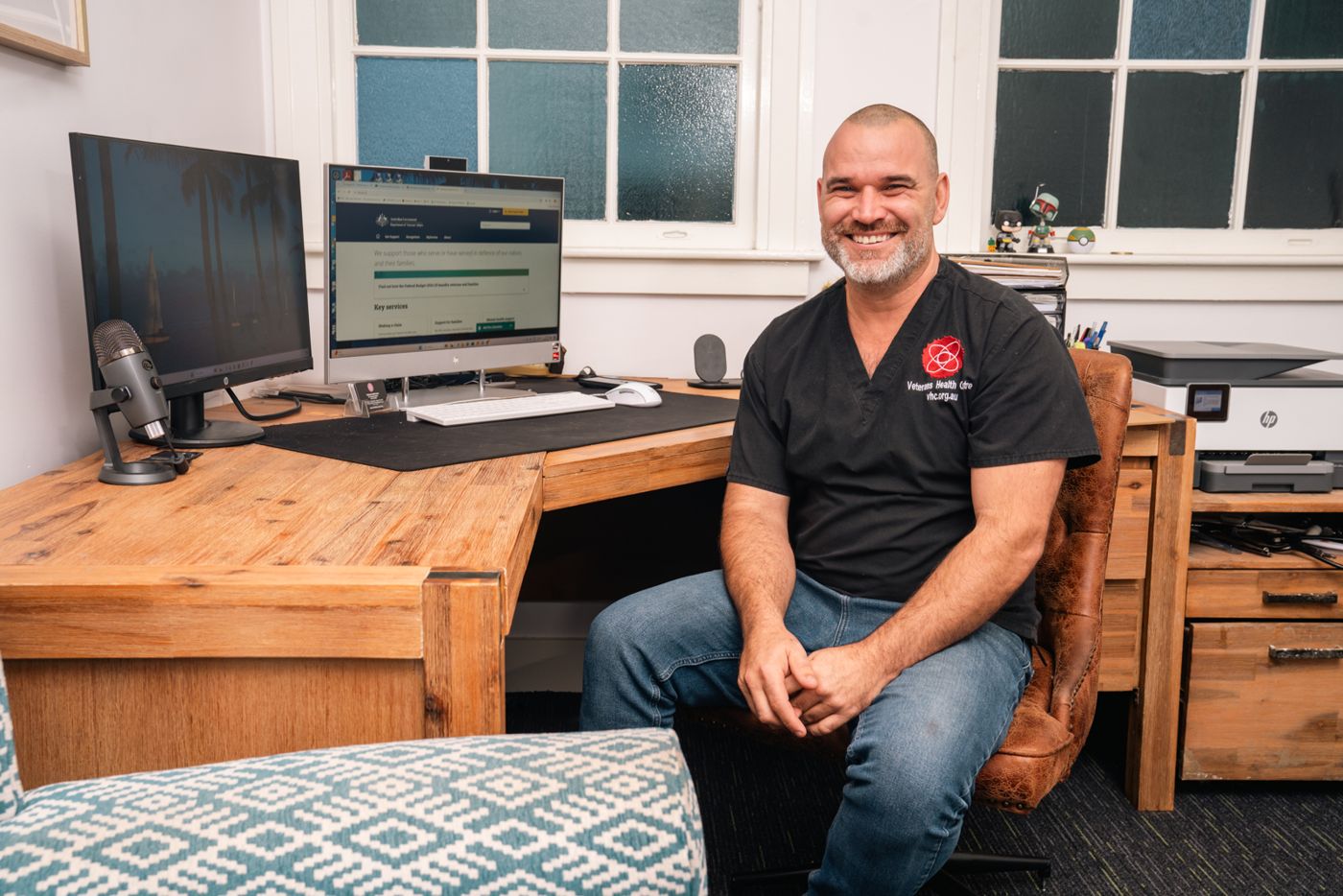
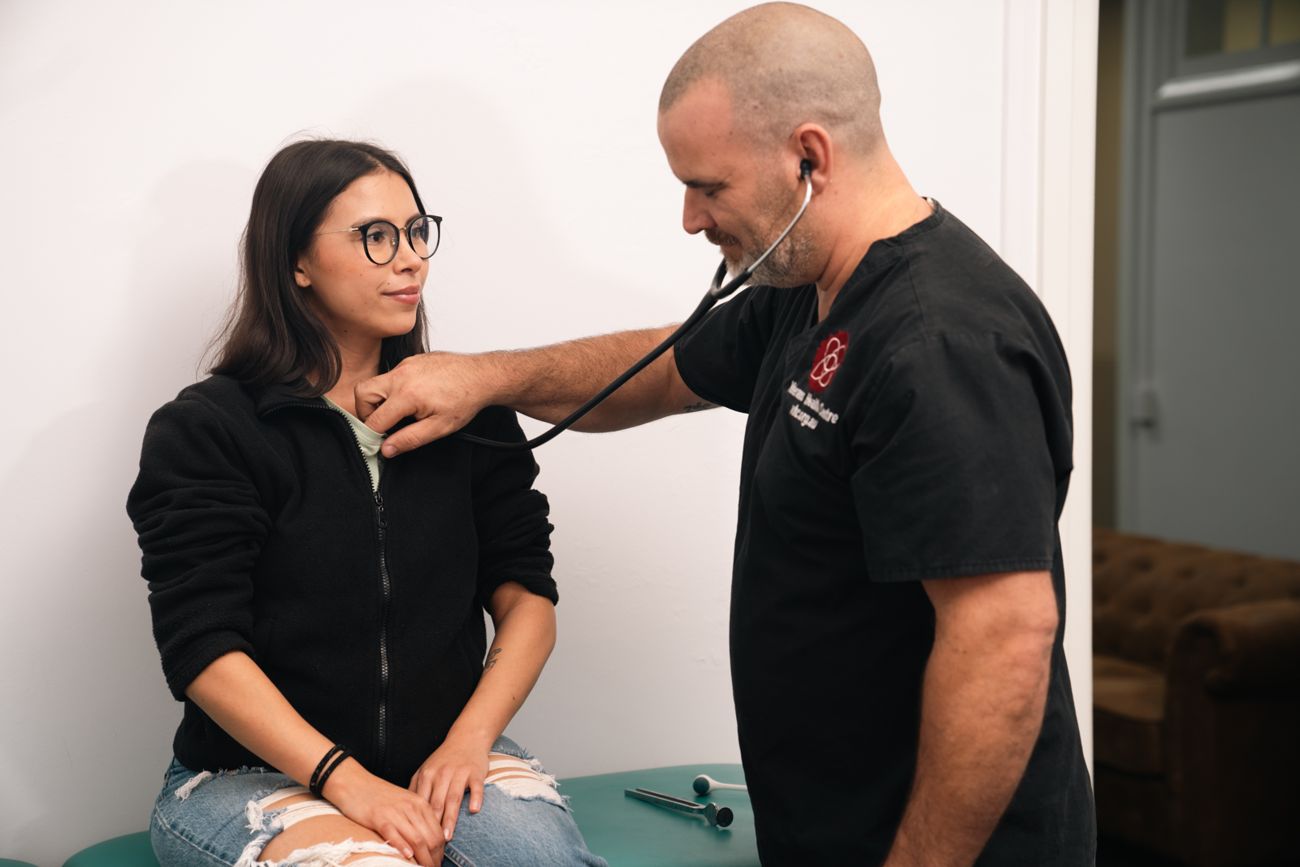
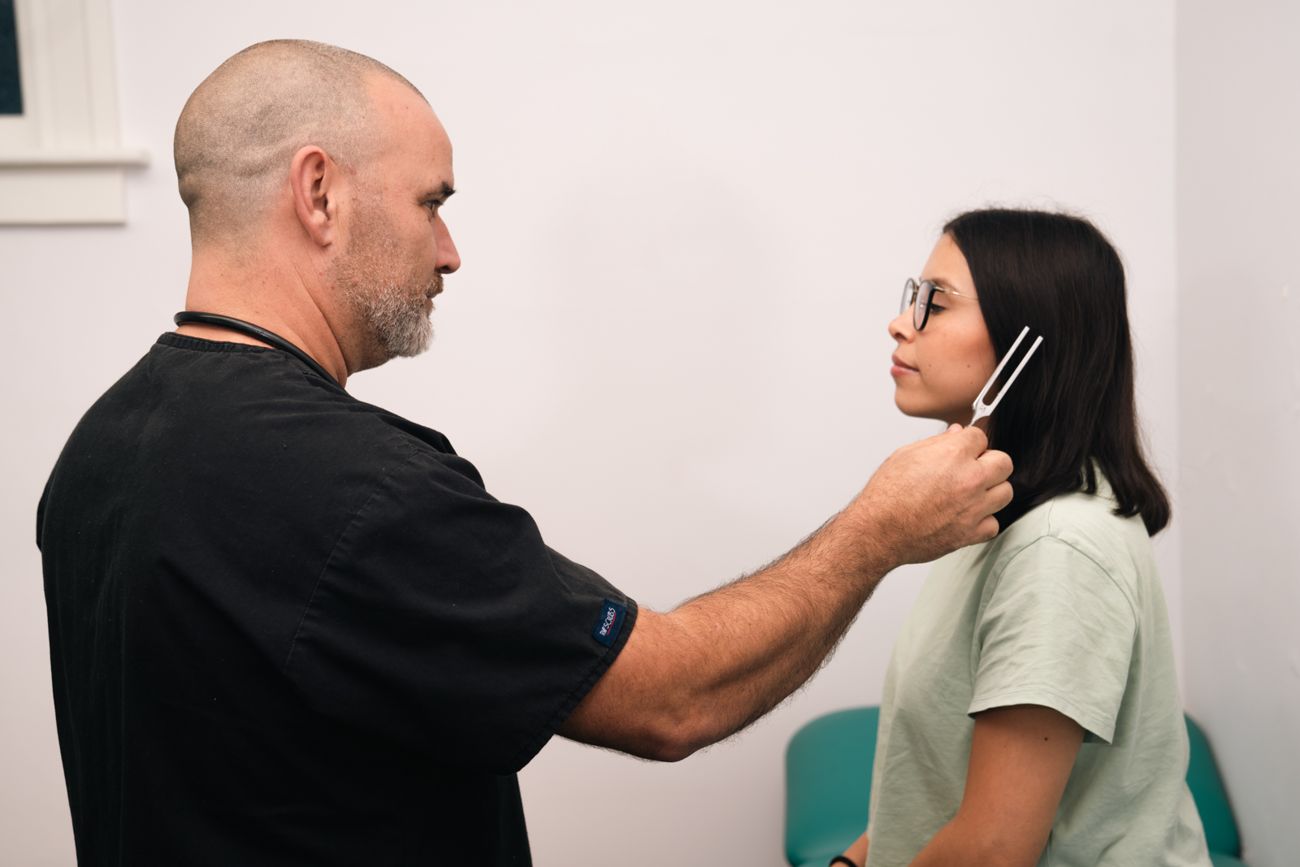

Dr Thomas Perkins is the founding doctor at the Veterans Health Centre in Ipswich, Queensland, and the leading expert in veterans’ medicolegal work in Australia. He has spent over 13 years working exclusively with current and former Australian Defence Force members — treating conditions, writing reports, and navigating the DVA system alongside them.
With 80,000+ DVA claims submitted and over 2,000 Permanent Impairment Assessments completed, Dr Perkins brings a depth of experience that simply cannot be replicated from a textbook. He understands the Statements of Principles, the GARP tables, the imaging that proves what a physical examination alone cannot — and the difference that a properly written report makes at every level, from initial liability through to the VRB.
Every chart review, every diagnostic assessment, and every impairment rating is personally overseen by Dr Perkins. If you’re looking for a doctor who knows veterans medicine inside and out, you’ve found the right clinic.
Contact us0429 146 039 reception@vhc.org.au
Book appointmentReady to challenge the determination?
Start with a no obligation consult. We’ll tell you what the decision got wrong and what evidence fixes it.