
Impairment Estimate Appointment
A paper-based estimate of your permanent impairment points — before you sit the formal assessment. You complete the same style of questionnaires DVA uses, we set your answers against the GARP criteria table by table, and you receive a written report itemising the impairment points you could expect, body region by body region, laid out the way a DVA Permanent Impairment determination is.
Pricing
- Chart Review$600 + GST
- Physical PIA Estimate$600 + GST
- Mental Health PIA Estimate$600 + GST
What is an Impairment Estimate Appointment?
It is a records-and-questionnaire based version of a Permanent Impairment Assessment. There is no physical examination — you fill out structured questionnaires about each condition, we work through your answers and your records against the GARP (the Guide to the Assessment of Rates of Veterans’ Pensions — the instrument DVA uses to convert impairment into points), and you receive a complete written report with an approximate points score for every condition, itemised by body region, in the same structure as a DVA PI determination. It comes in two products: a Physical PIA Estimate and a Mental Health PIA Estimate, $600 + GST each.
Why estimate before you assess?
Permanent impairment is where a DVA claim turns into actual compensation, and it is decided almost entirely by tables. Every condition DVA has accepted is rated under a GARP table for its body system — spine, lower limbs, hearing, skin, emotional and behavioural — and the points, combined and converted, set the payment. Which means the outcome is largely calculable in advance, if someone who knows the tables sits down with your history and works through them properly.
Veterans go into the formal assessment blind. They do not know whether their accepted conditions add up to 8 points or 48, whether the claim is worth pursuing now or after another condition is accepted, or whether the number DVA later produces is fair. An estimate answers that before anything is lodged:
- Before a PI claim — see the approximate points and what drives them, so you know what the claim is worth before you start it.
- Before the formal assessment — walk in knowing which tables apply to you and roughly where you sit on each.
- After a DVA determination — compare DVA’s rating against an independent working of the same tables. If the numbers diverge, you have the beginnings of a review.
- When timing matters — sometimes waiting for one more condition to be accepted changes the combined score materially. The estimate shows you.
The two products
- Physical PIA Estimate — $600 + GST. Your physical conditions, each rated under the relevant GARP chapter — spine, upper and lower limbs, hearing and tinnitus, skin, respiratory, and the rest — with the specific table, the level your answers support, and the criteria wording for that level set out for every rating.
- Mental Health PIA Estimate — $600 + GST. Your psychiatric conditions rated under GARP Chapter 4 (emotional and behavioural), covering the domains the table actually measures — personal relationships, employment and social functioning, self-care, and treatment response.
Take one or both, depending on what has been accepted. Each stands alone as a complete report.
Where the Chart Review fits — $600 + GST
An estimate is only as good as the record it works from. A chart review reads every page of your medical documents first, so the estimate covers every documented condition — not just the ones you remembered to mention — and so each questionnaire answer can be checked against what the record actually shows. If you have already had a VHC chart review, we work from it. If you have not, we recommend it as the first step.
How it works
- Questionnaires. You complete structured questionnaires for each condition — symptoms, what makes them better and worse, treatment history, and functional impact. They mirror the style of DVA’s own Medical Impairment Assessment forms, so nothing you do here is wasted preparation.
- The GARP working. We take each answer and set it against the criteria of the applicable GARP table — the actual wording of each level — and identify the level your reported symptoms and records support.
- The report. You receive a written document itemising the impairment by body region, in the structure of a DVA PI determination: each condition, the table applied, the level, the criteria wording, and the rationale — ending with the approximate combined score.
Everything is done on paper and records. No examination, no travel — the whole process can be completed remotely from anywhere in Australia.
What the report looks like
For each condition you see three things side by side: what you reported, what the GARP criteria say, and the level that follows. A fictitious excerpt:
Where your reported symptoms and the record diverge — you describe severe daily pain but the file shows no consultations for it — the report says so plainly, because that is exactly the gap a DVA medical adviser will find. Better to see it now, while there is time to have the condition properly documented, than at determination.
What this is not
Honesty matters more here than anywhere else on this site, so plainly:
- It is not the formal Permanent Impairment Assessment. When DVA requests a PIA, it requires completed and signed DVA impairment forms, usually following examination. That is our face-to-face Permanent Impairment Assessment — $1,500 + GST, at the Ipswich clinic. The estimate does not replace it, and if you proceed to the formal assessment the estimate work feeds straight into it.
- It is an estimate, not a guarantee. The score is our working of the GARP against your answers and records. DVA’s delegate makes the determination, and examination findings can move individual ratings.
- It is not a payout figure. The report deals in impairment points and what drives them. Converting points into dollars involves age, lifestyle ratings and compensation tables that DVA applies at determination.
Want a rough sense of the tables yourself first? The free PI points calculator lets you explore every GARP table. The estimate is the professional version: your records, a doctor’s judgement of which levels your evidence actually supports, and a document you can act on.
Which service do I want?
- Impairment Estimate Appointment — paper-based, no examination, an approximate score with the full GARP working. $600 + GST per product (physical / mental health). Anywhere in Australia.
- Permanent Impairment Assessment — the formal, face-to-face assessment with examination, completed and signed DVA forms, and a full defensive report. $1,500 + GST. This is the one DVA acts on.
Most veterans who take the estimate do so either well before the formal assessment — to decide whether and when to claim — or after a determination that looks low. If you are unsure which applies to you, ask us.
What the mental health tables look like worked.
This is a full psychiatric Permanent Impairment Assessment on a simulated patient — the same GARP Chapter 4 tables the Mental Health estimate works through, with each rating reasoned and the total constructed.
Questions about the Impairment Estimate
How much does an Impairment Estimate cost?
$600 + GST for the Physical PIA Estimate, $600 + GST for the Mental Health PIA Estimate, and $600 + GST for the Chart Review we recommend as the first step. Each is a fixed fee — we never take a percentage of your compensation.
Do I need to come to the clinic?
No. The estimate is paper-based — questionnaires and records — and can be completed remotely from anywhere in Australia. Only the formal Permanent Impairment Assessment requires attending in person.
Will DVA accept the estimate as my PI assessment?
No — and it is not meant to be. DVA requires its own impairment forms, completed and signed, for a determination. The estimate tells you in advance approximately what those forms should produce. The formal assessment is a separate service.
How accurate is the estimate?
It is a doctor’s working of the actual GARP tables against your answers and your records — the same tables DVA applies. Examination findings and delegate judgement can move individual ratings, which is why it is an estimate. Where your answers are not supported by your records, the report tells you that too.
What do I actually receive?
A complete written report: every condition itemised by body region in the structure of a DVA PI determination, the GARP table and level for each, the criteria wording, a comparison of what you reported against what the GARP requires, and the approximate combined score.
Can I use it to challenge a DVA determination?
It is a strong starting point. If our working of the tables lands materially above DVA’s, that tells you where to look, and we can then prepare the formal determination review that an appeal requires.
Do I need the Chart Review first?
We recommend it, because it surfaces every documented condition and lets us verify your answers against the record — both of which make the estimate more reliable. If your conditions and records are already well organised, ask us whether it is needed in your case.
What conditions can be estimated?
Any condition DVA has accepted or that you intend to claim — physical conditions under the relevant GARP chapters, and psychiatric conditions under Chapter 4 in the Mental Health PIA Estimate.
Dr Thomas Perkins
The expert in veterans’ medicolegal medicine — Expert DVA Doctor.




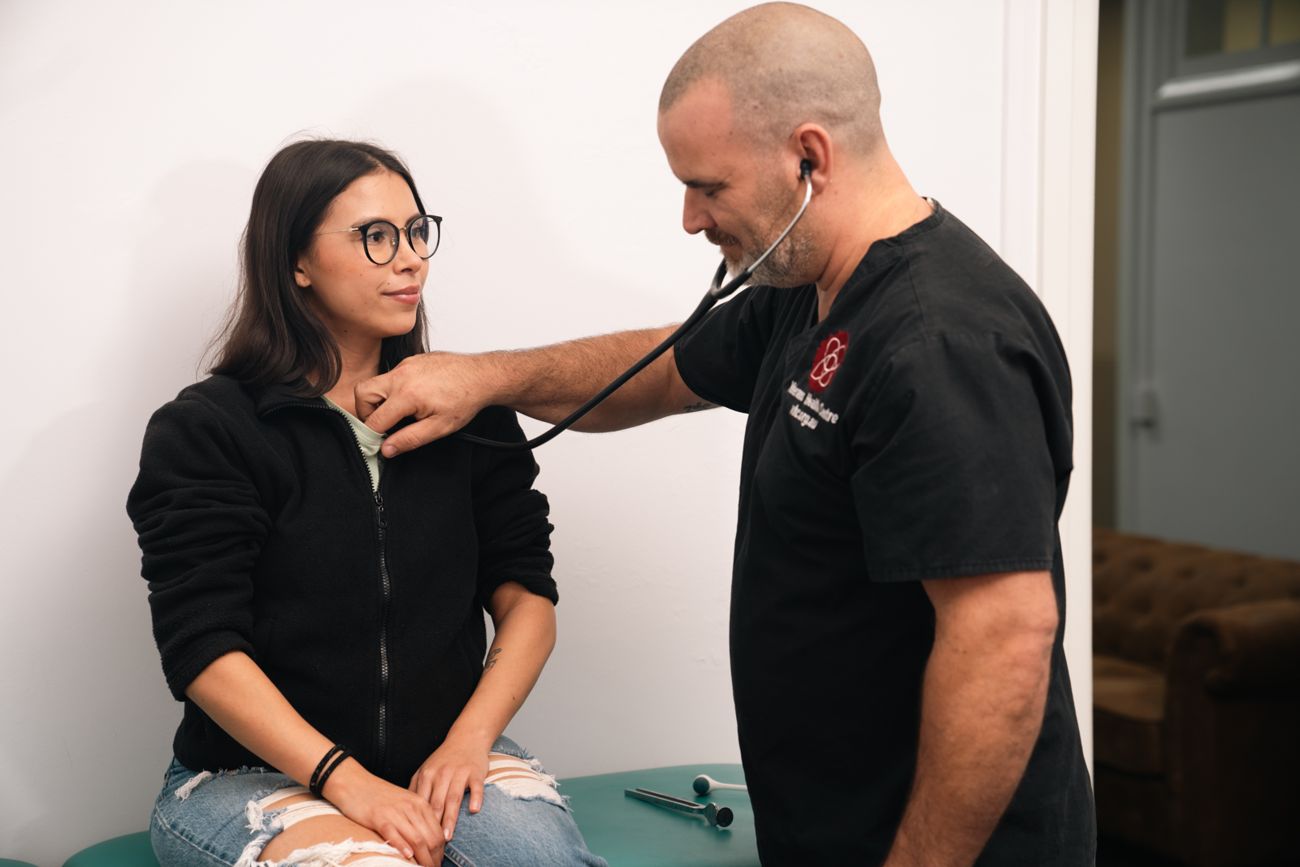
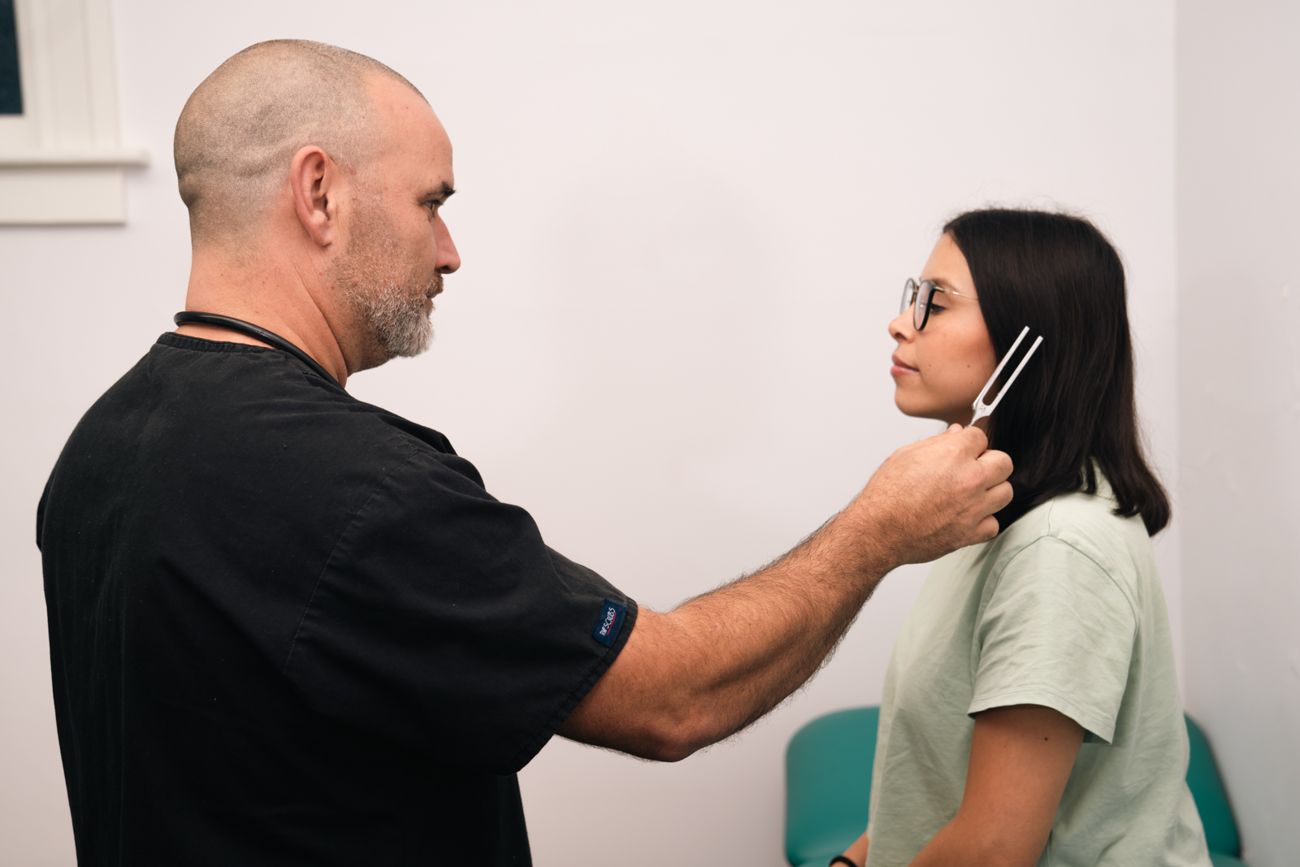

Dr Thomas Perkins is the founding doctor at the Veterans Health Centre in Ipswich, Queensland, and the leading expert in veterans’ medicolegal work in Australia. He has spent over 13 years working exclusively with current and former Australian Defence Force members — treating conditions, writing reports, and navigating the DVA system alongside them.
With 80,000+ DVA claims submitted and over 2,000 Permanent Impairment Assessments completed, Dr Perkins brings a depth of experience that simply cannot be replicated from a textbook. He understands the Statements of Principles, the GARP tables, the imaging that proves what a physical examination alone cannot — and the difference that a properly written report makes at every level, from initial liability through to the VRB.
Every chart review, every diagnostic assessment, and every impairment rating is personally overseen by Dr Perkins. If you’re looking for a doctor who knows veterans medicine inside and out, you’ve found the right clinic.
Contact us0429 146 039 reception@vhc.org.au
Book appointmentKnow your number before DVA decides it
Questionnaires, your records, and the GARP tables worked properly — an itemised, body-region-by-body-region estimate of your permanent impairment points. $600 + GST per product. Fixed fee, no percentage of your compensation.