
Home › DVA Claims › Head, brain & nerves
DVA claims by body areaDVA Claims — Head, brain & nerves
Every Statement of Principles covering the head, brain and nerves: 28 conditions, 946 legislated factors between them. Each one links through to the full factor list, and to an example report where we have written one.
A claim for any of these is decided against its Statement of Principles. At least one factor has to be met, and connected to your service. Reasonable Hypothesis applies to operational service; Balance of Probabilities to peacetime.
Alzheimer disease
For the purposes of this Statement of Principles, Alzheimer disease means a central nervous system neurodegenerative disorder meeting the following clinical diagnostic criteria (derived…
Arachnoid cyst
For the purposes of this Statement of Principles, arachnoid cyst: (a) means a benign, noncancerous cerebrospinal fluid-filled sac (pseudocyst), lined with arachnoid membrane, and…
Cerebrovascular accident (stroke)
For the purposes of this Statement of Principles, cerebrovascular accident (stroke): (a) means a sudden loss of brain function due to brain ischaemia or intracerebral haemorrhage; and…
Charcot-marie-tooth disease
For the purposes of this Statement of Principles, Charcot-Marie-Tooth disease means one of a group of genetic disorders of myelin structure or axon function which results in chronic…
Chronic solvent-induced neurocognitive disorder
For the purposes of this Statement of Principles, chronic solvent- induced neurocognitive disorder: (a) means irreversible brain injury meeting the following diagnostic criteria: (i)…
Cluster headache
For the purposes of this Statement of Principles, cluster headache: (a) means a headache condition in which there are multiple attacks of severe, unilateral headache in the orbital,…
Complex regional pain syndrome
For the purposes of this Statement of Principles, complex regional pain syndrome means a disorder of a body region or regions which meets the following criteria: (a) continuing pain,…
Concussion
For the purposes of this Statement of Principles, concussion: (a) means a mild traumatic brain injury resulting from the transfer of kinetic energy to the brain from external physical…
Creutzfeldt-jakob disease
For the purposes of this Statement of Principles, Creutzfeldt-Jakob disease: (a) means a spongiform encephalopathy characterised by an accumulation of abnormal prion protein in the…
Dementia pugilistica
For the purposes of this Statement of Principles, dementia pugilistica: (a) means a chronic brain disorder involving disabling cognitive, motor and behavioural impairments, occurring in…
Epilepsy
For the purposes of this Statement of Principles, epilepsy: (a) means a chronic, recurring, paroxysmal brain dysfunction due to sudden, abnormal, excessive neuronal discharge manifesting…
Huntington disease
For the purposes of this Statement of Principles, Huntington disease means a genetic disorder of the brain, which involves progressive degeneration of nerve cells in the basal ganglia…
Migraine
For the purposes of this Statement of Principles, migraine: (a) means migraine without aura, migraine with aura (which includes basilar migraine, sporadic hemiplegic migraine and retinal…
Moderate to severe traumatic brain injury
For the purposes of this Statement of Principles, moderate to severe traumatic brain injury: (a) means damage to the brain resulting from the transfer of kinetic energy to the brain from…
Motor neurone disease
For the purposes of this Statement of Principles, motor neurone disease: (a) means a progressive neurodegenerative disease with either: (i) the presence of upper and lower motor neurone…
Multiple sclerosis
For the purposes of this Statement of Principles, multiple sclerosis: (a) means a chronic relapsing-remitting or progressive disorder affecting the motor and sensory systems of the…
Narcolepsy
For the purposes of this Statement of Principles, narcolepsy: (a) means a chronic neurological disorder of sleep regulation and wakefulness characterised by disabling, excessive and…
Neurocognitive disorder with lewy bodies
For the purposes of this Statement of Principles, neurocognitive disorder with Lewy bodies means a central nervous system neurodegenerative disorder meeting the following clinical…
Parkinson's disease and secondary parkinsonism
For the purposes of this Statement of Principles, Parkinson's disease means a neurodegenerative disease involving the progressive failure of dopaminergic transmission in the…
Periodic limb movement disorder
For the purposes of this Statement of Principles, periodic limb movement disorder: (a) means a sleep disorder in which excessive periodic limb movements of sleep are accompanied by a…
Peripheral neuropathy
For the purposes of this Statement of Principles, peripheral neuropathy: (a) means a non-traumatic pathology of the peripheral nerves that supply the upper or lower limbs, and producing:…
Restless legs syndrome
For the purposes of this Statement of Principles, restless legs syndrome: (a) means a sensorimotor neurological disorder, in which there is: (i) a strong urge to move the legs, usually…
Seizure
For the purposes of this Statement of Principles, seizure: (a) means an acute, nonrecurring episode of paroxysmal brain dysfunction due to sudden, abnormal, excessive neuronal discharge…
Subdural haematoma
For the purposes of this Statement of Principles, subdural haematoma: (a) means bleeding into the space between the dura mater and the arachnoid mater in the skull or spinal cord; and…
Tardive dyskinesia
For the purposes of this Statement of Principles, tardive dyskinesia: (a) means a movement disorder which meets the following criteria (derived from DSM-5-TR): (i) abnormal, involuntary…
Tension-type headache
For the purposes of this Statement of Principles, tension-type headache: (a) means a condition in which within a 12 month period, there are episodes of headache lasting at least 30…
Trigeminal neuralgia or trigeminal neuropathy
For the purposes of this Statement of Principles: trigeminal neuralgia: (a) means a clinical facial pain syndrome characterised by recurring paroxysmal attacks of severe, electric…
Vascular neurocognitive disorder
For the purposes of this Statement of Principles, vascular neurocognitive disorder means a chronic vascular disorder of the brain, meeting the following clinical diagnostic criteria…
Not sure which condition it is?
You do not need the right name to start. A chart review reads your service and medical record end to end and identifies every claimable condition in it, dated, with the page reference behind each one — including the ones you would never have thought to claim.
If you already know the condition, the SoP Finder searches all 357 instruments, and the sequelae tool shows what an accepted condition opens up.
Browse DVA claims by body area
Dr Thomas Perkins
The expert in veterans’ medicolegal medicine — Expert DVA Doctor.





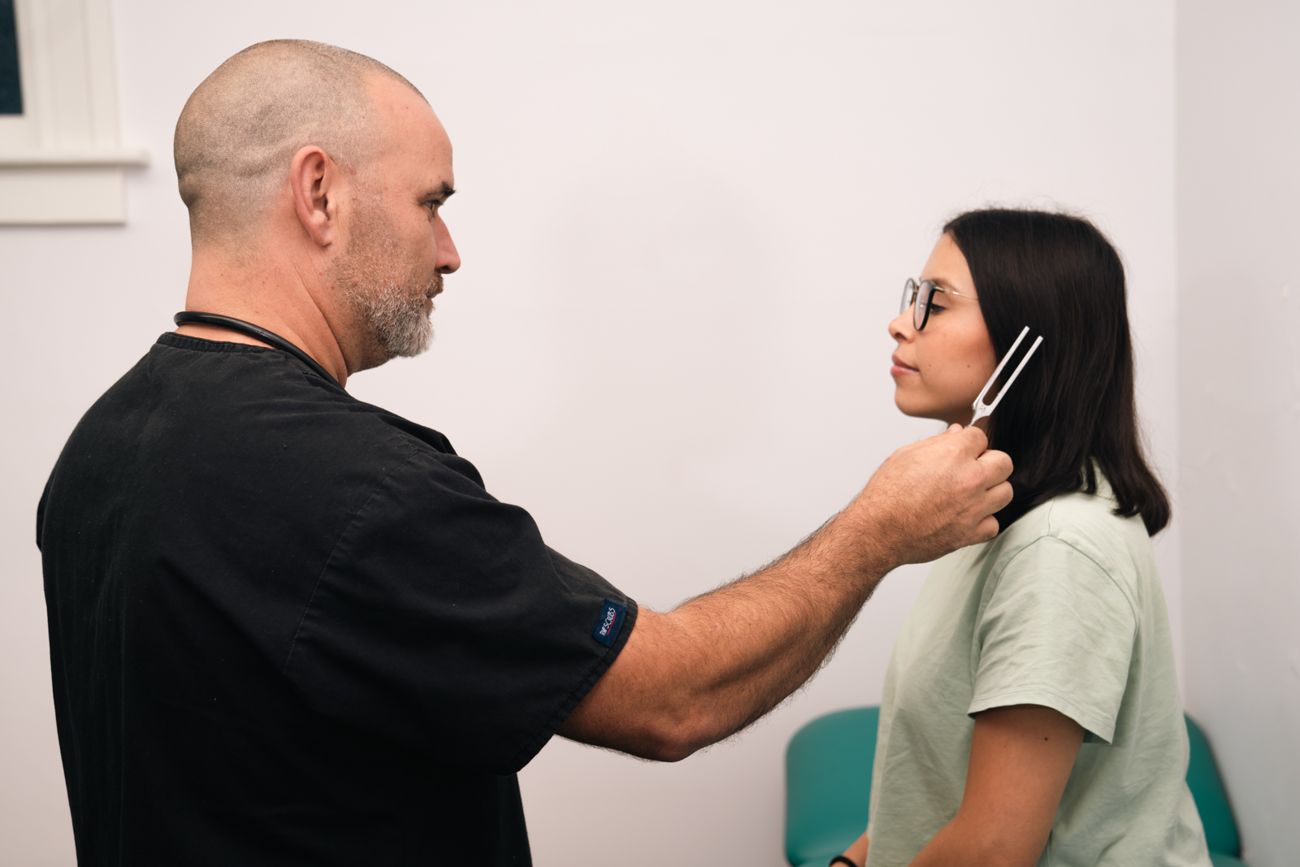


Dr Thomas Perkins is the founding doctor at the Veterans Health Centre in Ipswich, Queensland, and the leading expert in veterans’ medicolegal work in Australia. He has spent over 13 years working exclusively with current and former Australian Defence Force members — treating conditions, writing reports, and navigating the DVA system alongside them.
With 80,000+ DVA claims submitted and over 2,000 Permanent Impairment Assessments completed, Dr Perkins brings a depth of experience that simply cannot be replicated from a textbook. He understands the Statements of Principles, the GARP tables, the imaging that proves what a physical examination alone cannot — and the difference that a properly written report makes at every level, from initial liability through to the VRB.
Every chart review, every diagnostic assessment, and every impairment rating is personally overseen by Dr Perkins. If you’re looking for a doctor who knows veterans medicine inside and out, you’ve found the right clinic.
Contact us0429 146 039 reception@vhc.org.au
Book appointmentHead, brain & nerves condition on your file?
Contact us for more information.