
Home › DVA Claims › Blood & immune system
DVA claims by body areaDVA Claims — Blood & immune system
Every Statement of Principles covering the blood and immune system: 17 conditions, 196 legislated factors between them. Each one links through to the full factor list, and to an example report where we have written one.
A claim for any of these is decided against its Statement of Principles. At least one factor has to be met, and connected to your service. Reasonable Hypothesis applies to operational service; Balance of Probabilities to peacetime.
Aplastic anaemia
For the purposes of this Statement of Principles, aplastic anaemia: (a) means bone marrow failure, characterised by: (i) destruction of haematopoietic stem cells with peripheral blood…
Dermatomyositis
For the purposes of this Statement of Principles, dermatomyositis: (a) means a chronic inflammatory disease characterised by inflammatory skin changes, usually accompanied by progressive…
Gaucher disease
For the purposes of this Statement of Principles, Gaucher disease means a genetic disorder of sphingolipid metabolism which involves a deficiency of the lysosomal enzyme…
Giant cell arteritis
For the purposes of this Statement of Principles, giant cell arteritis means a systemic autoimmune vasculitis that involves large and medium-sized arteries and principally affects the…
Haemophilia
For the purposes of this Statement of Principles, haemophilia: (a) means one of a group of genetic disorders that involve defective clotting of blood through deficiencies in clotting…
Hereditary haemochromatosis
For the purposes of this Statement of Principles, hereditary haemochromatosis: (a) means any genetic disorder of iron transport and metabolism which results in accumulation of excess…
Hereditary spherocytosis
For the purposes of this Statement of Principles, hereditary spherocytosis means a group of genetic disorders of red blood cells, involving the production of spherical red blood cells…
Microscopic polyangiitis
For the purposes of this Statement of Principles, microscopic polyangiitis: (a) means a necrotising non-granulomatous vasculitis with few or no immune deposits predominantly affecting…
Polyarteritis nodosa
For the purposes of this Statement of Principles, polyarteritis nodosa: (a) means a non-granulomatous necrotising arteritis predominantly affecting medium or small arteries; and (b)…
Pure red cell aplasia
For the purposes of this Statement of Principles, pure red cell aplasia: (a) means complete or nearly complete cessation of red cell production in the bone marrow without effects on…
Relapsing polychondritis
For the purposes of this Statement of Principles, relapsing polychondritis means a systemic autoimmune disease characterised by episodic, progressive inflammatory destruction of…
Sickle-cell disorder
For the purposes of this Statement of Principles, sickle-cell disorder means: (a) a genetic disorder leading to the production of haemoglobin S (HbS), a defective form of haemoglobin;…
Systemic lupus erythematosus
For the purposes of this Statement of Principles, systemic lupus erythematosus: (a) means a chronic inflammatory autoimmune disease characterised by the presence of antibodies directed…
Systemic sclerosis
For the purposes of this Statement of Principles, systemic sclerosis (also known as scleroderma): (a) means an autoimmune, fibrosing connective tissue disorder characterised by…
Vaccine-induced thrombotic thrombocytopaenia
For the purposes of this Statement of Principles, vaccine-induced thrombotic thrombocytopaenia means a disorder of coagulation in which there is formation of blood clots in the vascular…
Von willebrand disease
For the purposes of this Statement of Principles, von Willebrand disease: (a) means a genetic disorder of platelet function, which involves a deficiency or abnormality of the von…
Wilson disease
For the purposes of this Statement of Principles, Wilson disease means a genetic disorder of copper metabolism, which involves impaired biliary copper excretion and toxic accumulation of…
Not sure which condition it is?
You do not need the right name to start. A chart review reads your service and medical record end to end and identifies every claimable condition in it, dated, with the page reference behind each one — including the ones you would never have thought to claim.
If you already know the condition, the SoP Finder searches all 357 instruments, and the sequelae tool shows what an accepted condition opens up.
Browse DVA claims by body area
Dr Thomas Perkins
The expert in veterans’ medicolegal medicine — Expert DVA Doctor.


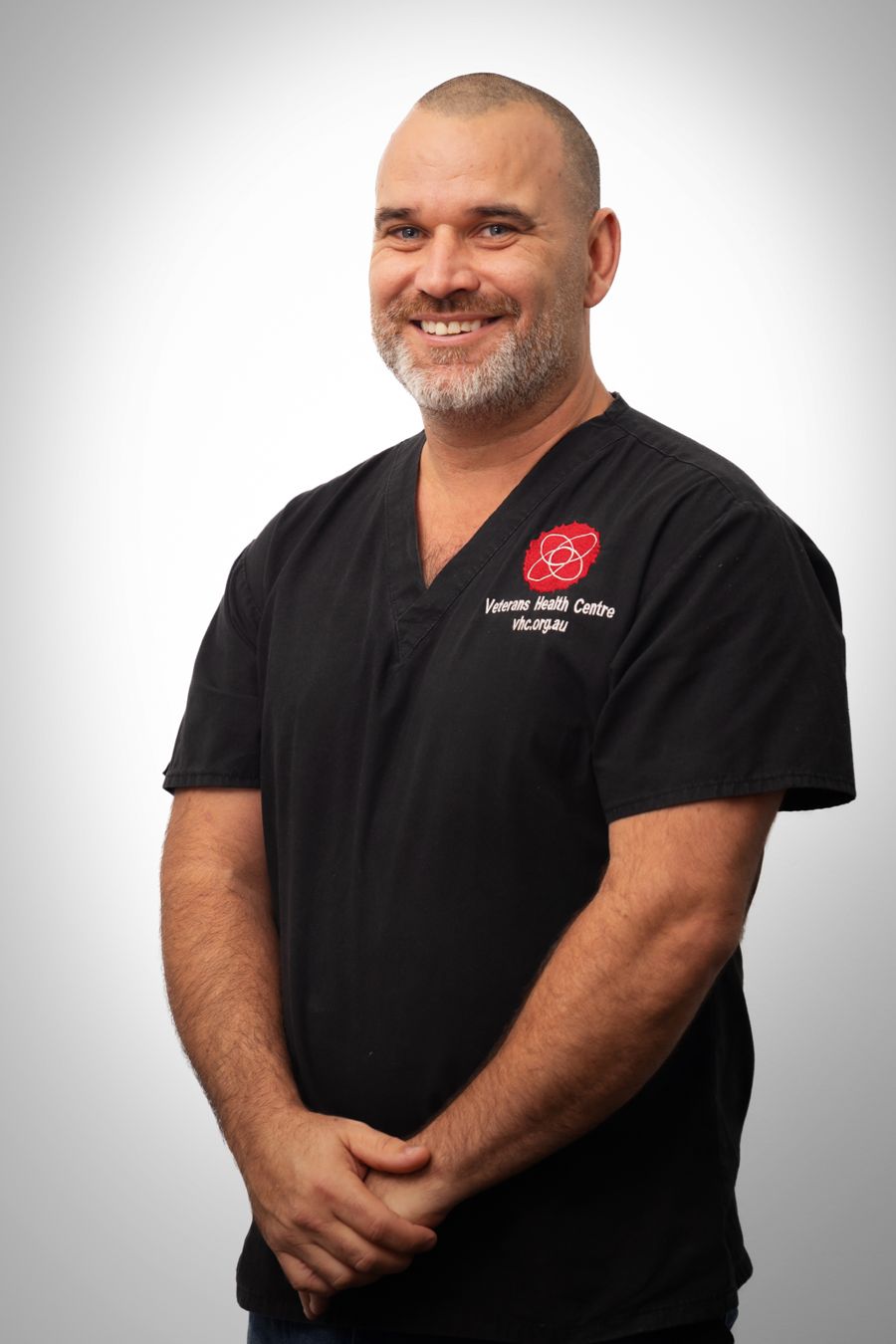

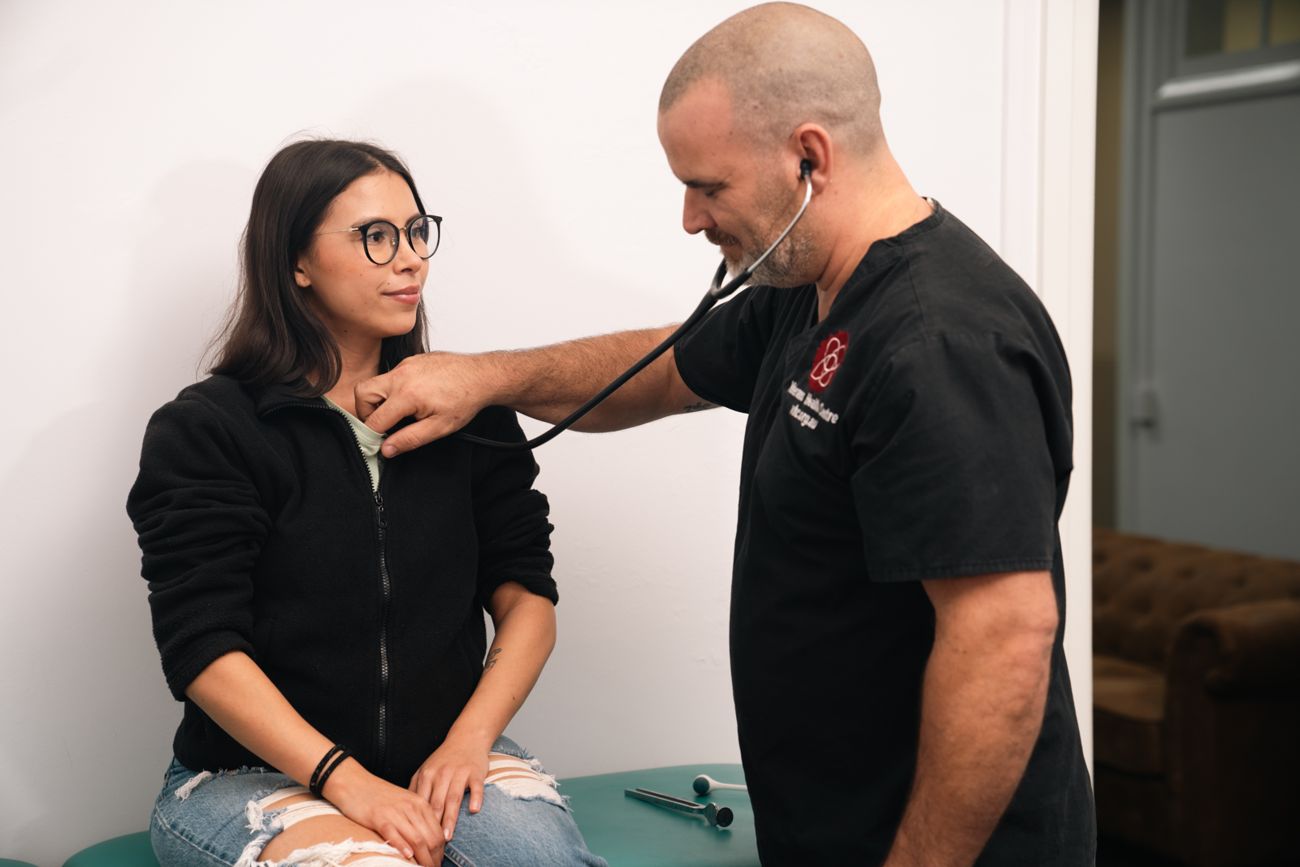
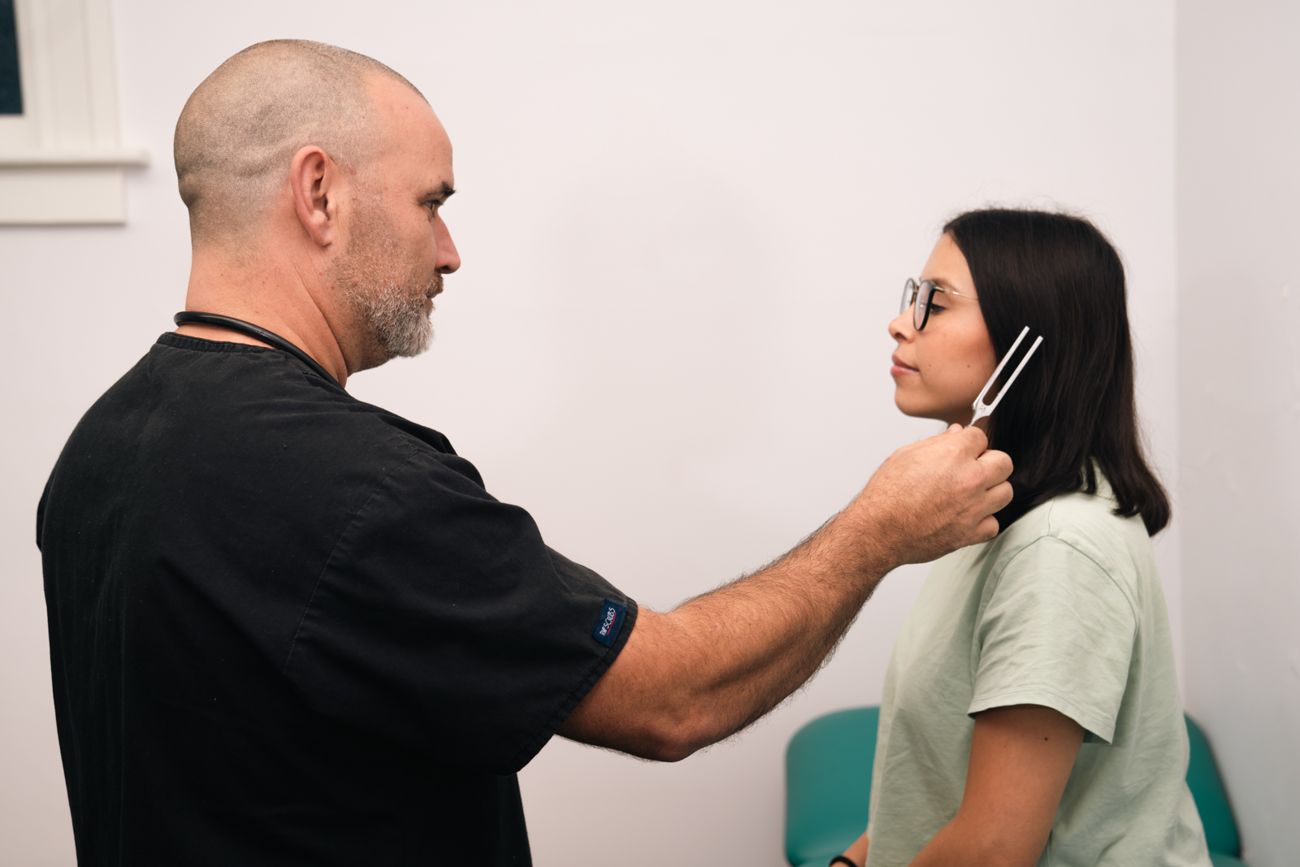


Dr Thomas Perkins is the founding doctor at the Veterans Health Centre in Ipswich, Queensland, and the leading expert in veterans’ medicolegal work in Australia. He has spent over 13 years working exclusively with current and former Australian Defence Force members — treating conditions, writing reports, and navigating the DVA system alongside them.
With 80,000+ DVA claims submitted and over 2,000 Permanent Impairment Assessments completed, Dr Perkins brings a depth of experience that simply cannot be replicated from a textbook. He understands the Statements of Principles, the GARP tables, the imaging that proves what a physical examination alone cannot — and the difference that a properly written report makes at every level, from initial liability through to the VRB.
Every chart review, every diagnostic assessment, and every impairment rating is personally overseen by Dr Perkins. If you’re looking for a doctor who knows veterans medicine inside and out, you’ve found the right clinic.
Contact us0429 146 039 reception@vhc.org.au
Book appointmentBlood & immune system condition on your file?
Contact us for more information.