
Home › DVA Claims › Heart & circulation
DVA claims by body areaDVA Claims — Heart & circulation
Every Statement of Principles covering the heart and circulation: 23 conditions, 1373 legislated factors between them. Each one links through to the full factor list, and to an example report where we have written one.
A claim for any of these is decided against its Statement of Principles. At least one factor has to be met, and connected to your service. Reasonable Hypothesis applies to operational service; Balance of Probabilities to peacetime.
Aortic aneurysm and aortic wall disorders
For the purposes of this Statement of Principles: (a) aortic aneurysm means permanent dilatation of the wall of the thoracic or abdominal aorta; and (b) aortic wall disorders means: (i)…
Aortic stenosis
For the purposes of this Statement of Principles, aortic stenosis: (a) means obstruction of the blood flow across the aortic valve due to thickening and calcification of the aortic…
Atrial fibrillation and atrial flutter
For the purposes of this Statement of Principles: (a) atrial fibrillation means a disorder of cardiac rhythm, in which there is disorganised, rapid, and irregular atrial electrical…
Cardiomyopathy
For the purposes of this Statement of Principles, cardiomyopathy: (a) means a heterogeneous group of acquired diseases of the heart muscle (myocardium) involving mechanical or electrical…
Carotid artery disease
For the purposes of this Statement of Principles, carotid artery disease: (a) means an occlusion, stenosis, aneurysm, dissection or arteriovenous fistula of the common, internal or…
Chronic venous insufficiency of the lower limb and varicose veins of the lower limb
For the purposes of this Statement of Principles, chronic venous insufficiency of the lower limb: (a) means chronic impairment of venous blood flow or venous return affecting one or both…
Deep vein thrombosis
For the purposes of this Statement of Principles, deep vein thrombosis: (a) means formation of a blood clot within the deep venous system; and (b) excludes thrombosis of the: (i) retinal…
Fibromuscular dysplasia
For the purposes of this Statement of Principles, fibromuscular dysplasia means a nonatherosclerotic, noninflammatory segmental stenosing disease of the muscle layer of arterial walls,…
Heart block
For the purposes of this Statement of Principles, heart block: (a) means a cardiac disorder in which there is a delay or interruption to the conduction of electrical impulse from the…
Hypertension
For the purposes of this Statement of Principles, hypertension: (a) means persistently elevated blood pressure, where that persistent elevation in blood pressure has been diagnosed by a…
Ischaemic heart disease
For the purposes of this Statement of Principles, ischaemic heart disease: (a) means a cardiac disease in which inadequate coronary blood supply to part of the heart leads to infarction…
Mitral valve prolapse
For the purposes of this Statement of Principles, mitral valve prolapse: (a) means a degenerative, structural disorder of the mitral valve apparatus in which there is systolic…
Myocarditis
For the purposes of this Statement of Principles, myocarditis: (a) means an inflammation of the heart muscle (myocardium); and (b) excludes inflammation associated with coronary artery…
Non-aneurysmal aortic atherosclerotic disease
For the purposes of this Statement of Principles, non-aneurysmal aortic atherosclerotic disease means atherosclerosis of the abdominal aorta which causes partial or complete occlusion of…
Pericarditis
For the purposes of this Statement of Principles, pericarditis: (a) means an inflammation of the pericardium; and (b) includes: (i) acute pericarditis; (ii) chronic pericarditis; (iii)…
Peripheral artery disease
For the purposes of this Statement of Principles, peripheral artery disease means atherosclerosis of one or more arteries of the upper or lower limbs which causes partial or complete…
Portal vein thrombosis
For the purposes of this Statement of Principles, portal vein thrombosis: (a) means formation of a blood clot within the portal vein; and (b) includes pylephlebitis and suppurative…
Pulmonary thromboembolism
For the purposes of this Statement of Principles, pulmonary thromboembolism means obstruction of the pulmonary artery or one of its branches by a mass of clotted blood
Renal artery atherosclerotic disease
For the purposes of this Statement of Principles, renal artery atherosclerotic disease means atherosclerosis of the renal arteries which causes a partial or complete occlusion of a renal…
Rheumatic heart disease
For the purposes of this Statement of Principles, rheumatic heart disease: (a) means a clinically or echocardiographically documented cardiac disease, commonly involving the mitral or…
Sick sinus syndrome
For the purposes of this Statement of Principles, sick sinus syndrome: (a) means a group of cardiac arrhythmias caused by dysfunction of the sinus node, in which persistent or…
Sudden unexplained death
For the purposes of this Statement of Principles, sudden unexplained death: (a) means death without evidence of disease or injury which could account for the death, and within 24 hours…
Thromboangiitis obliterans
For the purposes of this Statement of Principles, thromboangiitis obliterans means a nonatherosclerotic, segmental, inflammatory, occlusive vascular disease affecting the small and…
Not sure which condition it is?
You do not need the right name to start. A chart review reads your service and medical record end to end and identifies every claimable condition in it, dated, with the page reference behind each one — including the ones you would never have thought to claim.
If you already know the condition, the SoP Finder searches all 357 instruments, and the sequelae tool shows what an accepted condition opens up.
Browse DVA claims by body area
Dr Thomas Perkins
The expert in veterans’ medicolegal medicine — Expert DVA Doctor.


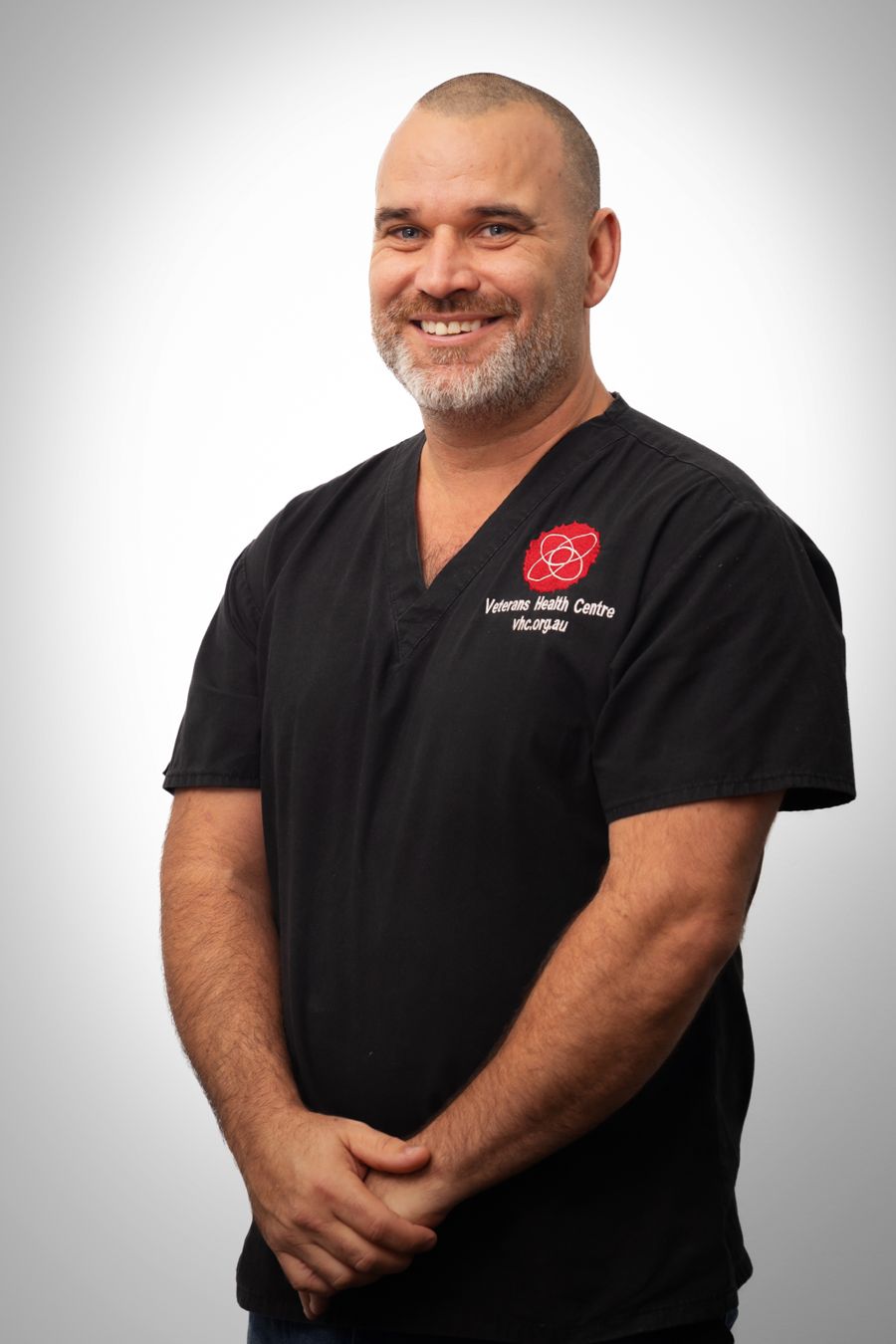

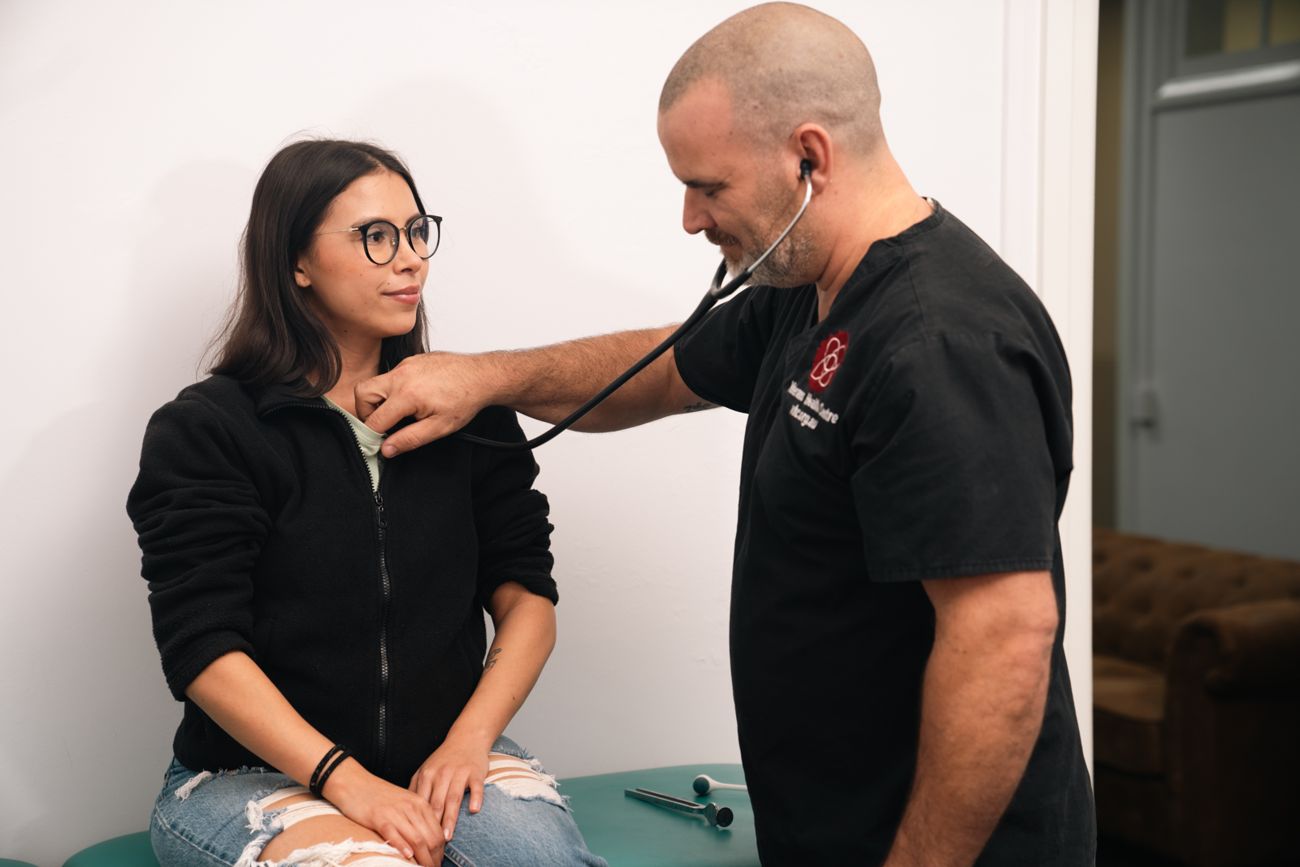
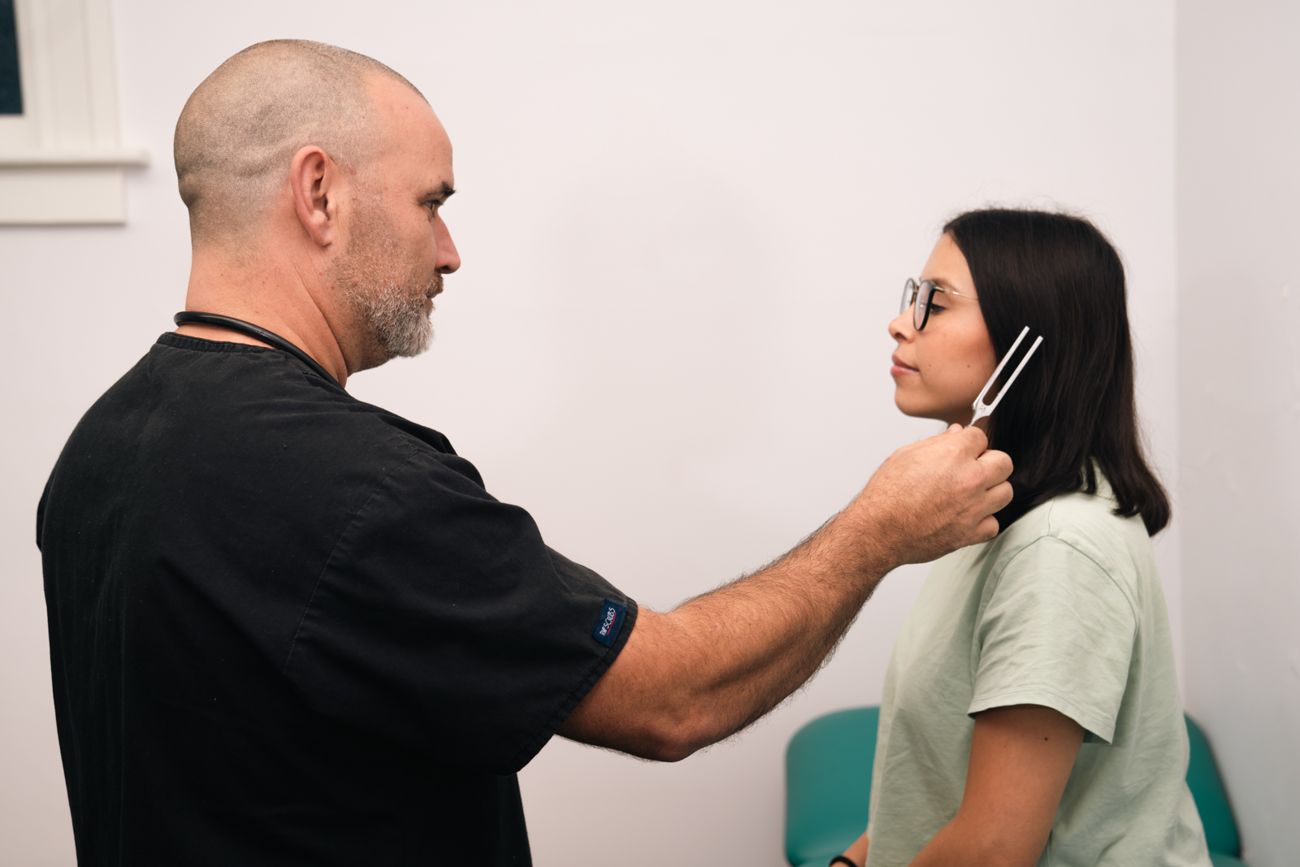

Dr Thomas Perkins is the founding doctor at the Veterans Health Centre in Ipswich, Queensland, and the leading expert in veterans’ medicolegal work in Australia. He has spent over 13 years working exclusively with current and former Australian Defence Force members — treating conditions, writing reports, and navigating the DVA system alongside them.
With 80,000+ DVA claims submitted and over 2,000 Permanent Impairment Assessments completed, Dr Perkins brings a depth of experience that simply cannot be replicated from a textbook. He understands the Statements of Principles, the GARP tables, the imaging that proves what a physical examination alone cannot — and the difference that a properly written report makes at every level, from initial liability through to the VRB.
Every chart review, every diagnostic assessment, and every impairment rating is personally overseen by Dr Perkins. If you’re looking for a doctor who knows veterans medicine inside and out, you’ve found the right clinic.
Contact us0429 146 039 reception@vhc.org.au
Book appointmentHeart & circulation condition on your file?
Contact us for more information.