
Sequelae: what an accepted condition opens up
Statements of Principles routinely list other conditions among their factors. That means an accepted condition is not only compensable in itself — it can be the documented pathway to further claims. We indexed all 357 instruments to find every one of those links.
138 accepted conditions, 649 documented factor links. Pick your accepted condition to see what it opens.
Why sequelae are the most under-claimed thing in the DVA system
Veterans claim the injuries they remember. They rarely claim the conditions those injuries went on to cause, because doing so requires reading 357 legislative instruments looking for your own accepted condition in someone else's factor list. Nobody does that. The result is that the most straightforward claims available to a veteran — the ones where the causal condition is already accepted, dated and documented on file — go unlodged for years. Every accepted condition also widens what DVA funds in treatment, and adds to the combined impairment figure that decides compensation and Gold Card eligibility.
Frequently asked questions
Does this mean I will be accepted for these conditions?
No. It means the legislation contains a pathway. The factor still has to be met on your evidence, and the new condition still has to be diagnosed by a qualified practitioner.
What is the difference between the RH and BoP factor?
Most conditions have two Statements of Principles. The Reasonable Hypothesis instrument applies to operational service and is the easier test. The Balance of Probabilities instrument applies to peacetime service. The wording of the same factor often differs between the two, and some conditions have only one instrument. Each condition page below quotes whichever exist.
What do the factor numbers mean?
They are the numbered paragraphs in the instrument itself. Quoting the number lets you or your doctor find the exact factor in the Statement of Principles rather than searching for the wording.
What does “clinical onset” and “clinical worsening” mean?
Onset factors cover a condition starting. Worsening factors cover an existing condition getting worse. Many SoPs list the same circumstance twice, once for each. Which one applies depends on whether the condition began after the accepted condition or was already there.
Do I need a new diagnosis for each one?
Yes. DVA cannot accept liability for a condition that has not been diagnosed. If something here matches symptoms you have been living with, that is the conversation to have with a doctor.
Is this the same as an aggravation claim?
No. Aggravation is where service worsened a condition you already had. A sequela is a separate condition arising from one already accepted, claimed in its own right with its own SoP.
Where does this information come from?
The Repatriation Medical Authority Statements of Principles, as held in our SoP Library. We index the factor text of all 357 instruments. SoPs are amended regularly — confirm the current instrument before relying on it.
What should I do next?
Have your record read against these pathways. A chart review establishes which are actually provable, with the page reference behind each one.
Dr Thomas Perkins
The expert in veterans’ medicolegal medicine — Expert DVA Doctor.
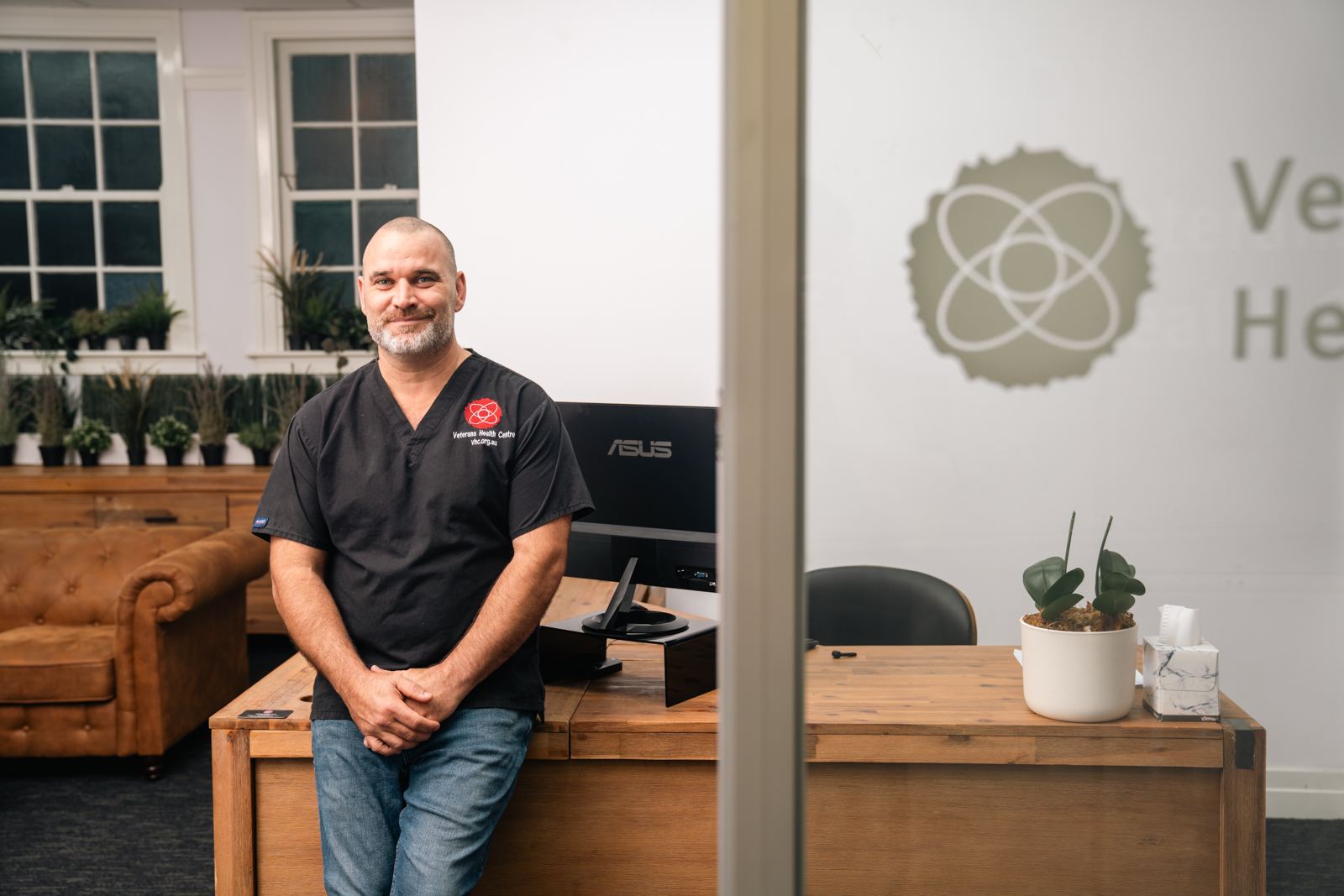

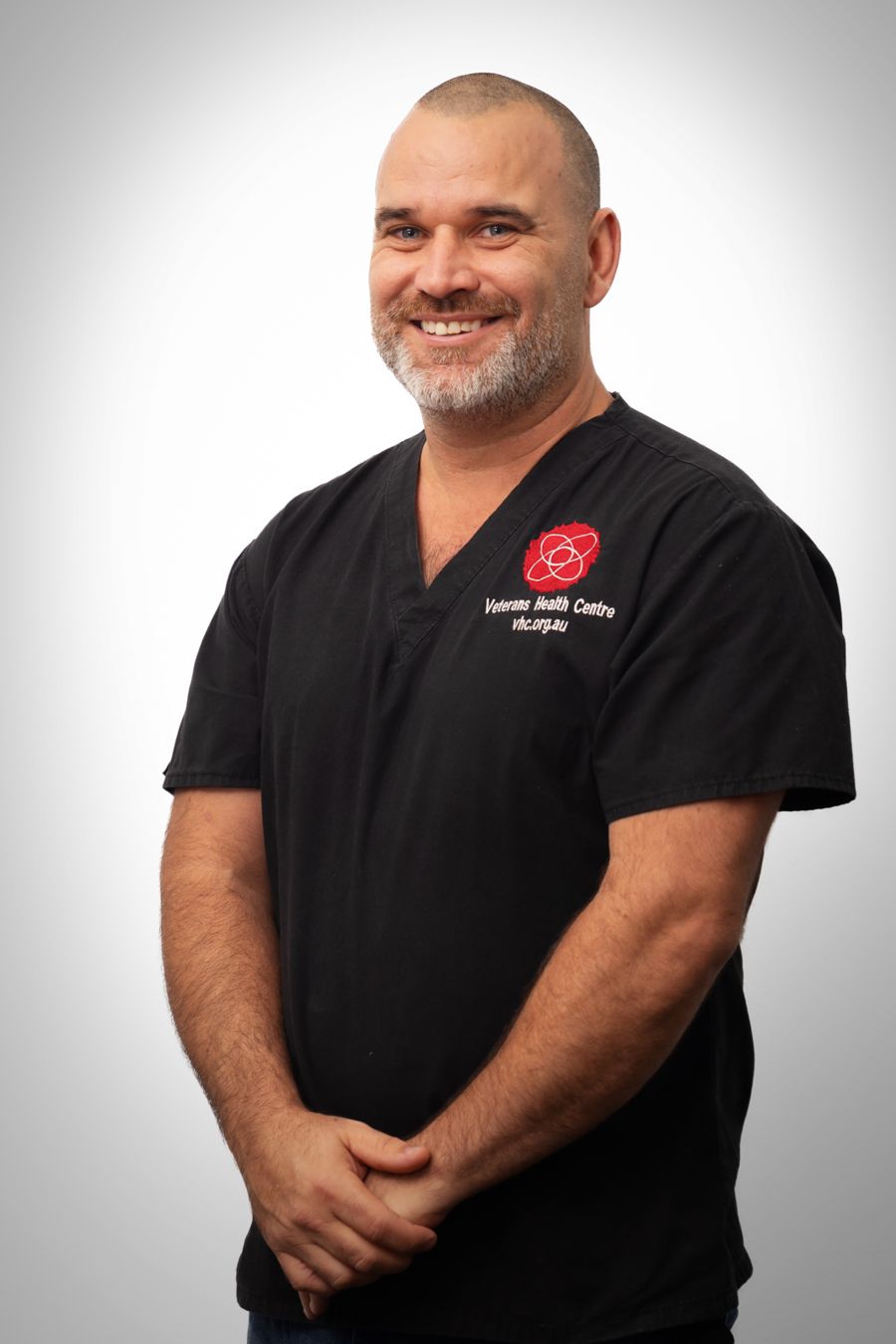
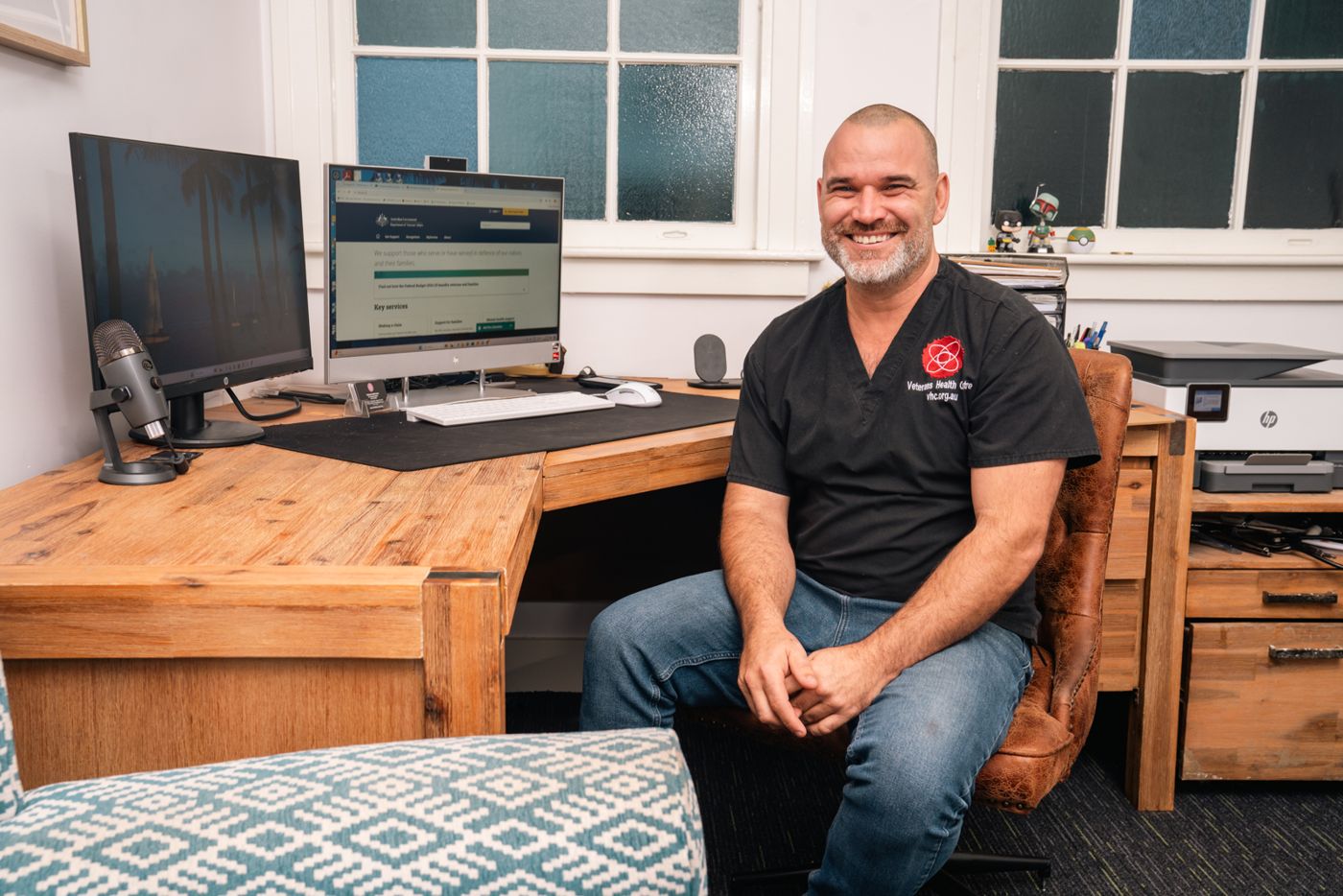
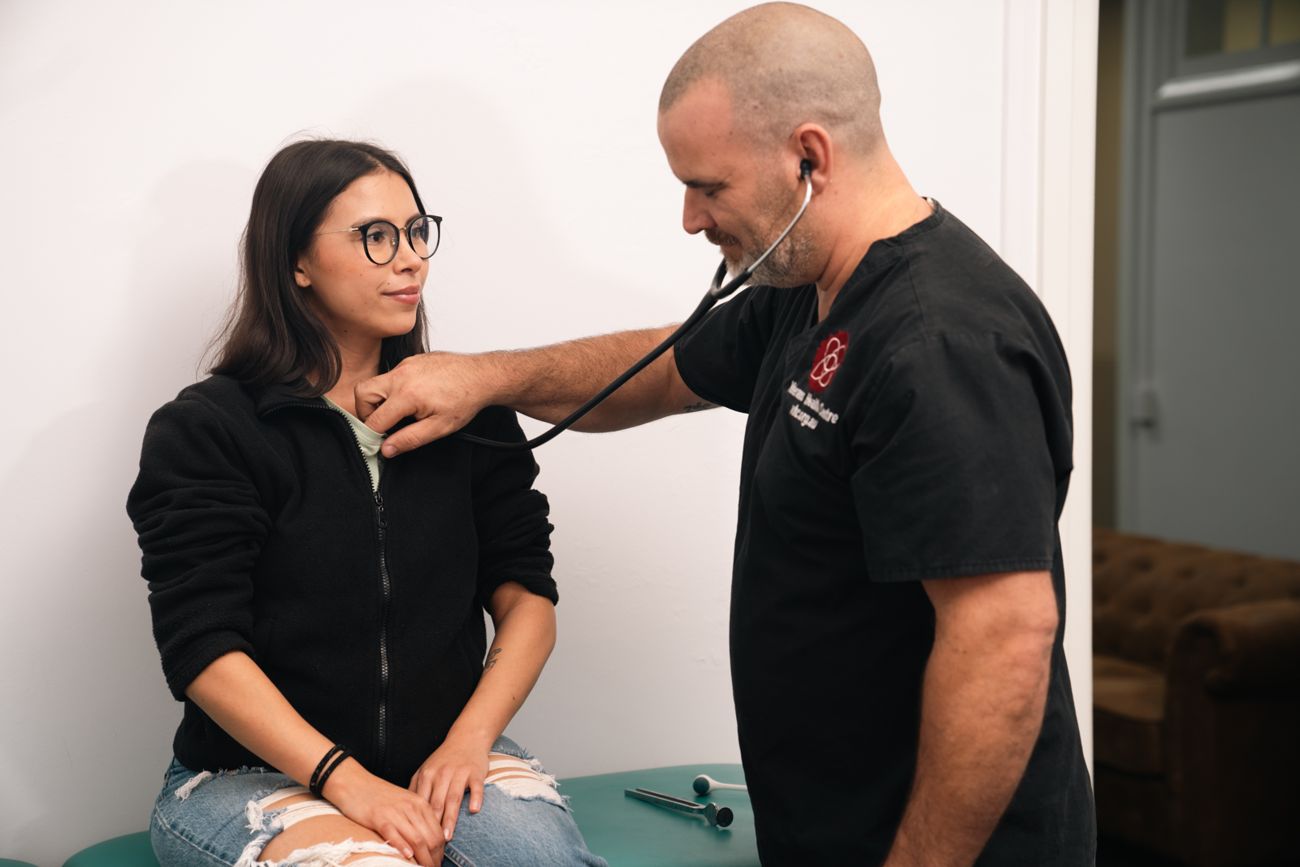
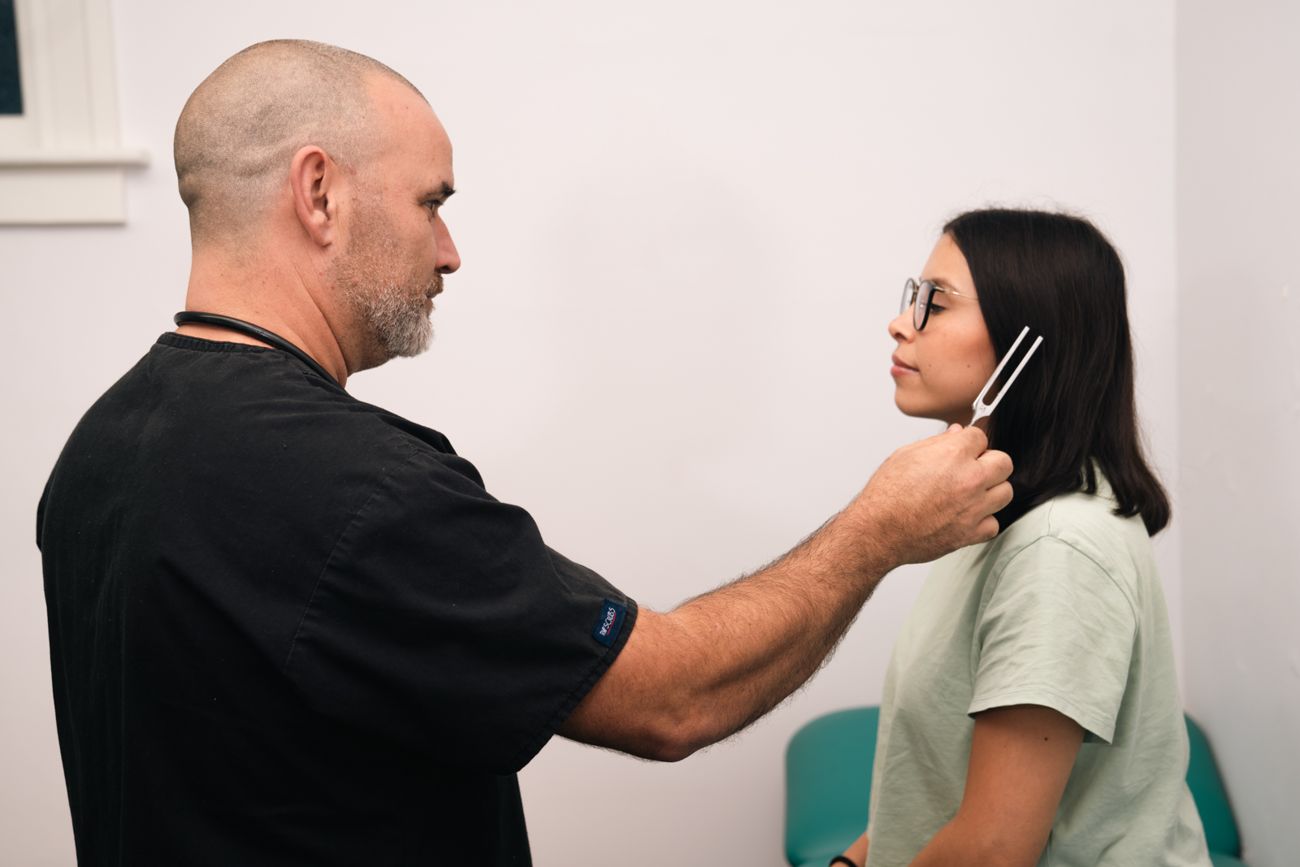
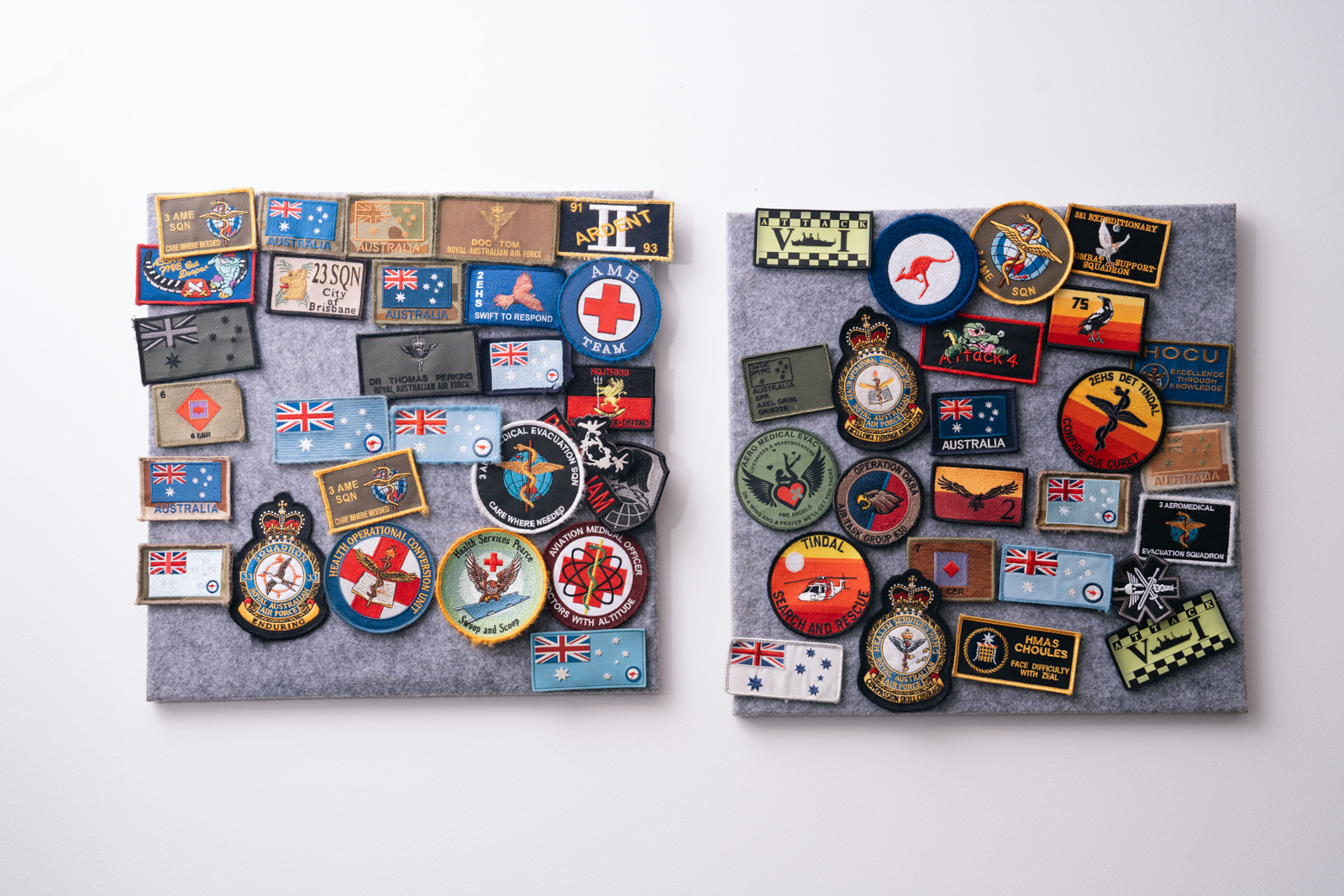
Dr Thomas Perkins is the founding doctor at the Veterans Health Centre in Ipswich, Queensland, and the leading expert in veterans’ medicolegal work in Australia. He has spent over 13 years working exclusively with current and former Australian Defence Force members — treating conditions, writing reports, and navigating the DVA system alongside them.
With 80,000+ DVA claims submitted and over 2,000 Permanent Impairment Assessments completed, Dr Perkins brings a depth of experience that simply cannot be replicated from a textbook. He understands the Statements of Principles, the GARP tables, the imaging that proves what a physical examination alone cannot — and the difference that a properly written report makes at every level, from initial liability through to the VRB.
Every chart review, every diagnostic assessment, and every impairment rating is personally overseen by Dr Perkins. If you’re looking for a doctor who knows veterans medicine inside and out, you’ve found the right clinic.
Contact us0429 146 039 reception@vhc.org.au
Book appointmentFound something you have never claimed?
Contact us for more information.