
DVA Glossary: Every Acronym and Term, Explained
DVA runs on acronyms, and nobody hands you the list. This is the plain-English version — every term a veteran actually meets in a claim, a determination letter or a treatment referral, written by the doctor who reads these documents daily.
Start here
- Making a claimIL → PI
- Deciding the claimSoP
- Rating impairmentGARP
- If refusedVRB
The five that matter most
If you learn only five: IL (Initial Liability — DVA accepting a condition is service-related), SoP (Statement of Principles — the legislative instrument that decides whether it is), PI (Permanent Impairment — compensation for the lasting effect), GARP (the guide that converts impairment into points), and VRB (the Veterans’ Review Board, where refusals are reviewed). Everything else hangs off those.
The Acts — and which one applies to you
This changed on 1 July 2026, so older advice is out of date.
- VEA — Veterans’ Entitlements Act 1986. Closed to new claims from 1 July 2026. Existing payments continue.
- DRCA — Safety, Rehabilitation and Compensation (Defence-related Claims) Act 1988. Also closed to new claims from 1 July 2026.
- MRCA — Military Rehabilitation and Compensation Act 2004. The single ongoing Act. All new claims are determined under it.
- VETS Act — Veterans’ Entitlements, Treatment and Support (Simplification and Harmonisation) Act 2025, commenced 1 July 2026. The reform that closed the VEA and DRCA and harmonised everything into the MRCA. See what it changed.
- SRCA — the former name of the DRCA. You will still see it in old documents.
Claims and liability
- IL — Initial Liability. DVA accepting that a condition is related to service. The gateway to everything else.
- SoP — Statement of Principles. A legislative instrument made by the RMA listing, for one condition, the factors that connect it to service. Your claim succeeds when the evidence satisfies a factor. All 357 current instruments are in our SoP library.
- RMA — Repatriation Medical Authority. The independent body of medical and scientific experts that makes the SoPs, based on sound medical-scientific evidence.
- SMRC — Specialist Medical Review Council. Reviews RMA decisions about SoP content.
- RH / BoP — Reasonable Hypothesis and Balance of Probabilities. The two standards of proof. RH is the more generous test, applying to warlike, non-warlike, operational, peacekeeping and hazardous service; BoP applies to peacetime service. Every SoP has two sets of factors, one for each.
- Clinical onset. When a condition first manifested — not the date it was diagnosed. Many SoP factors measure a window to clinical onset, which is why this is so often the decisive question. See the 25-year myth.
- Clinical worsening. Aggravation of the underlying pathology beyond natural progression — the basis of an aggravation claim.
- Sequela. A condition that flows from another accepted condition. Hugely under-claimed — see the sequelae A–Z.
- Presumptive liability. Specified conditions DVA can accept without the usual factor-by-factor proof. See presumptive liability explained.
- DIA — Diagnostic Assessment. A doctor’s report establishing the diagnosis and setting it against the SoP factors. What we write.
- IDDS / D9287 — Diagnosis Form. DVA’s form for a practitioner to record a diagnosis and its basis.
- D2051 — the paper claim form for liability and reassessment of compensation. One per condition. See how to submit.
- TRN. The reference number DVA puts on a request for a medical report.
Impairment and compensation
- PI — Permanent Impairment. Compensation for the lasting effect of an accepted condition. See PI assessments.
- GARP — the Guide to the Assessment of Rates of Veterans’ Pensions. The instrument that converts impairment into points. GARP M under MRCA, GARP V under VEA. Our chapter map covers all 26 chapters, and the PI points calculator holds all 73 tables.
- Impairment points. The output of the GARP tables. Combined using the Combined Values Chart — which is why 20 + 20 is not 40. Thresholds that matter: 50 points for SRDP eligibility, 60 points for a Gold Card.
- Lifestyle rating. A GARP measure of the effect on your life, separate from the medical impairment — see Chapter 22.
- Apportionment. Dividing impairment between conditions, or between service and non-service causes.
- Permanent and stable. The test for whether a condition can be rated — unlikely to improve materially with further treatment.
- Incapacity payments. Income replacement where a service condition reduces your ability to work. Taxable; generally cease at Age Pension age.
- SRDP — Special Rate Disability Pension. An alternative to incapacity payments under MRCA. Needs 50+ impairment points and inability to work more than 10 hours a week. Tax-free, paid indefinitely, and brings a TPI-embossed Gold Card.
- TPI — Totally and Permanently Incapacitated (the VEA Special Rate). At least 70% incapacity and unable to work more than 8 hours a week. VEA route now closed to new claims.
- TTI — Temporary Special Rate. All the Special Rate criteria except permanence.
- EDA / ADA — Extreme Disablement Adjustment (VEA) and the new Additional Disablement Amount (MRCA, from 1 July 2026). For older veterans with a high degree of incapacity.
- DCP — Disability Compensation Payment. The VEA pension, formerly called the disability pension.
- Catastrophic Injury Determination. A determination that unlocks services beyond normal statutory limits, including for household services.
Cards and treatment
- Veteran Card – All Conditions (the Gold Card). Funded treatment for all conditions. Eligibility.
- Veteran Card – Specific Conditions (the White Card). Funded treatment for accepted conditions, plus all mental health conditions under NLHC.
- Veteran Card – Pharmaceuticals Only (the Orange Card). WWII Commonwealth and allied veterans; medicines only.
- NLHC — Non-Liability Health Care. Funded treatment for all mental health conditions without proving service caused them. See the full guide.
- PAMT — Provisional Access to Medical Treatment. Funded treatment for 20 specified conditions while a claim is assessed. See how it works.
- Treatment cycle. The 12-session allied health referral system — being removed on 1 July 2027.
- RAP — Rehabilitation Appliances Program. Aids, equipment, modifications and assistance dogs. See what DVA funds.
- CVC — Coordinated Veterans’ Care. DVA’s chronic disease program, run through your GP. Eligibility and how it works.
- VHC — Veterans’ Home Care. Domestic assistance, personal care, respite and home maintenance. (Confusingly, also our own initials.)
- Veterans’ Health Check. The one-off funded post-discharge health assessment, MBS items 701–707. What it covers.
- RPBS — Repatriation Pharmaceutical Benefits Scheme. Subsidised medicines; $7.70 per item until the Safety Net Threshold.
- Open Arms. Free, confidential counselling for veterans and families — 24/7 on 1800 011 046. No card or claim needed, and outside every cap.
- D9319 — the household services claim form. Note: not D9416, which is the Disfigurement and Social Impairment form.
- D0904 (D904) — the DVA request/referral voucher for allied health.
- D9356 — request for an assistance dog.
Review and appeal
- VRB — Veterans’ Review Board. Independent merits review of DVA determinations. A Level 3 advocate can represent you. See VRB appeals.
- ART — Administrative Review Tribunal. Replaced the AAT. The next step after the VRB; needs a Level 4 advocate or a lawyer.
- Reconsideration. Asking DVA to look again at a primary decision.
- Determination. DVA’s formal decision on your claim. The letter names the factor relied on — which is exactly what an appeal has to answer. See what to do when it says there is nothing in your records.
- Single Review Pathway. From 2025, initial review of DRCA decisions goes to the VRB rather than the Tribunal.
Service, records and people
- CFTS — Continuous Full-Time Service. Full-time service in the permanent forces, or reserve service formally designated full-time. Does not include reserve training days. The gateway to NLHC.
- Qualifying service. Service involving danger from hostile forces. Opens certain VEA entitlements including the age-70 Gold Card.
- MEC — Medical Employment Classification. Your ADF fitness-for-duty classification. A downgrade is often the documentary trace of a condition.
- MECR — Medical Employment Classification Review.
- PMKeyS. Defence’s personnel system. Your PMKeyS number saves you proving service history.
- UMR — Unit Medical Records. Your service medical file. Get it: how to access your ADF medical records.
- RAP (the other one) — Regimental Aid Post. Where you presented while serving. Context decides which RAP is meant.
- JeHDI — Defence’s electronic health record system.
- ATDP — Advocacy Training and Development Program. The training for free ESO advocates, four compensation levels. See how to choose an advocate.
- ESO — Ex-Service Organisation. RSL, Legacy, unit associations — where free advocates work.
- IVA — Institute of Veterans’ Advocacy. The new professional body that will accredit and register advocates.
- BEST — Building Excellence in Support and Training. The grant program funding free ESO advocacy — $50.7m over three years from 2026–27.
- Delegate. The DVA officer who decides your claim.
- MRCC / Repatriation Commission. The statutory decision-makers. The MRCC was merged into the Repatriation Commission from 1 July 2026.
- CLIK. DVA’s online policy library — the Consolidated Library of Information and Knowledge. Where the delegate’s own guidance lives.
- MyService. DVA’s online portal, via myGov. How to upload documents.
- CSC — Commonwealth Superannuation Corporation. Your military super — separate from DVA, with its own invalidity classes. See CSC class appeals.
Where to next
If you are starting out, read how to make a DVA claim. If you have been refused, read the refusal guide. If you want to know what your impairment might rate, try the PI points calculator. And if nobody has ever read your full medical record, that is where the real work starts — a chart review.
General information for Australian veterans, current as at 12 September 2026; not legal or medical advice. Definitions are plain-English summaries, not legal definitions — the Acts, the Statements of Principles and DVA’s CLIK policy library are the authorities. Confirm your own position with DVA on 1800 VETERAN (1800 838 372).
Dr Thomas Perkins
The expert in veterans’ medicolegal medicine — Expert DVA Doctor.




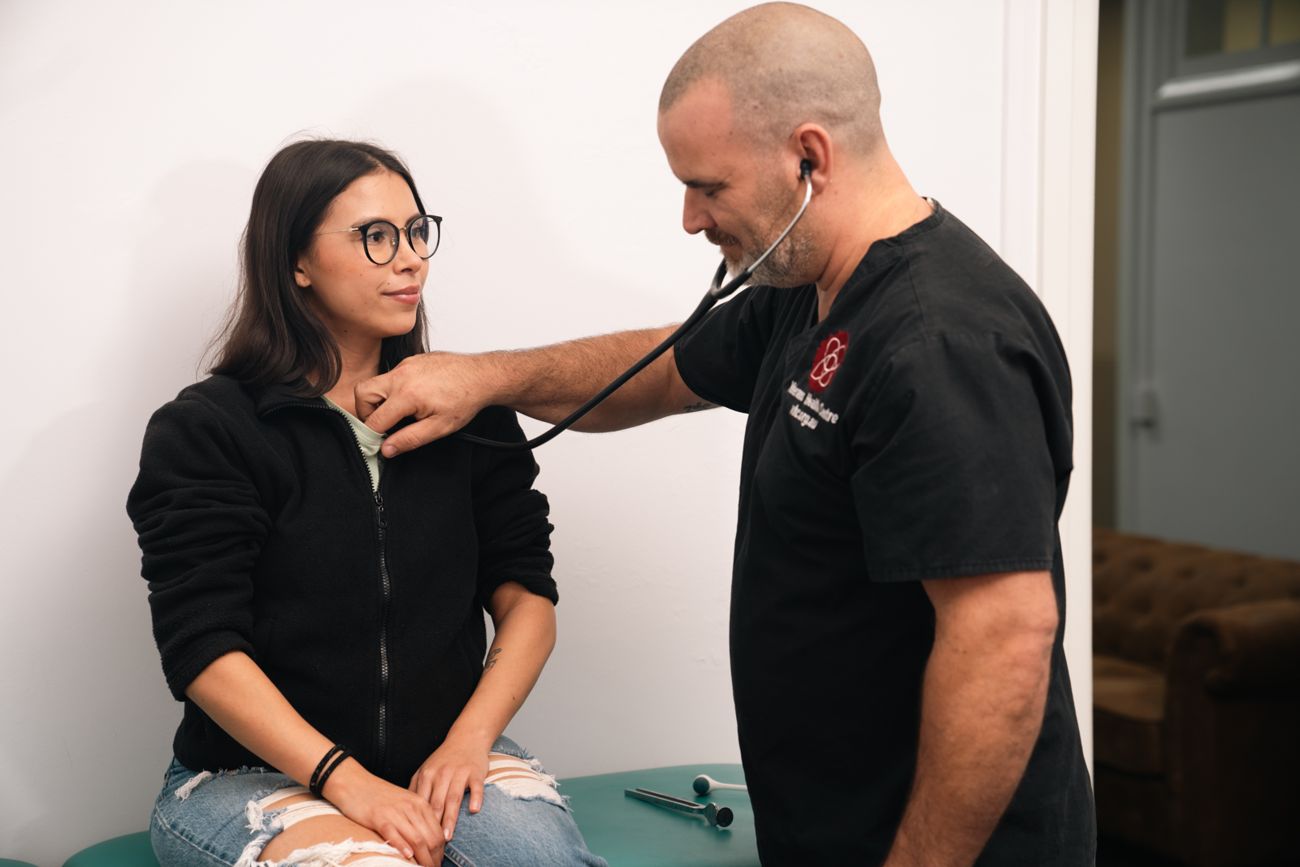
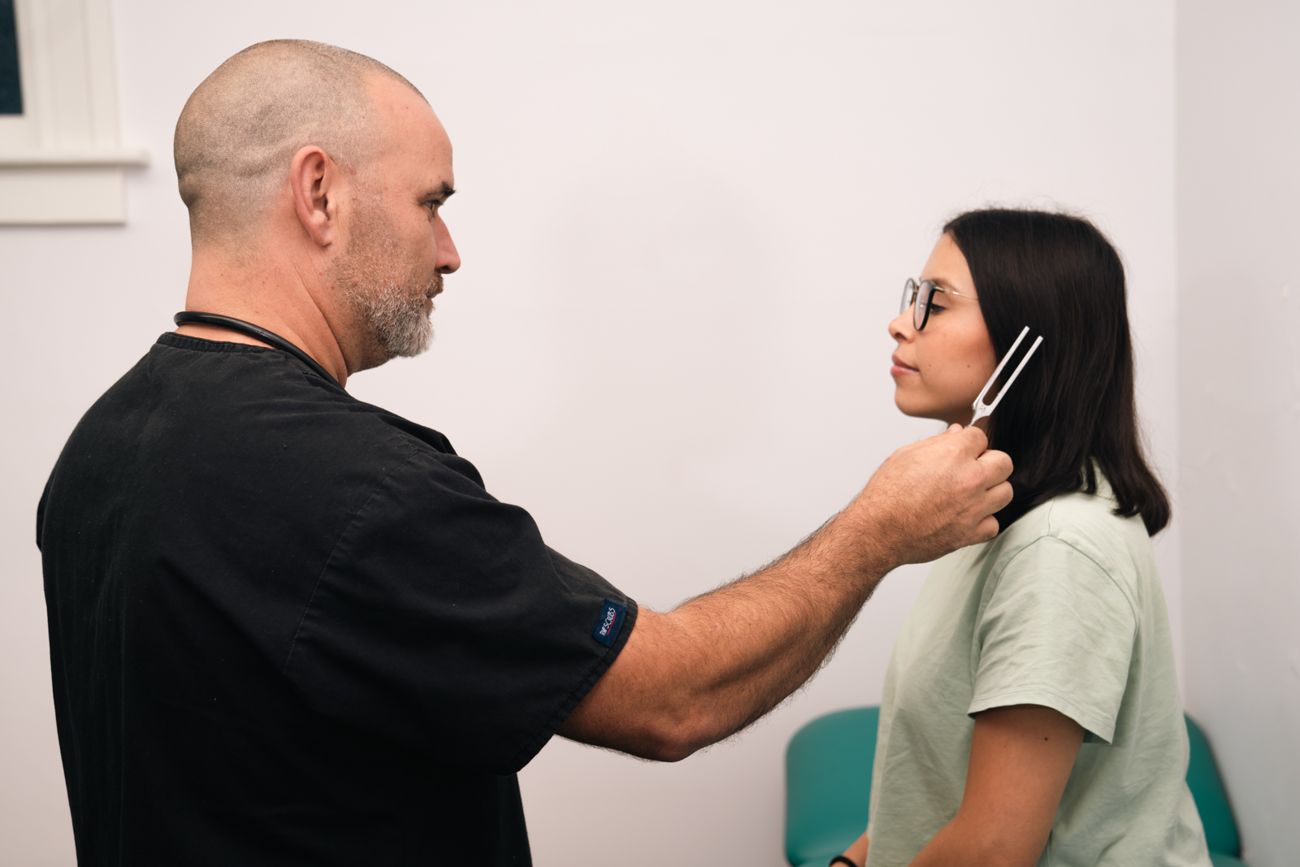

Dr Thomas Perkins is the founding doctor at the Veterans Health Centre in Ipswich, Queensland, and the leading expert in veterans’ medicolegal work in Australia. He has spent over 13 years working exclusively with current and former Australian Defence Force members — treating conditions, writing reports, and navigating the DVA system alongside them.
With 80,000+ DVA claims submitted and over 2,000 Permanent Impairment Assessments completed, Dr Perkins brings a depth of experience that simply cannot be replicated from a textbook. He understands the Statements of Principles, the GARP tables, the imaging that proves what a physical examination alone cannot — and the difference that a properly written report makes at every level, from initial liability through to the VRB.
Every chart review, every diagnostic assessment, and every impairment rating is personally overseen by Dr Perkins. If you’re looking for a doctor who knows veterans medicine inside and out, you’ve found the right clinic.
Contact us0429 146 039 reception@vhc.org.au
Book appointmentKnow the words. Now get the evidence.
Understanding the acronyms is a start. What decides a claim is whether the medical evidence satisfies the SoP factor — and that needs your whole record read by a doctor.