
DVA Claims for Air Force Veterans
Air Force claims split cleanly between the people who flew and the far larger number who kept the aircraft flying. The maintenance trades carry the heavier musculoskeletal burden, and are the group most likely to have claimed nothing at all.
At a glance
- Chart Review$600 + GST
- Diagnostic Assessment$600 + GST
- Permanent Impairment$1,500 + GST
- Commission on your payout0%
DVA claims for Air Force veterans
We are fifteen minutes from RAAF Base Amberley, and Air Force veterans are the single largest group we see. The pattern is consistent: shoulders and necks from overhead work, backs from load handling, hearing from the flight line, and a chemical exposure history that is frequently the most valuable thing in the file and the least likely to have been claimed.
What Air Force service actually claims for.
These are the conditions we find again and again in Air Force records. Not every veteran has all of them — but almost nobody has claimed all the ones they have.
Shoulders and cervical spine
Rotator cuff syndrome and cervical degeneration from years of overhead maintenance work in confined access panels.
Lumbar spine
Degeneration from load handling in air movements, armament and ground support.
Hearing loss and tinnitus
Flight line exposure. Both carry presumptive liability with no minimum service and no onset window.
Chemical exposure
Fuels, hydraulic fluids, solvents and sealants across the maintenance trades. F-111 deseal-reseal personnel with SHOAMP Tier status have their own presumptive liability provisions.
Firefighting
Twenty cancers carry presumptive liability for firefighters meeting the service thresholds, and service at Point Cook between 1957 and 1986 has its own separate list.
Aircrew
Spinal loading, barotrauma, hearing loss and the consequences of sustained ejection-seat and rotary-wing exposure.
Mental health
Deployment cycles, aeromedical evacuation exposure and the cumulative weight of sustained operations.
If you worked F-111 deseal-reseal or served as a firefighter, those two pathways are worth checking before anything else — they can bypass the ordinary Statement of Principles route entirely.
Air Force establishments and units.
RAAF Base Amberley
Ipswich, Queensland
1 and 6 Squadron (Super Hornet and Growler), 33 Squadron (KC-30A), 35 Squadron (C-27J), 36 Squadron (C-17A), 23 Squadron and Combat Support Group
RAAF Base Williamtown
Newcastle
3 and 77 Squadron (F-35A), 2 Squadron (E-7A Wedgetail) and Air Combat Group
RAAF Base Richmond
Sydney
37 Squadron (C-130J) and the air movements and loadmaster trades
RAAF Base Edinburgh
Adelaide
92 Wing with 10 and 11 Squadron (P-8A Poseidon), 87 Squadron and the Air Warfare Centre
RAAF Base Pearce and RAAF Base East Sale
Perth and Gippsland
2 Flying Training School, 79 Squadron, Central Flying School and Officers' Training School
RAAF Base Darwin and RAAF Base Tindal
Northern Territory
13 Squadron, 452 Squadron and 75 Squadron (F-35A)
Units raise, move and re-role. What matters for your claim is where you served and when, which your service record establishes.
How a Air Force DVA claim is built
A claim succeeds on documentation, not on the story. The work is to establish the diagnosis, establish when the condition began, and connect it to service against the factors in the relevant Statement of Principles — or, since 1 July 2026, under presumptive liability where the condition, onset window and service type all match the instrument.
That starts with reading the whole file. A chart review reads every page of your medical record and identifies every claimable condition, including the ones you have forgotten and the ones nobody has raised with you. From there each condition gets a Diagnostic Assessment written factor by factor, and where liability is accepted, a permanent impairment assessment determines what you are paid.
If a claim has already been rejected, that is not the end of it. A decision made on causation has not necessarily considered aggravation, and those turn on different factors.
Air Force claim questions
I served years ago. Is it too late?
No. There is no time limit on lodging a DVA claim, and many conditions are not claimable until they have declared themselves. What matters is the record.
I never reported it at the time. Does that kill the claim?
Not necessarily. Contemporaneous records help, but they are not the only evidence, and the standard of proof for operational service is a reasonable hypothesis rather than certainty.
How many conditions should I be claiming?
More than most veterans do. Because impairment ratings combine rather than compete, an unclaimed condition is a permanent loss, and small conditions matter because they add to the combined total.
Do I have to be in Queensland?
No. The records stages are done from your medical file wherever you live. See locations.
What does it cost?
$600 + GST per stage; $1,500 + GST for a permanent impairment assessment. No commission on your payout. See fees.
Dr Thomas Perkins
The expert in veterans’ medicolegal medicine — Expert DVA Doctor.
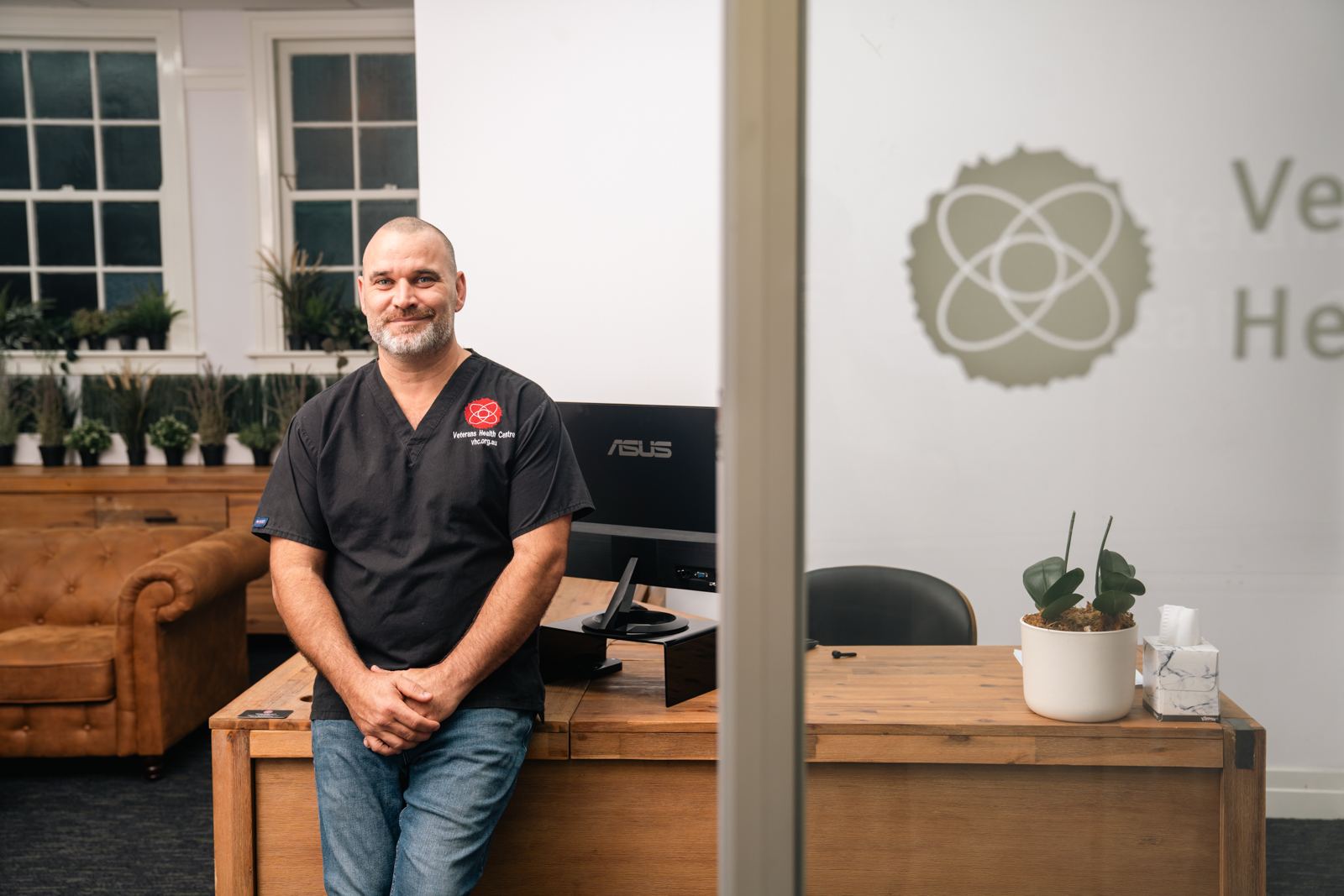

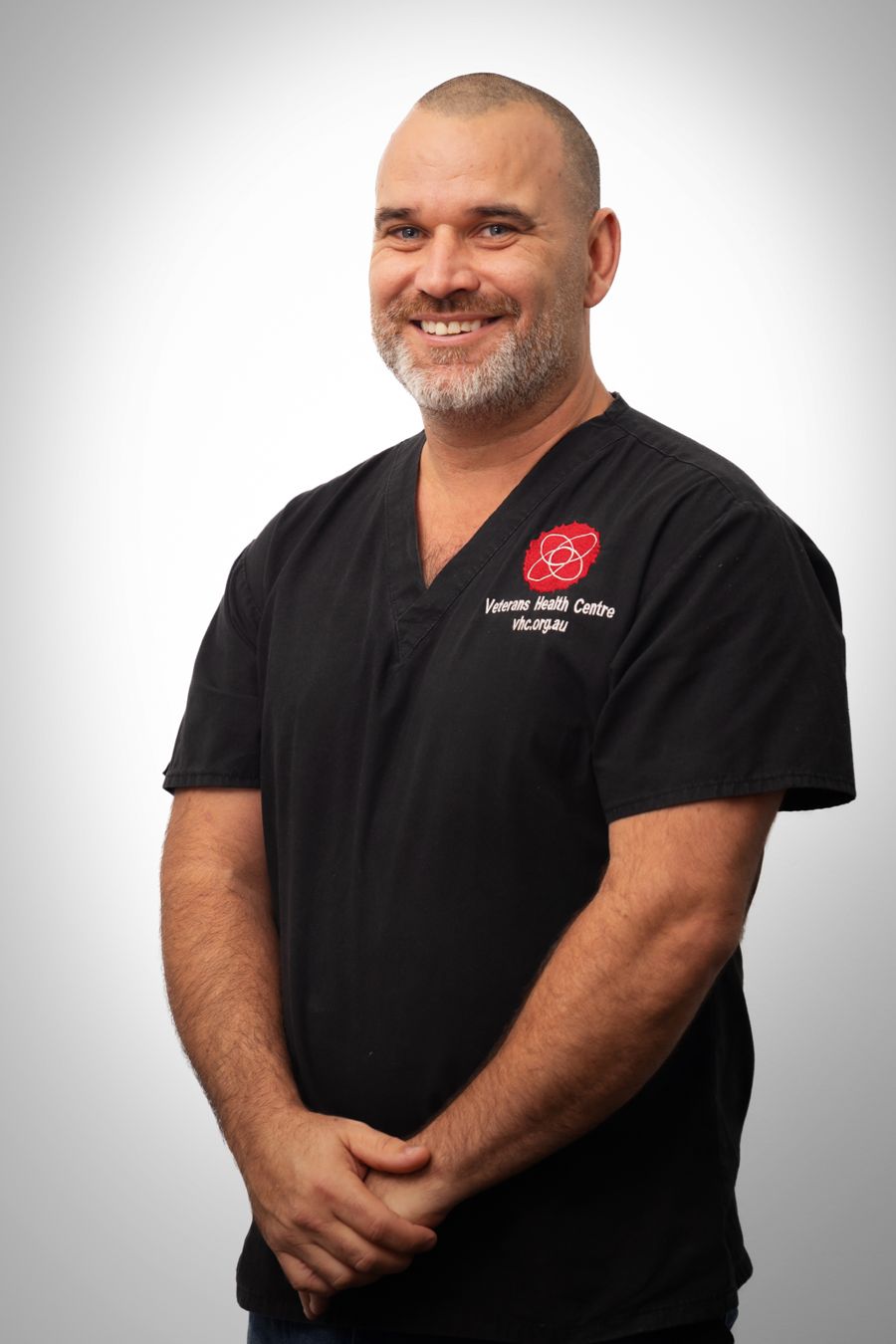
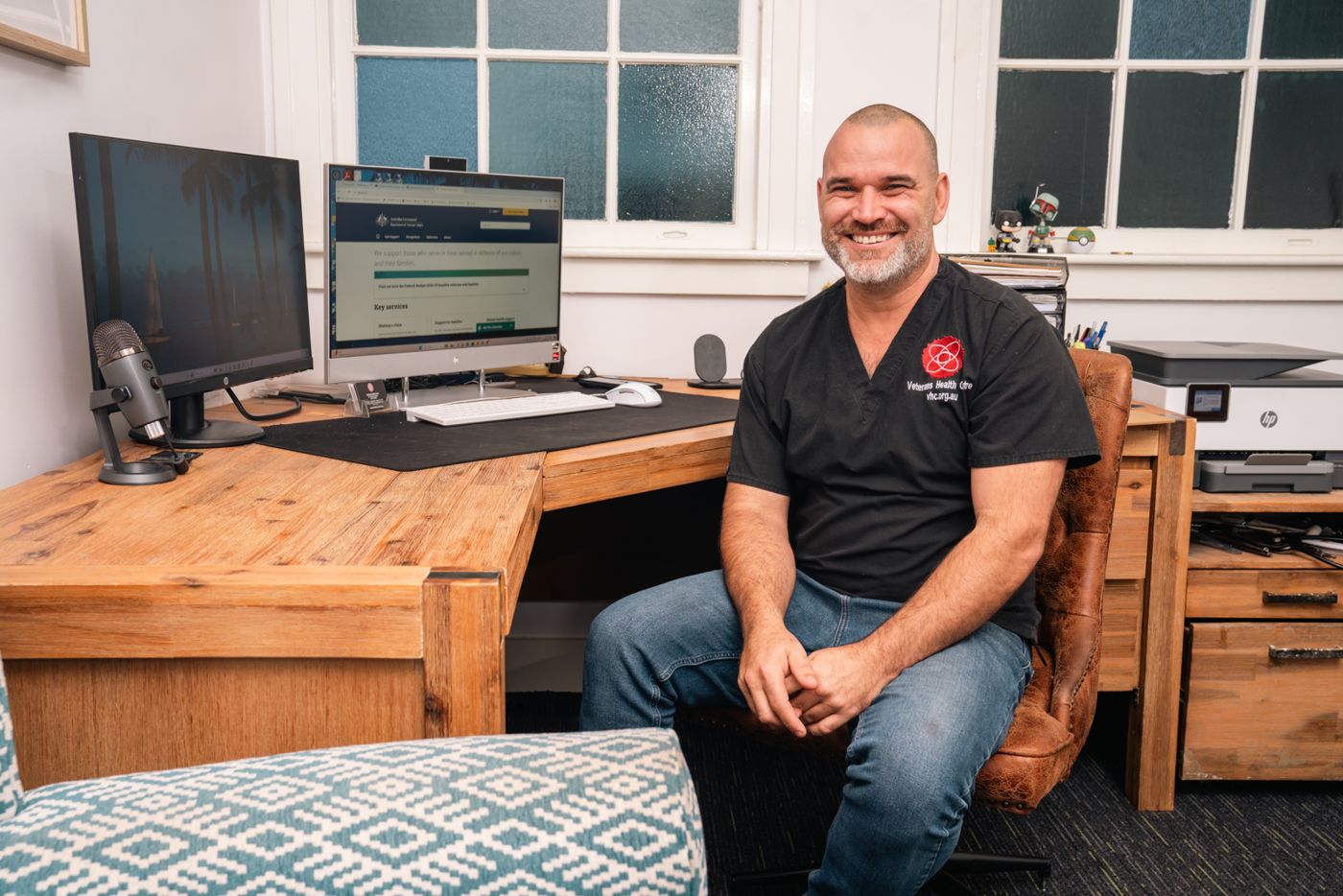
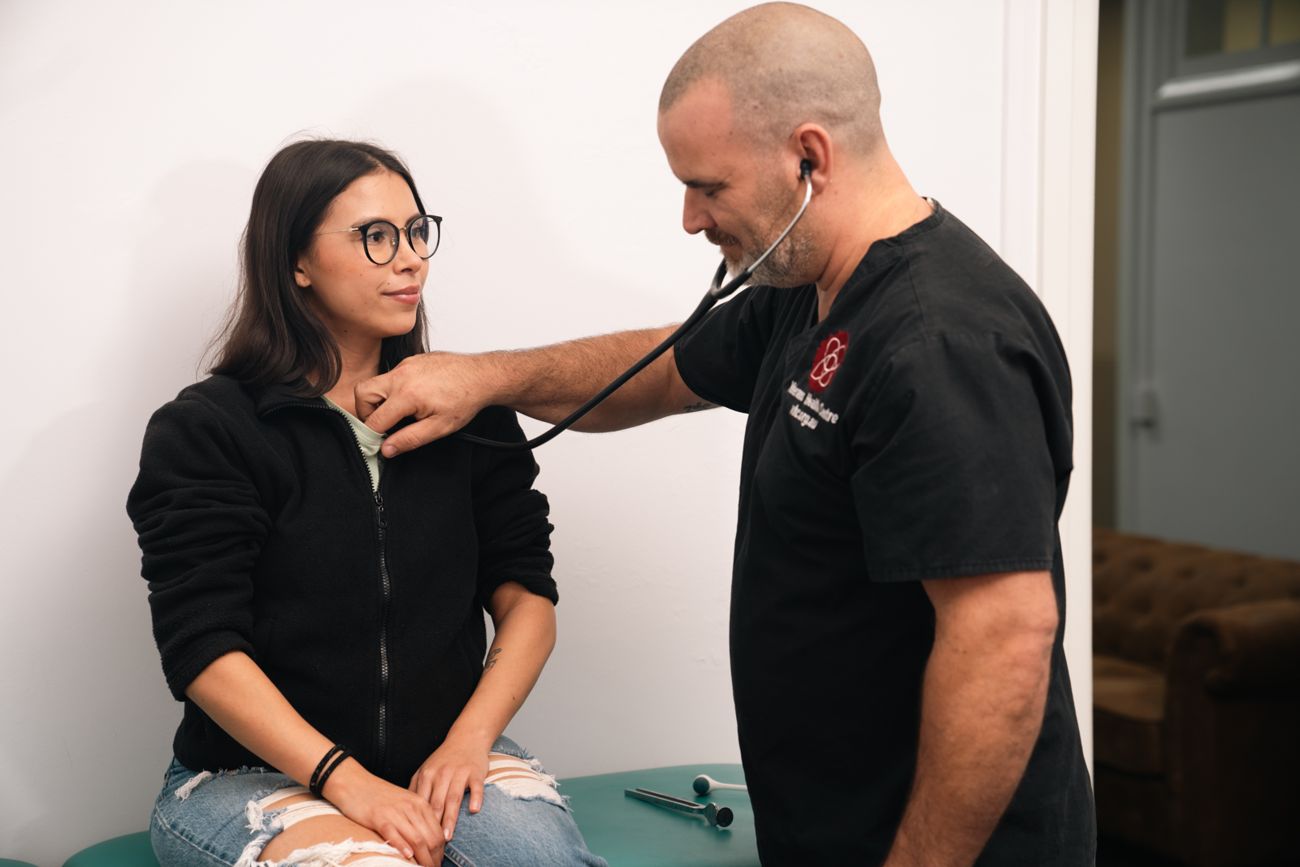
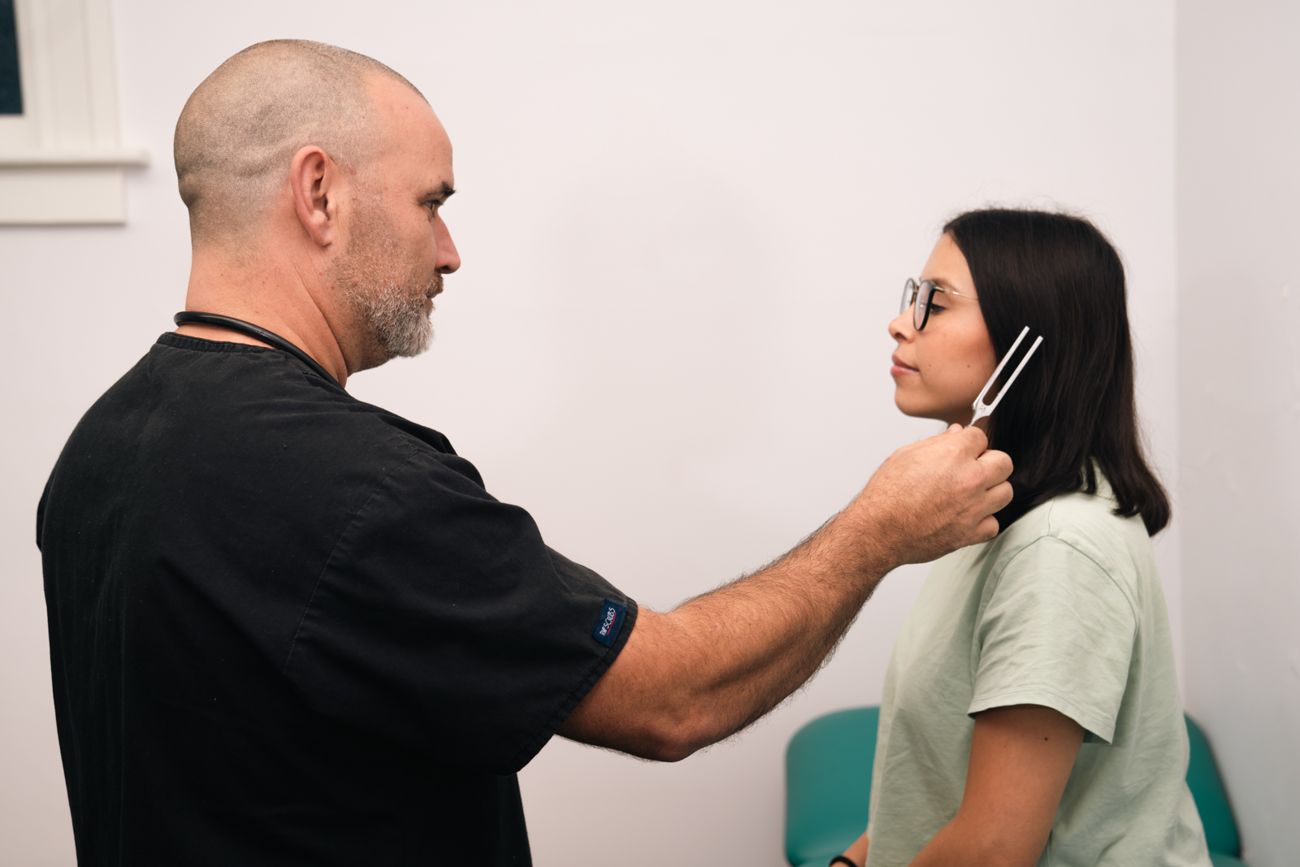
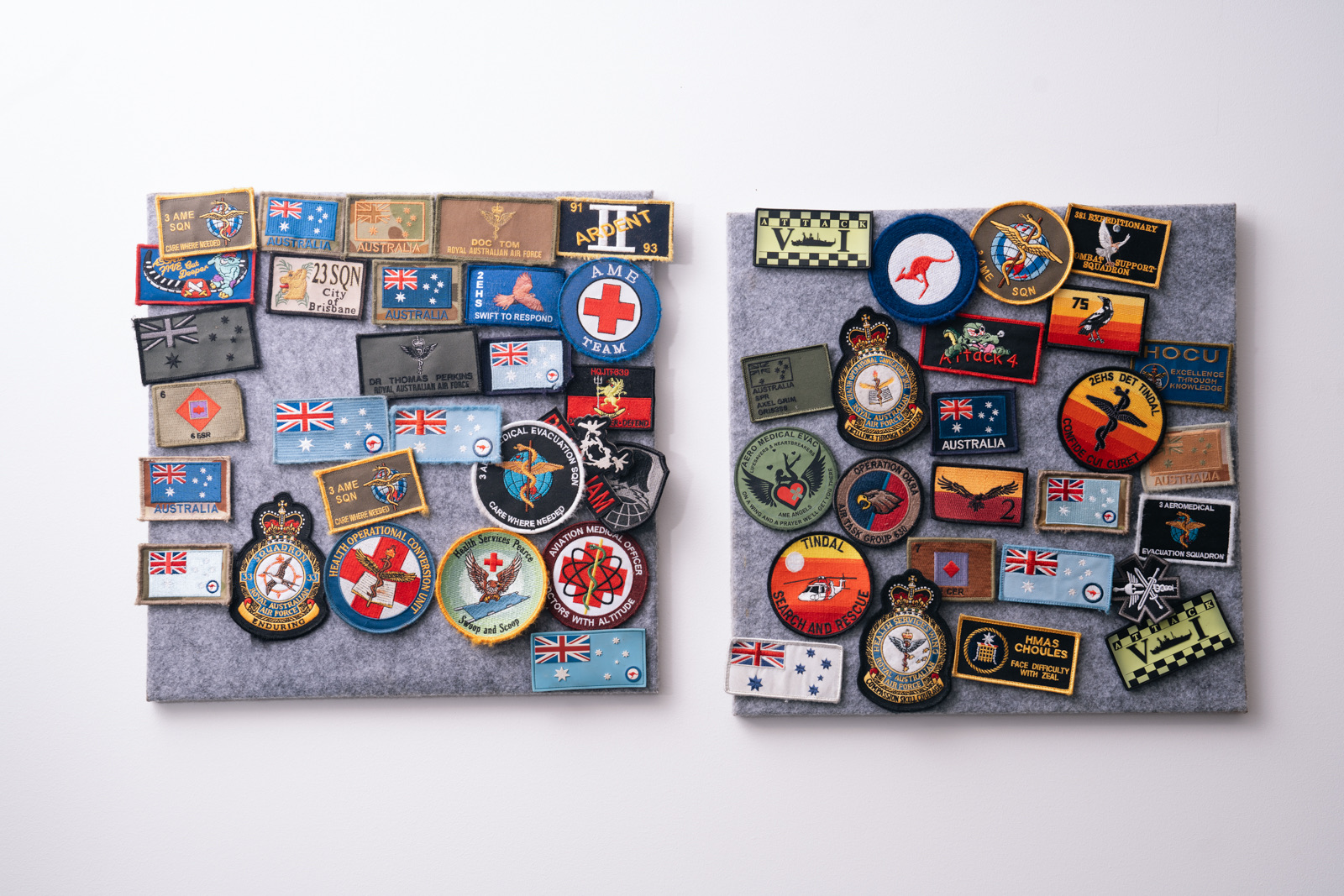
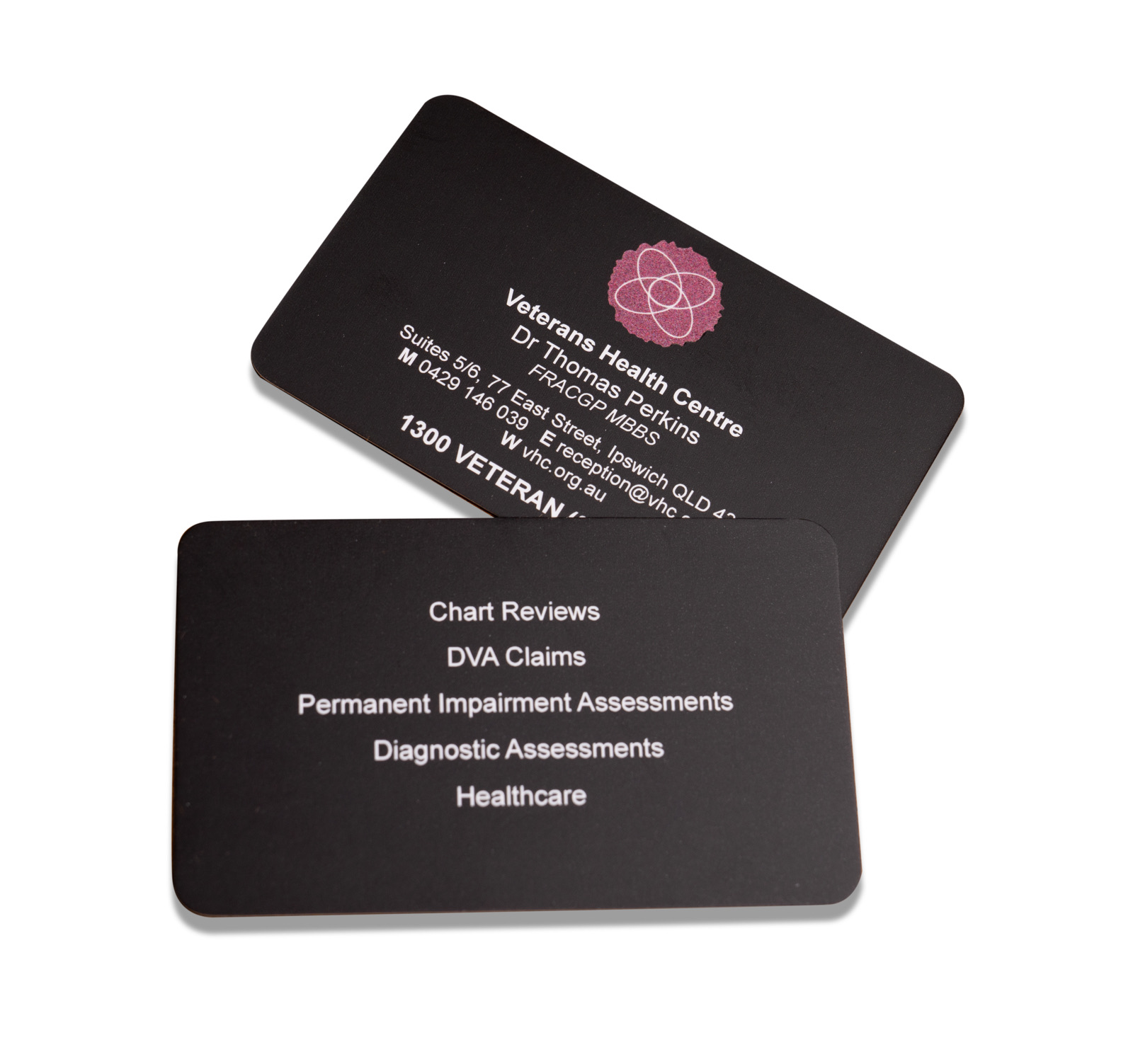
Dr Thomas Perkins is the founding doctor at the Veterans Health Centre in Ipswich, Queensland, and the leading expert in veterans’ medicolegal work in Australia. He has spent over 13 years working exclusively with current and former Australian Defence Force members — treating conditions, writing reports, and navigating the DVA system alongside them.
With 80,000+ DVA claims submitted and over 2,000 Permanent Impairment Assessments completed, Dr Perkins brings a depth of experience that simply cannot be replicated from a textbook. He understands the Statements of Principles, the GARP tables, the imaging that proves what a physical examination alone cannot — and the difference that a properly written report makes at every level, from initial liability through to the VRB.
Every chart review, every diagnostic assessment, and every impairment rating is personally overseen by Dr Perkins. If you’re looking for a doctor who knows veterans medicine inside and out, you’ve found the right clinic.
Contact us0429 146 039 reception@vhc.org.au
Book appointmentReady to find out what you can claim?
Contact us for more information.