
DVA Advocate — What They Do, How to Get One, What It Costs
A DVA advocate helps you lodge and argue a claim with the Department of Veterans’ Affairs. Most are free — trained through the ATDP, working through an ex-service organisation, and funded by government. Some are private and charge you, occasionally a percentage of your compensation. This page covers what an advocate actually does, how to get one today, what the different kinds charge, and the one thing no advocate of either kind can do for your claim.
- Find a free advocate: https://www.advocateregister.org.au
- DVA claim guide: https://www.dva.gov.au/claimguide
- DVA claim help (ex-serving): CLA.WA@dva.gov.au
- DVA claim help (on base): VSO@dva.gov.au
- Phone: 1800 VETERAN (1800 838 372)
At a glance
- Free ESO advocatesNo charge
- Private advocatesFee or %
- BEST funding 2026–27$50.7m
- VHC feeFixed, no %
What does a DVA advocate do?
A DVA claims advocate is a person who helps a veteran claim what they are entitled to from the Department of Veterans’ Affairs. DVA’s formal term is compensation advocate, but veterans say claims advocate, and it is the same job. A free advocate works through an ex-service organisation and is trained through the government’s Advocacy Training and Development Program (ATDP); they cost you nothing. A private advocate — often called a claims agent or veterans’ consultant — charges you, either a fixed fee or a share of your payout. Both work out what to claim, prepare and lodge the paperwork, and argue with DVA on your behalf. Neither one is a doctor, and neither can produce the medical evidence a claim is actually decided on.
How to find a DVA advocate
The ATDP maintains an Advocacy Register. It lists ex-service organisations rather than individual advocates, showing each organisation’s contact details and the advocate levels it holds. Find one near you, ring them, and ask two questions:
- What level compensation advocate would be handling my claim?
- How many claims like mine has that person run in the last year?
Those two answers tell you more than any website will. And with BEST funding now paying for advocates rather than claim counts, there is a reasonable chance the answer is better than it would have been two years ago.
How much do DVA advocates charge?
It depends entirely on which kind you use, and the range is enormous.
Free advocates charge nothing. Advocates trained through the ATDP and working through an ex-service organisation are funded by government. They lodge claims, argue them, and represent veterans at the Veterans’ Review Board at no cost to you. Review by the VRB is itself free. For a great many veterans this is the correct answer and the whole question stops here.
Private providers set their own fees, and there is no legislated cap. Three models are in use:
- A percentage of your compensation, deducted after the determination. Nothing to pay up front, and the cost is unknown until the end. Commission rates as high as 29% have been reported in this sector, and paid advocacy was examined by the Royal Commission into Defence and Veteran Suicide and is the subject of a Senate inquiry into veterans’ advocacy.
- An ongoing fee or retainer that runs while the claim is open. DVA claims routinely take a year or more, so a charge that continues for as long as the claim does has no ceiling.
- A fixed fee, quoted before the work starts. You know the total before you commit and nothing is taken from your payout.
Two things are worth knowing before you agree to any of them.
First, the Repatriation Commission’s Statement on Advocacy of October 2025 said plainly that paying for advocacy “does not guarantee faster processing times, better claim outcomes, or higher compensation payments”. That is accurate. Money cannot buy a better decision; it can only buy better evidence put in front of the decision-maker.
Second, if a provider has charged you unfairly, pressured you into an agreement, or implied an association with DVA that does not exist, DVA accepts reports at fraud.tipoff@dva.gov.au.
What we charge. We are not advocates — we write the medical evidence — and we bill a fixed fee per stage, quoted up front: a Complete Chart Review $600 + GST, a Diagnostic Assessment and evidence pack $600 + GST, a Permanent Impairment Assessment $1,500 + GST, and a VRB or determination appeal report $600 + GST. Never a percentage of your compensation, and nothing invoiced after a determination. All fees are published here, and this is how the fee models compare.
Free advocates: how they work
Free advocates operate through ex-service organisations — RSL sub-branches, Legacy, Vietnam Veterans associations, unit and corps associations, and dozens of smaller groups. They are trained through the ATDP in two streams.
Wellbeing advocates (two levels) handle the life around the claim: housing, crisis support, Open Arms referrals, income support, aged care, DVA cards, funeral assistance.
Compensation advocates (four levels) handle the claim itself. The level determines how far they can take you:
- Level 1 — straightforward claims under the three Acts: gathering documents, identifying conditions, preparing and lodging, and explaining DVA’s decision.
- Level 2 — complex compensation work. Multiple conditions, difficult histories, permanent impairment, and claims that sit awkwardly across VEA, DRCA and MRCA.
- Level 3 — merits review. Can seek reconsideration of a primary decision and can represent you at the Veterans’ Review Board. If you have been refused, this is the level you need.
- Level 4 — representation at the Administrative Review Tribunal. Few advocates hold it.
You cannot skip levels: Level 1 before Level 2, Level 2 before Level 3. If you are heading to appeal and your advocate holds Level 1, that is not a criticism of them — the matter has simply outgrown the qualification, and the organisation should hand you to someone who holds Level 3.
Private advocates: how they differ
A private advocate is a paid claims agent. They do broadly the same work — identify conditions, prepare and lodge, follow up, argue — and charge for it, commonly as a percentage of whatever DVA eventually pays you.
The single cleanest fact to know is this: ATDP training is only available to advocates working for organisations that provide the service free of charge. The training was never open to fee-charging providers. So if someone is charging you to act as your “advocate”, they are not ATDP-trained, whatever they call themselves. They may be excellent. Some are former DVA delegates or ex-advocates with real expertise. But you are dealing with a commercial service, not the accredited free system, and you should know which before you sign.
DVA’s own guidance on fee-for-service advocacy is blunt: paying for advocacy does not guarantee faster processing, better outcomes or greater compensation, because every claim follows the same process regardless of who lodges it. Keep that sentence in mind when you read any sales page.
Questions worth asking any private claims advocate before you engage them:
- Is your fee a fixed amount, or a percentage of my compensation? If a percentage, of what exactly — lump sum, ongoing payments, both?
- What happens to the fee if the claim is refused, or partly accepted?
- What qualification do you hold, and who accredited it?
- Can you represent me at the VRB, and has DVA or the Board ever refused to deal with you?
- What exactly are you doing that a free Level 3 advocate would not?
Free vs private — the honest comparison
Free advocacy costs nothing, is accredited, and is now being funded properly. Its weakness has always been capacity: volunteers with heavy caseloads, variable experience, and sometimes long waits. That is precisely what the BEST redesign is aimed at.
Private advocacy buys you responsiveness and, sometimes, genuine specialist experience. Its weakness is cost and the incentive structure — a percentage fee rewards the size of the payout, which is not always the same thing as the right claim being run properly.
For most veterans the sensible answer is to start free. Ring an ESO, find out what level advocate would handle your file, and see what they say. You lose nothing by asking, and a good free advocate is as good as anyone you can pay.
DVA’s own free claim help: CLA and VSO
Alongside ESO advocates, DVA now runs two programs of its own where trained DVA staff walk you through a claim one-on-one — virtual or face-to-face, help preparing the documents, lodging through MyService, and a written summary of next steps afterwards:
- Claims Lodgment Assistance (CLA) — for veterans no longer serving. Register interest at CLA.WA@dva.gov.au.
- Veteran Support Officers (VSO) — on more than 50 Defence bases, for serving members including Reservists and their families. Book at VSO@dva.gov.au.
More than half of DVA claims are now lodged by veterans themselves, mostly through MyService — and with a CLA or VSO beside you, self-lodging is a genuinely workable route. The mechanics are here: how to submit DVA claims.
What no advocate can do — free or private
This is the part that costs veterans the most, and it is nobody’s fault.
A DVA claim is decided against a Statement of Principles — a legislative instrument listing, for one condition, the specific factors that connect it to service. Those factors are almost entirely medical and factual: a diagnosis meeting a stated clinical definition; hours of noise exposure above a threshold; a specified injury to a specified structure a specified number of years before onset; clinical worsening, measured and recorded.
An advocate can identify which factor should apply, and argue that DVA misread the instrument. What no advocate can do is create the medical fact the factor requires. They cannot diagnose you. They cannot examine you. They cannot read four hundred pages of service and civilian medical records and establish that the shoulder injury on page 212 satisfies factor 6(a), or that a knee you never thought to claim has been documented as symptomatic for eleven years.
So the pattern repeats: a conscientious advocate lodges a well-argued claim over a thin medical file, DVA refuses it — not because the argument was wrong, but because the evidence for the factor was never assembled — and the advocate then appeals the same thin file and loses again. Paying a private advocate does not change this. The gap is medical, and it needs a doctor.
What the Veterans Health Centre does — and what we are not
We are not advocates. We are not an ex-service organisation, we are not ATDP-trained, we do not lodge your claim for you, and we will not represent you at the Veterans’ Review Board. If you need someone to do those things, you need an advocate, and we will happily tell you so.
We are a medical practice. What we produce is medicolegal reporting, on a fee-for-service basis:
- A chart review — every page of your service and civilian medical records read, with every documented condition listed and page-referenced.
- A diagnostic assessment per condition — the diagnosis established, and the service connection set out factor by factor against the relevant Statement of Principles.
- Diagnosis forms and evidence packs, prepared so an advocate or delegate can follow the reasoning without hunting for it.
- Permanent impairment assessments under the GARP, and reviews of DVA determinations where the medical reasoning was wrong.
We charge a fixed fee for the work, published on our fees page. We never take a percentage of your compensation. What DVA pays you is none of our business, and it should not be, because a doctor whose income depends on the size of your payout is a doctor whose report is worth less.
We do advocate — as a verb. When we write a report, we are arguing your case on the medical evidence: that the condition exists, that it meets the definition the instrument requires, and that the factual history satisfies the factor. That is advocacy in the ordinary sense of the word. It is simply not the role of an advocate in the DVA system, which is a defined thing with defined training, and we are careful not to blur the two.
Why a DVA doctor changes the outcome
Here is the uncomfortable truth about the whole advocacy debate, free versus paid: it argues about who fills in the forms, while the claim is actually decided on medical evidence that neither of them can produce. Run down what a DVA claim needs, service by service, and look at who can supply it:
- Chart reviews. Reading every page of a 400–600 page medical record and identifying every documented condition is clinical work — recognising that the “mechanical LBP” on page 212 and the physio referral on page 380 are the same lumbar condition, ten years apart. An advocate has neither the training nor the hours. This is why veterans arrive with three conditions and leave with fifteen.
- Diagnostic assessments. A Statement of Principles factor usually requires a diagnosis meeting a stated clinical definition. Only a doctor can make that diagnosis, and only a doctor can write the assessment that connects it to the factor. An advocate can cite factor 6(a); they cannot establish it.
- Diagnosis forms. DVA’s diagnosis forms ask for a medical practitioner’s findings and signature. An advocate literally cannot complete them.
- Examination and investigation. Conditions that exist in your body but not yet in your records need a clinical work-up — history, examination, imaging referrals. No advocate can examine you or order an MRI.
- Permanent impairment assessments. When DVA requests a PIA it sends the forms to a doctor, because rating you under the GARP tables requires clinical judgement and, usually, examination. The same goes for our paper-based impairment estimate — working your symptoms against the GARP criteria is a medical exercise from start to finish.
- Determination analysis for appeals. A refusal usually turns on a factor DVA says was not medically satisfied, and an under-rated PI turns on how the GARP tables were applied. Dissecting that — table by table, rating by rating — and producing the counter-evidence is medicolegal work. A Level 3 advocate then argues it at the VRB; without the medical document, they are arguing the same file that already lost.
- Answering DVA’s medical advisers. When DVA’s own doctors query an assessment, the reply has to come from a doctor, in clinical terms, referenced to the record. This is where undefended claims quietly die.
None of this diminishes advocates — lodging, procedure, review rights and representation are real skills, and this page has told you how to get them free. But every item on that list is something an advocate does not do, cannot do, or is not permitted to do, and every item is where claims are actually won and lost. The advocate is the lawyer of your claim; the doctor is the witness and the evidence. You would not go to a hearing with only one of them.
How advocates and doctors work together
The strongest claims we see are run by a good advocate over a properly assembled medical file. The division is clean: the advocate runs the claim, the doctor supplies the evidence it stands on.
In practice that means arriving at your advocate with the medical half already done. A chart review commonly turns three claimable conditions into fifteen or twenty — conditions documented across hundreds of pages that no advocate had a realistic way of extracting. Their job then changes from guesswork to paperwork, and they can lodge all of it properly.
If you have already been refused, the same logic runs in reverse: find out precisely which factor DVA said was not satisfied, and get the medical evidence for that factor before the hearing. A Level 3 advocate holding that document is in an entirely different position to one re-arguing the file that was already refused.
We work alongside advocates and lawyers constantly and will send reports directly to yours — see working with us as an advocate or lawyer.
Choosing between specific advocates? How to choose the best DVA advocate — the accreditation levels, the ten questions to ask, and the red flags the Repatriation Commission has named.
The advocacy space is being rebuilt right now
If you last dealt with an advocate a few years ago, the landscape has changed, and it is worth understanding why.
The Royal Commission into Defence and Veteran Suicide found that veterans’ advocacy was running on goodwill. Most advocates were volunteers, often elderly, often veterans themselves, carrying caseloads that would break a paid professional. Recommendation 99 of the Final Report called on the Government to fix it by funding professional, paid advocates rather than relying on volunteers.
The Government’s answer is the BEST Program — Building Excellence in Support and Training — the grant scheme that pays for free advocacy services. It has just been redesigned, and the numbers are substantial:
- $50.7 million in grant funding for the 2026–27 round, shared across 109 ex-service organisations.
- The money runs over three years rather than one, so organisations can hire with some certainty instead of reapplying every twelve months.
- Annual funding is more than doubled compared with the old program.
- The funding model has flipped. It used to be driven by the number of claims an organisation lodged; it is now driven by the number of advocates it employs — including the salaries of trainees.
That last change is the important one. Paying for advocates rather than paying per claim lodged removes the quiet pressure to push volume, and it funds the training pipeline that had been thinning out for a decade. The practical effect for veterans is that free advocacy should get more available and more professional over the next few years, not less.
Worth saying plainly: the free system is being invested in heavily. If someone tells you the free advocates are collapsing and you need to pay, that is a sales pitch, not the current state of play.
A professional institute is coming — and the register is changing
The second structural change: an Institute of Veterans’ Advocacy is being established, independent of DVA, as the professional body for the sector. It will set competency and training standards, accredit and register veteran advocates, and enforce a code of conduct. DVA has said the current Advocacy Register at advocateregister.org.au will shortly be replaced by a list of DVA Approved Advocates — members in good standing of the Institute.
For veterans this cuts through years of murk: once the list is live, “is this person a real claims advocate?” has a checkable answer. Until then, the register and the questions further down this page are your best screen.
Where to start
Get an advocate through an ESO — it costs nothing and a good one is genuinely valuable. Then make sure the medical side of the claim is real. Start with how a DVA claim works, find your conditions in the claims-by-body-area index, and read the Statements of Principles that will decide them.
Common questions about DVA advocates
What is a DVA claims advocate?
Someone who helps a veteran prepare, lodge and argue a claim with DVA — identifying conditions, completing the paperwork, chasing the department, and at the higher qualification levels representing you at review. DVA’s formal term is compensation advocate; claims advocate is the everyday name for the same role.
Does paying a claims advocate get a faster or better result?
DVA says no: every claim follows the same process whoever lodges it, and payment guarantees neither speed nor outcome. What changes outcomes is the quality of the medical evidence attached to the claim.
What is the difference between a free and a private DVA advocate?
A free advocate works through an ex-service organisation, is trained through the ATDP, and charges nothing — their organisation is funded by the Government’s BEST Program. A private advocate is a commercial claims agent who charges you, often a percentage of your compensation, and is not ATDP-trained, because that training is only open to organisations providing the service free.
Do I have to pay a DVA advocate?
No. Advocacy through an ex-service organisation is free, and in 2026–27 the BEST Program is putting $50.7 million over three years into 109 ESOs to keep it that way. You can pay a private advocate if you choose, but you are not required to.
Is the Veterans Health Centre an advocate?
No. We are a medical practice, not an ex-service organisation. We do not lodge claims or represent veterans at the Veterans’ Review Board. We write the medicolegal reports — chart reviews, diagnostic assessments, impairment assessments — that a claim is decided on, for a fixed fee.
Do you take a percentage of my compensation?
Never. We charge a fixed fee for the medical work, published on our fees page. What DVA pays you is not connected to what we charge.
Do I need an advocate to lodge a DVA claim?
No. You can lodge through MyService yourself. Most veterans still benefit from an advocate, because the system is unforgiving about wording and about which Act a condition is lodged under.
Can an advocate diagnose my conditions?
No, free or private. An advocate is not a clinician. They can identify which Statement of Principles factor should apply; they cannot establish the diagnosis or the clinical facts that factor requires.
What level advocate do I need for an appeal?
Level 3 for a reconsideration or the Veterans’ Review Board; Level 4 for the Administrative Review Tribunal. If your advocate holds Level 1 or 2, ask the organisation to refer you on.
Can I use an advocate and a doctor at the same time?
Yes, and it is the best combination available. The advocate runs the claim; we write the medical evidence it stands on, and send it straight to them.
My advocate says I only have three claimable conditions. Is that right?
Possibly, but it is worth checking. Conditions are documented across hundreds of pages of service and civilian records and no advocate has time to read all of them. A chart review commonly finds several times what a veteran came in expecting.
Dr Thomas Perkins
The expert in veterans’ medicolegal medicine — Expert DVA Doctor.
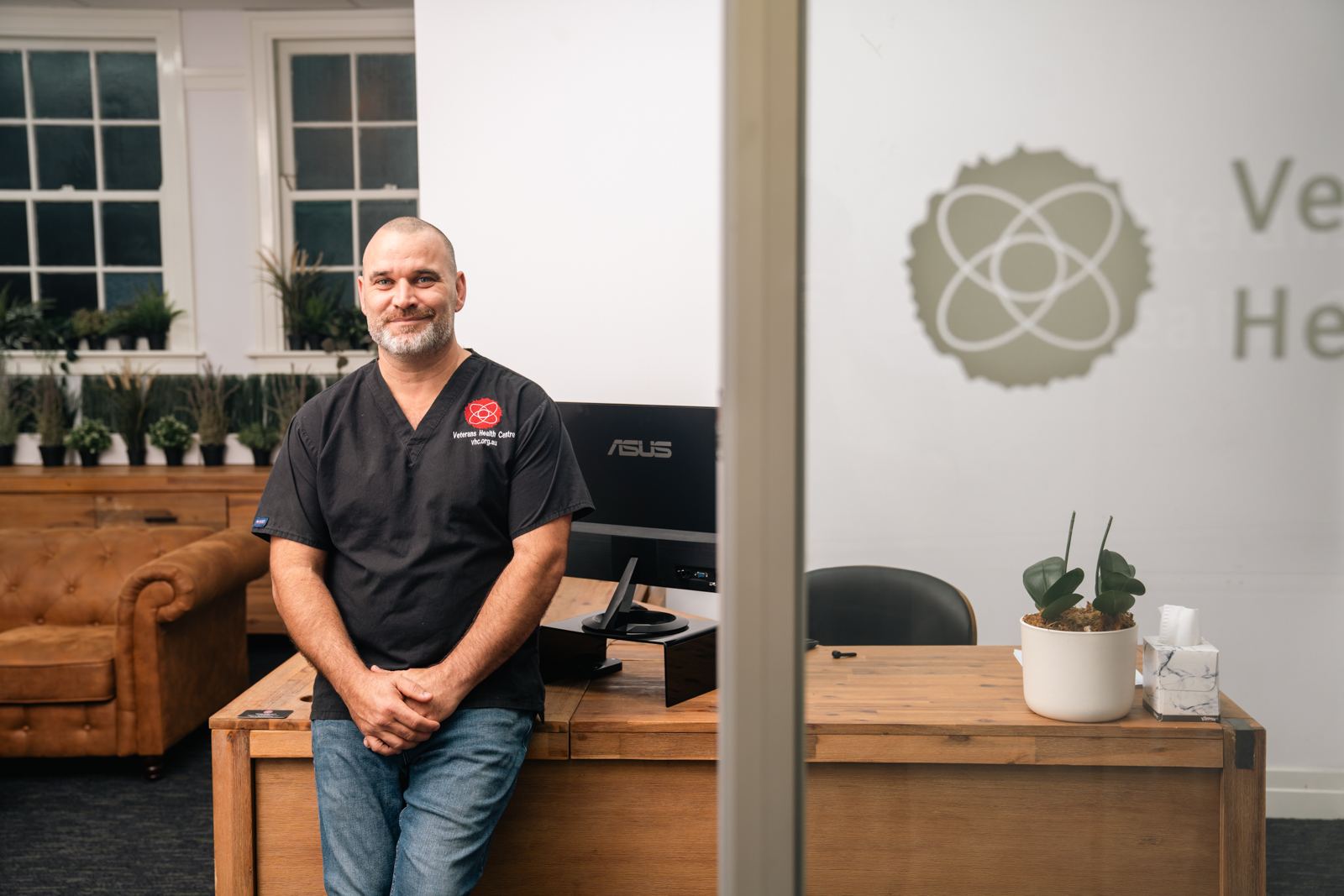

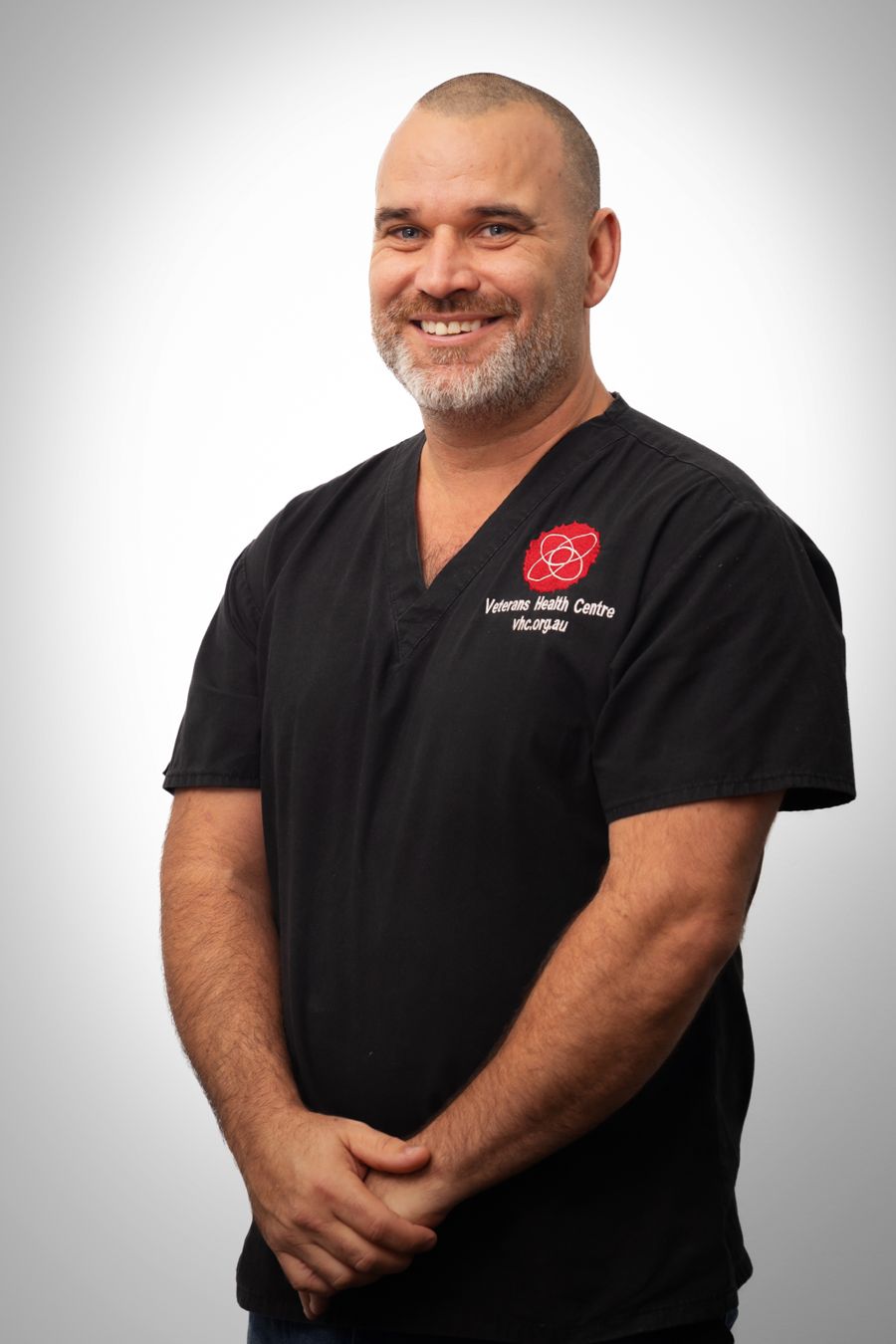
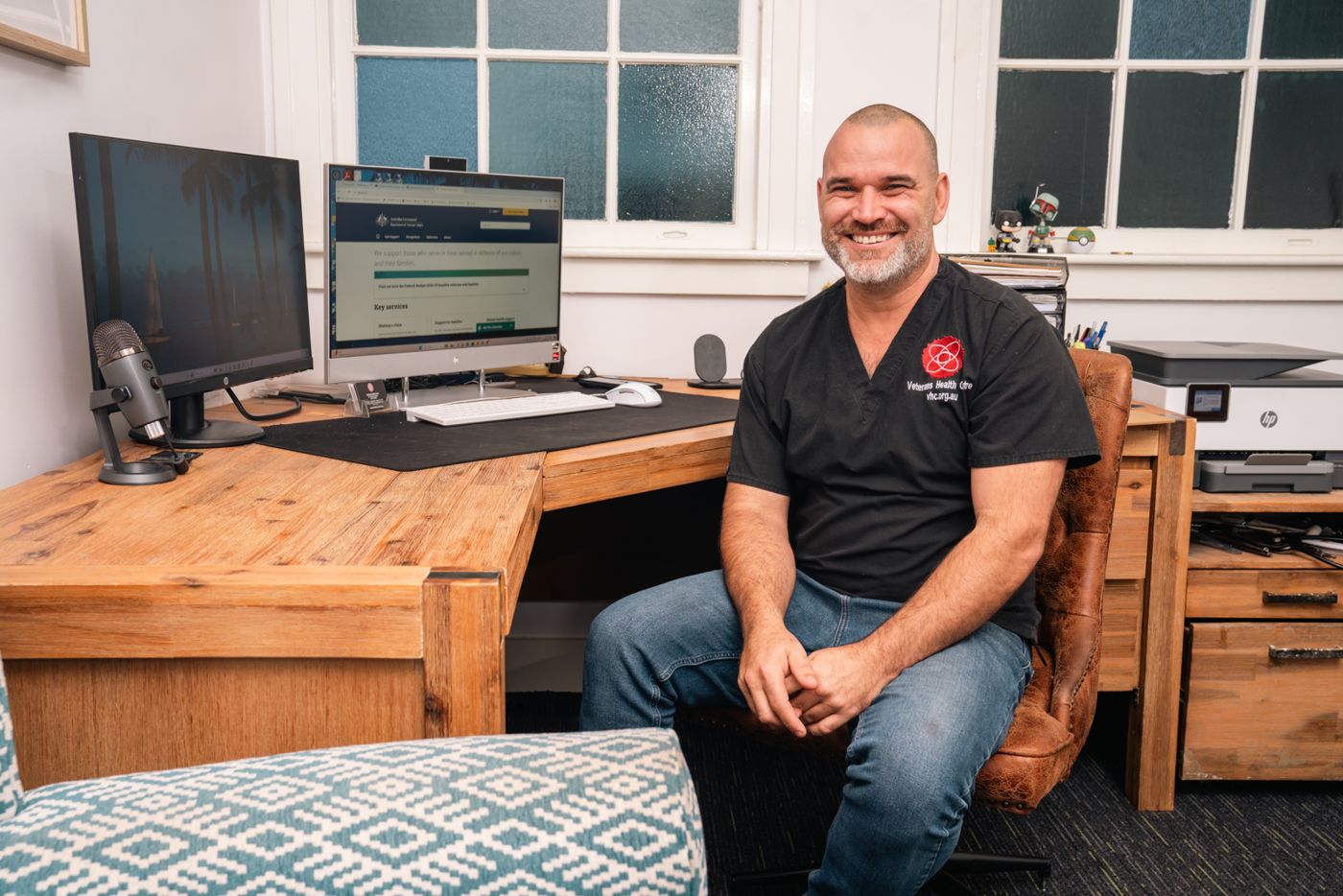
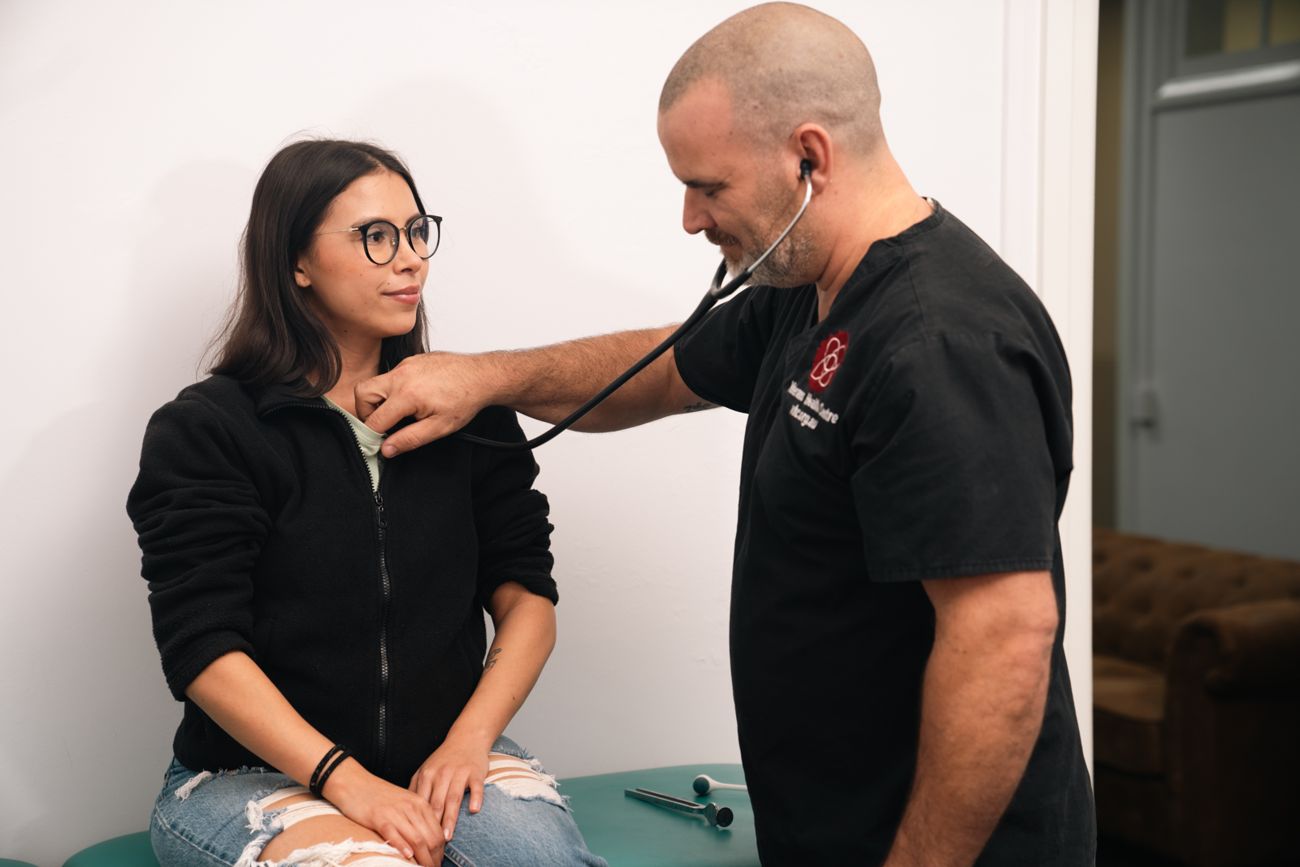
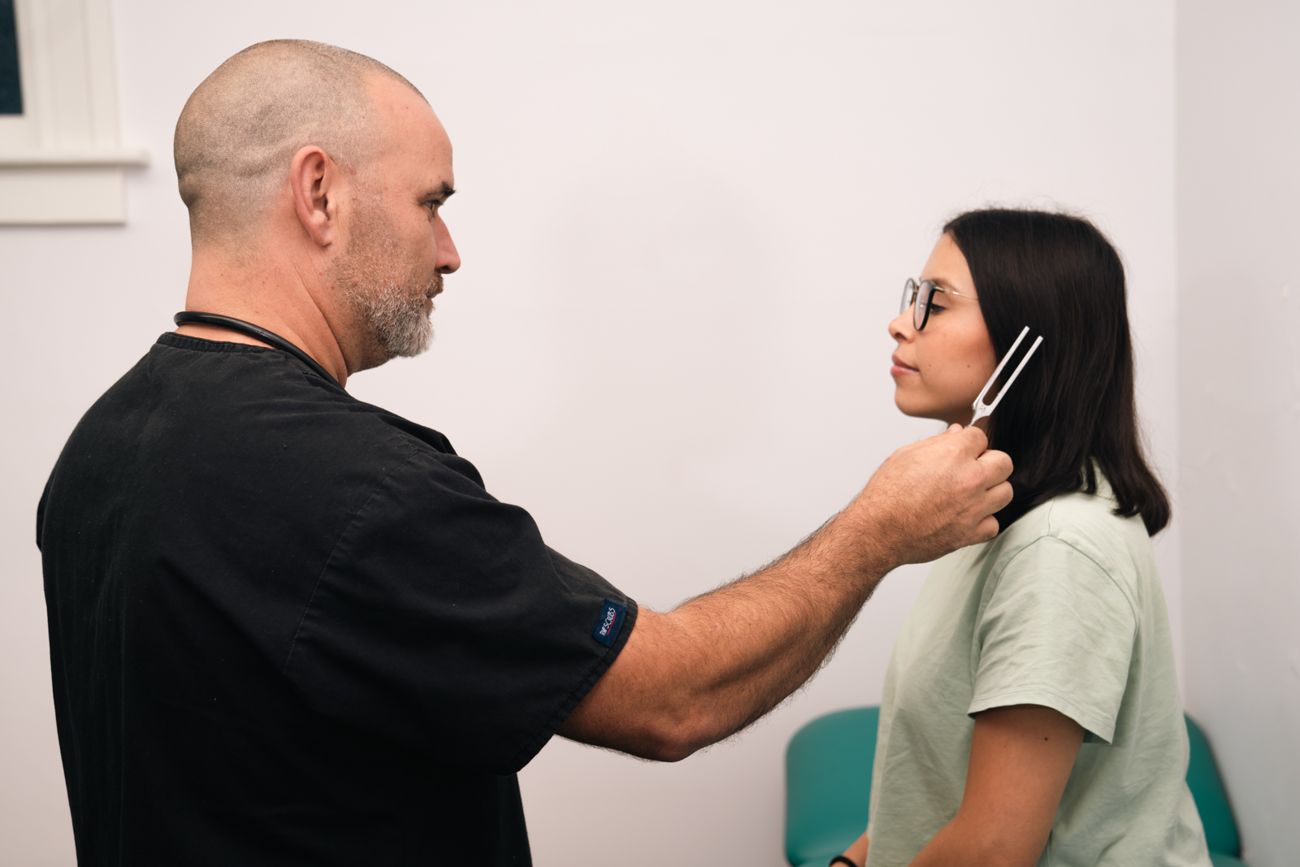
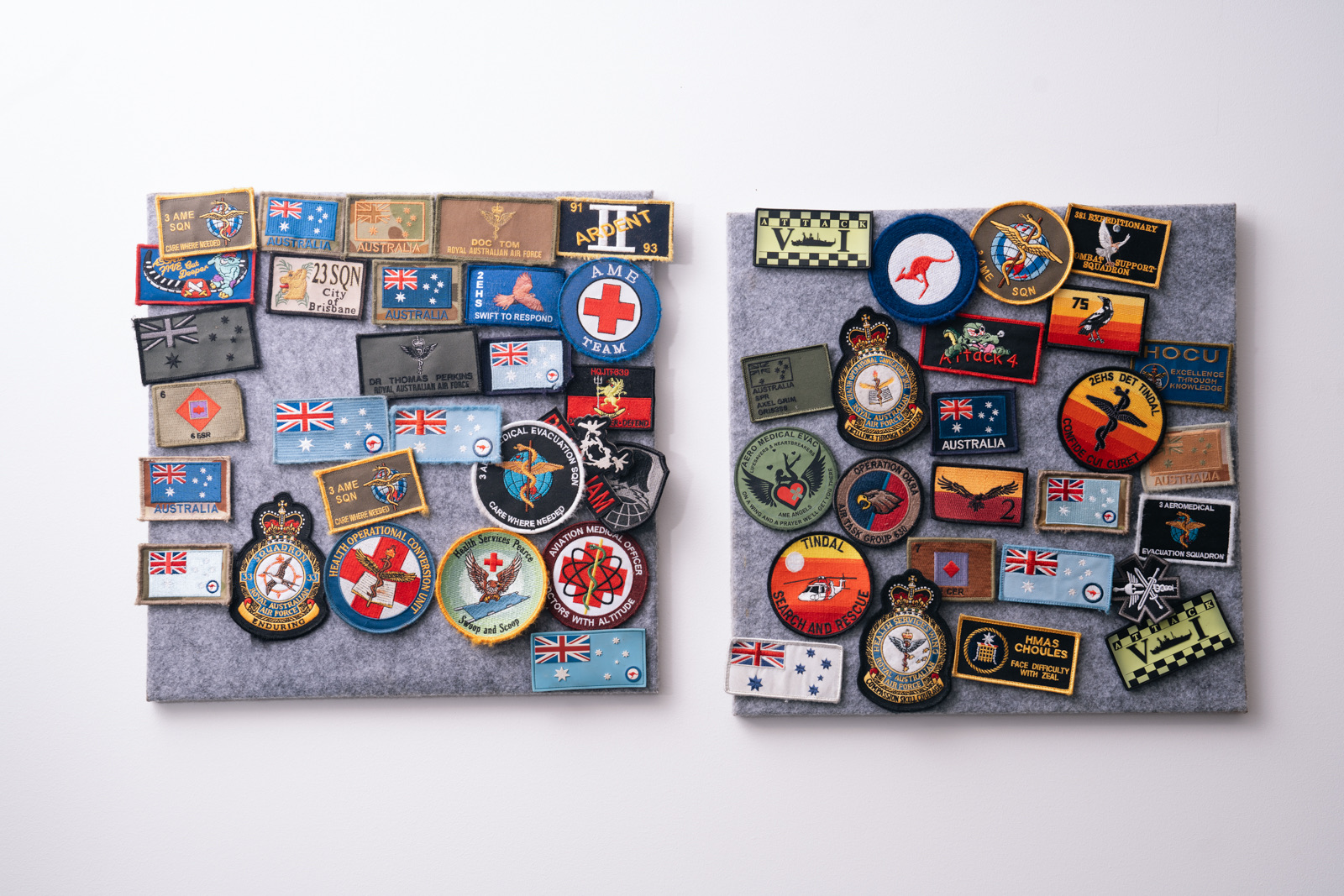
Dr Thomas Perkins is the founding doctor at the Veterans Health Centre in Ipswich, Queensland, and the leading expert in veterans’ medicolegal work in Australia. He has spent over 13 years working exclusively with current and former Australian Defence Force members — treating conditions, writing reports, and navigating the DVA system alongside them.
With 80,000+ DVA claims submitted and over 2,000 Permanent Impairment Assessments completed, Dr Perkins brings a depth of experience that simply cannot be replicated from a textbook. He understands the Statements of Principles, the GARP tables, the imaging that proves what a physical examination alone cannot — and the difference that a properly written report makes at every level, from initial liability through to the VRB.
Every chart review, every diagnostic assessment, and every impairment rating is personally overseen by Dr Perkins. If you’re looking for a doctor who knows veterans medicine inside and out, you’ve found the right clinic.
Contact us0429 146 039 reception@vhc.org.au
Book appointmentBring your advocate a claim they can win
We read every page of your record, find every documented condition, and write the medical evidence each Statement of Principles asks for. Fixed fee. No percentage of your compensation, ever.