
A DVA GP who understands veterans
The Veterans Health Centre is a general practice built around veterans, by a doctor who has spent his career in this population and nowhere else.
If you hold a DVA White Card or Gold Card, your care here is bulk billed. There are no out-of-pocket fees.
At a glance
- White Card holdersBulk billed
- Gold Card holdersBulk billed
- Out-of-pocket cost$0
- Review cycle3-monthly
What a DVA-friendly doctor actually means
Veterans searching for a DVA GP near them are usually looking for one specific thing: a doctor who understands DVA.
It means the doctor already knows what a MEC downgrade is, and why your back is the way it is after twelve years of load carriage. It means they know what a deployment cycle does to sleep, and why you stopped reporting things halfway through your career.
In practice, it means you are not spending the first half of every appointment explaining the ADF.
It also means your healthcare and your DVA claims are not happening in two separate universes. The conditions being treated here are the conditions documented for DVA — by the same doctor, from the same record.
A DVA doctor, not a GP who occasionally sees veterans.
Dr Thomas Perkins is the founding doctor of the Veterans Health Centre and a former Royal Australian Air Force aviation medical officer — 3 Aeromedical Evacuation Squadron, 2 Expeditionary Health Squadron, and the Health Operational Conversion Unit as an instructor — with deployed service on Operation Resolute. He was a contracted senior medical officer at Amberley Health Centre from 2018 to 2020 before founding the clinic, and has spent more than thirteen years working exclusively with current and former ADF members.
Over 80,000 DVA claims submitted and more than 2,000 Permanent Impairment Assessments completed. That volume matters clinically as much as it does medicolegally: it means the pattern of injury and illness in this population is familiar rather than novel, and the conditions that get missed elsewhere get looked for here.
He holds an MBBS, is a Fellow of the Royal Australian College of General Practitioners, is registered with AHPRA, and has completed the NSW SIRA impairment assessor training. More about Dr Perkins →
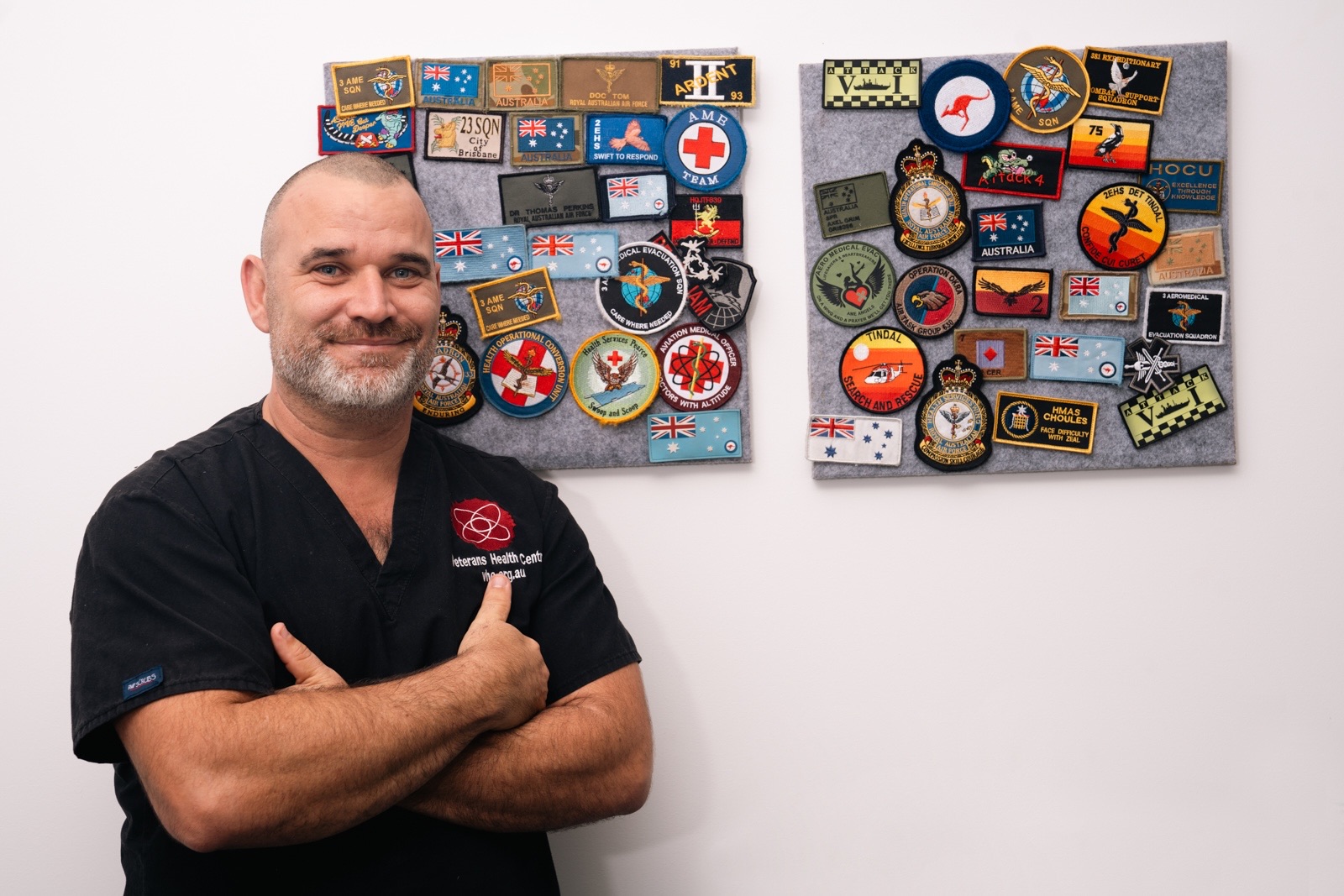
- Former RAAF aviation medical officer
- 13+ years working exclusively with ADF members
- MBBS, FRACGP, AHPRA registered
- 80,000+ DVA claims submitted
- 2,000+ Permanent Impairment Assessments
- Every report personally overseen
Physical and mental health, together.
Veterans do not arrive with one problem. The knee, the back, the hearing, the sleep and the mood are usually the same story told by different systems, and treating them separately is how people fall through the gaps.
Physical injuries
The musculoskeletal legacy of service — lumbar and cervical spine, shoulders, knees, ankles, feet — along with hearing loss and tinnitus, sleep apnoea, reflux, migraine and the skin conditions that follow years of sun exposure.
Ongoing management, imaging where it is needed, referral to specialists who understand veterans, and coordination of the allied health that keeps you moving.
Mental health
Post-traumatic stress disorder, depressive and anxiety disorders, alcohol use, and the sleep disturbance that sits underneath most of it. Treated as ordinary clinical work rather than as something set apart.
Mental health treatment plans, referral to psychologists and psychiatrists experienced with ADF members, and coordination with Open Arms where that is the better fit.
Chronic disease management
Hypertension, diabetes, cardiovascular risk, respiratory disease, weight and metabolic health — the conditions that develop in the years after service, often out of the injuries that ended it.
Structured management rather than reactive appointments: monitoring, medication review, and the screening that catches problems while they are still small.
Continuing care
Regular reviews on a three-monthly cycle, so conditions are tracked rather than revisited only when something goes wrong. Care plans, referrals and results followed up as a matter of course.
The same doctor each time, with your full history in front of him — which is the entire point.
What we do in the clinic.
General practice for veterans, plus the assessments and paperwork that only make sense when the doctor writing them already knows you.
General practice
Ordinary GP care for current and former ADF members — acute problems, scripts, results, referrals and everything in between, with your service history already on the file.
Annual Veteran Health Checks
A structured yearly review built for veterans: screening that looks for the problems service tends to leave behind, so they are picked up while they are still small.
Coordinated Veterans' Care
Care planning and referral coordination for veterans living with complex or long-running conditions, so the pieces of your care actually talk to one another.
Chronic disease & weight management
Evidence-based programmes for the long haul — blood pressure, diabetes, cardiovascular and metabolic risk, weight — aimed at how you feel day to day, not just at the numbers.
Mental health referral
Mental health treatment plans and referral to psychologists and psychiatrists who have worked with ADF members before, so you are not explaining the basics of service to your clinician.
Medically indicated imaging
X-ray, ultrasound, CT and MRI where there is a clinical reason for it — requested to answer a specific question about your condition, and interpreted by a doctor who knows how the injury happened.
Medical incapacity certificates
Certification of your capacity for work where DVA requires it, completed by the doctor who has actually been managing the conditions in question.
ADF transition medicals
Medicals for members moving out of uniform, with the documentation done properly at the point where it is easiest to get right.
Diagnostic Assessments
The reports DVA asks for when it needs a diagnosis confirmed. See how we write them →
Who we see, and how to start.
Care here is built around one patient population, and getting started takes a phone call.
DVA Gold Card holders
Full cover for all of your clinical needs, whether or not a condition is service-related. Bulk billed, with nothing to pay.
DVA White Card holders
Cover for the conditions DVA has accepted, plus mental health treatment and cancer care regardless of acceptance. We will tell you plainly what your card funds and what it does not.
Serving ADF members
Support for those still in uniform, including transition medicals and the documentation that matters later.
Veterans on a DVA treatment pathway
Including PAMT and other DVA-funded programmes — we work within the pathway you are already on rather than starting again.
To get started, call 0429 146 039 or email reception@vhc.org.au and we will book your first appointment.
Why DVA wants your own doctor to do the assessment
DVA's clear preference is that assessments and diagnoses come from your regular treating GP — a doctor with a real, continuing relationship with you — rather than from someone meeting you for the first time to write a report.
The reason is straightforward. A treating GP already knows your medical history, the order in which your conditions appeared, and what you were doing in the service when they did. That context is exactly what a decision maker is looking for, and it is why a report from your own doctor carries more weight than the same words from a stranger.
In practice this means you should expect at least two clinical appointments with your GP before a claims Diagnostic Assessment or a Permanent Impairment assessment is completed. Those appointments are generally billed to DVA under your White or Gold Card, so they cost you nothing — and they are what turns a form into an assessment DVA can rely on.
It is also why we ask new patients to start with healthcare rather than with paperwork. Permanent Impairment assessments in particular must be done in person, by your usual treating doctor.
DA, TRN and PI — what they actually mean.
Three abbreviations come up constantly once a claim is in. Here is what each one is, and why it matters to you.
DA — Diagnostic Assessment
DVA asking a doctor to confirm your diagnosis.
After you lodge a claim, DVA reviews it and may issue a DA: a request for a doctor to medically confirm that you have the condition you are claiming. The DA is not the claim itself — it is DVA asking for clinical confirmation of it.
Issued by DVA after you claim.
TRN — Transaction Reference Number
DVA's authority for your GP to be paid for the paperwork.
A TRN is the unique number DVA issues with a DA. Treat it like a purchase order: without one, DVA will not pay for a claims-related appointment. Each TRN is single-use and covers only the specific thing DVA asked for.
Comes attached to the request.
PI — Permanent Impairment
How much an accepted condition affects your daily life.
A PI assessment measures the long-term functional impact of a condition DVA has already accepted, and sets your compensation under the MRCA. It must be completed in person by your usual treating GP, not a one-off examiner — which is why the treatment relationship comes first.
In person, treating GP only.
Looking for a DVA GP near you?
Most veterans arrive here having tried the obvious search — DVA doctor, DVA GP near me, doctor who understands DVA — and found practices that accept the card without knowing much about the system behind it. Accepting a DVA card and being a DVA-friendly doctor are not the same thing.
A GP who understands DVA knows what your Veteran Card actually funds and what it does not. They know that a condition has to be accepted before it can be treated on a White Card, and that getting it accepted turns on documentation they can help produce. They recognise the injury patterns that come out of service, ask about the things veterans have stopped mentioning, and write referrals to specialists who have seen ADF members before.
We are based in Ipswich, Queensland, fifteen minutes from RAAF Base Amberley, and we work with veterans across South East Queensland and — for records-based claims work — Australia-wide. If you are searching from further afield, our locations page sets out what can be done remotely and what needs you in the room.
Bulk billed. No out-of-pocket fees.
White Card
Treatment for your DVA-accepted conditions is bulk billed. Nothing to pay on the day, no gap to claim back.
Gold Card
All of your healthcare is bulk billed, whether or not the condition is service related. Nothing to pay.
No card yet?
Getting conditions accepted is what produces the card. Speak to us about a chart review — the same record that supports your claims is the record we treat from.
Medicolegal reporting — chart reviews, diagnostic assessments, impairment assessments and appeal documents — is billed separately and privately, because it is not funded by Medicare or DVA. That work and your healthcare are kept distinct. See fees.
Frequently asked questions
Do I need a Gold Card to be seen here?
No. White Card holders are bulk billed for treatment of accepted conditions, and Gold Card holders are bulk billed for all healthcare. If you do not yet hold a card, speak to us about getting your conditions accepted.
Will I have out-of-pocket costs?
Not for bulk billed healthcare on a White or Gold Card. Medicolegal reporting is a separate, privately billed service and is always quoted in writing beforehand.
Can you be my regular GP?
That is the intention. Continuing care with three-monthly reviews works considerably better than seeing whoever is available when something flares.
Do you treat mental health conditions?
Yes — as ordinary clinical work. We provide mental health treatment plans, refer to psychologists and psychiatrists experienced with ADF members, and work alongside Open Arms where that suits you better.
Do I have to be a claims patient to receive healthcare?
No. The two are separate. Plenty of patients come for healthcare alone, and plenty come for reports alone.
Are you a DVA GP?
Yes. The Veterans Health Centre is a general practice working exclusively with current and former ADF members, and Dr Perkins has done so for more than thirteen years. Treatment on a DVA White or Gold Card is bulk billed.
I searched ‘DVA doctor near me’ — do you take new patients?
Yes. Call 0429 146 039 or email reception@vhc.org.au. We are in Ipswich, Queensland, and see veterans from across South East Queensland.
Dr Thomas Perkins
The expert in veterans’ medicolegal medicine — Expert DVA Doctor.
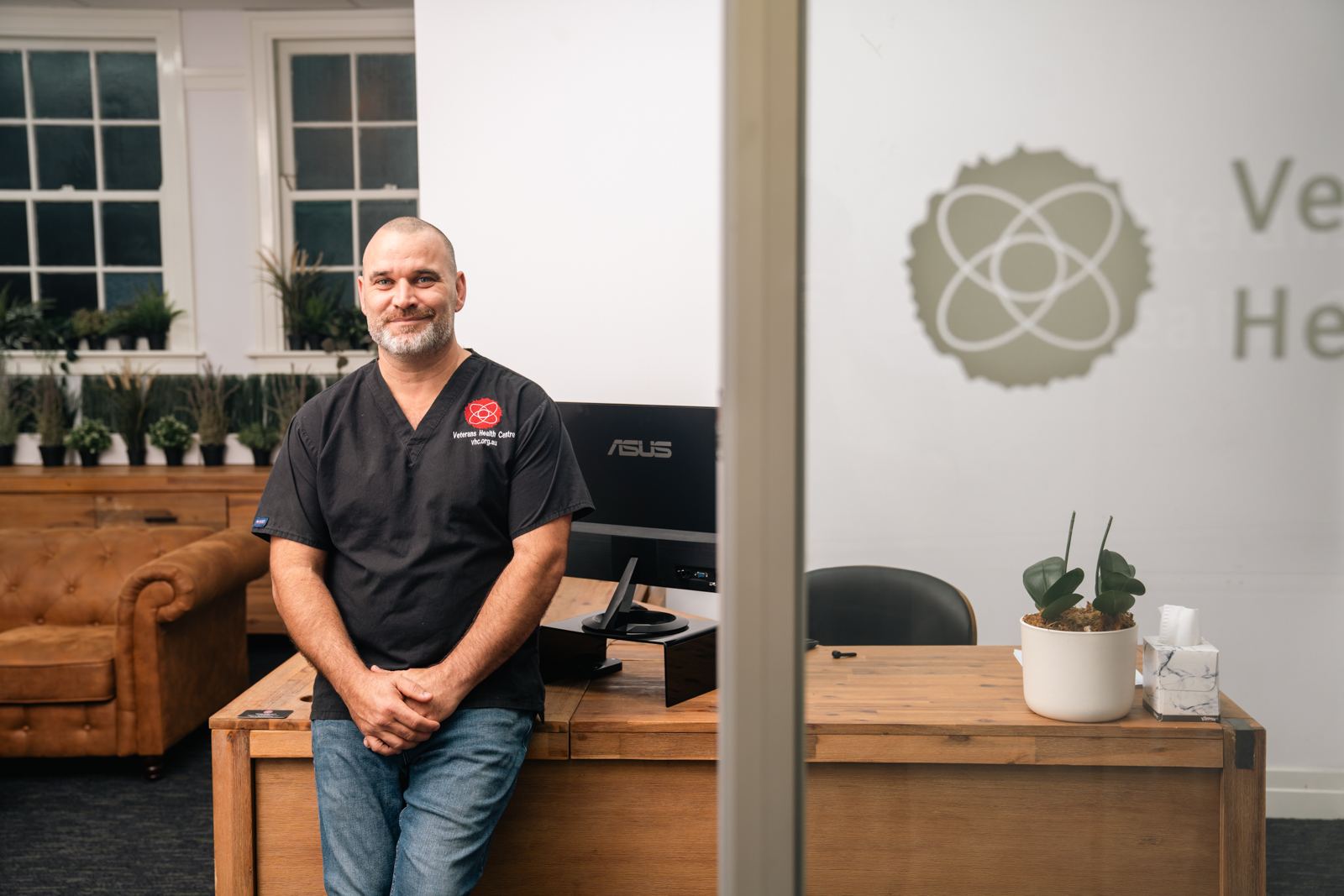
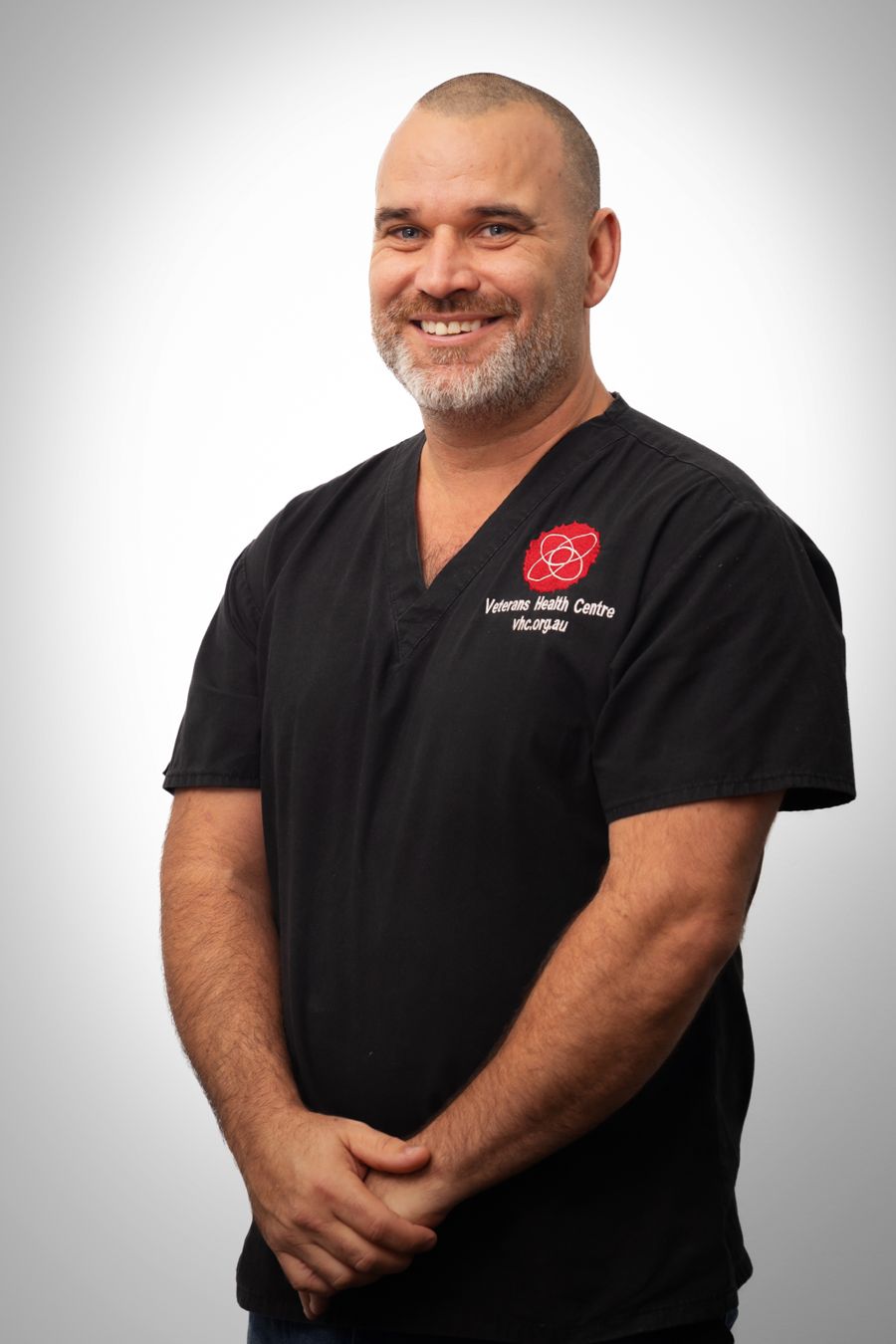
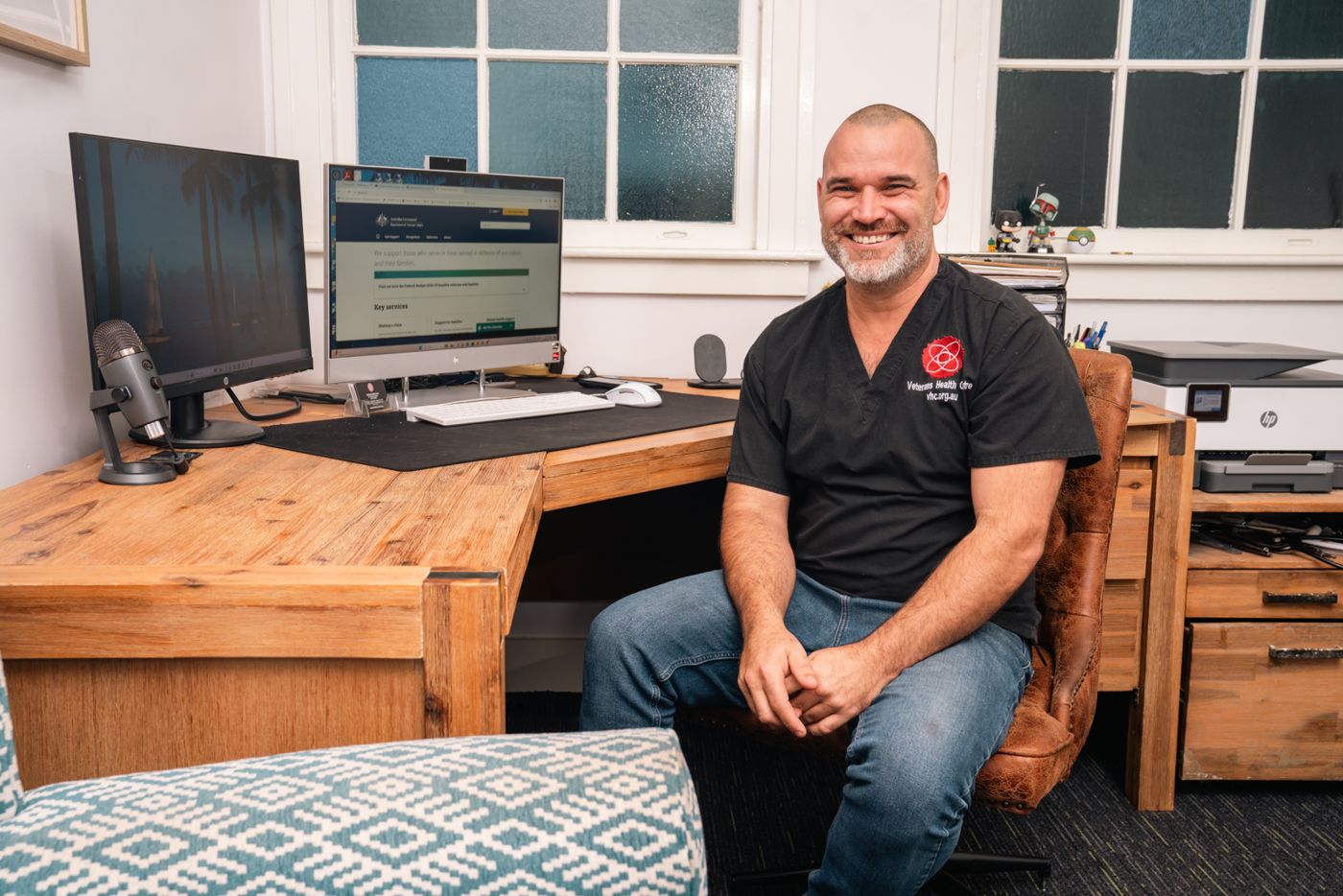
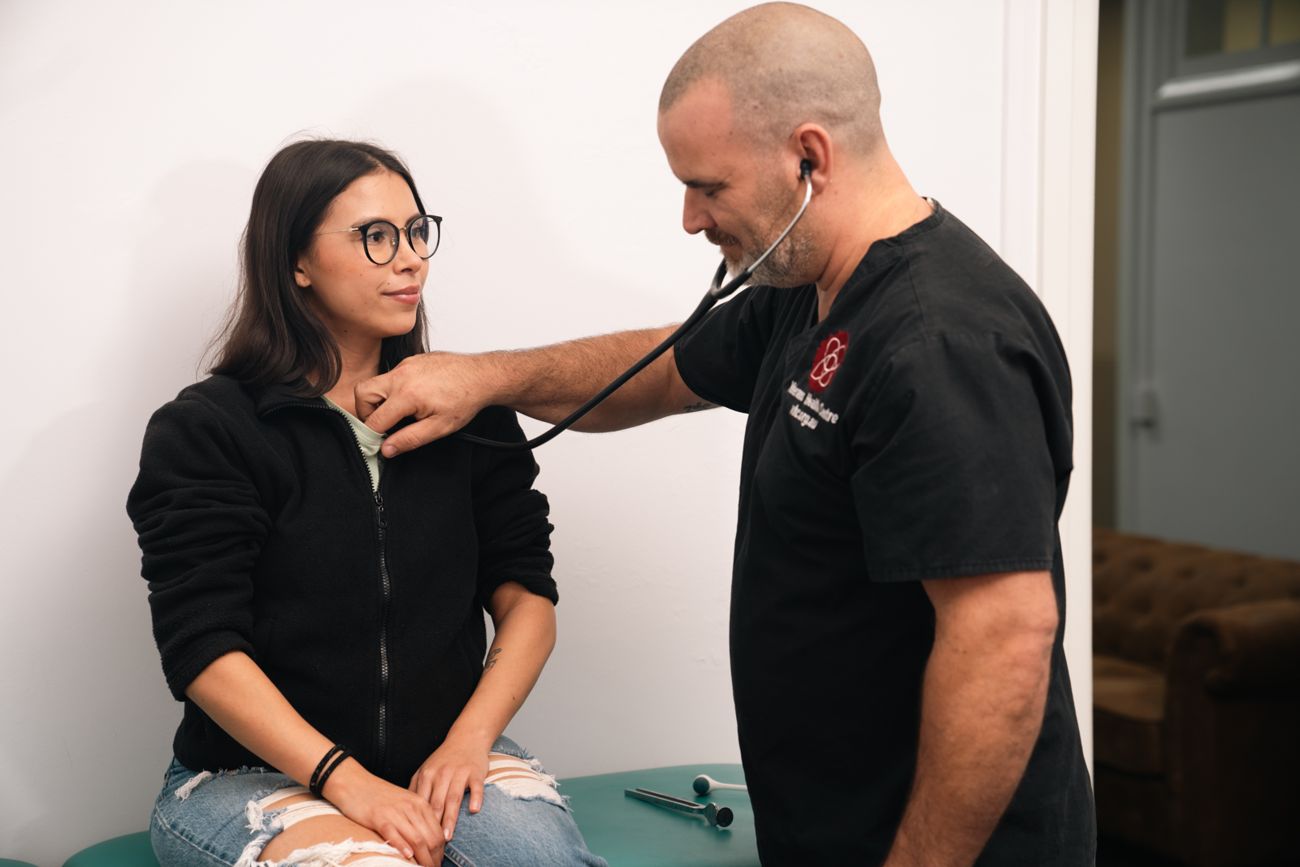
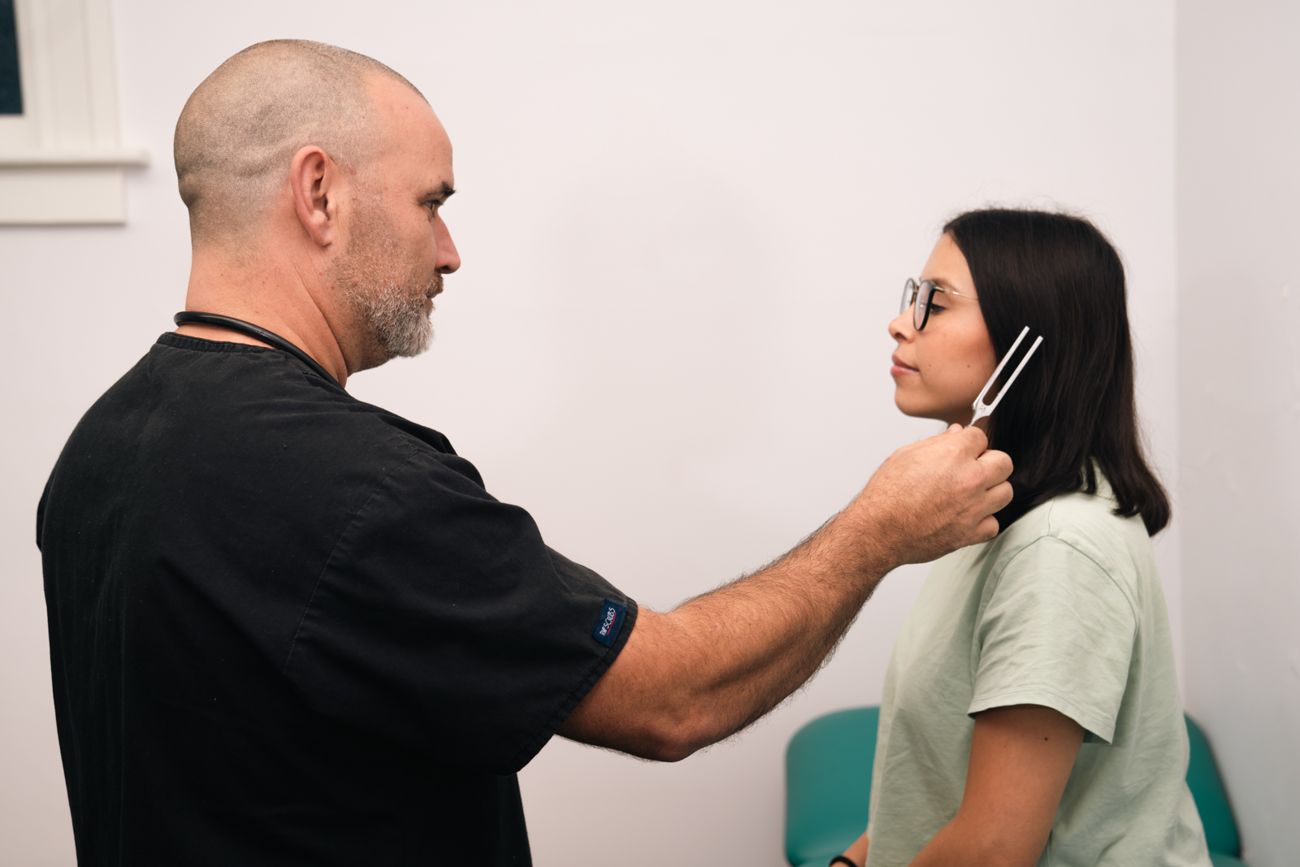
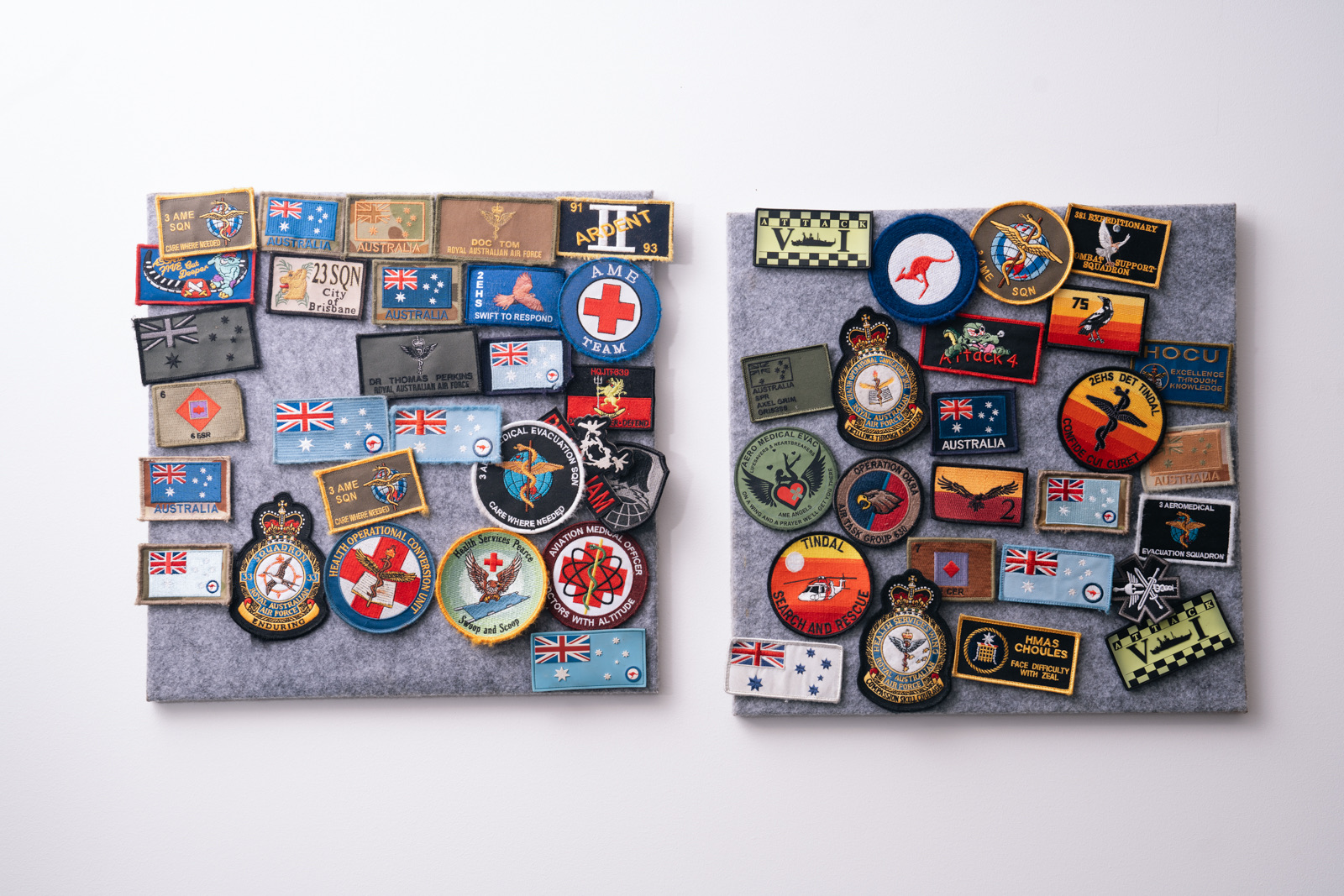
Dr Thomas Perkins is the founding doctor at the Veterans Health Centre in Ipswich, Queensland, and the leading expert in veterans’ medicolegal work in Australia. He has spent over 13 years working exclusively with current and former Australian Defence Force members — treating conditions, writing reports, and navigating the DVA system alongside them.
With 80,000+ DVA claims submitted and over 2,000 Permanent Impairment Assessments completed, Dr Perkins brings a depth of experience that simply cannot be replicated from a textbook. He understands the Statements of Principles, the GARP tables, the imaging that proves what a physical examination alone cannot — and the difference that a properly written report makes at every level, from initial liability through to the VRB.
Every chart review, every diagnostic assessment, and every impairment rating is personally overseen by Dr Perkins. If you’re looking for a doctor who knows veterans medicine inside and out, you’ve found the right clinic.
Contact us0429 146 039 reception@vhc.org.au
Book appointmentLooking for a GP who knows the ADF?
Contact us for more information.