
How to Get Your ADF Medical Records
Your Defence health record is the single most valuable document in a DVA claim, and you are entitled to a full copy of it. Defence provides it free, within 30 days, through a personal information request. Here is exactly how to ask, what to ask for, and the mistakes that send people back to the start.
- Start here: https://www.defence.gov.au/about/accessing-information/personal-information-requests
- Fast route (ServiceConnect): defence.gov.au/about/staff-resources/serviceconnect
- Website form (fallback): https://www.defence.gov.au/about/accessing-information/personal-information-requests/personal-information-request-form
- Phone: 1800 333 362 (1800 DEFENCE)
- Email: yourcustomer.service@defence.gov.au
At a glance
- CostFree
- Timeframe30 days
- Fastest routeServiceConnect
- ID needed2 certified
How do I get my ADF medical records?
Submit a personal information request to the Department of Defence. The fastest way is online through ServiceConnect, using My Service Records and verifying your identity with myID — your records come back as a secure download link. If you cannot use ServiceConnect, there is a form on the Defence website; those requests come back on an encrypted USB by post. Either way it is free, and Defence aims to action it within 30 days. Ask for your full health record, including unit records and electronic-only records.
Two ways to ask — both free, both 30 days
ServiceConnect (online)
- Identity: verified digitally with myID — no certified copies, no posting documents.
- Tracking: you can watch the request’s progress.
- Delivery: an email with a secure download link.
- Speed: fastest route. Nothing waits on Australia Post.
Best for almost everyone. Set up myID first if you do not have it.
Defence website form
- Identity: two certified proof-of-identity documents submitted with the form.
- Tracking: none — you wait for contact.
- Delivery: an encrypted, password-protected USB posted to you.
- Speed: 30 days, plus Australia Post delivery time.
Use this if you cannot use ServiceConnect or cannot set up a myID.
Either way it costs nothing, Defence aims to action it within 30 days, and you should ask for your full health record including unit and electronic-only records, plus service records, psychology records and incident records. Questions: 1800 333 362 or yourcustomer.service@defence.gov.au.
Why your service record decides your claim
DVA does not decide claims on what you remember. It decides them on what is written down. Every Statement of Principles lists factors that must be satisfied — an injury to a named structure, a documented onset, an exposure above a threshold, a symptom recorded within a particular window — and the evidence for those factors is almost always sitting in a Defence health record that the veteran has never read.
We see this constantly. A veteran arrives certain they have three claimable conditions. Their record, once read properly, documents fifteen. Knees reviewed four times at RAP, a shoulder that was imaged and forgotten, audiograms showing a clear downward shift across a posting, a back that was treated for two years and never diagnosed. None of it is claimable until someone reads it.
So this is step one, before advocates, before forms, before anything: get your record.
What Defence actually holds
A personal information request can cover several categories, and it is worth naming them all rather than assuming:
- Health records — your medical and dental file, including unit-level records and electronic-only records held in Defence health systems.
- Service records — postings, deployments, courses, units, dates. The factual backbone that connects a condition to a place and time.
- Psychology records — held separately from general health records. If you do not name them, you may not get them.
- Incident and inquiry records — incident reports, investigations, anything formally recorded about an event.
Defence notes that some of this can be difficult or upsetting to read if it details traumatic events. That is worth planning for, particularly with psychology records. If you have a treating doctor or psychologist, consider having the file land with them at the same time as you.
Looking instead for what DVA holds — determination letters, impairment reports, claim files? That is a separate request to a different department: how to access your DVA medical records.
Who can request
Defence accepts requests from a current member, an ex-member, an immediate family member of a current or ex-member (living or deceased), and an advocate or representative acting for either.
If you are a current serving member, the first step is different: approach your current Defence unit for your own personnel records rather than going straight to the request process.
Before you start: what to prepare
- A written list of exactly what you want. Do not write “my records”. Write out the categories — full health record including unit and electronic-only records, service record, psychology records, incident records — and the years you served.
- Two certified proof-of-identity documents — one photo ID and one secondary ID.
- If you are requesting on someone else’s behalf: two certified ID documents for them as well as for you, plus a signed consent in Defence’s wording — “I [name] residing at [address] consent to allow my Defence information to be released to [name] via [address]. By signing this document I authorise Defence to disclose the information identified in the online application made to Defence on [date].” — with their handwritten signature matching their primary ID.
- If the member has died: proof of your relationship to them, and proof of death.
Step by step — the fast route (ServiceConnect)
- Set up a myID digital identity if you do not already have one. This is the Australian Government identity app and it is what ServiceConnect uses to verify you.
- Sign in to ServiceConnect and go to My Service Records. Defence publishes a help guide for this form (PDF).
- Submit a personal information request, listing every category you want. Be specific and be generous — a broad, clearly worded request costs nothing extra.
- Track the request through ServiceConnect.
- You receive an email with a secure link to download your records electronically.
This is the route to take if you can. It is faster, you can watch its progress, and you get files rather than a posted USB.
Step by step — the alternative route (Defence website form)
- Open the personal information request form on the Defence website and complete it.
- Attach your two certified ID documents, plus consent and relationship documents if you are acting for someone else.
- Submit it and wait. Defence actions requests within 30 days unless they tell you otherwise.
- Your records arrive on an encrypted, password-protected USB by Australia Post, so allow postal time on top of the 30 days.
If you get stuck, Defence’s line is 1800 333 362 (1800 DEFENCE), and the email address is yourcustomer.service@defence.gov.au.
What happens inside Defence
Knowing the process helps you read the response. Defence assesses whether to release the material administratively or as a Freedom of Information request, confirms your identity, checks consent and relationship where relevant, acknowledges your request with a timeframe, locates the documents, applies redactions under the Defence redaction guidelines, compiles everything, and sends it with a letter explaining any redactions and how to escalate.
Redactions happen under the Privacy Act 1988 to protect third parties — other people named in your file. That is normal. If the material you get back is genuinely inadequate — whole periods missing, categories you asked for absent — you can submit a Freedom of Information request for a more formal review, and the covering letter will tell you how.
The four mistakes that cost people months
- Asking too narrowly. “My medical records” can come back as the core file without unit records, electronic-only records or psychology records. Name each category.
- Uncertified ID. Copies must be certified. This is the single most common reason a request stalls before it starts.
- Forgetting psychology records. They sit in their own category. For any mental health claim they are usually the most important pages in the file.
- Requesting only after lodging. Lodging a claim and then waiting on records means DVA is assessing a claim you cannot yet support. Get the record first, read it, then lodge everything it supports.
You have the file. Now what?
This is where most veterans stall, and understandably. What arrives is commonly three to six hundred pages of scanned handwriting, RAP notes, forms, audiograms and abbreviations, in no useful order, with the important entries indistinguishable from the routine ones.
A chart review is a doctor reading every page of it and returning a list of every condition documented in the record, each one page-referenced, so you and your advocate can see exactly what is supportable. From there, each condition needs its diagnosis established and its service connection set out factor by factor — that is a diagnostic assessment.
Once you have documents to lodge, see how to upload documents to MyService. If you want someone to run the claim itself, read free vs private DVA advocates — a free advocate through an ex-service organisation costs nothing and is worth having.
Questions about getting your ADF records
How much does it cost to get my ADF medical records?
Nothing. A personal information request to Defence is free, whether you submit it through ServiceConnect or the website form.
How long does it take?
Defence actions personal information requests within 30 days unless they notify you otherwise. If you use the website form rather than ServiceConnect, add Australia Post delivery time for the USB.
Can DVA just get my records for me?
DVA can obtain service and medical records from Defence, but you are entitled to your own copy and it is far better to have it. You cannot work out what is claimable from a file you have never seen.
Can my advocate request them on my behalf?
Yes. An advocate or representative of a current or ex-member can make the request, with certified ID for both of you and a signed consent in Defence’s specified wording.
I am still serving. Is it the same process?
Not quite. Current serving members should first approach their own Defence unit for personnel records relating to themselves.
Why is part of my file blacked out?
Redactions are applied under the Privacy Act 1988 to protect the privacy of third parties named in your record. The covering letter explains the reasons and how to seek review.
What if records are missing?
If what you receive is inadequate, you can lodge a Freedom of Information request for a more formal review. Check first that you asked for every category — unit records, electronic-only records and psychology records are the ones most often left out of a narrow request.
Can you read my records for me?
Yes — that is what a chart review is. A doctor reads every page and lists every documented condition with page references, so nothing claimable is missed.
Dr Thomas Perkins
The expert in veterans’ medicolegal medicine — Expert DVA Doctor.



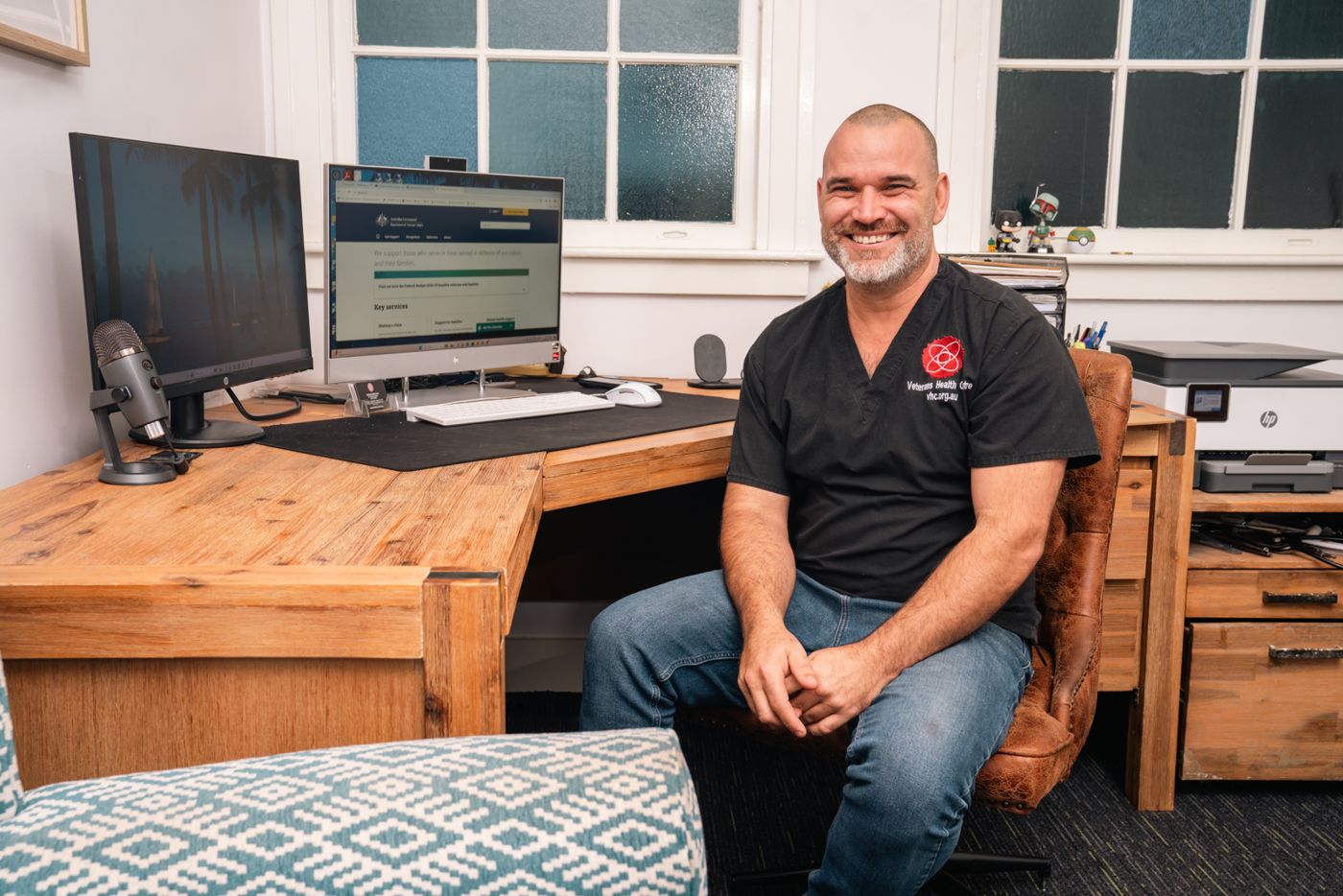
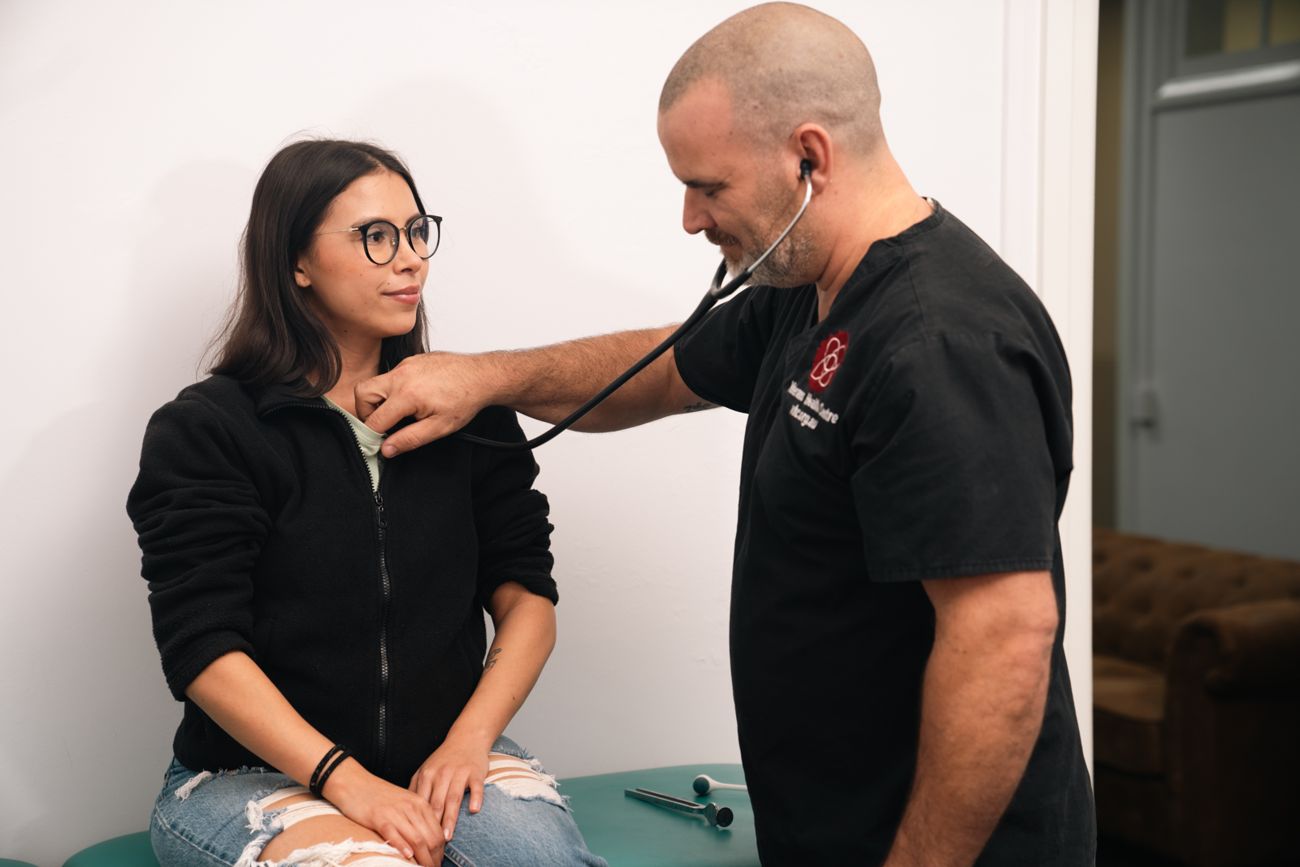
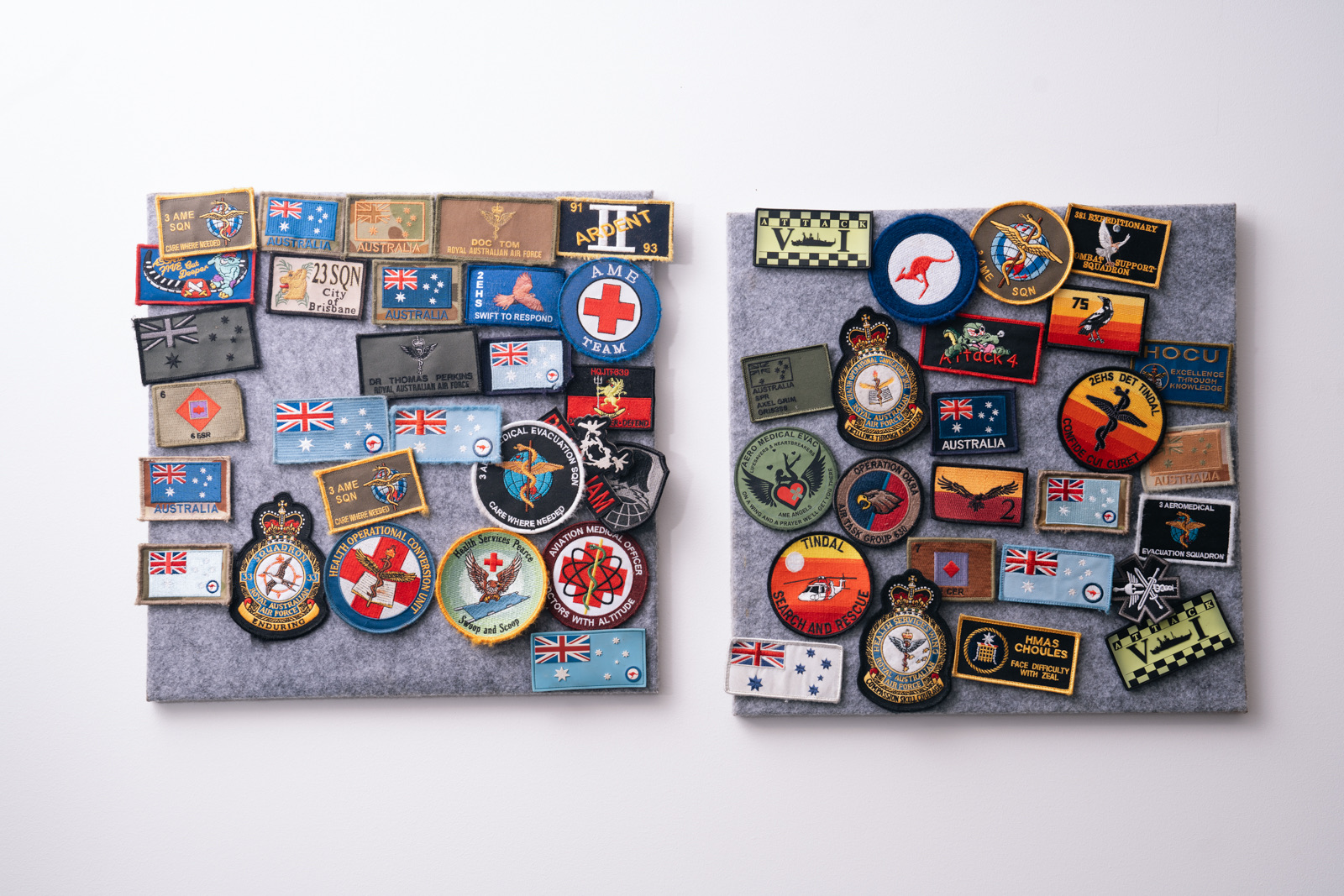
Dr Thomas Perkins is the founding doctor at the Veterans Health Centre in Ipswich, Queensland, and the leading expert in veterans’ medicolegal work in Australia. He has spent over 13 years working exclusively with current and former Australian Defence Force members — treating conditions, writing reports, and navigating the DVA system alongside them.
With 80,000+ DVA claims submitted and over 2,000 Permanent Impairment Assessments completed, Dr Perkins brings a depth of experience that simply cannot be replicated from a textbook. He understands the Statements of Principles, the GARP tables, the imaging that proves what a physical examination alone cannot — and the difference that a properly written report makes at every level, from initial liability through to the VRB.
Every chart review, every diagnostic assessment, and every impairment rating is personally overseen by Dr Perkins. If you’re looking for a doctor who knows veterans medicine inside and out, you’ve found the right clinic.
Contact us0429 146 039 reception@vhc.org.au
Book appointmentGot your records? Find out what is actually in them
We read every page of your service and civilian record and return every documented condition, page-referenced. Veterans routinely find several times what they came in expecting.