
DVA Claims for Army Veterans
Army produces the heaviest claims in the ADF, and the most under-claimed. Two decades of load carriage, field service and deployment leave a pattern that is recognisable long before you open the file — but only if someone knows what they are looking at.
At a glance
- Chart Review$600 + GST
- Diagnostic Assessment$600 + GST
- Permanent Impairment$1,500 + GST
- Commission on your payout0%
DVA claims for Army veterans
Soldiers are the largest group of veterans in Australia and, in our experience, the group most likely to have claimed a fraction of what their record supports. The reason is cultural as much as administrative: injuries were managed rather than reported, and what was reported was often recorded as a single line in a unit medical file that nobody has read since.
What Army service actually claims for.
These are the conditions we find again and again in Army records. Not every veteran has all of them — but almost nobody has claimed all the ones they have.
Lumbar and thoracic spine
Degeneration and disc prolapse from load carriage, pack marching and vehicle vibration. Thoracolumbar spondylosis and disc prolapse both carry presumptive liability provisions with long onset windows.
Cervical spine
Neck loading from helmets, night vision devices and body armour, and from armoured vehicle crew positions.
Knees, ankles and feet
Meniscal and cartilage injury, chondromalacia patella, plantar fasciitis, medial tibial stress syndrome and osteoarthritis of the lower limb joints.
Shoulders
Rotator cuff syndrome from weapon handling, overhead work and load carriage.
Hearing
Noise-induced sensorineural hearing loss and tinnitus from weapons, demolitions, armoured vehicles and aviation.
Mental health
PTSD, depressive and anxiety disorders and alcohol use disorder arising from deployment cycles through Timor, Iraq and Afghanistan.
Heat and environment
Heat illness from Top End and North Queensland field service, and skin damage from years of sun exposure.
Recruit training injuries are the ones most often written off. An ankle or knee injured at Kapooka in your first months, treated at the RAP and never mentioned again, is frequently the origin of the joint that now needs replacing — and one contemporaneous entry can establish clinical onset.
Army establishments and units.
1st Brigade
Robertson Barracks, Darwin
5 RAR, 7 RAR, 8/12 Regiment RAA, 1 CER, 1 CSSB
3rd Brigade
Lavarack Barracks, Townsville
1 RAR, 2 RAR, 3 RAR, 4th Regiment RAA, 3 CER, 3 CSSB
7th Brigade
Gallipoli Barracks, Enoggera
6 RAR, 8/9 RAR, 2/14 Light Horse Regiment, 1st Regiment RAA, 2 CER, 7 CSSB
Special operations
Holsworthy and Swanbourne
2nd Commando Regiment and the Special Air Service Regiment
Aviation
Oakey and Townsville
1st and 5th Aviation Regiments
Training establishments
Kapooka, Singleton, Puckapunyal, Canungra, Bandiana
Recruit training, School of Infantry, School of Armour and Artillery, Land Warfare Centre and the Logistic Training Centre
Units raise, move and re-role. What matters for your claim is where you served and when, which your service record establishes.
How a Army DVA claim is built
A claim succeeds on documentation, not on the story. The work is to establish the diagnosis, establish when the condition began, and connect it to service against the factors in the relevant Statement of Principles — or, since 1 July 2026, under presumptive liability where the condition, onset window and service type all match the instrument.
That starts with reading the whole file. A chart review reads every page of your medical record and identifies every claimable condition, including the ones you have forgotten and the ones nobody has raised with you. From there each condition gets a Diagnostic Assessment written factor by factor, and where liability is accepted, a permanent impairment assessment determines what you are paid.
If a claim has already been rejected, that is not the end of it. A decision made on causation has not necessarily considered aggravation, and those turn on different factors.
Army claim questions
I served years ago. Is it too late?
No. There is no time limit on lodging a DVA claim, and many conditions are not claimable until they have declared themselves. What matters is the record.
I never reported it at the time. Does that kill the claim?
Not necessarily. Contemporaneous records help, but they are not the only evidence, and the standard of proof for operational service is a reasonable hypothesis rather than certainty.
How many conditions should I be claiming?
More than most veterans do. Because impairment ratings combine rather than compete, an unclaimed condition is a permanent loss, and small conditions matter because they add to the combined total.
Do I have to be in Queensland?
No. The records stages are done from your medical file wherever you live. See locations.
What does it cost?
$600 + GST per stage; $1,500 + GST for a permanent impairment assessment. No commission on your payout. See fees.
Dr Thomas Perkins
The expert in veterans’ medicolegal medicine — Expert DVA Doctor.
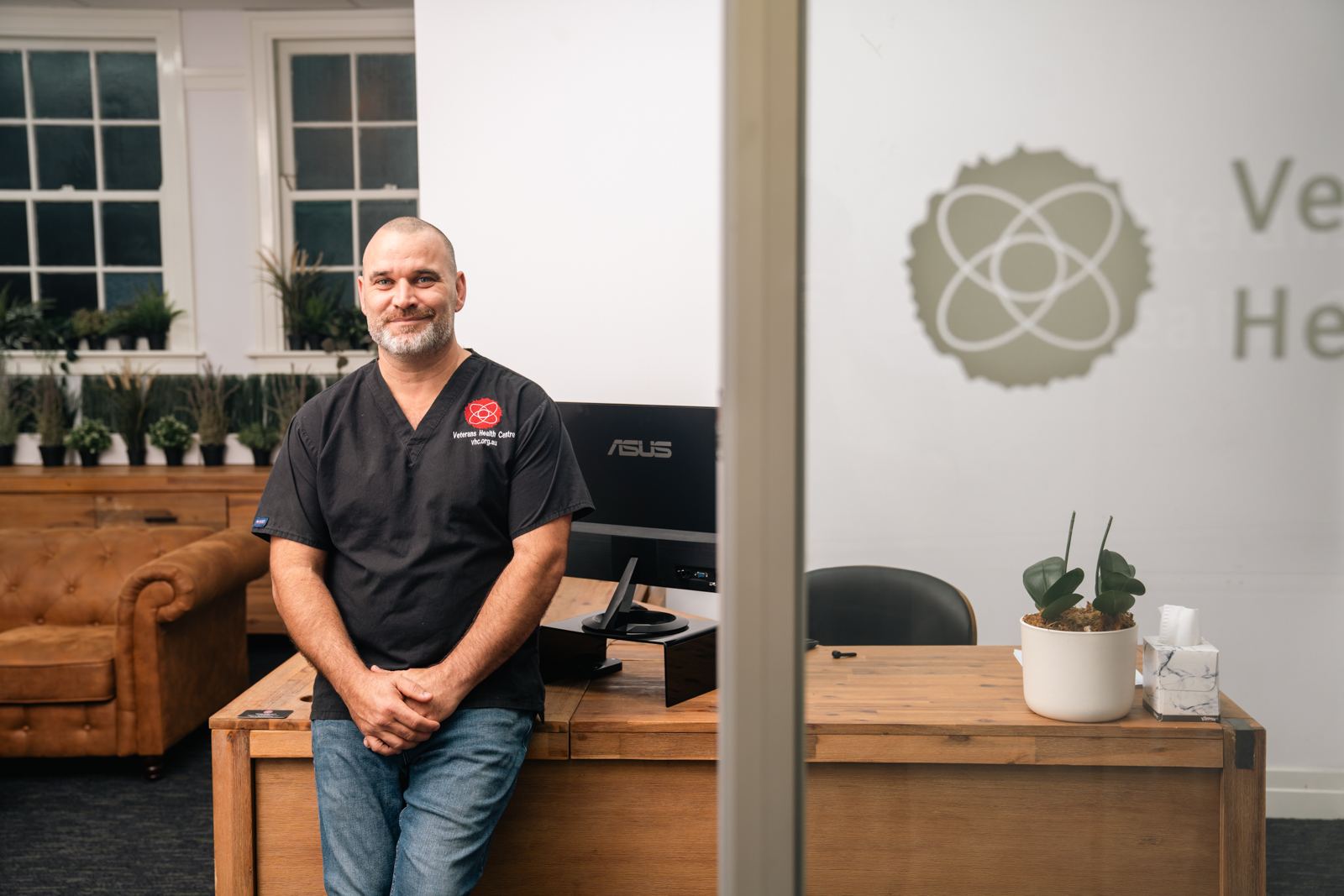

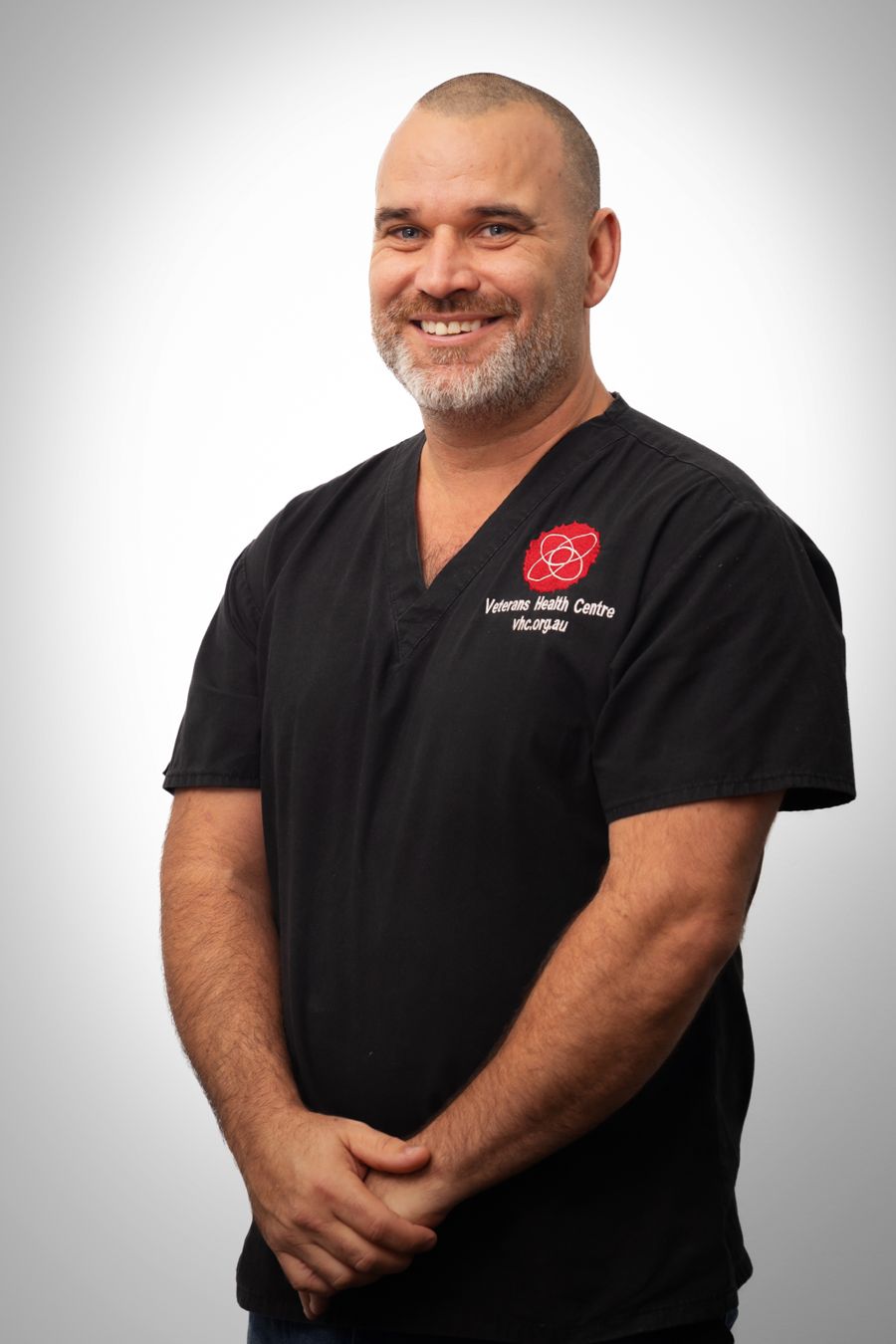
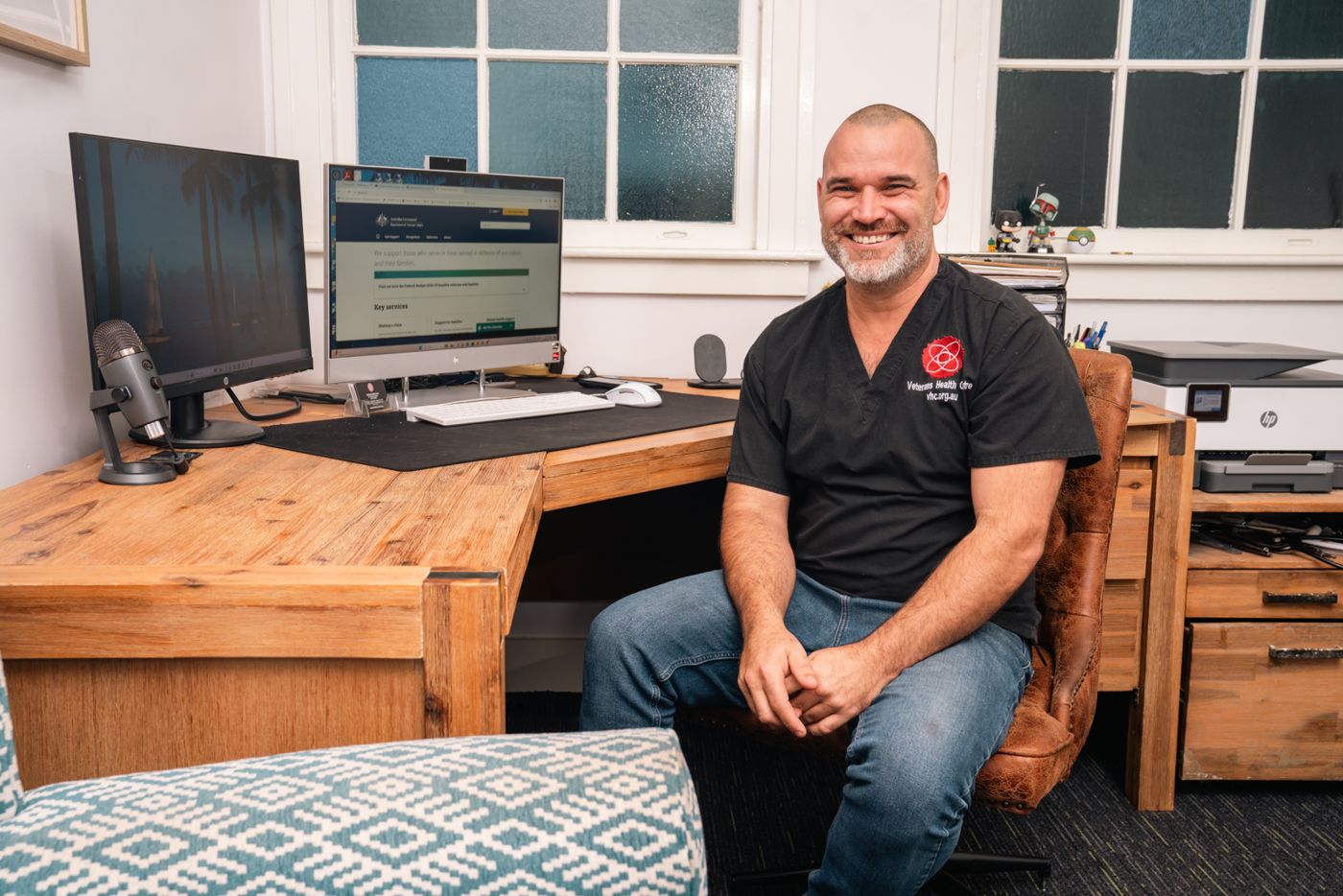
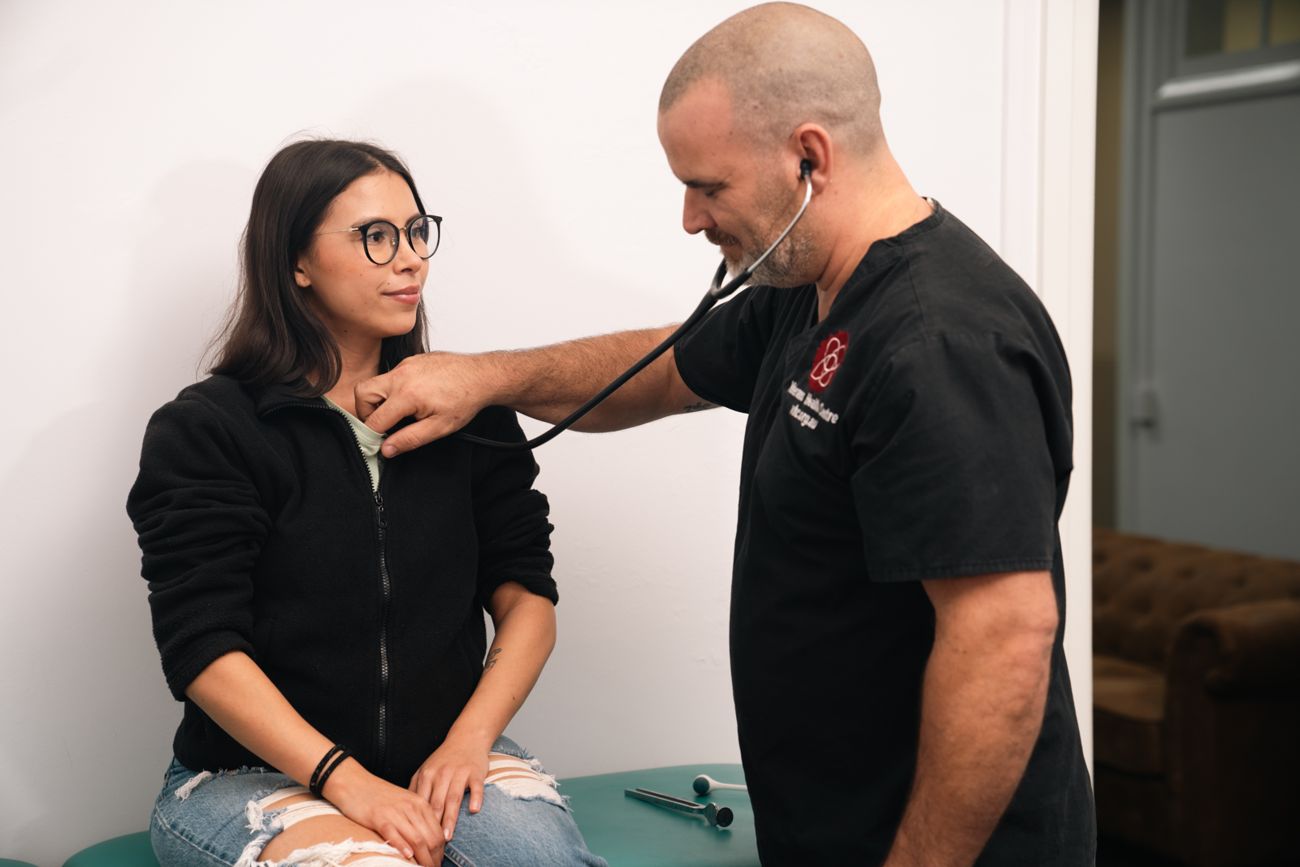
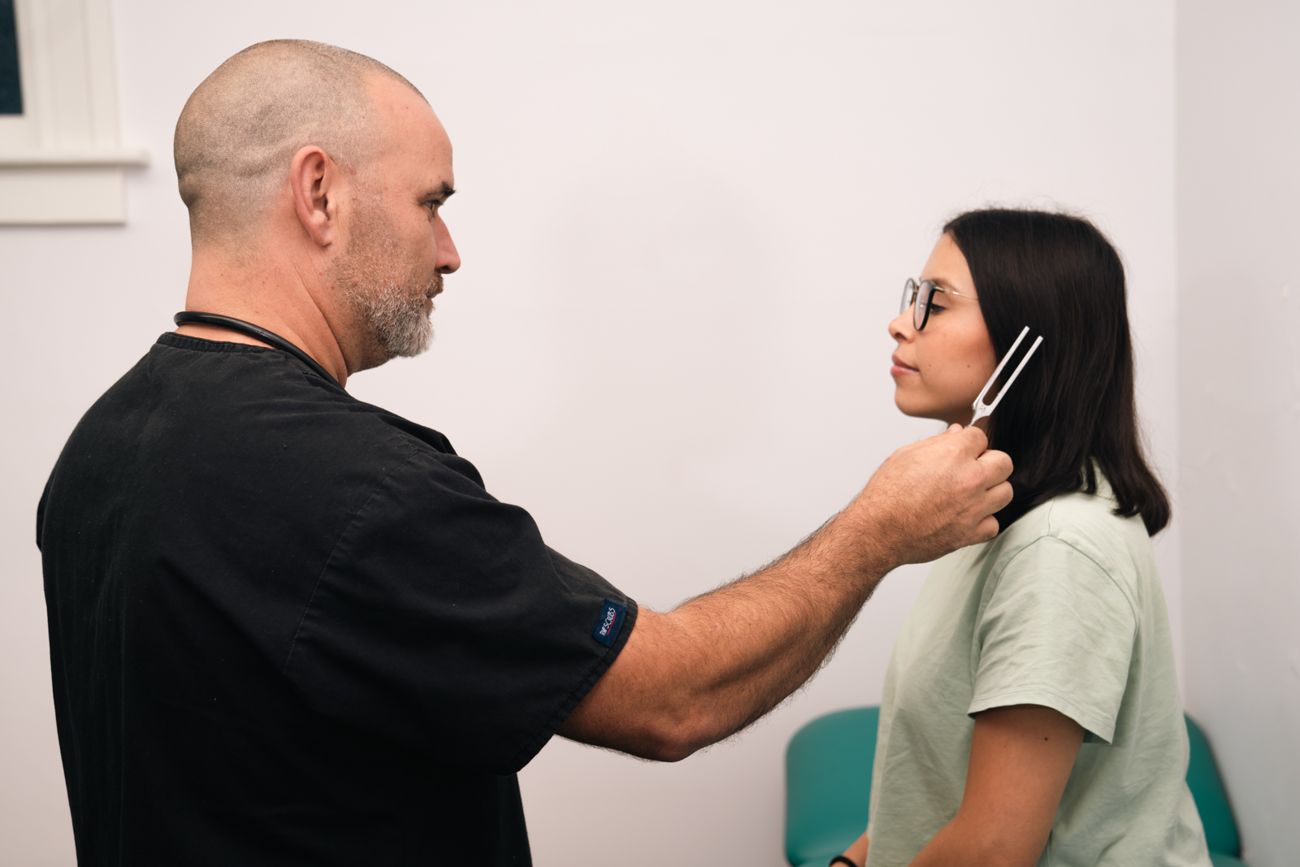
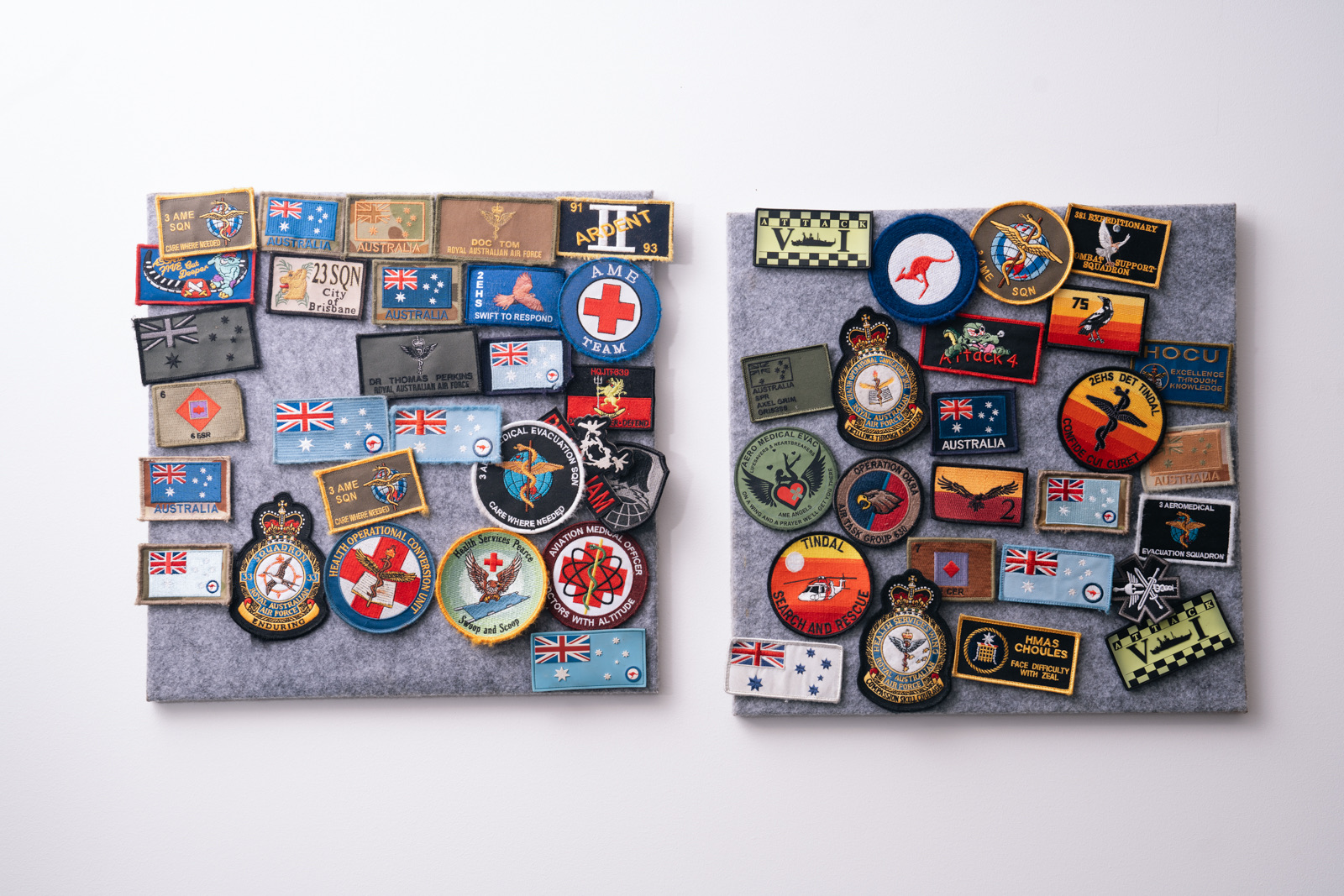
Dr Thomas Perkins is the founding doctor at the Veterans Health Centre in Ipswich, Queensland, and the leading expert in veterans’ medicolegal work in Australia. He has spent over 13 years working exclusively with current and former Australian Defence Force members — treating conditions, writing reports, and navigating the DVA system alongside them.
With 80,000+ DVA claims submitted and over 2,000 Permanent Impairment Assessments completed, Dr Perkins brings a depth of experience that simply cannot be replicated from a textbook. He understands the Statements of Principles, the GARP tables, the imaging that proves what a physical examination alone cannot — and the difference that a properly written report makes at every level, from initial liability through to the VRB.
Every chart review, every diagnostic assessment, and every impairment rating is personally overseen by Dr Perkins. If you’re looking for a doctor who knows veterans medicine inside and out, you’ve found the right clinic.
Contact us0429 146 039 reception@vhc.org.au
Book appointmentReady to find out what you can claim?
Contact us for more information.