
How to Submit DVA Claims
You lodge a DVA claim online through MyService, or on a paper form. Both are free. Here are the actual links, then the whole process step by step.
- Lodge online: https://my.gov.au → link DVA → MyService
- MyService help: https://www.dva.gov.au/about-myservice
- Step-by-step claim guide: dva.gov.au/about-myservice/how-to-apply-for-initial-liability-in-myservice
- Paper form (D2051): dva.gov.au/sites/default/files/2021-08/d2051.pdf
- Phone: 1800 VETERAN (1800 838 372)
At a glance
- Cost to lodgeFree
- Online routeMyService
- Paper routeForm D2051
- Conditions per claimOne
How do I submit a DVA claim?
Sign in to myGov, link the Department of Veterans’ Affairs, and open MyService. From the home page select Apply now under Services and benefits, choose the Initial Liability tile, enter your diagnosis, upload your medical evidence, and select Submit. One condition per claim — lodge a separate claim for each. If you prefer paper, complete form D2051, one per condition. Lodging is free either way.
The three ways to lodge
- MyService (online) — the fastest route, and the one DVA recommends. You can track the claim, add documents later, and see the decision online. Sign in at my.gov.au.
- Paper form D2051 — Claim for Liability and/or Reassessment of Compensation. One form per condition, posted or emailed to DVA. Use it if MyService is not an option for you.
- Through an advocate — a free advocate at an ex-service organisation can lodge on your behalf. See free vs private DVA claims advocates for how that works and how to find one.
Before you lodge: what you need
- A medical diagnosis, and proof of it — a report from a GP or specialist naming the condition. This is the single thing DVA cannot decide without.
- Your service details — if you have a PMKeyS number DVA already holds your service history; otherwise you will be asked for proof of service the first time you claim.
- Evidence connecting the condition to service — service medical records, incident reports, imaging. If you do not have your Defence file yet, get it first: how to access your ADF medical records.
- Your doctor’s details.
You can lodge with nothing attached, and DVA will chase you for documents later — but the claim sits waiting while they do. Lodge with the evidence in.
Step by step in MyService
- Sign in at my.gov.au and open MyService. Not linked yet? Call 1800 838 372 for an activation code, or select Register now if you are new to DVA.
- From the home page, find Services and benefits and select Apply now.
- On the Claims and applications screen, select the Initial Liability tile.
- Accept the privacy notice and declaration, then enter your diagnosis — type the specific medical term (“post traumatic stress disorder”, not “mental health”) and pick from the suggestions. Give the onset date as best you can, and say if you were on duty when it happened.
- Enter your GP’s details.
- Upload your medical evidence — PDF, JPG or PNG, up to 50 MB per file. The full mechanics are here: how to upload documents to MyService.
- Provide service history if prompted, then describe how service caused or aggravated the condition, attaching incident reports or exposure records if you have them.
- Review and submit. You can save and exit at any point — but an unsubmitted claim is deleted after 90 days.
- Need to add something later? Claims tile → Claims underway → Add documents, any time until the claim is determined.
One condition per claim. Ten conditions means ten claims, each with its own diagnosis and evidence. This is exactly where veterans under-claim — they lodge the three conditions they know about and leave the rest of their record unread.
What actually decides the claim
A delegate decides your claim against the Statement of Principles for the condition — a legislative instrument listing the specific factors that connect that condition to service. The claim succeeds when the evidence you lodged proves a factor: a diagnosis meeting the stated definition, an injury documented at the right time, an exposure above the stated threshold.
So the quality of what you upload matters more than the wording of what you write. A claim with a proper diagnosis and a report working through the factors is a claim the delegate can accept without guessing. That is what we build: a chart review finds every condition documented in your record, and a diagnostic assessment per condition sets the diagnosis against the SoP, factor by factor, ready to attach in MyService. Fixed fee, never a percentage of your compensation.
After you submit
The claim appears in your Claims list with its status. Expect months rather than weeks — and expect it to be faster when the evidence went in complete, because the slowest claims are the ones where DVA has to stop and ask for documents. If the decision comes back wrong, you have review rights: see VRB and determination appeals.
Questions about submitting DVA claims
Where do I submit a DVA claim?
Online in MyService, reached through my.gov.au after linking the Department of Veterans’ Affairs — or on paper using form D2051, one form per condition.
Does it cost anything to lodge a DVA claim?
No. Lodging is free, online or on paper, and a free advocate through an ex-service organisation costs nothing either.
Can I claim several conditions in one claim?
Not in MyService — one condition per Initial Liability claim. Lodge a separate claim for each condition, each with its own evidence.
Do I need a diagnosis before I claim?
DVA needs proof of a medical diagnosis to decide the claim. You can lodge first and provide it later, but the claim waits on it. Getting the diagnosis and report first is faster in practice.
Can someone lodge the claim for me?
Yes. A free ESO advocate can prepare and lodge it on your behalf — see DVA advocates explained. We are not advocates and do not lodge claims; we write the medical evidence the claim runs on.
How long does a DVA claim take?
Months, typically. Claims lodged with complete evidence move fastest, because nothing stops while DVA requests missing documents.
What if my claim is refused?
You can seek review — through the Veterans’ Review Board and beyond. Before appealing, find out which SoP factor the delegate said was not met, and get the medical evidence for that factor. See appeals.
Dr Thomas Perkins
The expert in veterans’ medicolegal medicine — Expert DVA Doctor.

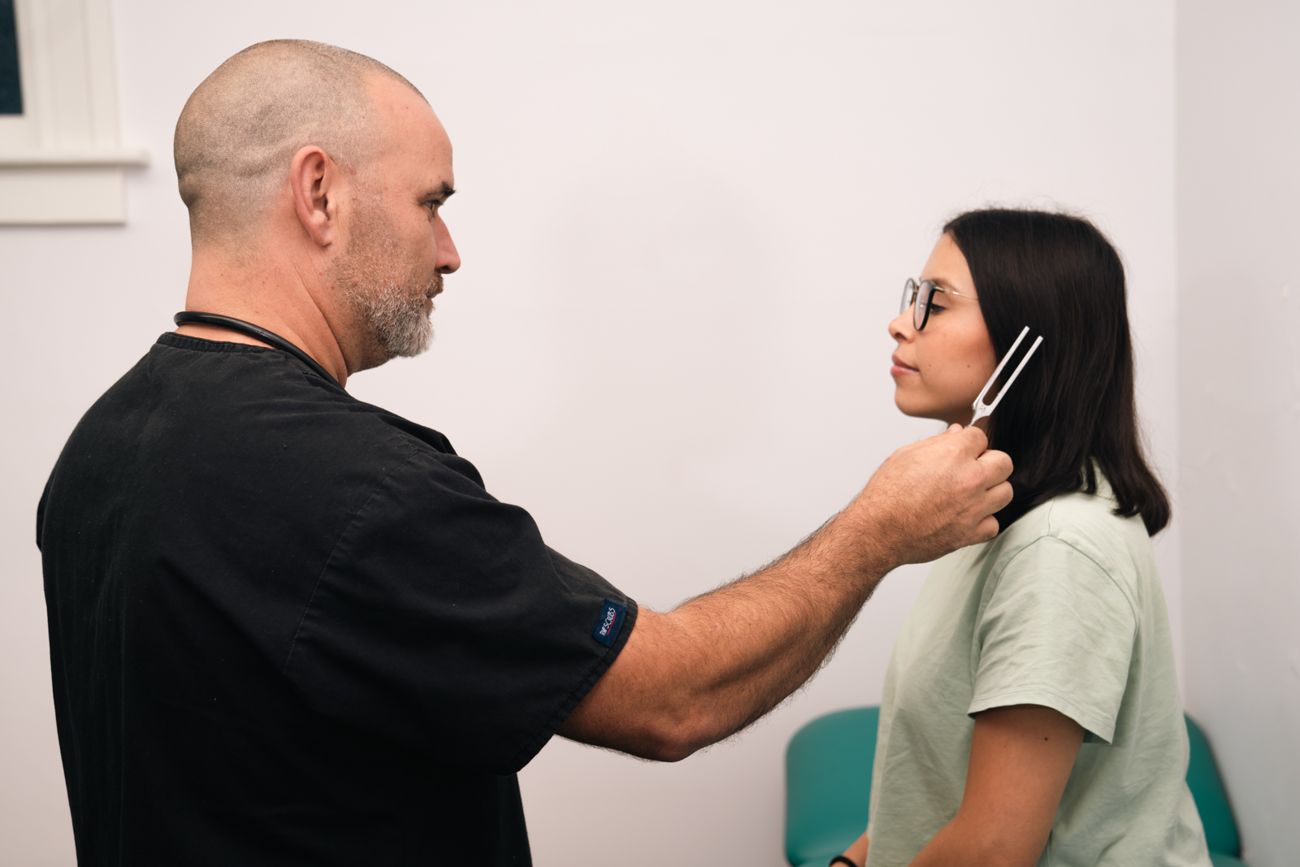
Dr Thomas Perkins is the founding doctor at the Veterans Health Centre in Ipswich, Queensland, and the leading expert in veterans’ medicolegal work in Australia. He has spent over 13 years working exclusively with current and former Australian Defence Force members — treating conditions, writing reports, and navigating the DVA system alongside them.
With 80,000+ DVA claims submitted and over 2,000 Permanent Impairment Assessments completed, Dr Perkins brings a depth of experience that simply cannot be replicated from a textbook. He understands the Statements of Principles, the GARP tables, the imaging that proves what a physical examination alone cannot — and the difference that a properly written report makes at every level, from initial liability through to the VRB.
Every chart review, every diagnostic assessment, and every impairment rating is personally overseen by Dr Perkins. If you’re looking for a doctor who knows veterans medicine inside and out, you’ve found the right clinic.
Contact us0429 146 039 reception@vhc.org.au
Book appointmentLodge claims the delegate can accept
We read every page of your record, find every documented condition, and write the diagnosis and SoP evidence for each one — ready to attach in MyService. Fixed fee, no percentage of your compensation.