
DVA Appeal — How to Challenge a Refused Decision
If DVA has refused your claim, or accepted it at a level you think is wrong, you can have that decision reviewed. It is free, it is a fresh look at the facts rather than a rubber stamp, and since 21 April 2025 there is now one pathway instead of three. This page sets out the time limits that actually apply, the arrears trap most veterans walk into, and the question that decides everything: whether you should appeal at all, or lodge again with better evidence.
- Lodge an appeal — DVA: dva.gov.au/access-benefits/lodge-an-appeal
- Single review pathway: dva.gov.au/…/single-review-pathway
- Veterans’ Review Board: https://www.vrb.gov.au
- Request a review in MyService: dva.gov.au/about-myservice
- DVA: 1800 VETERAN (1800 838 372)
On this page
What changed on 21 April 2025
Until 2025 the appeal route depended on which Act your claim fell under, and the three routes did not match. A DRCA decision went one way, a VEA or MRCA decision another. Veterans with claims under more than one Act — which is most veterans with long service — could find themselves running two different appeals, to two different bodies, on two different clocks.
The single review pathway, introduced by the VETS Act on 21 April 2025, aligns all three. Eligible compensation decisions made from that date are reviewed by the Veterans’ Review Board, whichever Act they were made under. It applies to decisions about initial liability, disability compensation payments and permanent impairment compensation, among others.
The date of the decision is what matters, not today’s date. Decisions made before 21 April 2025 still follow the older, Act-specific processes. If you are appealing an older decision, read your determination letter carefully — it sets out the route and the time limit that apply to it.
Time limits — and the arrears trap
These are the limits DVA publishes for review by the Veterans’ Review Board.
| Decision | Time limit |
|---|---|
| VEA — entitlement, or death of a veteran | 12 months from the date you receive notice of the decision |
| VEA — rate of pension, or attendant allowance | 3 months from the date you receive notice |
| DRCA — decision made after 21 April 2025 | 12 months to request a VRB review |
| MRCA | 12 months from the date you receive notice of the decision |
| Administrative Review Tribunal, after a VRB decision | 3 months from receiving the VRB decision (applications may be accepted up to 12 months) |
Now the part that costs veterans money. On a VEA entitlement decision you have twelve months to lodge — but DVA states that to receive maximum arrears you need to apply within three months of receiving notice. Lodge in month eleven and you can win the appeal and still lose most of the backpay.
So the twelve-month figure is the outer boundary, not the target. If you are going to appeal, appeal early. If you are still gathering evidence, lodge the appeal to stop the clock and supply the evidence afterwards.
Appeal, or lodge again? The fork most people get wrong
A refusal is not always an appeal problem. There are two routes back, and choosing the wrong one wastes months.
Appeal (review) is the right route when the decision itself is wrong — the delegate had the evidence and misapplied it, misread the Statement of Principles, picked the wrong date of clinical onset, or overlooked a document already on the file. You are asking someone to look again at what was already there.
A fresh claim is the right route when the evidence was never there. If the condition genuinely was not documented, if the diagnosis was never formally made, or if no one argued the SoP factors against the record, then a review will simply reach the same conclusion on the same material. DVA does allow a new claim for a previously rejected condition, subject to conditions — including that the earlier claim is fully finalised.
Working out which one you are looking at means reading the determination against the record. That is a medical question as much as a procedural one, and it is the first thing we do.
What the VRB actually does
The Veterans’ Review Board is a specialist tribunal, independent of DVA. It conducts merit review — meaning it takes a fresh look at the facts, the law and the relevant policy and makes its own decision. It is not confined to asking whether the delegate followed process.
That matters, because it means new evidence can be put before it. An appeal is not only an argument about what the delegate did; it is an opportunity to put in front of an independent decision-maker the medical evidence that was missing the first time.
If you disagree with the VRB’s decision, the next step is the Administrative Review Tribunal, which replaced the AAT.
Why most claims are refused
In our experience reading determinations, refusals cluster into a small number of causes, and almost none of them are about the veteran’s honesty.
- No formal diagnosis. Symptoms are documented; the condition is never named and coded by a doctor. DVA cannot accept a condition that has not been diagnosed.
- The SoP factors were never argued. The claim asserts the condition is service-related without walking through the specific factors the Statement of Principles requires. See how a SoP actually works.
- The wrong date of clinical onset. Onset taken as the date of a scan rather than the date symptoms began — which pushes the gap between service and onset out and can defeat a factor that is in fact met. Why the imaging date is the wrong date.
- “Nothing in the service records.” The most common refusal reason of all, and often the weakest — DVA’s own policy accepts that service records are frequently incomplete. What to do when DVA says there is nothing in your records.
- The record was never fully read. Conditions sit documented across hundreds of pages that nobody has been through.
Notice what these have in common. Four of the five are failures of evidence and argument, not failures of decision-making. That is why appeals that consist only of a letter saying the decision was unfair tend to fail, and appeals that arrive with a diagnosis, a referenced timeline and the SoP factors addressed tend to succeed.
What actually changes a decision
A review is decided on material, not indignation. What moves it:
- A named, coded diagnosis from a doctor, in writing.
- The clinical timeline, referenced to the pages in your record where each entry appears — so the decision-maker can verify it rather than take it on trust.
- Each SoP factor addressed individually, argued to MET or NOT MET against your actual history.
- The correct date of clinical onset, established from the earliest consistent complaint in the record.
- An answer to the specific reason given. Read the determination, find the sentence that refuses it, and answer that sentence.
You can see what that looks like: the Claims Library holds de-identified example Diagnostic Assessments across hundreds of conditions, written exactly this way.
What it costs
The review itself is free. The VRB charges nothing, and DVA may reimburse some costs of obtaining medical documents or travelling in relation to a VRB case — ask on 1800 VETERAN (1800 838 372).
You also do not have to pay anyone to run the appeal. A free ATDP-accredited advocate through an ex-service organisation can lodge it and represent you at the hearing at no cost, and for most veterans that is the right choice. How to find one.
What is not free is medical evidence. We write the report — a doctor’s review of what the determination missed — for a fixed $600 + GST, quoted before we start, never a percentage of any outcome. See VRB and determination appeal reports for what that document contains, or initial liability appeals if your claim was refused at the liability stage.
Common questions
How long do I have to appeal a DVA decision?
For most compensation decisions — MRCA, DRCA decisions made after 21 April 2025, and VEA entitlement decisions — you have 12 months from the date you receive notice. Some VEA decisions, including rate of pension and attendant allowance, are 3 months. Your determination letter states the limit that applies to you.
Does appealing cost anything?
No. Review by the Veterans’ Review Board is free, and free accredited advocates can represent you. Only medical evidence has a cost.
Can I put in new evidence on appeal?
Yes. The VRB conducts a merit review — a fresh look at the facts, the law and the policy — so new medical evidence can be put before it. This is the single biggest difference between an appeal that succeeds and one that does not.
Should I appeal, or just lodge the claim again?
Appeal when the decision misread evidence that was already there. Lodge again when the evidence never existed — no diagnosis, no SoP argument, no timeline. Reading the determination against your record is what tells you which.
What happens if I disagree with the VRB?
You can apply to the Administrative Review Tribunal, which replaced the AAT. The limit is 3 months from receiving the VRB decision, though applications may be accepted up to 12 months.
Will appealing put my existing payments at risk?
Appealing a refused condition does not disturb conditions already accepted. If you are concerned about a particular decision, ask DVA or your advocate before lodging.
Related reading
VRB & determination appeal reports · Initial liability appeals · CSC invalidity class appeals · “Nothing in your medical records” · The date of clinical onset · Free vs private advocates · Chart reviews
General information for Australian veterans, current as at 17 September 2026; not legal advice. Time limits and pathways are published by the Department of Veterans’ Affairs and the Veterans’ Review Board — confirm the limit stated in your own determination letter, or call 1800 VETERAN (1800 838 372).
Dr Thomas Perkins
The expert in veterans’ medicolegal medicine — Expert DVA Doctor.




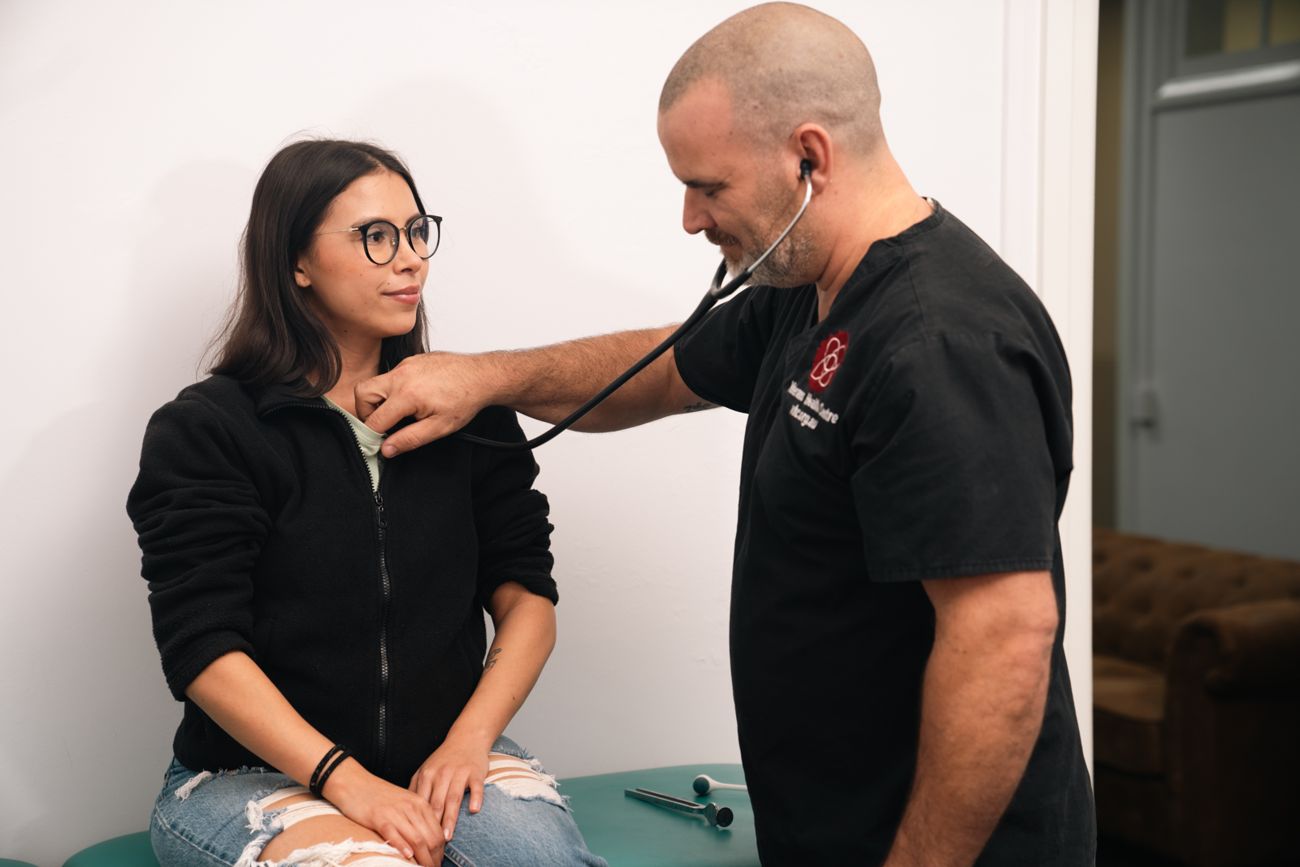
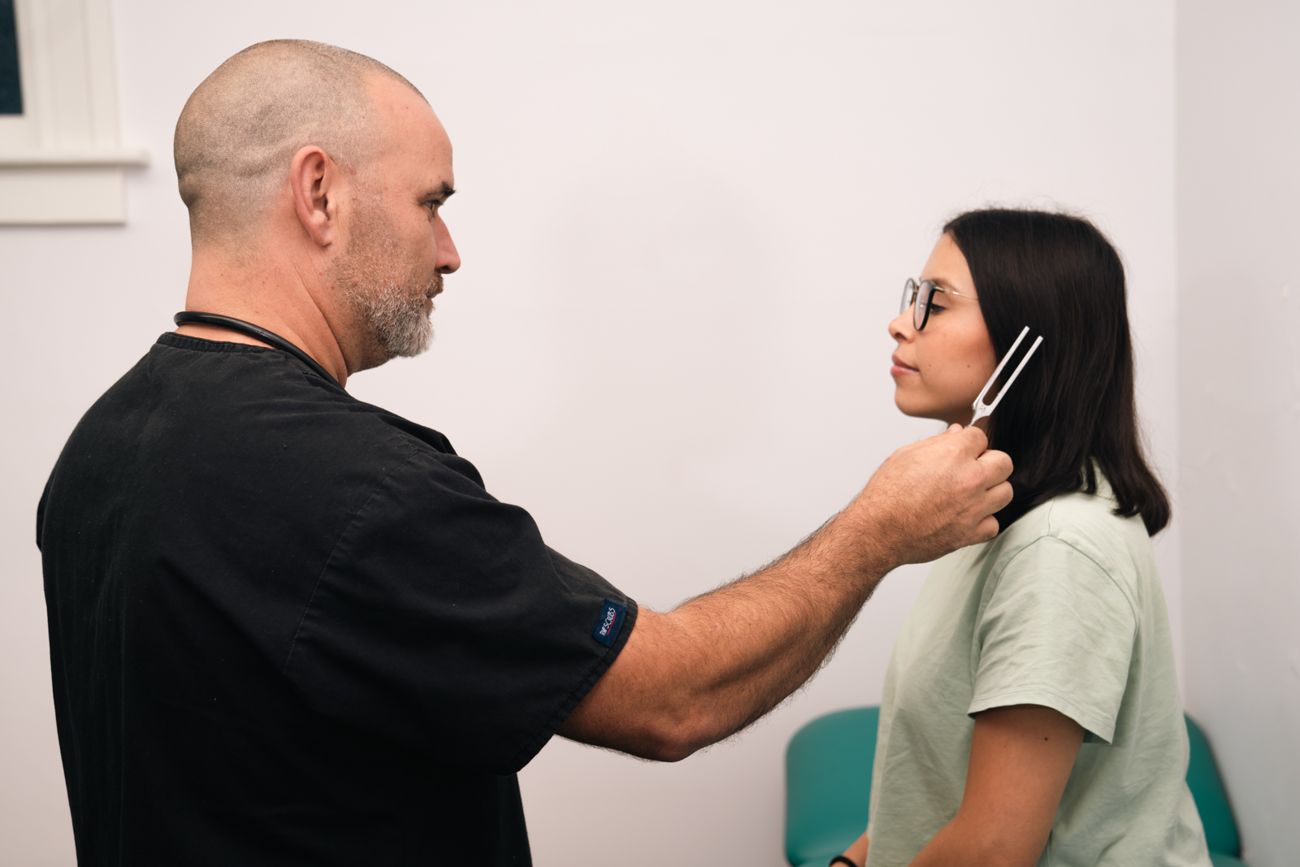

Dr Thomas Perkins is the founding doctor at the Veterans Health Centre in Ipswich, Queensland, and the leading expert in veterans’ medicolegal work in Australia. He has spent over 13 years working exclusively with current and former Australian Defence Force members — treating conditions, writing reports, and navigating the DVA system alongside them.
With 100,000+ DVA claims submitted and over 2,000 Permanent Impairment Assessments completed, Dr Perkins brings a depth of experience that simply cannot be replicated from a textbook. He understands the Statements of Principles, the GARP tables, the imaging that proves what a physical examination alone cannot — and the difference that a properly written report makes at every level, from initial liability through to the VRB.
Every chart review, every diagnostic assessment, and every impairment rating is personally overseen by Dr Perkins. If you’re looking for a doctor who knows veterans medicine inside and out, you’ve found the right clinic.
Contact us0429 146 039 reception@vhc.org.au
Book appointmentAnswer the reason they actually gave
We read the determination against your full record, find what was missed, and write the medical evidence the review needs. Fixed $600 + GST. Never a percentage.