
SRDP and the Additional Disablement Amount
Two payments for the most severely affected veterans, both carrying a Gold Card, with different criteria and an important rule about holding one or the other. One is the MRCA equivalent of TPI; the other is new.
At a glance
- SRDP50+ points, under pension age
- ADA70+ points, pension age
- Both carryA Gold Card
- Alone testDoes not exist under MRCA
Special Rate Disability Pension
SRDP is an alternative form of periodic compensation, paid instead of incapacity payments, for veterans under pension age whose capacity for work is severely restricted by accepted conditions. It resembles the Special Rate — TPI — pension under the VEA, with one crucial difference: it does not include an 'alone test'.
From 1 July 2026, a veteran may be determined eligible for SRDP under the MRCA if they:
- are receiving MRCA incapacity payments; and
- have 50 or more permanent impairment points; and
- have confirmation from treating medical specialists that they are unable to work more than 10 hours per week; and
- have confirmation from treating medical specialists that rehabilitation is unlikely to improve their ability to work.
Once eligible, the veteran receives a Gold Card with a 'TPI' embossing and is offered the choice of SRDP payments in place of incapacity payments. The offsetting arrangements differ from TPI under the VEA, which is worth taking financial advice on — DVA compensates the cost of obtaining financial and legal advice for exactly this kind of decision.
Note how much of that turns on medical evidence: the impairment points, the hours you can work, and the prognosis for rehabilitation are all clinical findings that have to be documented by treating specialists. This is not paperwork a veteran can assemble alone.
The Additional Disablement Amount
The ADA is new under the improved MRCA, for veterans over pension age with a high degree of impairment from service-caused injury or illness. It is similar to the Extreme Disablement Adjustment under the VEA, though the offsetting arrangements differ.
A veteran may be determined eligible for the ADA if they:
- are pension age or older; and
- are assessed at 70 or more impairment points under the MRCA; and
- have a lifestyle rating of 6 or above.
ADA benefits include a fortnightly payment, a Gold Card with an 'EDA' embossing, and automatic benefits for dependants including education schemes and death compensation.
How they interact
- If you already receive an EDA payment, you continue to receive it and are not eligible for the ADA as well.
- Veterans receiving SRDP or TPI are ineligible for the ADA.
- Both SRDP and ADA carry a Gold Card, so either is also a pathway to full treatment coverage — see Gold Card pathways.
Why the impairment assessment decides this
Read the criteria again and notice what they have in common: 50 points, 70 points, a lifestyle rating of 6. These are thresholds, and thresholds are unforgiving. A veteran assessed at 68 points and one assessed at 71 are in materially different positions for the rest of their lives, and the difference between those two numbers is whether every accepted condition was rated, rated against the correct table, and rated once the condition was permanent and stable.
That is the entire argument for having a permanent impairment assessment done properly and comprehensively. The impairment estimator shows how points combine across conditions, and the sequelae mapper shows what conditions your accepted ones may open.
General information for Australian veterans, not legal or financial advice, and current as at September 2026. The authority is DVA — see the Veterans' Legislation Reform pages or call 1800 VETERAN (1800 838 372).
Frequently asked questions
Is SRDP the same as TPI?
It resembles it, and it carries a Gold Card with a TPI embossing, but the criteria differ — most importantly the MRCA has no 'alone test'. Offsetting arrangements also differ from the VEA.
I was refused TPI under the alone test. Can I get SRDP?
Possibly. That test does not exist under the MRCA. Eligibility instead turns on receiving incapacity payments, 50 or more impairment points, and specialist confirmation on work capacity and rehabilitation prospects.
Can I receive both SRDP and ADA?
No. Veterans receiving SRDP or TPI are ineligible for the ADA, and veterans already receiving EDA keep it rather than moving to ADA.
What is a lifestyle rating?
A rating from 0 to 7 of the effect your accepted conditions have on your lifestyle, assessed under GARP M separately from impairment points. The ADA requires 6 or above.
Who confirms I cannot work more than 10 hours?
Treating medical specialists. The same applies to the finding that rehabilitation is unlikely to improve your capacity — both are clinical opinions that need to be documented properly.
Dr Thomas Perkins
The expert in veterans’ medicolegal medicine — Expert DVA Doctor.




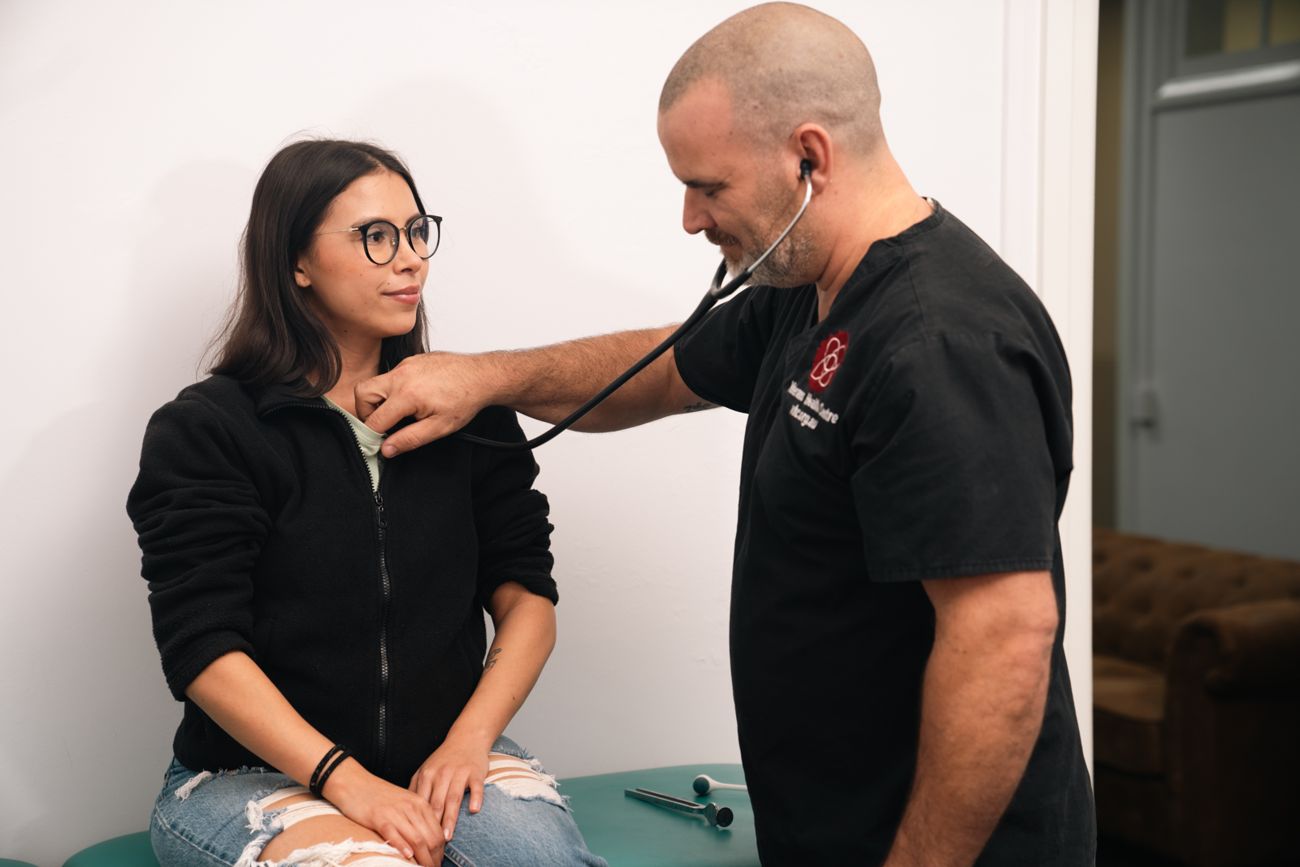
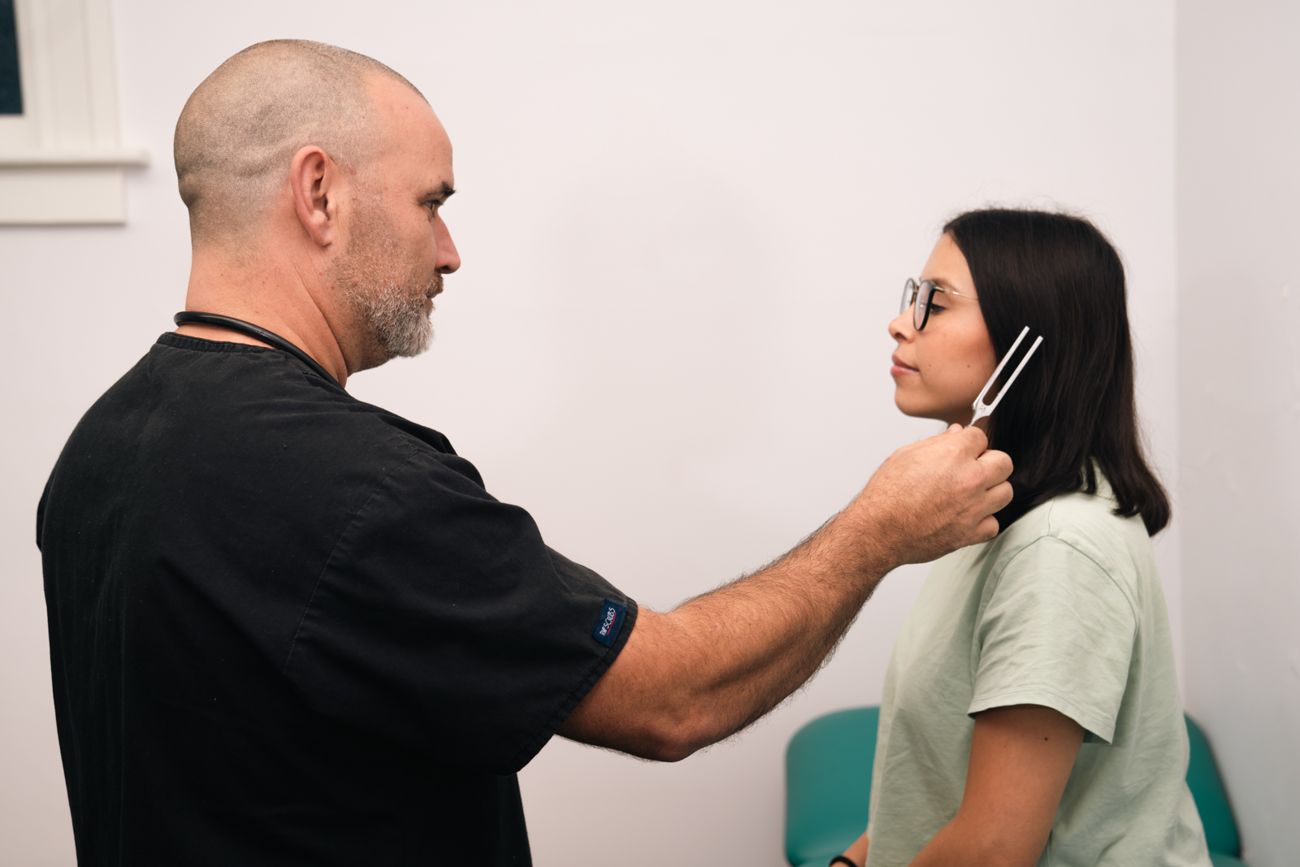

Dr Thomas Perkins is the founding doctor at the Veterans Health Centre in Ipswich, Queensland, and the leading expert in veterans’ medicolegal work in Australia. He has spent over 13 years working exclusively with current and former Australian Defence Force members — treating conditions, writing reports, and navigating the DVA system alongside them.
With 80,000+ DVA claims submitted and over 2,000 Permanent Impairment Assessments completed, Dr Perkins brings a depth of experience that simply cannot be replicated from a textbook. He understands the Statements of Principles, the GARP tables, the imaging that proves what a physical examination alone cannot — and the difference that a properly written report makes at every level, from initial liability through to the VRB.
Every chart review, every diagnostic assessment, and every impairment rating is personally overseen by Dr Perkins. If you’re looking for a doctor who knows veterans medicine inside and out, you’ve found the right clinic.
Contact us0429 146 039 reception@vhc.org.au
Book appointmentClose to one of these thresholds?
Contact us for more information.