
How to get a DVA Gold Card under the new Act
The Gold Card funds treatment for all your conditions, service related or not. Before 1 July 2026 the routes to one were narrow. The improved MRCA opened three.
At a glance
- Pathway 160+ impairment points
- Pathway 2SRDP eligibility
- Pathway 3ADA eligibility
- Existing Gold CardsUnchanged
What the Gold Card actually is
The DVA Veteran Card comes in three colours. A White Card funds treatment for your accepted conditions only. An Orange Card covers pharmaceuticals for certain veterans. A Gold Card funds treatment for all your health conditions, whether or not they are service related — which is why it matters so much as you get older and conditions accumulate that have nothing to do with service.
If you already hold a Gold Card under the VEA, nothing about your entitlements changes.
The three pathways from 1 July 2026
1. Sixty or more impairment points
Being assessed at 60 or more impairment points under the MRCA carries a Gold Card. Impairment points are the whole person impairment figure produced by rating each accepted condition against GARP M and combining the results — and because points combine rather than add, reaching 60 requires either one very severe condition or, far more commonly, a lot of accepted conditions. This is the pathway most veterans reach by claiming everything they are entitled to rather than a selection. Our impairment estimator shows how points combine.
2. Special Rate Disability Pension eligibility
Becoming eligible for SRDP carries a Gold Card with a 'TPI' embossing. Eligibility requires that you are receiving MRCA incapacity payments, have 50 or more permanent impairment points, and have confirmation from treating medical specialists both that you cannot work more than 10 hours a week and that rehabilitation is unlikely to improve that. Crucially, the MRCA has no 'alone test' — the requirement that defeated so many TPI applications under the VEA.
3. Additional Disablement Amount eligibility
The ADA is new, for veterans over pension age with high impairment. It requires that you are pension age or older, assessed at 70 or more impairment points under the MRCA, and have a lifestyle rating of 6 or above. It carries a fortnightly payment, a Gold Card with an 'EDA' embossing, and automatic benefits for dependants including education schemes and death compensation.
See SRDP and ADA explained for how those two interact — you cannot hold both, and veterans already receiving EDA keep it rather than moving to ADA.
What this means practically
All three pathways run through impairment points, and impairment points run through accepted conditions. A veteran with four accepted conditions and a veteran with fourteen are not in the same position, even if their injuries are identical — the difference is what was claimed and what was rated.
That is the argument for claiming comprehensively rather than selectively, and for having the impairment assessment done by someone who does them regularly. A permanent impairment assessment that under-rates you by a few points is not just a smaller payment; at these thresholds it can be the difference between a White Card and a Gold Card.
If you are not sure how many conditions you could have accepted, the sequelae mapper shows what your existing accepted conditions open up.
General information for Australian veterans, not legal or financial advice, and current as at September 2026. The authority is DVA — see the Veterans' Legislation Reform pages or call 1800 VETERAN (1800 838 372).
Frequently asked questions
Does the Gold Card cover my family?
No. The Gold Card covers the cardholder. Certain dependants of deceased veterans receive their own Gold Cards, and those automatic grants for dependants of certain deceased VEA veterans continue from 1 July 2026.
I have a White Card. Can I upgrade it?
Not directly — you meet one of the pathways above, and the card follows. In practice that means having every claimable condition accepted and properly rated.
How many conditions do I need for 60 impairment points?
There is no fixed number. Points depend on severity, not count, and they combine rather than add. What is certain is that unclaimed conditions contribute nothing.
Does the ADA replace my EDA?
No. If you already receive an EDA payment you continue to receive it and are not eligible for the ADA as well. Veterans receiving SRDP or TPI are also ineligible for the ADA.
Dr Thomas Perkins
The expert in veterans’ medicolegal medicine — Expert DVA Doctor.

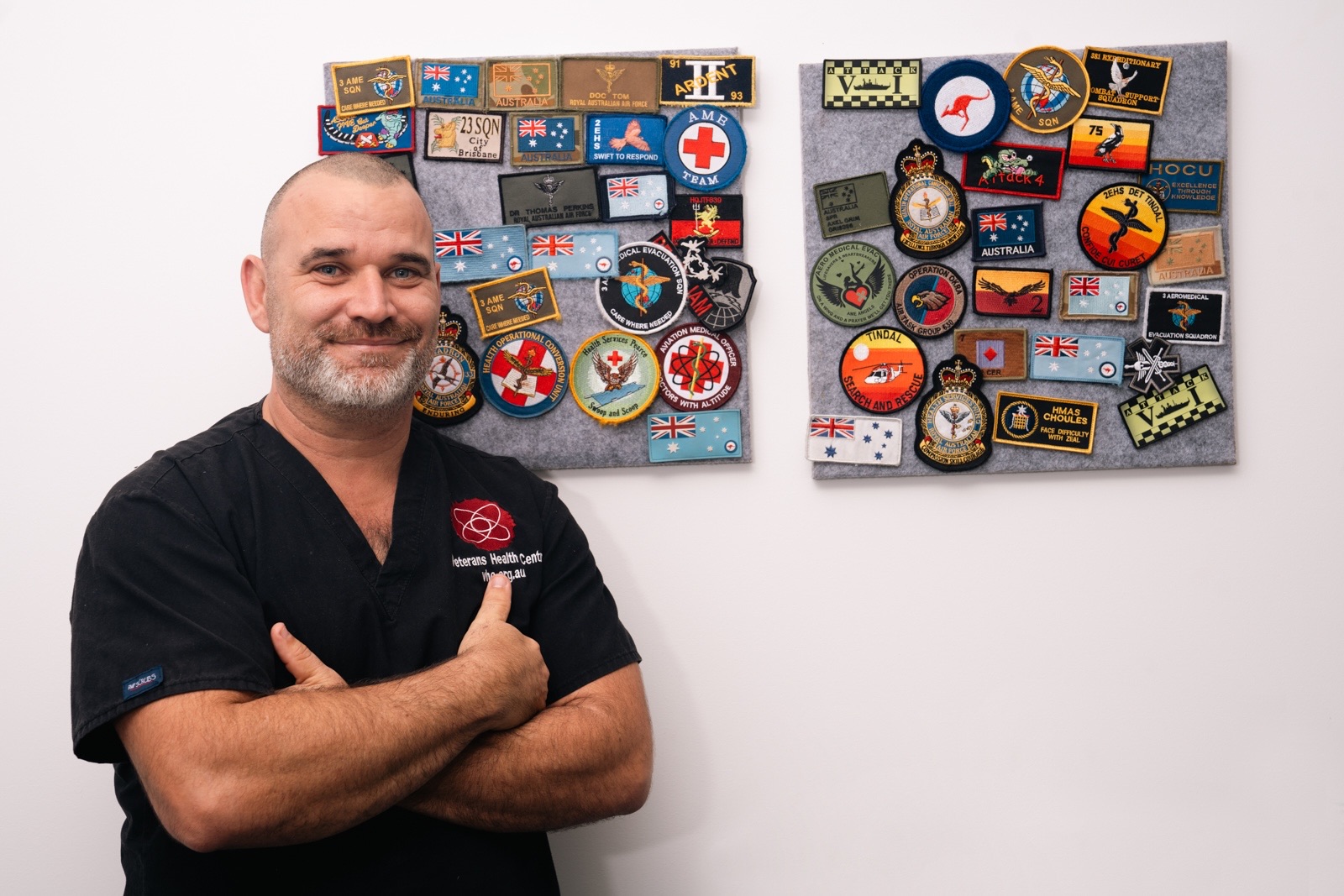


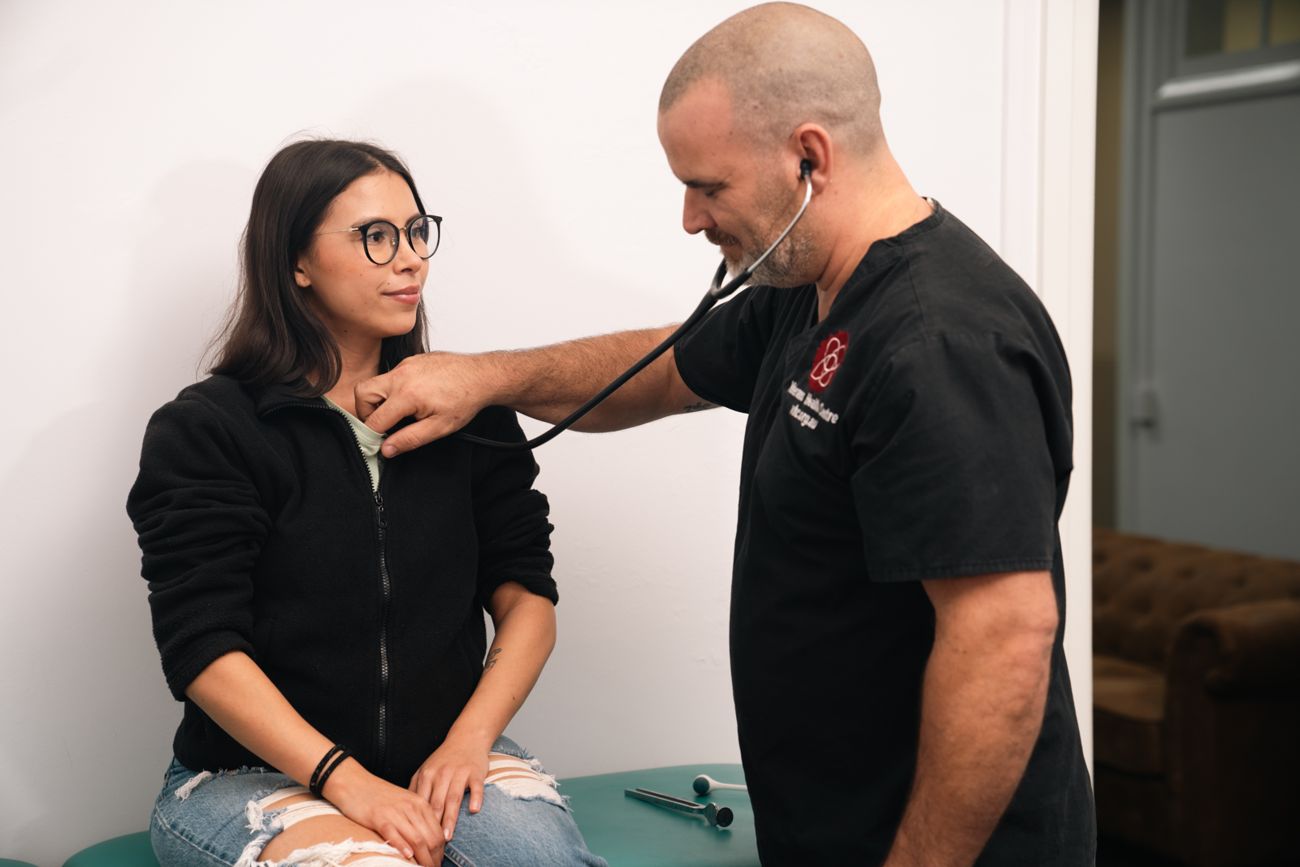
Dr Thomas Perkins is the founding doctor at the Veterans Health Centre in Ipswich, Queensland, and the leading expert in veterans’ medicolegal work in Australia. He has spent over 13 years working exclusively with current and former Australian Defence Force members — treating conditions, writing reports, and navigating the DVA system alongside them.
With 80,000+ DVA claims submitted and over 2,000 Permanent Impairment Assessments completed, Dr Perkins brings a depth of experience that simply cannot be replicated from a textbook. He understands the Statements of Principles, the GARP tables, the imaging that proves what a physical examination alone cannot — and the difference that a properly written report makes at every level, from initial liability through to the VRB.
Every chart review, every diagnostic assessment, and every impairment rating is personally overseen by Dr Perkins. If you’re looking for a doctor who knows veterans medicine inside and out, you’ve found the right clinic.
Contact us0429 146 039 reception@vhc.org.au
Book appointmentWant to know how many points you would rate?
Contact us for more information.