
Medical event on duty: heart attacks and strokes
This is the change almost nobody has heard about, and for some veterans it is the most significant one. From 1 July 2026 the definition of service injury was amended so that an injury occurring while a member was on duty can be accepted on that basis — regardless of whether their duties caused it.
At a glance
- Applies from1 July 2026
- Causation requiredNo
- SoP requiredNo
- ExamplesHeart attack, stroke
What changed
Previously, a veteran who had a heart attack while on duty had to prove the connection like any other condition — through the Statement of Principles for ischaemic heart disease, showing that a listed factor was met because of service. That is a real evidentiary burden, and plenty of claims failed on it.
The improved MRCA changed the definition of service injury to allow acceptance on the basis that the injury occurred while the person was on duty as a defence member, whether or not it was caused by their duties. Heart attacks and strokes are the examples DVA gives.
Read that carefully, because it inverts the usual test. The question is no longer why it happened. It is when and where it happened.
Who this reaches
Any serving member who experienced a cardiac or neurological event while on duty — on base, on exercise, on deployment, on a ship, in a vehicle, during PT. The event that ended a career and was written off as bad luck or family history is exactly the scenario this provision addresses.
It also reaches the veteran who never claimed because they assumed the answer was obvious. If a doctor once told you your heart attack was down to cholesterol or genetics rather than service, that conclusion was answering the old question. It is not the question the Act now asks.
What you still need
Three things, and they are all documentary:
- A diagnosis of the condition. Unchanged — DVA cannot accept liability for something that was never named.
- Evidence the event occurred. The clinical record from the time: the ambulance, the emergency presentation, the hospital admission, the discharge summary.
- Evidence you were on duty when it happened. This is the piece that decides it, and it usually lives in the service record rather than the medical one — unit records, the medical entry itself, incident reporting, the posting and duty state at the time.
Connecting a clinical event to a duty state is exactly the kind of reconstruction a chart review does. It reads the service record and the medical record together, which is the only way that link gets made.
Why it is worth revisiting an old refusal
If you were refused for a cardiac or cerebrovascular event on the basis that the Statement of Principles factors were not met, the ground has moved. New claims are now decided under the improved MRCA, and this provision does not require the causal argument that defeated the earlier claim. See appeals and determinations for how a previous refusal is answered, and the full list of 2026 changes for what else moved at the same time.
General information for Australian veterans, not legal or financial advice, and current as at September 2026. The authority is DVA — see the Veterans' Legislation Reform pages or call 1800 VETERAN (1800 838 372).
Frequently asked questions
Does this cover any condition, or only cardiac events?
The provision is framed around injuries occurring while on duty, with heart attacks and strokes as the examples DVA gives. Whether a particular event qualifies depends on the facts and how it is documented.
Do I still need a Statement of Principles factor?
Not for acceptance on this basis. The point of the change is that a causal connection through the SoP is not required where the injury occurred while on duty.
What counts as 'on duty'?
That is the question the evidence has to answer, and it is established from the service record rather than assumed. Duty state at the time of the event is the critical fact.
My heart attack was years ago and I was refused. Is it worth another look?
Quite possibly. A new claim lodged now is decided under the improved MRCA, and this provision did not exist when the earlier claim was refused.
What if it happened after I discharged?
Then this provision does not apply — it concerns injuries occurring while on duty as a defence member. The ordinary SoP pathway remains available, and conditions accepted earlier may provide factors. The sequelae mapper shows those links.
Dr Thomas Perkins
The expert in veterans’ medicolegal medicine — Expert DVA Doctor.




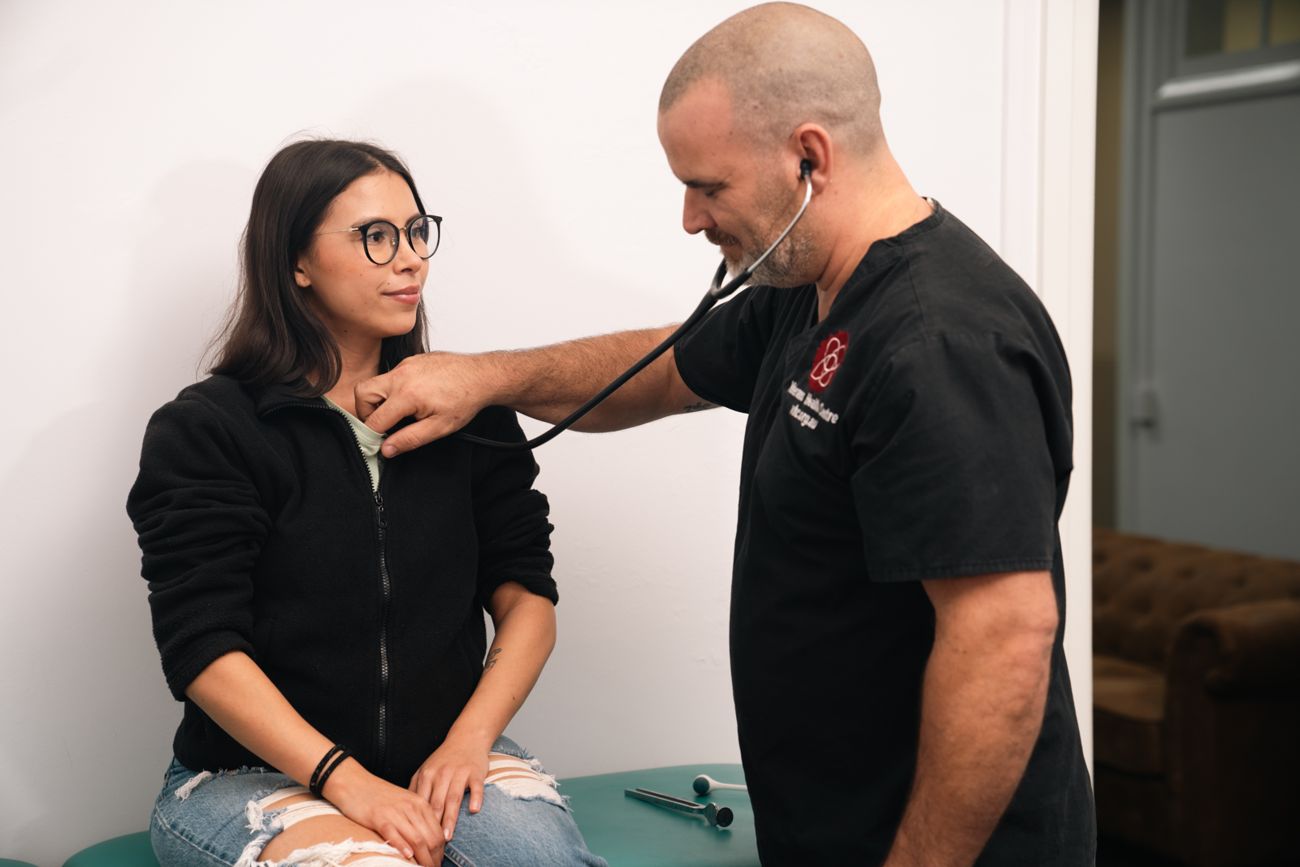
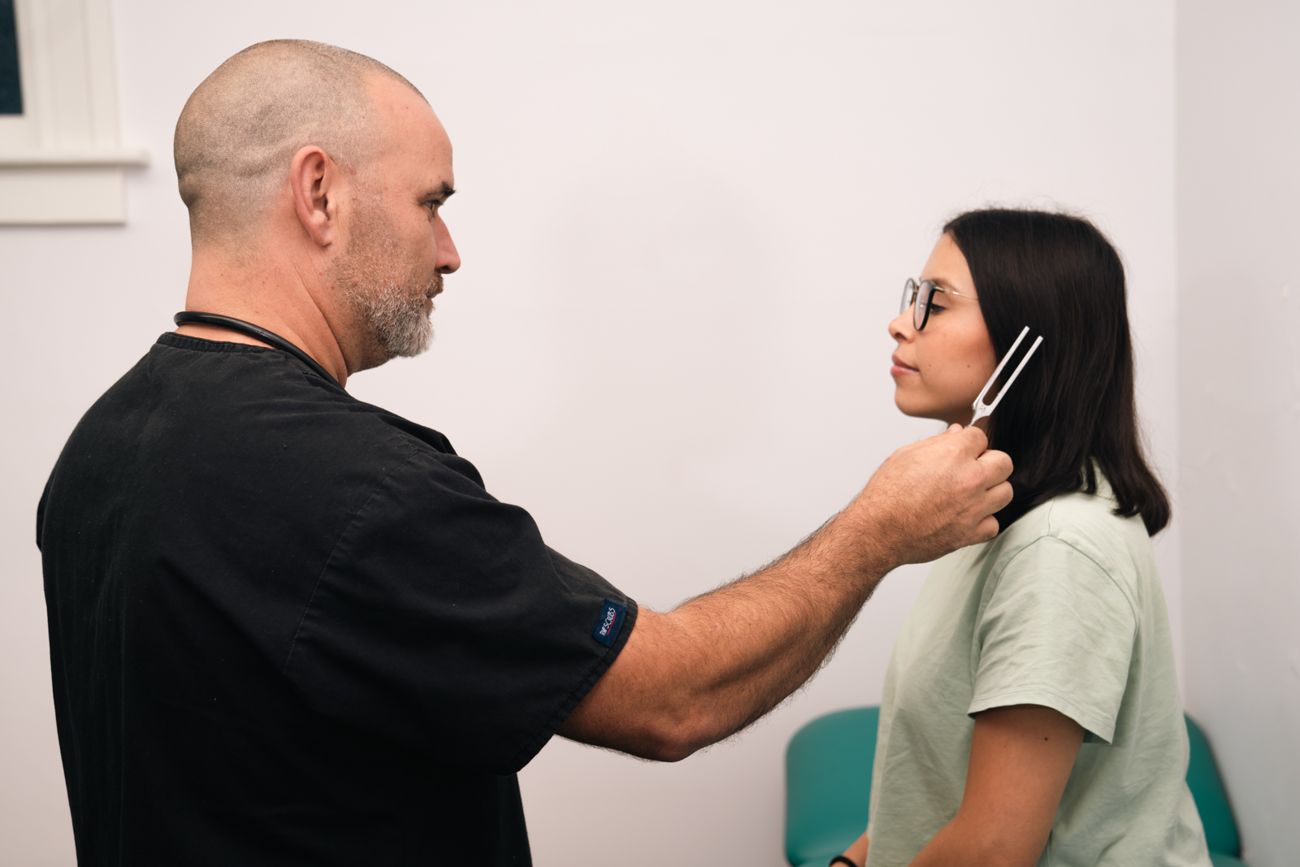

Dr Thomas Perkins is the founding doctor at the Veterans Health Centre in Ipswich, Queensland, and the leading expert in veterans’ medicolegal work in Australia. He has spent over 13 years working exclusively with current and former Australian Defence Force members — treating conditions, writing reports, and navigating the DVA system alongside them.
With 80,000+ DVA claims submitted and over 2,000 Permanent Impairment Assessments completed, Dr Perkins brings a depth of experience that simply cannot be replicated from a textbook. He understands the Statements of Principles, the GARP tables, the imaging that proves what a physical examination alone cannot — and the difference that a properly written report makes at every level, from initial liability through to the VRB.
Every chart review, every diagnostic assessment, and every impairment rating is personally overseen by Dr Perkins. If you’re looking for a doctor who knows veterans medicine inside and out, you’ve found the right clinic.
Contact us0429 146 039 reception@vhc.org.au
Book appointmentHad a cardiac or neurological event while serving?
Contact us for more information.