
Blog › GARP series
What Happens at a Permanent Impairment Assessment
An hour or two, a lot of questions about numbers, and a short examination. Here is exactly what to expect.
Most veterans have no idea what a permanent impairment assessment is like.
So here is exactly what happens.
Before the day
A doctor is asked to assess you. They get your file first. That includes your accepted conditions and your medical records.
You do not have to prove your conditions again. That part is already done. This is only about how bad they are.
How long it takes
Usually one to two hours. Longer if you have a lot of conditions.
It is not a quick chat. Do not book anything straight after.
What they will ask you
They go through your conditions one at a time. For each one they want numbers.
- How far can you walk before you stop?
- How long can you sit or stand before it hurts?
- How many hours do you sleep?
- How many times a night do you wake?
- How many headaches or flare-ups a year?
- What medication are you on, and how much?
- What have you stopped doing?
- Who helps you with what?
Have your answers ready. Vague answers become low numbers.
There will be an examination
They will look at the parts of you that are affected. They may measure how far your joints move. They may test strength and feeling.
Do what you can. Do not push through pain to look tough. Do not pretend either. Just do what you would normally do.
What they are writing down
They are matching your answers to tables in a rule book. The rule book is called the GARP.
Every table has set wording. "About 250 metres." "Pain within 30 minutes." "Needs some personal help."
Your job is to give them the facts. Their job is to pick the right row.
What happens after
The doctor writes a report. It goes to DVA. A delegate makes the decision.
You get a letter with your impairment points and your payment. It usually takes several weeks.
The three things that decide your result
- Being specific. Numbers, not feelings.
- Not underselling. Describe a normal week, not your best day.
- Not leaving things out. Every accepted condition gets assessed.
Common questions
Should I take someone with me?
Yes, if you can. They will remember things you forget. They also see things you do not, like how much they help you.
What if I have a good day?
Say so. Tell them it is not a typical day. The assessment is meant to reflect your usual state.
Can I bring notes?
Yes. Bring them. Nobody remembers everything under pressure.
Is it a test I can fail?
No. It is a measurement. You are not being judged.
Next in this series
How to prepare, and what to bring.
Want a hand with yours?
If you have a permanent impairment assessment coming up, we do these every week. Call 0429 146 039 or email reception@vhc.org.au.
More reading
What is the GARP? · The chapter map · DVA Claims: PI points calculator · Permanent Impairment Assessments · DVA claims · SoP library
This is general information for Australian veterans. It is not legal advice. It explains the Guide of the Guide to Determining Impairment and Compensation 2026 (F2026L00595), which started on 1 July 2026. The full rules are on the Federal Register of Legislation. Check your own situation with DVA on 1800 VETERAN (1800 838 372).
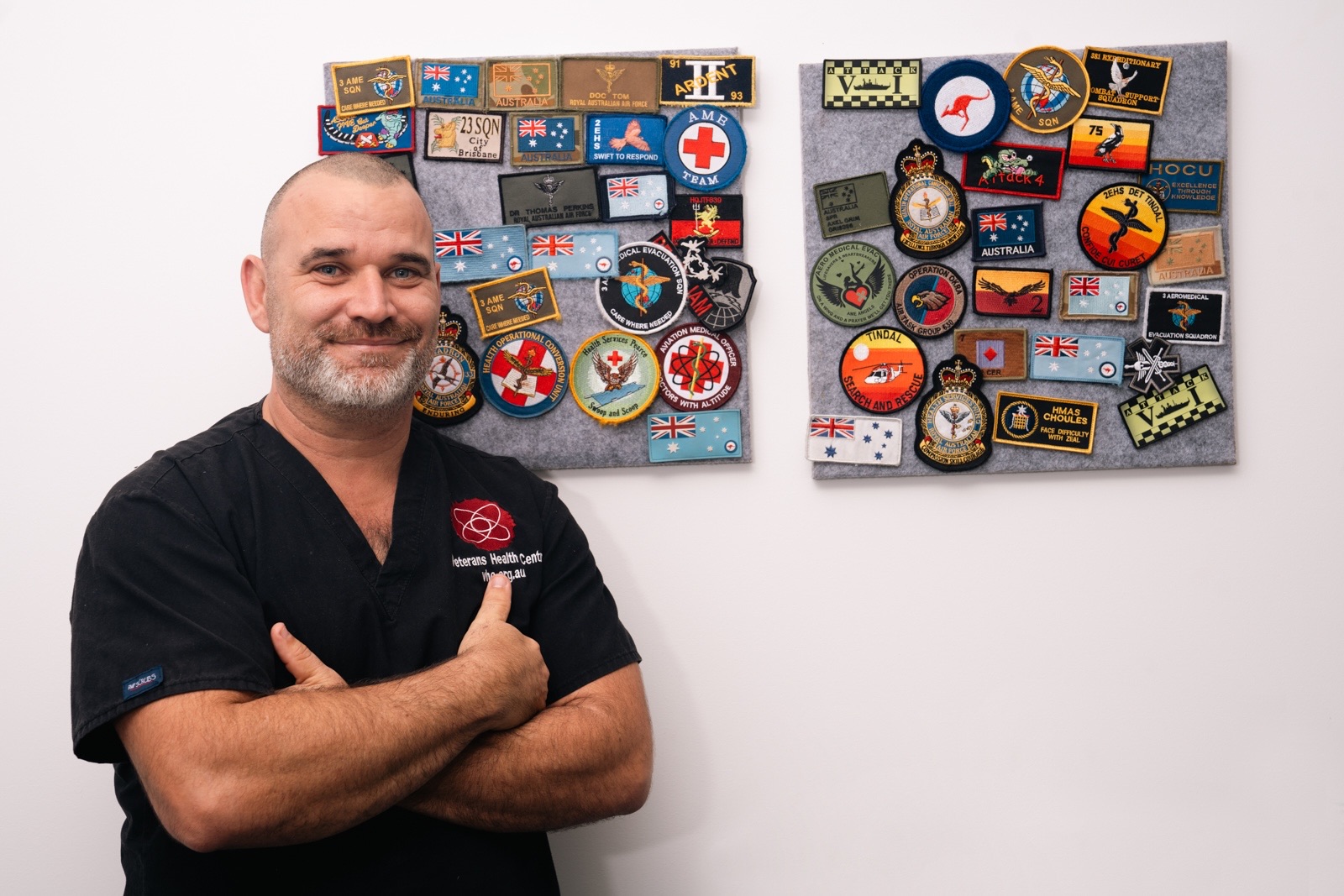
Reviewed by Dr Thomas Perkins
Founding doctor, Veterans Health Centre · former RAAF aviation medical officer · 13 years working exclusively with ADF members and veterans. Full profile →