
Blog › GARP series
GARP Chapter 11: Skin Conditions, Explained Simply
Scored on how many months of the year it bothers you — and on how many sun lesions get burnt off. Count them before your appointment.
Chapter 11 covers the skin. One short table, but it reaches further than people expect.
The main question: how much of the year?
The rating turns on how often you have symptoms, and how much they bother you.
- symptomatic less than a week a year, or no symptoms and no medication — nil
- symptomatic less than four months a year, or no symptoms but needing medication — 2
- symptoms for a significant part of the day, at least four months a year — 5
- noticeable on face or hands, enough to embarrass most people — 5
- severe itch causing loss of sleep and trouble concentrating — 10
- continuous significant symptoms most of the time — 10
- major loss of facial structure, or severe weeping or ulcerating disease over most of the face and hands — 15
Only one rating comes from this table, no matter how many skin conditions you have.
Sun damage counts
This one is directly relevant to anyone who spent years outdoors in uniform.
- no lesions needing removal in a year — nil
- removed at least once but under four times a year — 2
- removed three or more times a year, or at least ten lesions over the year — 5
Cryotherapy and cautery count as removal. Ask your GP or skin clinic for a count of lesions treated over the last twelve months. Most people have no idea how many they have had.
The embarrassment criteria
Two of the 5-point criteria are about how the skin makes you feel in front of other people:
- visible on face or hands, enough to embarrass most people in unfamiliar social situations
- visible elsewhere, enough to embarrass or badly inconvenience most people in domestic or intimate situations, or make them give up sport or recreation
If you have stopped swimming, stopped wearing short sleeves, or stopped going to things — that is the criterion. Say it.
Where skin gets rated somewhere else
- If it flares in episodes — Chapter 15 may score higher.
- If it limits a joint or a hand through scarring or contracture — Chapter 3.
- If it affects the eyelids — Chapter 8.
- If it is severe enough to affect daily living — Chapter 16.
- Disfigurement — Chapter 17, and that one can be combined with your skin rating.
That last point matters. Chapter 17 is one of the few ratings that adds on top rather than competing.
What this means for you
- Count your sun lesion removals over the last twelve months. Three or ten is a threshold.
- Say how many months of the year you have symptoms.
- Mention lost sleep from itching. It doubles the rating.
- Say what you have stopped doing because of how it looks.
- Ask for Chapter 17 as well. It combines.
- Photograph flares. Skin is always calm on the day of the appointment.
Common questions
My eczema is fine most of the year. Worth claiming?
Yes. Needing medication even without symptoms rates 2, and four months of symptoms rates 5.
I get sunspots burnt off regularly. Is that a claim?
If the condition is accepted, the frequency of removal is exactly what the table scores. Get the count.
Can I get a rating for skin and for scarring?
Yes. Chapter 17 disfigurement combines with the Chapter 11 rating.
Next in this series
Chapter 12: hormones and blood.
Want a hand with yours?
If you have a permanent impairment assessment coming up, we do these every week. Call 0429 146 039 or email reception@vhc.org.au.
More reading
What is the GARP? · The chapter map · DVA Claims: PI points calculator · Permanent Impairment Assessments · DVA claims · SoP library
This is general information for Australian veterans. It is not legal advice. It explains Chapter 11 of the Guide to Determining Impairment and Compensation 2026 (F2026L00595), which started on 1 July 2026. The full rules are on the Federal Register of Legislation. Check your own situation with DVA on 1800 VETERAN (1800 838 372).
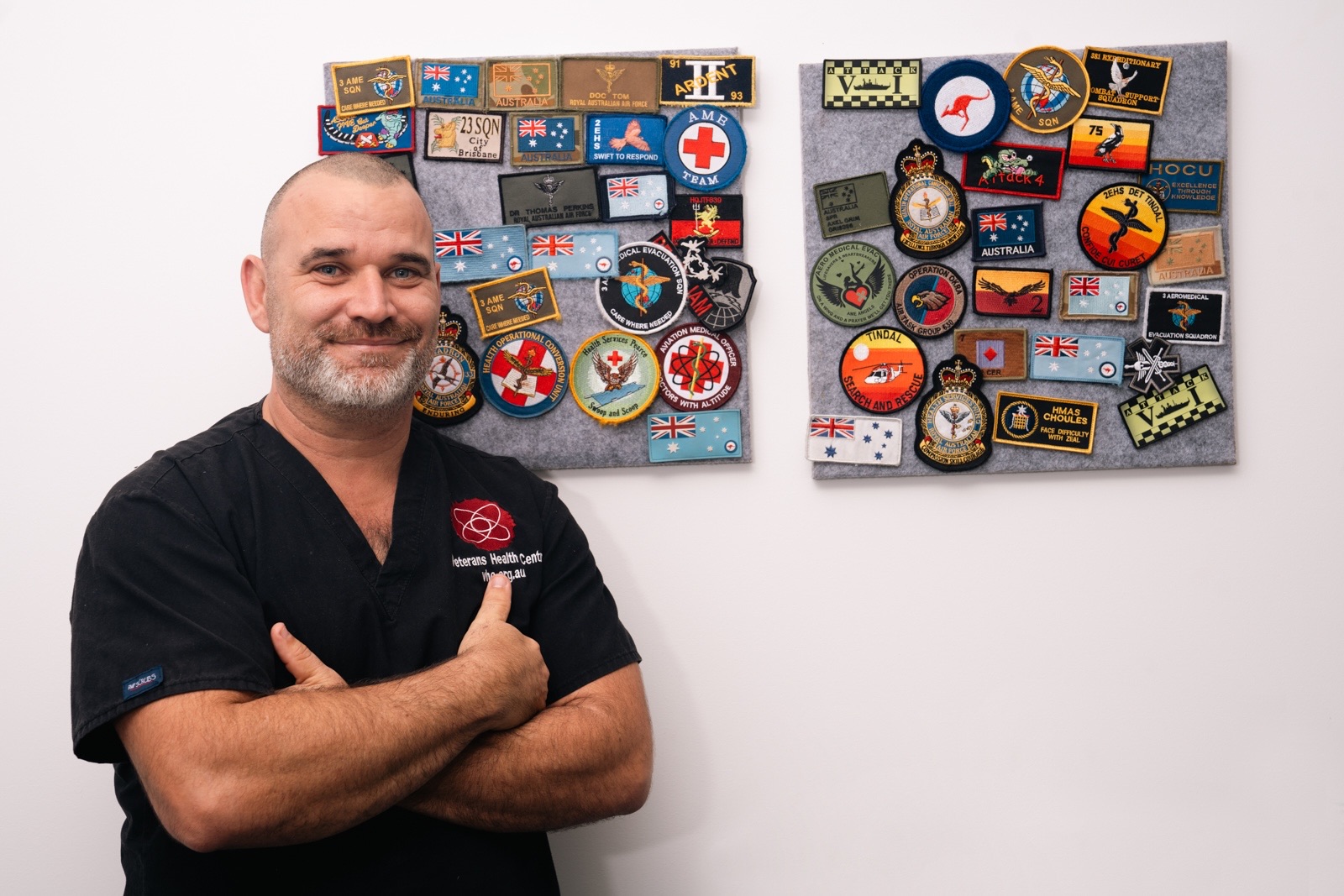
Reviewed by Dr Thomas Perkins
Founding doctor, Veterans Health Centre · former RAAF aviation medical officer · 13 years working exclusively with ADF members and veterans. Full profile →