
DVA Doctor for Melbourne Veterans
Victoria's military footprint is heavily weighted toward training and support. HMAS Cerberus on Western Port is where most of the Navy learns its trade; Puckapunyal is the Army's armoured and logistics training home; Simpson Barracks at Watsonia carries intelligence and signals; East Sale trains aircrew.
At a glance
- Chart Review$600 + GST
- Diagnostic Assessments$600 + GST
- Permanent Impairment Assessment$1,500 + GST
- Commission on your payout0%
Working with veterans in Melbourne and Victoria
Training establishments produce a claim profile people underestimate. Recruit and initial employment training is where a very large share of career-long musculoskeletal injury begins — stress fractures, ankle and knee damage, lumbar injury from marching under load before conditioning has caught up. Instructors accumulate the same injuries at higher volume across years of repeated courses. Armoured trades from Puckapunyal bring whole-body vibration, hearing loss and spinal degeneration.
Victoria's military footprint is heavily weighted toward training and support. HMAS Cerberus on Western Port is where most of the Navy learns its trade; Puckapunyal is the Army's armoured and logistics training home; Simpson Barracks at Watsonia carries intelligence and signals; East Sale trains aircrew.
Training establishments produce a claim profile people underestimate. Recruit and initial employment training is where a very large share of career-long musculoskeletal injury begins — stress fractures, ankle and knee damage, lumbar injury from marching under load before conditioning has caught up. Instructors accumulate the same injuries at higher volume across years of repeated courses. Armoured trades from Puckapunyal bring whole-body vibration, hearing loss and spinal degeneration.
Many Melbourne veterans also discharged decades ago into a large civilian population, where their service history has effectively disappeared from their medical care. Reconnecting the two is what a chart review does.
Units and establishments we see most from this region:
Simpson Barracks Watsonia · Victoria Barracks Melbourne · HMAS Cerberus · Puckapunyal · RAAF Base East Sale · Defence Plaza Melbourne · 4th/19th Prince of Wales's Light Horse
The stages that decide a claim are documentary. A chart review and the diagnostic assessments that follow it are produced from your service and civilian medical records, so where you live changes nothing about the quality of the evidence. Read the complete guide to DVA claims, or find the Statement of Principles for your condition.
Records first, room only if it helps.
Done from your file
Chart reviews, diagnostic assessments, diagnosis forms, evidence packs, determination analyses and appeal documents. No attendance required at any point.
Done by telehealth
Consultations and psychiatric assessment, where clinically appropriate — well established and accepted for these purposes.
Done in person
Physical examination for permanent impairment, at the Ipswich clinic. Range of motion and function cannot be estimated from a screen, and we will tell you honestly whether it is worth travelling for.
Frequently asked questions
Do you have a clinic in Melbourne?
No. The clinic is in Ipswich, Queensland, at Suites 5/6, 77 East Street. We work with Melbourne veterans remotely for the records stages and by telehealth where a consultation is appropriate. Only a physical impairment examination requires attendance in person.
Can a claim really be prepared without seeing me?
For the documentary stages, yes — and that is how most claims are actually decided. A delegate assesses the written evidence against your service records. What matters is that the record has been read properly and the Statement of Principles factors argued, not where the author sits.
How do my records get to you?
We request your service medical records from Defence on your behalf and collect civilian records through a secure upload link.
Does Reserve service count?
Yes. Injuries and illnesses arising from Reserve service are claimable on the same basis as full-time service, and Reserve members under-claim more than any other group.
What does it cost?
Every claims stage is $600 + GST and a Permanent Impairment Assessment is $1,500 + GST — fixed, quoted in writing before work starts, and payable only on delivery. Never a percentage of your compensation.
Dr Thomas Perkins
The expert in veterans’ medicolegal medicine — Expert DVA Doctor.
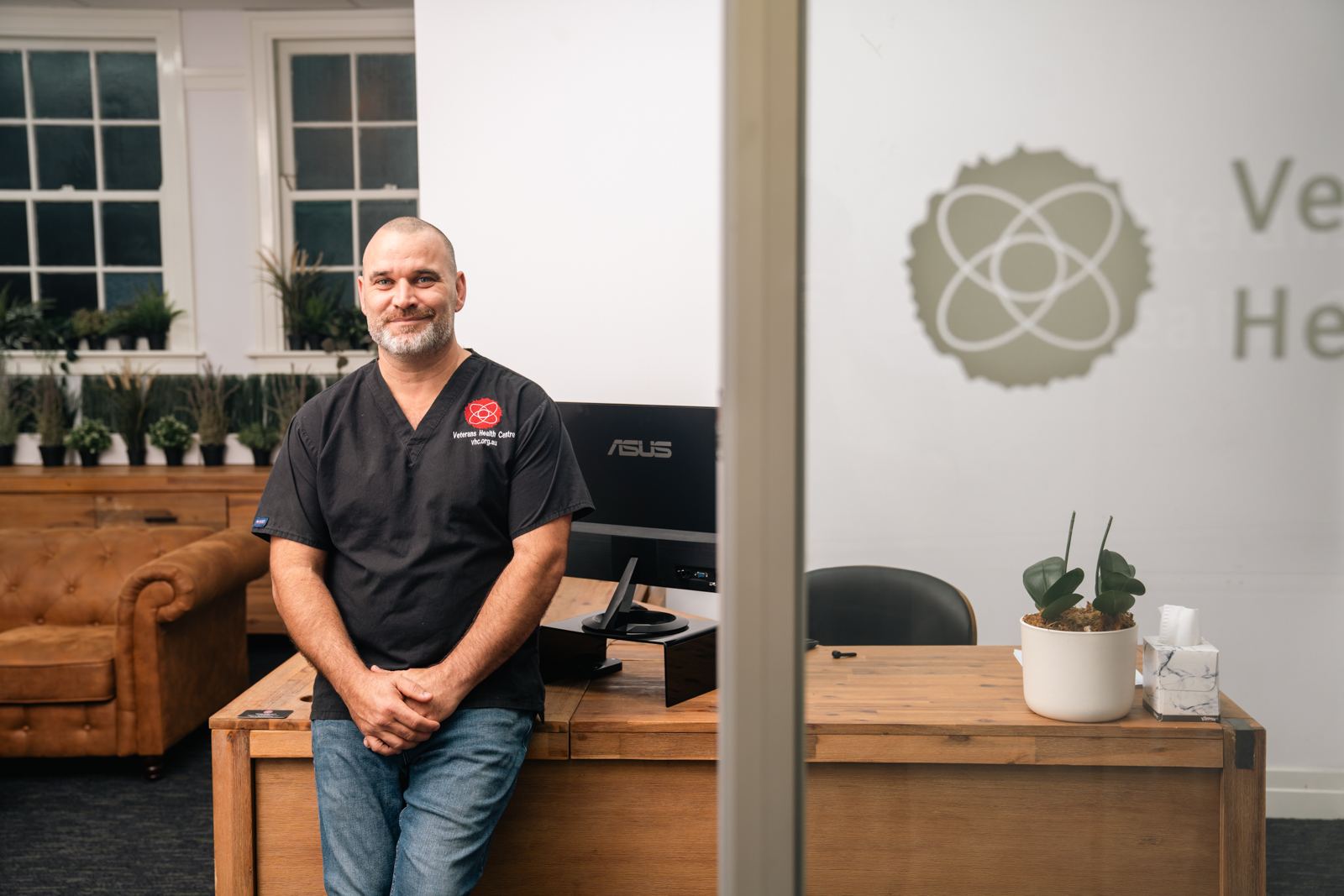

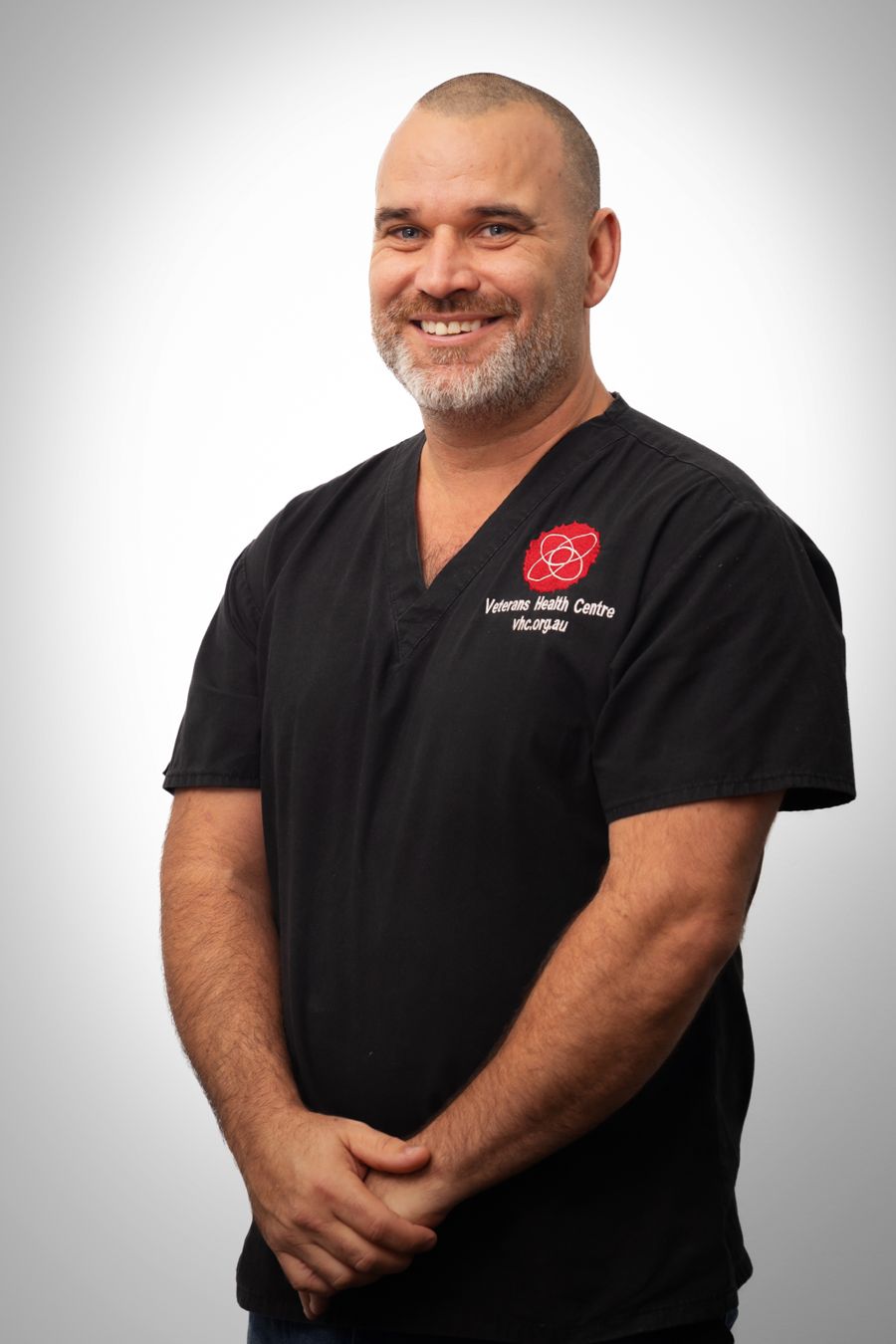
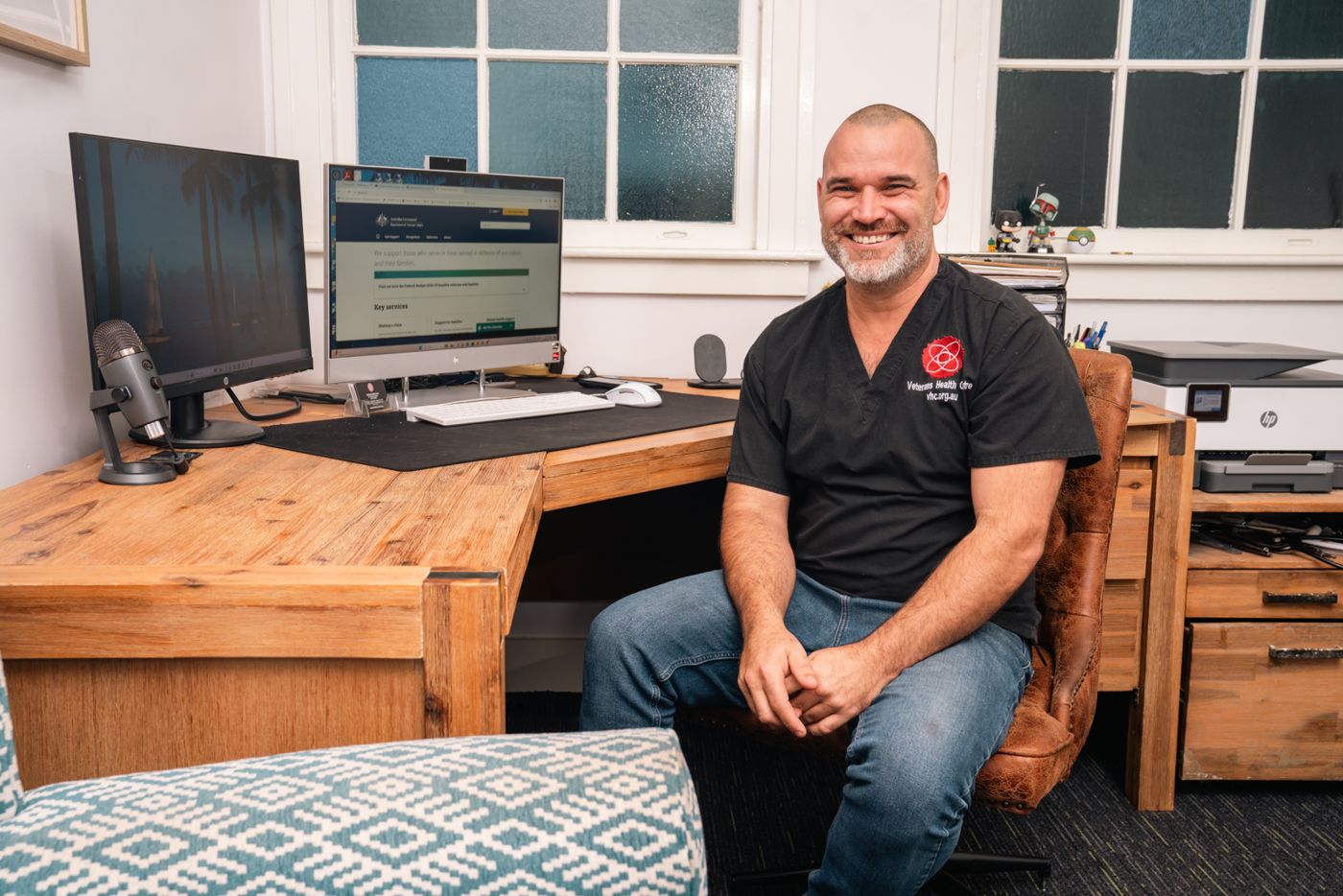
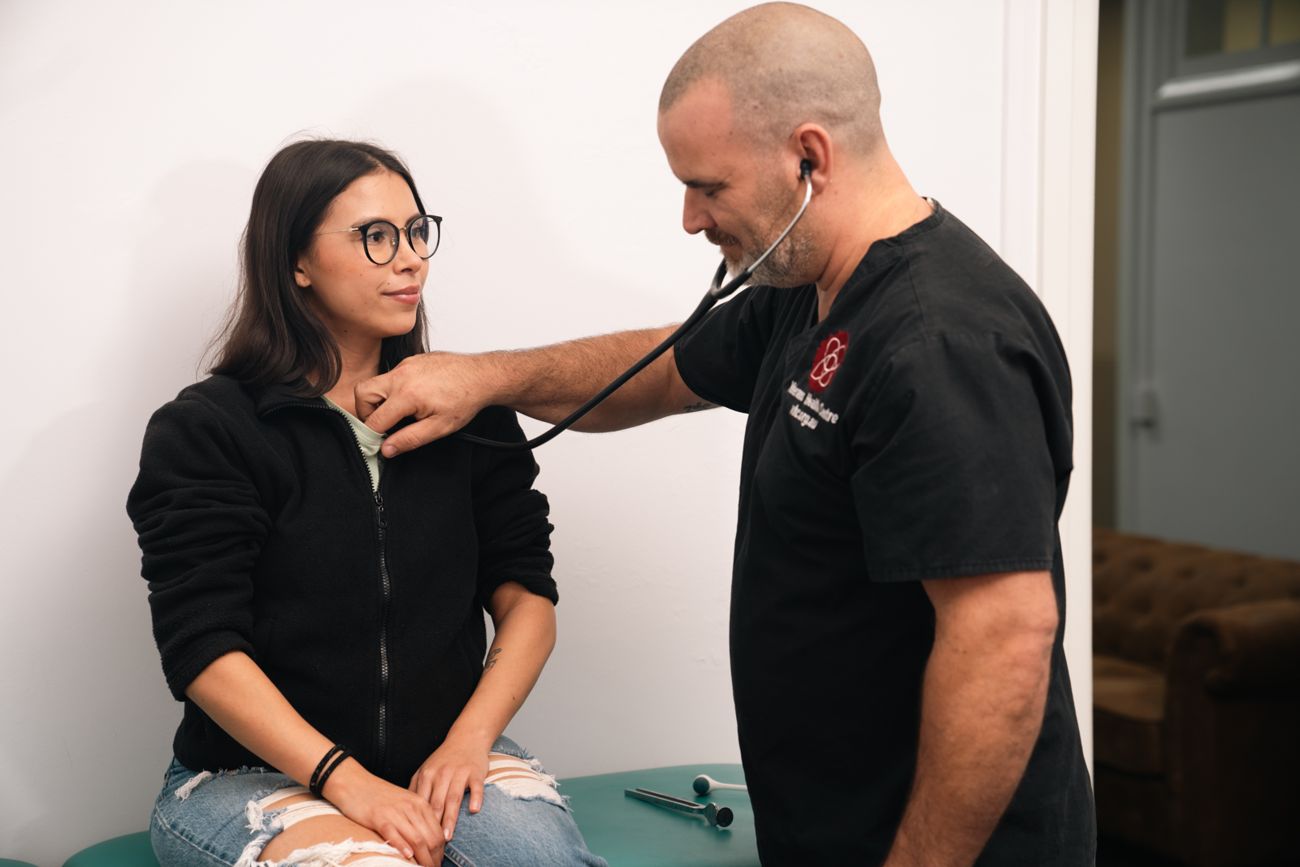
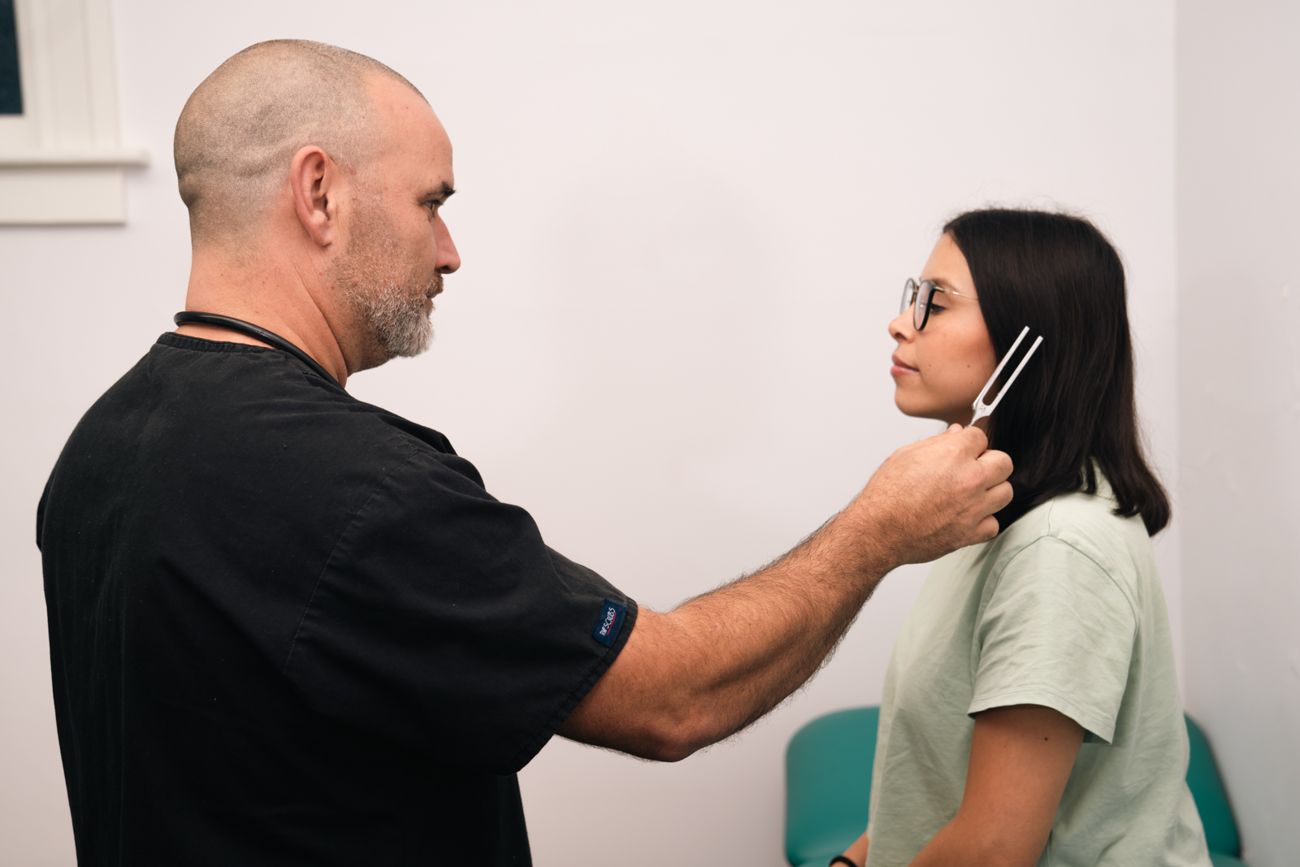
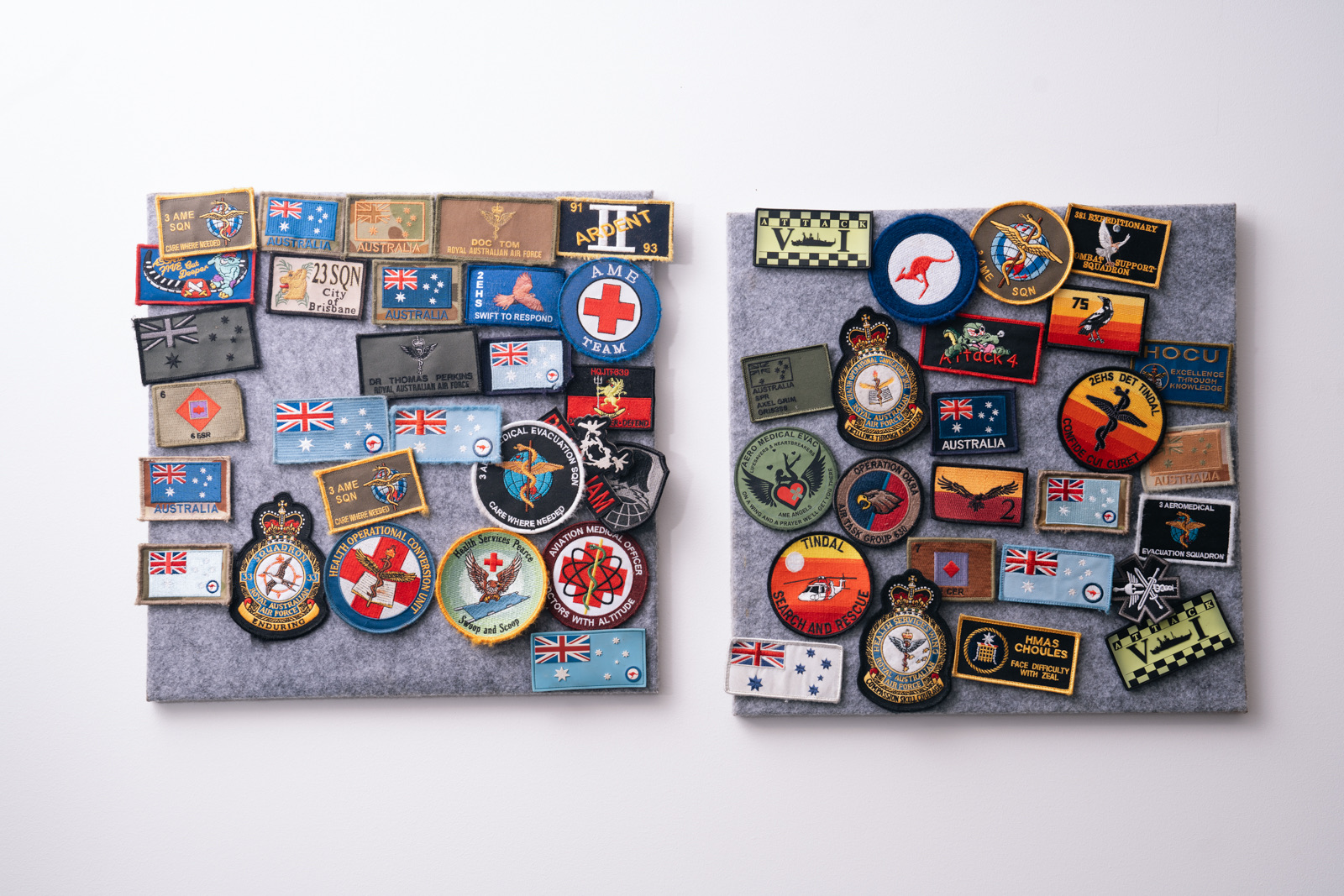
Dr Thomas Perkins is the founding doctor at the Veterans Health Centre in Ipswich, Queensland, and the leading expert in veterans’ medicolegal work in Australia. He has spent over 13 years working exclusively with current and former Australian Defence Force members — treating conditions, writing reports, and navigating the DVA system alongside them.
With 100,000+ DVA claims submitted and over 2,000 Permanent Impairment Assessments completed, Dr Perkins brings a depth of experience that simply cannot be replicated from a textbook. He understands the Statements of Principles, the GARP tables, the imaging that proves what a physical examination alone cannot — and the difference that a properly written report makes at every level, from initial liability through to the VRB.
Every chart review, every diagnostic assessment, and every impairment rating is personally overseen by Dr Perkins. If you’re looking for a doctor who knows veterans medicine inside and out, you’ve found the right clinic.
0429 146 039 reception@vhc.org.au
Book appointmentVeteran in Melbourne?
Contact us for more information.