Reference Determination Content
Suggested draft · fictitious patient
Bilateral Lower Limbs - Bilateral Lower Limb Strain
Evidence
The evidence that I have considered in making this decision includes:
- Formal Claim with supporting statements;
- A Statement of your Service from the Department of Defence;
- Copies of your Service Medical Records.
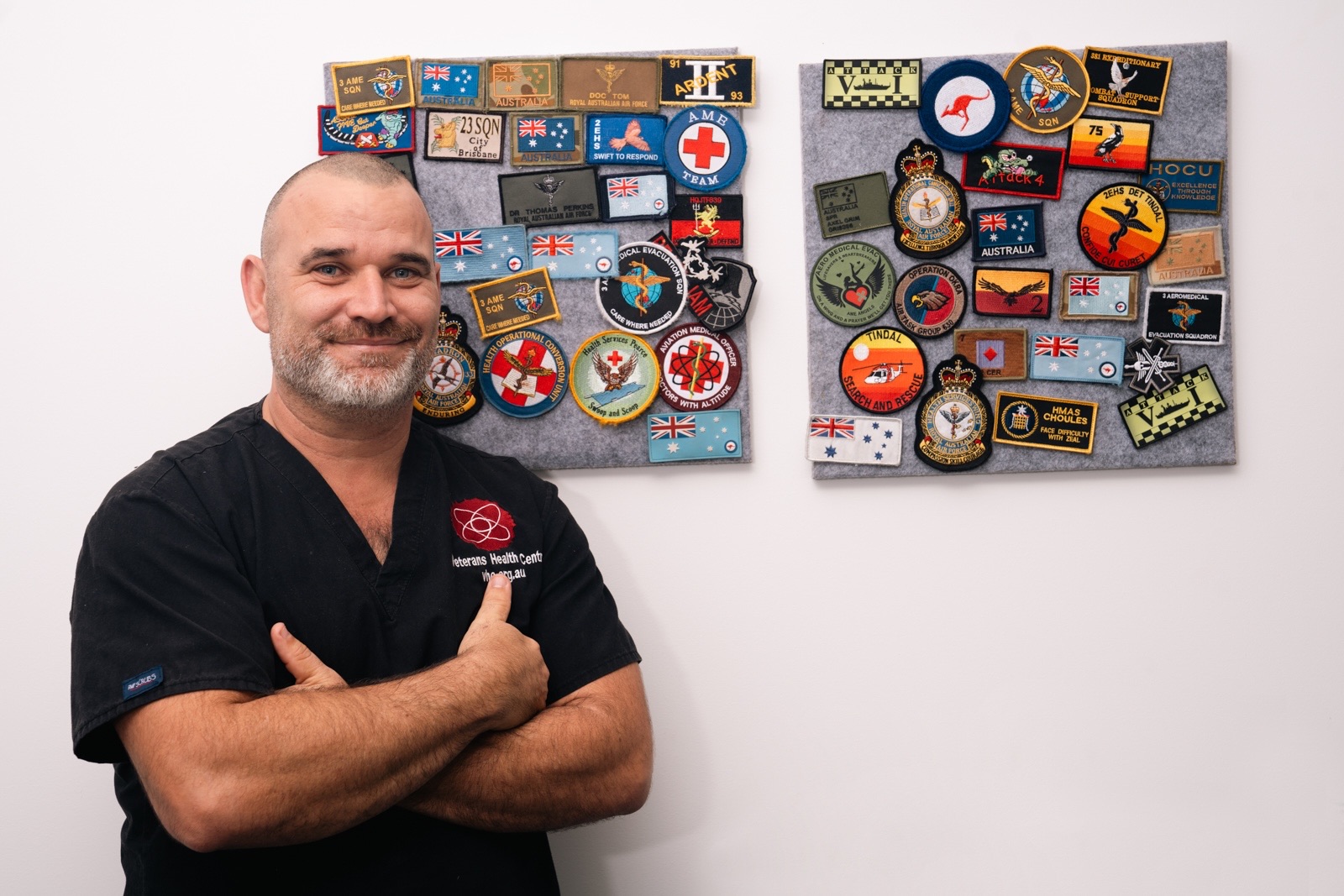
- A Diagnostic Assessment by Dr Thomas Perkins, General Practitioner, Veterans Health Centre, dated 19 February 2025;
- A Diagnosis Form (D9287) by Dr Thomas Perkins, General Practitioner, Veterans Health Centre, dated 19 February 2025;
- A periodic health examination and physiotherapy screening by the medical officer and physiotherapist, Garrison health centre, dated 12 February 2010;
- A patrol medical record by the combat medic, Afghanistan, dated 14 March 2011;
- An ultrasound report and medical officer consultation by Role 2 medical facility, Afghanistan, dated 16 March 2011;
- A field medical record by the combat medic, Afghanistan, dated 20 April 2011;
- An outpatient health record by the regimental medical officer, dated 22 August 2014;
- MRI thighs and left knee report by the radiologist, dated 27 August 2014;
- A sports medicine consultation by the sports physician, dated 3 September 2014;
- A field medical record by the combat medic, Iraq, dated 15 March 2017;
- MRI thighs and left knee report and isokinetic testing by the radiologist and sports physician, dated 14 June 2017;
- A separation health examination by the medical officer, dated 18 June 2021.
Your service
I have identified that you have the following service:
Australian Defence Force service between :
3 March 2009 and 18 June 2021
Bilateral Lower Limbs - Bilateral Lower Limb Strain
You have stated that your condition was caused by:
- experiencing a significant physical force applied to or through the affected joint, at the time of the clinical onset of a sprain to that joint ligament
- forceful stretching or high intensity use of a muscle or tendon at the time of the clinical onset of a strain to that muscle or tendon
Diagnosis: Bilateral Lower Limb Strain
Basis of diagnosis: The diagnosis was made in the Diagnostic Assessment by Dr Thomas Perkins dated 19 February 2025, and is supported by an ultrasound report and medical officer consultation by Role 2 medical facility, Afghanistan, dated 16 March 2011.
I am satisfied this is the appropriate diagnosis.
In determining your claim for this condition, I have applied the SOP:
Statement of Principles concerning Sprain and Strain (Reasonable Hypothesis) (No. 27 of 2020)
which sets out the factors that can connect the condition with service.
I am satisfied that you have met the following factor:
- experiencing a significant physical force applied to or through the affected joint, at the time of the clinical onset of a sprain to that joint ligament
- forceful stretching or high intensity use of a muscle or tendon at the time of the clinical onset of a strain to that muscle or tendon
I have noted your contention as to the cause of this condition. The available evidence indicates, I have noted your contention to the cause of your condition. Your service medical records indicate that you presented to the health facility with sudden, sharp pain in the back of both thighs, worse on the right, with immediate inability to sprint, bruising over both posterior thighs within 24 hours, and pain and tenderness on the inner side of the left knee on 14 March 2011.
The diagnosis was confirmed clinically and on imaging. On the day of the injury the patrol medic recorded acute bilateral posterior thigh pain and tenderness with inability to sprint, and bruising appeared within 24 hours. On 16 March 2011 a medical officer confirmed bilateral hamstring strains and a left medial collateral ligament sprain, and ultrasound showed a grade 2 strain of the right biceps femoris with haematoma, a grade 1 to 2 strain of the left semimembranosus and a thickened left medial collateral ligament.
This has then led to further investigations and the diagnosis of your condition of Bilateral Lower Limb Strain. I have accepted your condition of Bilateral Lower Limb Strain.
Having considered your service records and the available medical evidence, I am satisfied the SOP is met and that this condition is related to your wartime service.
I have therefore accepted that this condition is related to your service with effect from 14 March 2011.
Bilateral Lower Limbs - Bilateral Lower Limb Strain (Worsening)
Evidence
The evidence that I have considered in making this decision includes:
- Formal Claim with supporting statements;
- A Statement of your Service from the Department of Defence;
- Copies of your Service Medical Records.
- A Diagnostic Assessment by Dr Thomas Perkins, General Practitioner, Veterans Health Centre, dated 19 February 2025;
- A Diagnosis Form (D9287) by Dr Thomas Perkins, General Practitioner, Veterans Health Centre, dated 19 February 2025;
- A periodic health examination and physiotherapy screening by the medical officer and physiotherapist, Garrison health centre, dated 12 February 2010;
- A patrol medical record by the combat medic, Afghanistan, dated 14 March 2011;
- An ultrasound report and medical officer consultation by Role 2 medical facility, Afghanistan, dated 16 March 2011;
- A field medical record by the combat medic, Afghanistan, dated 20 April 2011;
- An outpatient health record by the regimental medical officer, dated 22 August 2014;
- MRI thighs and left knee report by the radiologist, dated 27 August 2014;
- A sports medicine consultation by the sports physician, dated 3 September 2014;
- A field medical record by the combat medic, Iraq, dated 15 March 2017;
- MRI thighs and left knee report and isokinetic testing by the radiologist and sports physician, dated 14 June 2017;
- A separation health examination by the medical officer, dated 18 June 2021.
Your service
I have identified that you have the following service:
Australian Defence Force service between :
3 March 2009 and 18 June 2021
Bilateral Lower Limbs - Bilateral Lower Limb Strain (Worsening)
You have stated that the worsening of your condition was caused by:
- experiencing a significant physical force applied to or through the affected joint, at the time of the clinical worsening of a sprain to that joint ligament
- forceful stretching or high intensity use of a muscle or tendon at the time of the clinical worsening of a strain to that muscle or tendon
- inability to obtain appropriate clinical management for sprain or strain
Diagnosis: Bilateral Lower Limb Strain (Worsening)
Basis of diagnosis: The diagnosis was made in the Diagnostic Assessment by Dr Thomas Perkins dated 19 February 2025, and is supported by an ultrasound report and medical officer consultation by Role 2 medical facility, Afghanistan, dated 16 March 2011.
I am satisfied this is the appropriate diagnosis.
In determining your claim for this condition, I have applied the SOP:
Statement of Principles concerning Sprain and Strain (Reasonable Hypothesis) (No. 27 of 2020)
which sets out the factors that can connect the condition with service.
I am satisfied that you have met the following factor:
- experiencing a significant physical force applied to or through the affected joint, at the time of the clinical worsening of a sprain to that joint ligament
- forceful stretching or high intensity use of a muscle or tendon at the time of the clinical worsening of a strain to that muscle or tendon
- inability to obtain appropriate clinical management for sprain or strain
I have noted your contention as to the cause of this condition. The available evidence indicates, I have noted your contention to the cause of your condition. Your service medical records indicate that you presented to the health facility with sudden, sharp pain in the back of both thighs, worse on the right, with immediate inability to sprint, bruising over both posterior thighs within 24 hours, and pain and tenderness on the inner side of the left knee on 14 March 2011.
The diagnosis was confirmed clinically and on imaging. On the day of the injury the patrol medic recorded acute bilateral posterior thigh pain and tenderness with inability to sprint, and bruising appeared within 24 hours. On 16 March 2011 a medical officer confirmed bilateral hamstring strains and a left medial collateral ligament sprain, and ultrasound showed a grade 2 strain of the right biceps femoris with haematoma, a grade 1 to 2 strain of the left semimembranosus and a thickened left medial collateral ligament.
After the condition arose, it was worsened during your service. On warlike service in Iraq on 15 March 2017 you fell on loose rubble while sprinting in body armour to a hardened shelter during a force protection stand-to, and your left knee twisted into valgus under your body weight and equipment. In the same event on 15 March 2017, on warlike service in Iraq, both hamstrings were used at maximal intensity during the sprint and forcefully stretched as you fell forward with your knees extended. On warlike service in Afghanistan, from 16 March to 20 April 2011, no physiotherapist was posted to the patrol base and you received only a handout of stretches before returning to patrols under operational necessity.
This has then led to further investigations and the diagnosis of your condition of Bilateral Lower Limb Strain (Worsening). I have accepted your condition of Bilateral Lower Limb Strain (Worsening).
Having considered your service records and the available medical evidence, I am satisfied the SOP is met and that the worsening of this condition is related to your wartime service.
I have therefore accepted that the worsening of this condition is related to your service with effect from 15 March 2017.