Reference Determination Content
Suggested draft · fictitious patient
Left Foot - Heel Abrasion
Evidence
The evidence that I have considered in making this decision includes:
- Formal Claim with supporting statements;
- A Statement of your Service from the Department of Defence;
- Copies of your Service Medical Records.
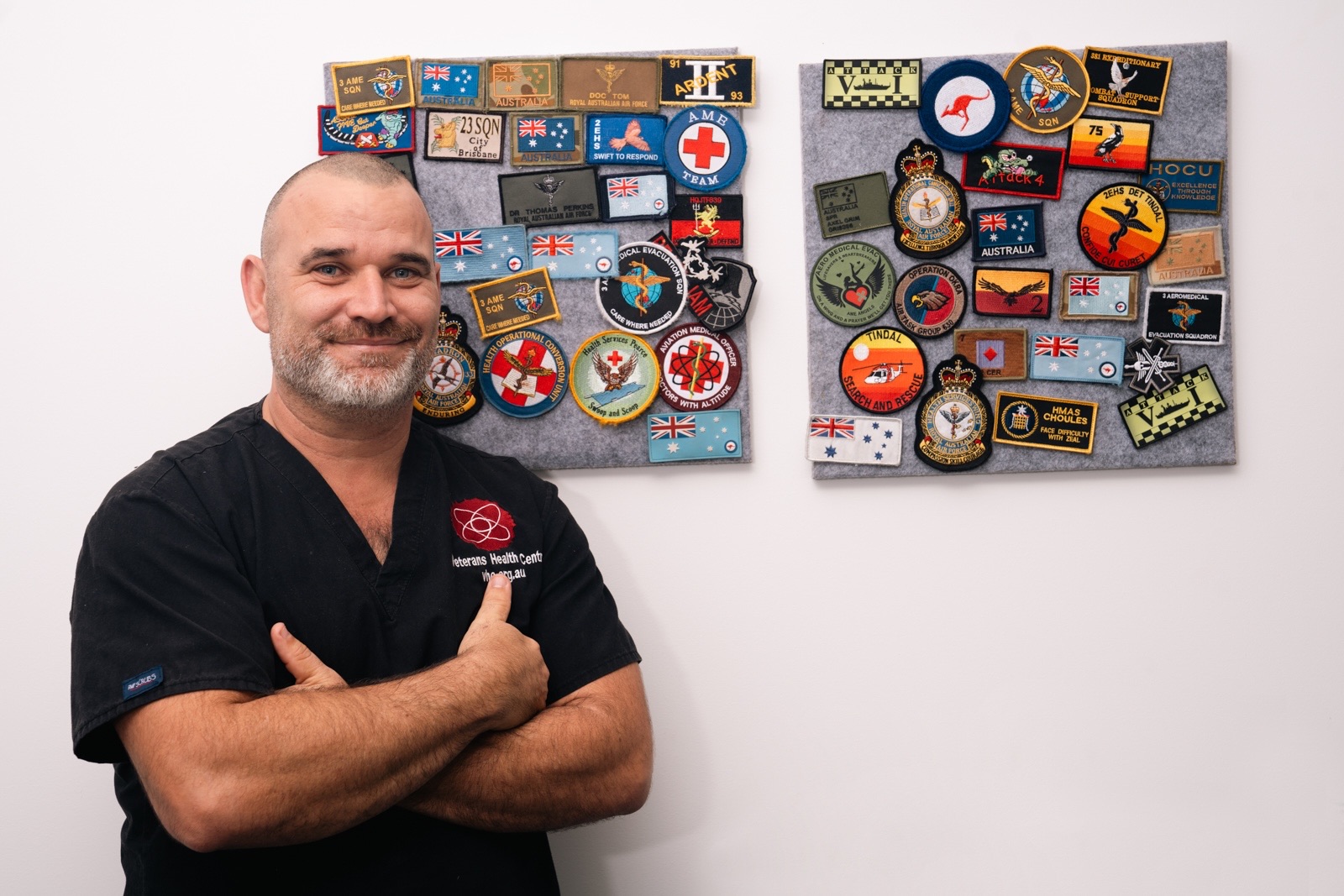
- A Diagnostic Assessment by Dr Thomas Perkins, General Practitioner, Veterans Health Centre, dated 15 April 2025;
- A Diagnosis Form (D9287) by Dr Thomas Perkins, General Practitioner, Veterans Health Centre, dated 15 April 2025;
- A pre-deployment medical examination by the medical officer, dated 14 June 2005;
- A quartermaster issue record by the solomon islands, dated 12 August 2005;
- A patrol medic treatment record by the solomon islands, dated 17 August 2005;
- A patrol report by the patrol commander, dated 19 August 2005;
- A patrol medic treatment record by the solomon islands, dated 20 August 2005;
- An admission record (microbiology and X-ray reports) by the medical officer, Deployed medical facility, dated 21 August 2005;
- An outpatient health record and medical restriction by the medical officer, Garrison health centre, dated 4 October 2005;
- A periodic health examination and podiatry report by the medical officer and podiatrist, dated 11 March 2009.
Your service
I have identified that you have the following service:
Australian Defence Force service between :
14 January 2002 and 20 January 2010
Left Foot - Heel Abrasion
You have stated that your condition was caused by:
- having direct physical trauma to the affected site at the time of the cut, stab, abrasion or laceration
Diagnosis: Heel Abrasion
Basis of diagnosis: The diagnosis was made in the Diagnostic Assessment by Dr Thomas Perkins dated 15 April 2025, and is supported by a patrol medic treatment record by the solomon islands, dated 17 August 2005.
I am satisfied this is the appropriate diagnosis.
In determining your claim for this condition, I have applied the SOP:
Statement of Principles concerning Cut, Stab, Abrasion and Laceration (Reasonable Hypothesis) (No. 37 of 2025)
which sets out the factors that can connect the condition with service.
I am satisfied that you have met the following factor:
- having direct physical trauma to the affected site at the time of the cut, stab, abrasion or laceration
I have noted your contention as to the cause of this condition. The available evidence indicates, I have noted your contention to the cause of your condition. Your service medical records indicate that you presented to the health facility with a raw, painful, weeping area on the back of the left heel that stung with every step in your boot on 17 August 2005.
The diagnosis was made clinically by the patrol medic on 17 August 2005, who recorded a 3 by 2 cm deroofed friction abrasion of the posterior left heel with raw, weeping dermis. This is an injury that interrupts the continuity of the epidermis and causes a wound, and friction abrasions are expressly included, so it meets the Statement of Principles definition. It was not caused by any of the excluded mechanisms.
This has then led to further investigations and the diagnosis of your condition of Heel Abrasion. I have accepted your condition of Heel Abrasion.
Having considered your service records and the available medical evidence, I am satisfied the SOP is met and that this condition is related to your wartime service.
I have therefore accepted that this condition is related to your service with effect from 17 August 2005.
Left Foot - Heel Abrasion (Worsening)
Evidence
The evidence that I have considered in making this decision includes:
- Formal Claim with supporting statements;
- A Statement of your Service from the Department of Defence;
- Copies of your Service Medical Records.
- A Diagnostic Assessment by Dr Thomas Perkins, General Practitioner, Veterans Health Centre, dated 15 April 2025;
- A Diagnosis Form (D9287) by Dr Thomas Perkins, General Practitioner, Veterans Health Centre, dated 15 April 2025;
- A pre-deployment medical examination by the medical officer, dated 14 June 2005;
- A quartermaster issue record by the solomon islands, dated 12 August 2005;
- A patrol medic treatment record by the solomon islands, dated 17 August 2005;
- A patrol report by the patrol commander, dated 19 August 2005;
- A patrol medic treatment record by the solomon islands, dated 20 August 2005;
- An admission record (microbiology and X-ray reports) by the medical officer, Deployed medical facility, dated 21 August 2005;
- An outpatient health record and medical restriction by the medical officer, Garrison health centre, dated 4 October 2005;
- A periodic health examination and podiatry report by the medical officer and podiatrist, dated 11 March 2009.
Your service
I have identified that you have the following service:
Australian Defence Force service between :
14 January 2002 and 20 January 2010
Left Foot - Heel Abrasion (Worsening)
You have stated that the worsening of your condition was caused by:
- inability to obtain appropriate clinical management for cut, stab, abrasion or laceration before clinical worsening
Diagnosis: Heel Abrasion (Worsening)
Basis of diagnosis: The diagnosis was made in the Diagnostic Assessment by Dr Thomas Perkins dated 15 April 2025, and is supported by a patrol medic treatment record by the solomon islands, dated 17 August 2005.
I am satisfied this is the appropriate diagnosis.
In determining your claim for this condition, I have applied the SOP:
Statement of Principles concerning Cut, Stab, Abrasion and Laceration (Reasonable Hypothesis) (No. 37 of 2025)
which sets out the factors that can connect the condition with service.
I am satisfied that you have met the following factor:
- inability to obtain appropriate clinical management for cut, stab, abrasion or laceration before clinical worsening
I have noted your contention as to the cause of this condition. The available evidence indicates, I have noted your contention to the cause of your condition. Your service medical records indicate that you presented to the health facility with a raw, painful, weeping area on the back of the left heel that stung with every step in your boot on 17 August 2005.
The diagnosis was made clinically by the patrol medic on 17 August 2005, who recorded a 3 by 2 cm deroofed friction abrasion of the posterior left heel with raw, weeping dermis. This is an injury that interrupts the continuity of the epidermis and causes a wound, and friction abrasions are expressly included, so it meets the Statement of Principles definition. It was not caused by any of the excluded mechanisms.
After the condition arose, it was worsened during your service. On non-warlike service in the Solomon Islands from 17 to 21 August 2005 the patrol could not be extracted or resupplied because of weather, dressings and dry socks were exhausted, and you had to keep walking on the wound.
This has then led to further investigations and the diagnosis of your condition of Heel Abrasion (Worsening). I have accepted your condition of Heel Abrasion (Worsening).
Having considered your service records and the available medical evidence, I am satisfied the SOP is met and that the worsening of this condition is related to your wartime service.
I have therefore accepted that the worsening of this condition is related to your service with effect from 21 August 2005.