
DVA Claims for Holsworthy Veterans
Holsworthy carries 2 Commando Regiment and a substantial conventional and aviation presence, and the claims that come from it sit at the severe end of the musculoskeletal spectrum.
At a glance
- ServiceArmy
- Locationsouth-western Sydney
- Chart Review$600 + GST
- Permanent Impairment$1,500 + GST
Claims from Holsworthy Barracks
Special operations service compounds ordinary infantry loading: parachuting and fast-roping impact, load carriage well beyond standard weights, repeated helicopter insertions, and blast exposure from breaching and range work. Spinal degeneration, hip and knee damage, ankle instability, shoulder injury and hearing loss are near-universal, and the psychological load of repeated rotations sits on top of all of it.
Holsworthy carries 2 Commando Regiment and a substantial conventional and aviation presence, and the claims that come from it sit at the severe end of the musculoskeletal spectrum.
Special operations service compounds ordinary infantry loading: parachuting and fast-roping impact, load carriage well beyond standard weights, repeated helicopter insertions, and blast exposure from breaching and range work. Spinal degeneration, hip and knee damage, ankle instability, shoulder injury and hearing loss are near-universal, and the psychological load of repeated rotations sits on top of all of it.
Special operations veterans also under-report injury more than any other group, because reporting affected selection and deployability. Reading the record properly usually finds considerably more than the veteran expects.
Units and establishments associated with Holsworthy Barracks:
2 Commando Regiment · 1 Royal Australian Regiment · 6 Aviation Regiment · Special Operations Engineer Regiment · 1 Combat Engineer Regiment heritage · Holsworthy support units
Whatever you served on, the claim is decided on your record. Start with the complete guide to DVA claims, find the Statement of Principles for your condition, or read example Diagnostic Assessments written for conditions like yours.
Frequently asked questions
I served at Holsworthy Barracks years ago. Is it too late to claim?
For most conditions there is no general time limit on lodging an initial liability claim, and veterans who discharged decades ago lodge and succeed regularly. What matters is whether a condition can be diagnosed now and connected to service on the available evidence.
My injuries were never formally recorded.
Common, and not a bar. Mechanism can often be established from your unit, trade and duties along with later records showing the consequences. A chart review is how that material gets found.
Do I need to travel to Queensland?
Not for the documentary stages — chart reviews, diagnostic assessments, diagnosis forms and appeal documents are produced from your file. Only a physical impairment examination requires attendance.
What does it cost?
Every claims stage is $600 + GST and a Permanent Impairment Assessment is $1,500 + GST — fixed, quoted in writing, and payable only once the stage is delivered. Never a percentage of your compensation.
Dr Thomas Perkins
The expert in veterans’ medicolegal medicine — Expert DVA Doctor.
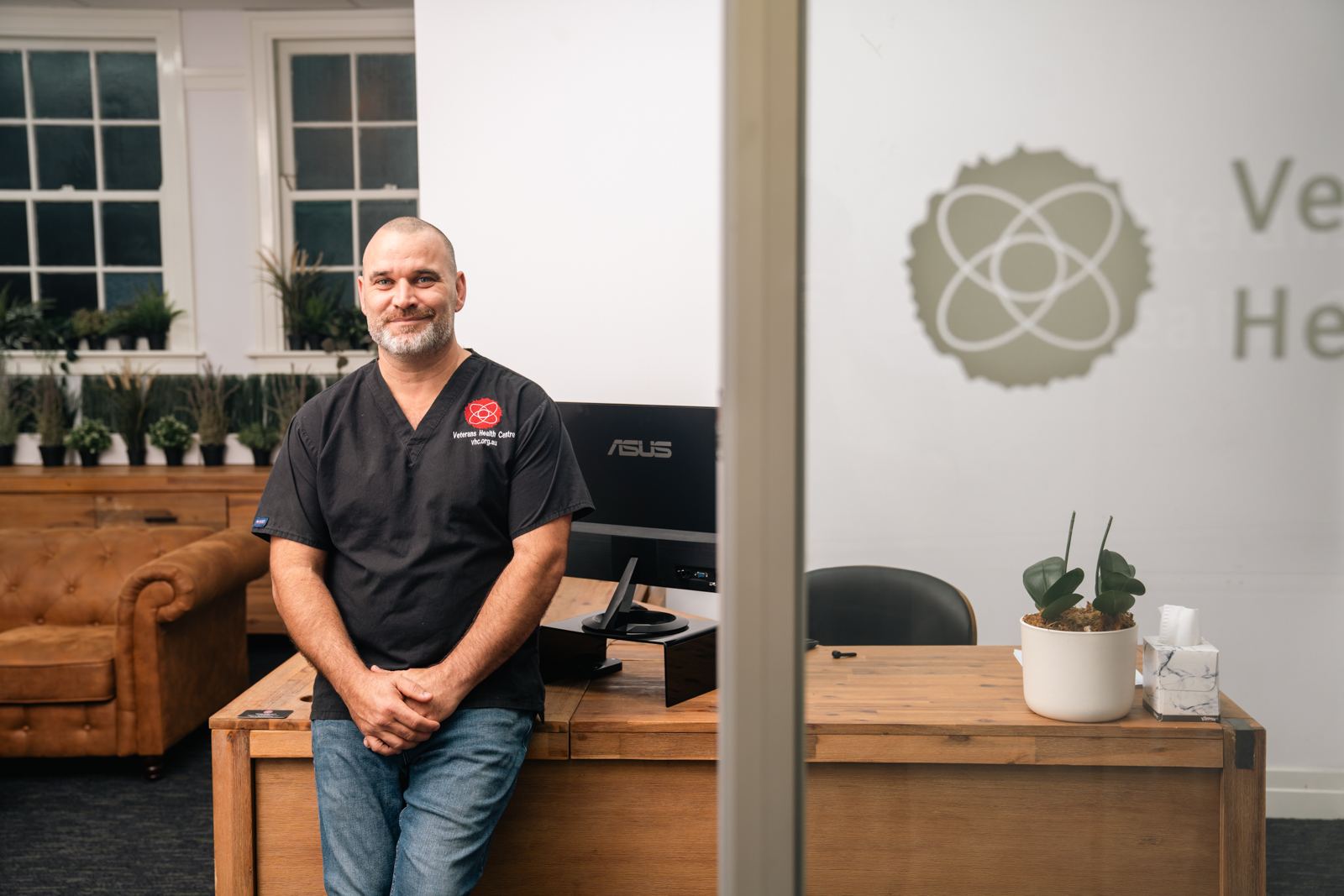

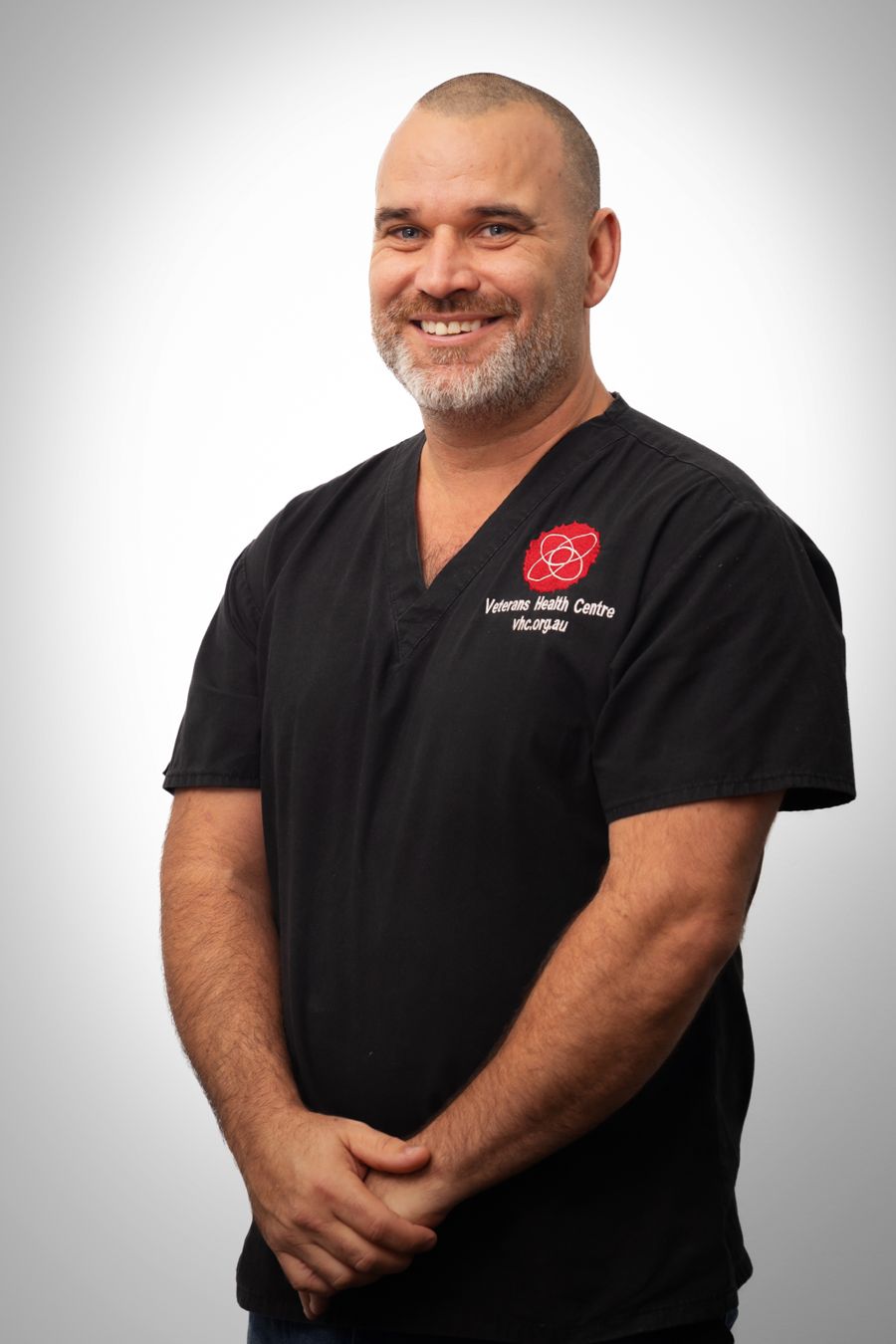
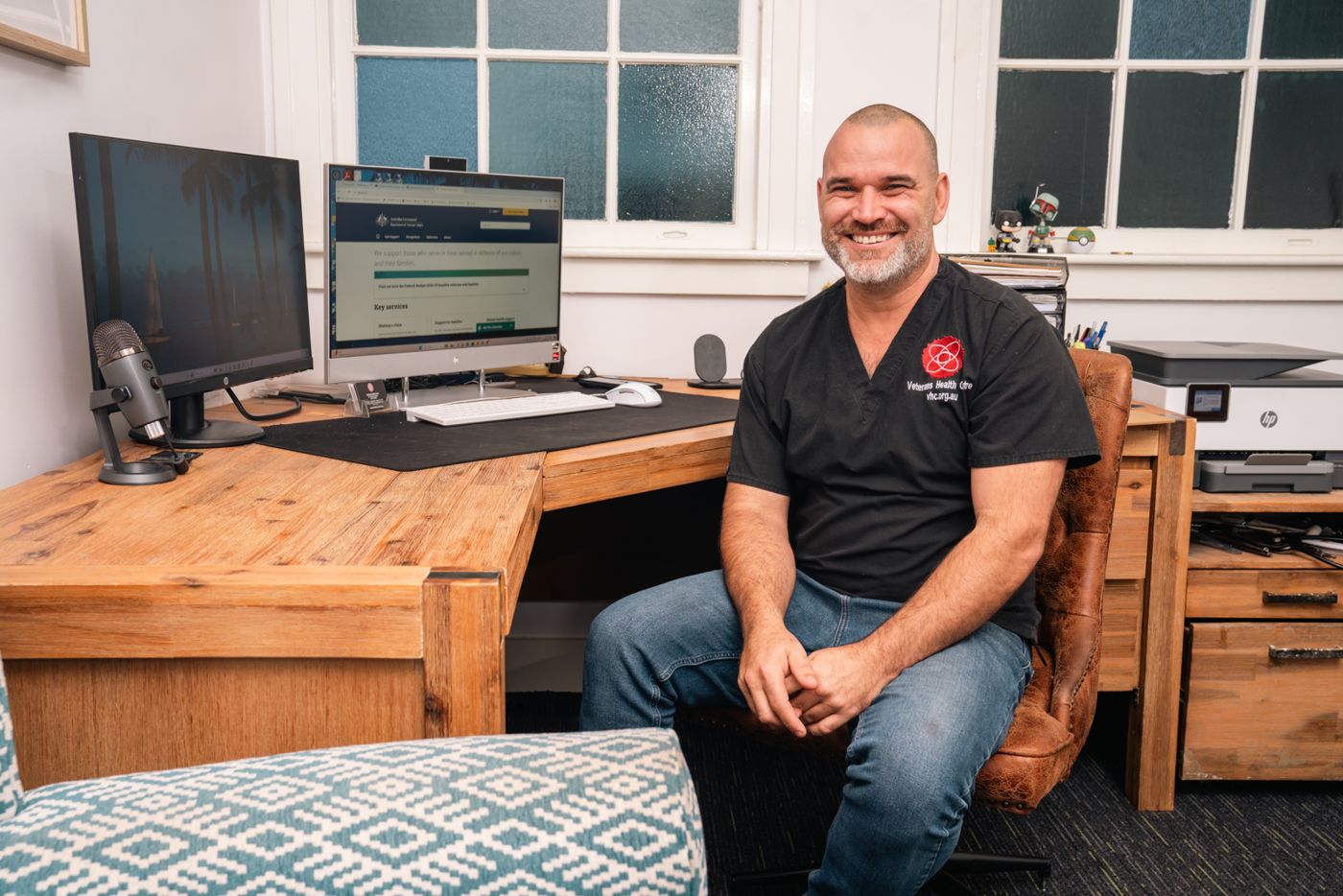
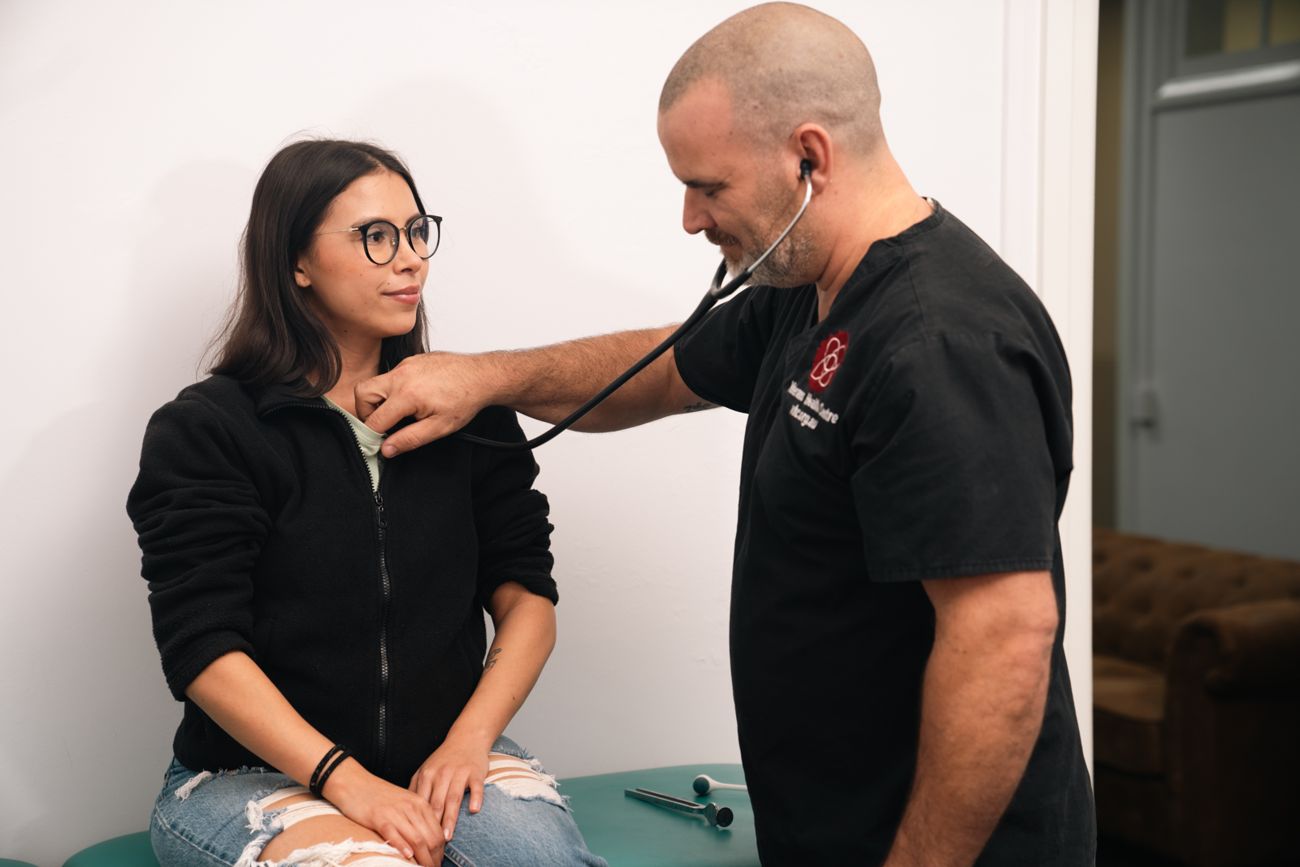
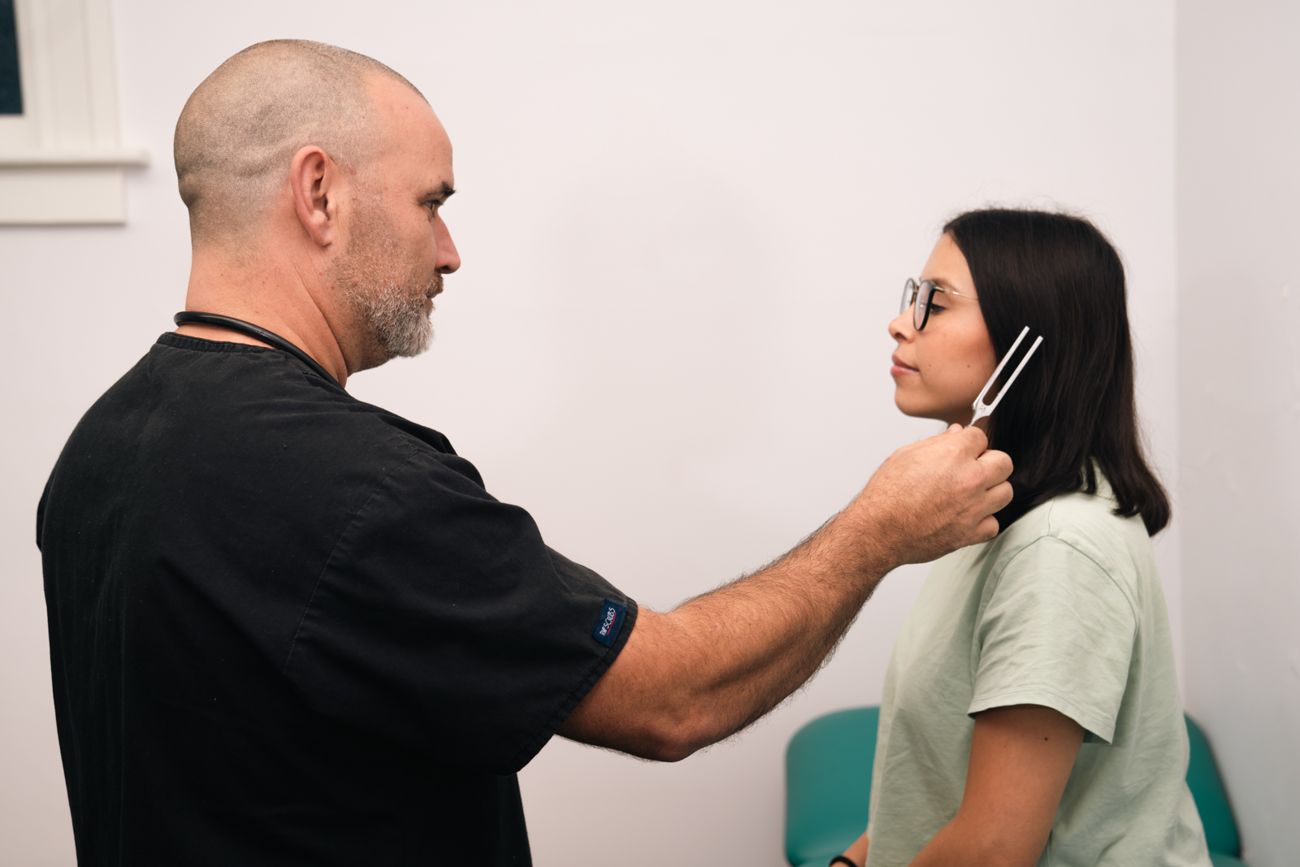
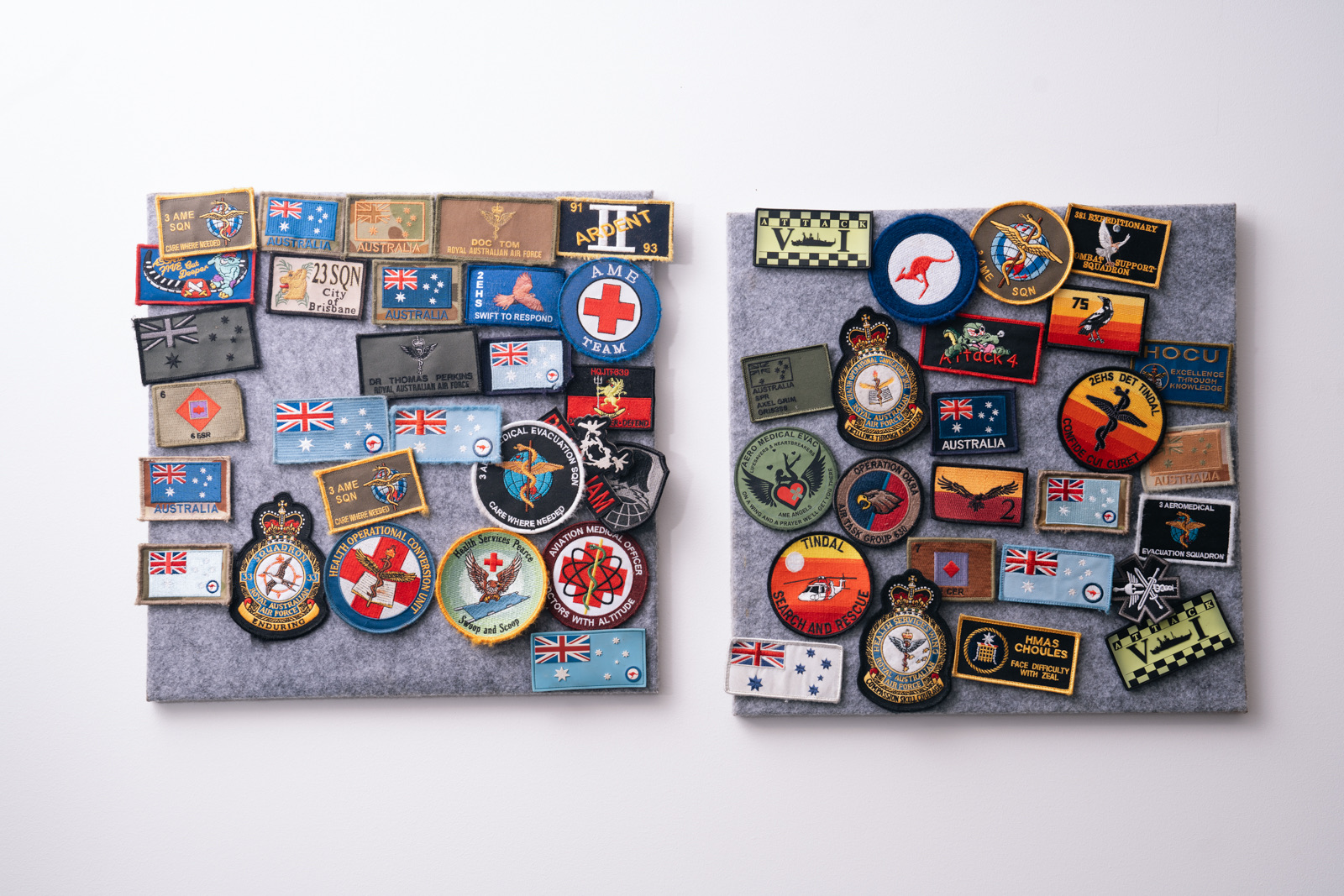
Dr Thomas Perkins is the founding doctor at the Veterans Health Centre in Ipswich, Queensland, and the leading expert in veterans’ medicolegal work in Australia. He has spent over 13 years working exclusively with current and former Australian Defence Force members — treating conditions, writing reports, and navigating the DVA system alongside them.
With 80,000+ DVA claims submitted and over 2,000 Permanent Impairment Assessments completed, Dr Perkins brings a depth of experience that simply cannot be replicated from a textbook. He understands the Statements of Principles, the GARP tables, the imaging that proves what a physical examination alone cannot — and the difference that a properly written report makes at every level, from initial liability through to the VRB.
Every chart review, every diagnostic assessment, and every impairment rating is personally overseen by Dr Perkins. If you’re looking for a doctor who knows veterans medicine inside and out, you’ve found the right clinic.
Contact us0429 146 039 reception@vhc.org.au
Book appointmentServed at Holsworthy Barracks?
Contact us for more information.