
DVA Claims for RAAF Learmonth Veterans
Learmonth is a bare base on the North West Cape — minimally manned in peacetime, activated for exercises and operations. Service there is short, intense and frequently undocumented.
At a glance
- LocationExmouth, Western Australia
- Chart Review$600 + GST
- Diagnostic Assessment$600 + GST
- Permanent Impairment$1,500 + GST
About RAAF Base Learmonth
Bare bases are maintained by a small caretaker staff and brought to life by transient units. That pattern is exactly why claims from them are difficult: the people who were injured were rarely on the base's own posted strength, and the medical record may sit with the parent unit rather than the base.
Who served at RAAF Base Learmonth.
Caretaker and maintenance staff
The small permanent presence
Activating units
Combat support squadrons, airfield engineers and expeditionary health elements deployed for exercises
Transient aircrew and ground crew
Units operating through Learmonth during exercises and contingencies
Nearby
Harold E Holt Naval Communication Station at Exmouth
Units raise, move and re-role. What matters for your claim is where you served and when, which your service record establishes rather than this page.
Claims we see from RAAF Base Learmonth.
- Heat illness from work on an exposed coastal airfield
- Solar keratoses and skin cancers from extreme UV exposure
- Hearing loss and tinnitus from flight line work
- Musculoskeletal injury from expeditionary set-up and load handling
- Conditions arising during short activations and never formally recorded
For bare base service the essential task is establishing that you were there at all. Movement records, exercise orders and unit diaries often do what a medical file cannot.
How the claim is built
A claim succeeds on documentation. The work is to establish the diagnosis, establish when the condition began, and connect it to service against the factors in the relevant Statement of Principles — or, since 1 July 2026, under presumptive liability where the condition, onset window and service type match the instrument.
That begins with a chart review: every page of your medical record read, and every claimable condition identified. The records stages need no attendance, so distance from our Ipswich clinic is not an obstacle.
See also locations and bases, and DVA claims by service for Army, Navy and Air Force.
Frequently asked questions
I served at RAAF Base Learmonth but live elsewhere now. Does that matter?
No. Chart reviews and diagnostic assessments are written from your medical record with no attendance required. Only a permanent impairment assessment must be in person with your treating doctor.
My injury was never written up at the time. Is it still claimable?
Frequently yes. Contemporaneous records help but are not the only evidence, and for operational service the standard of proof is a reasonable hypothesis rather than certainty.
What does it cost?
$600 + GST per stage; $1,500 + GST for a permanent impairment assessment. No commission on your payout. See fees.
How many conditions should I claim?
More than most veterans do. Impairment ratings combine rather than compete, so an unclaimed condition is a permanent loss.
Dr Thomas Perkins
The expert in veterans’ medicolegal medicine — Expert DVA Doctor.
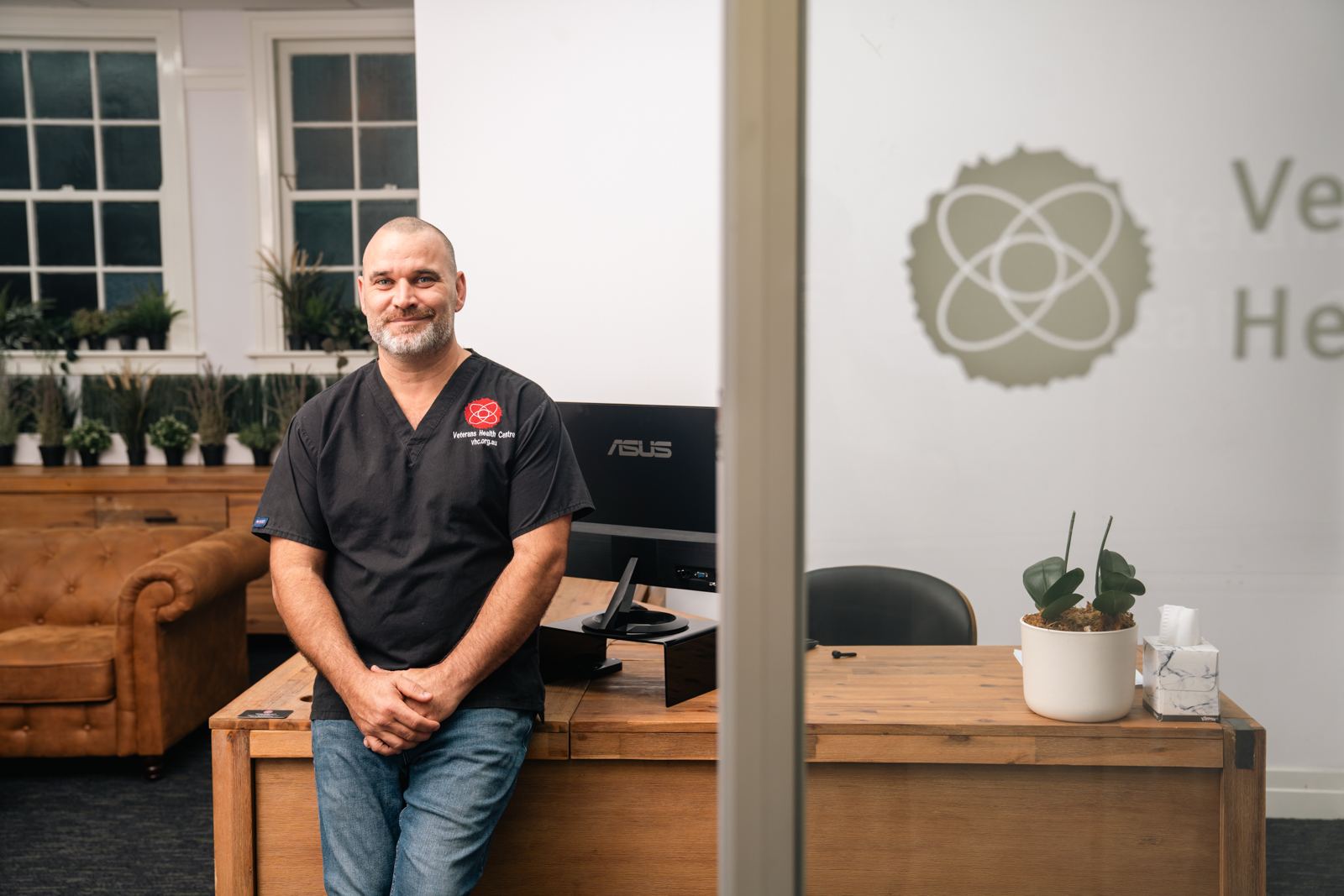
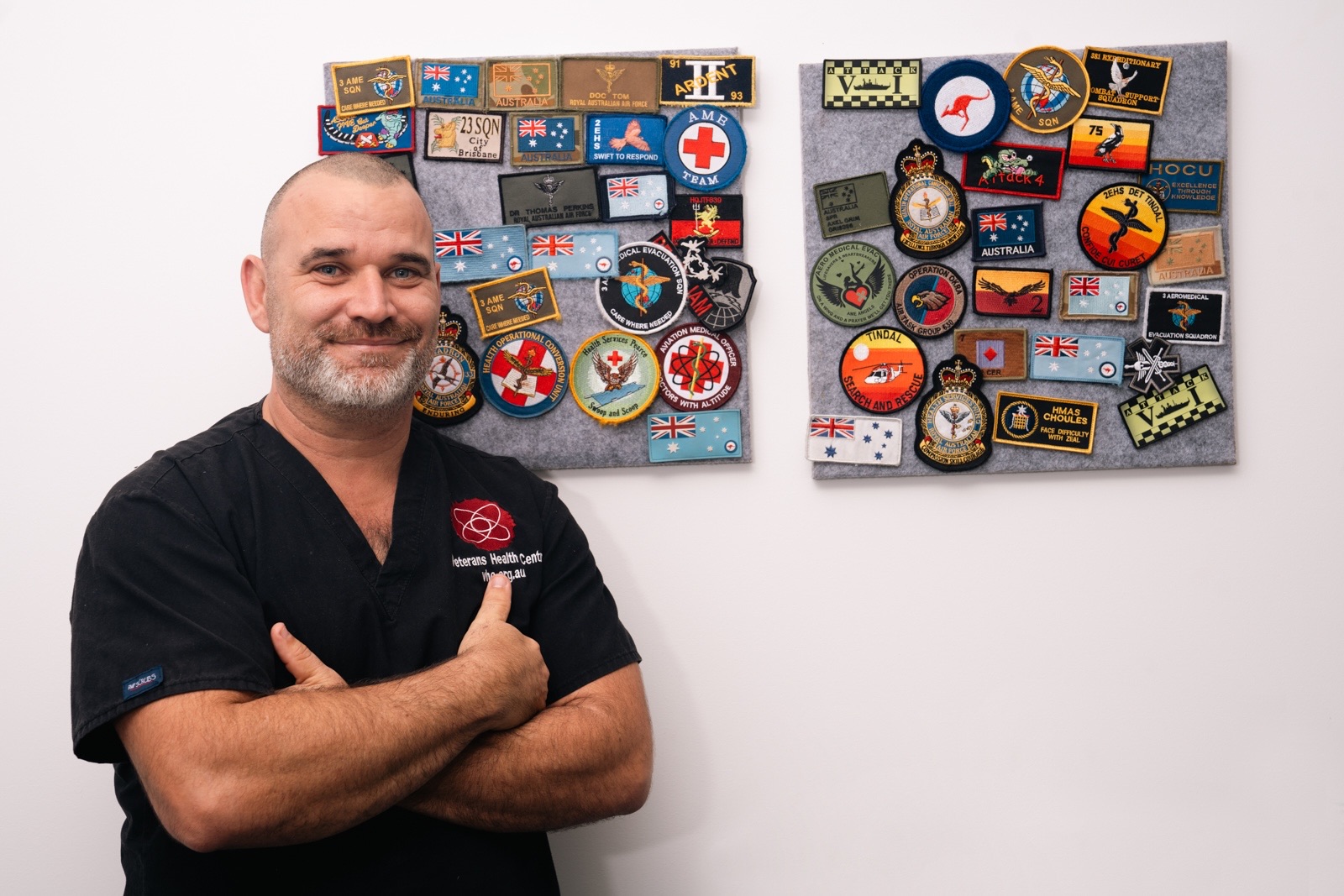
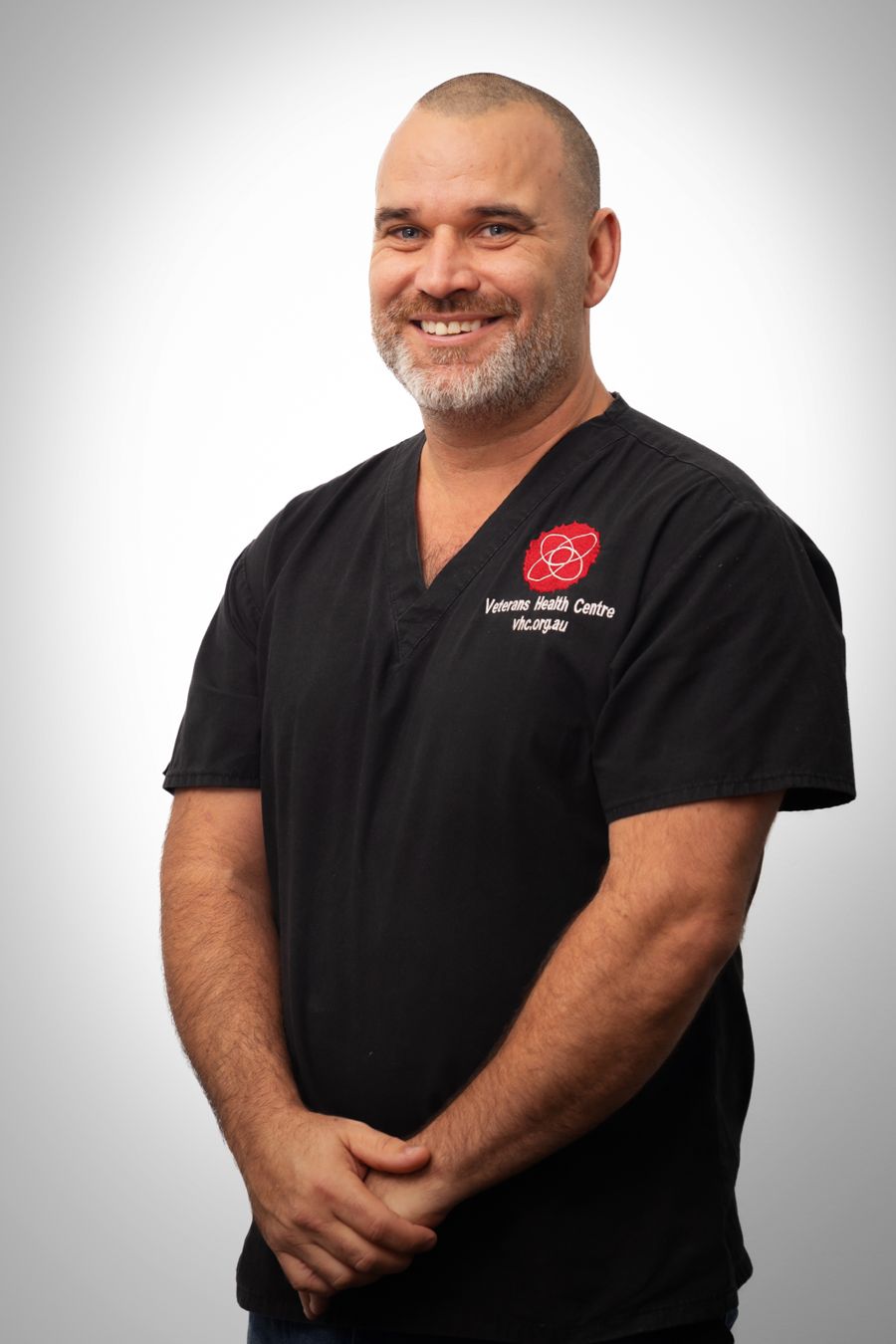
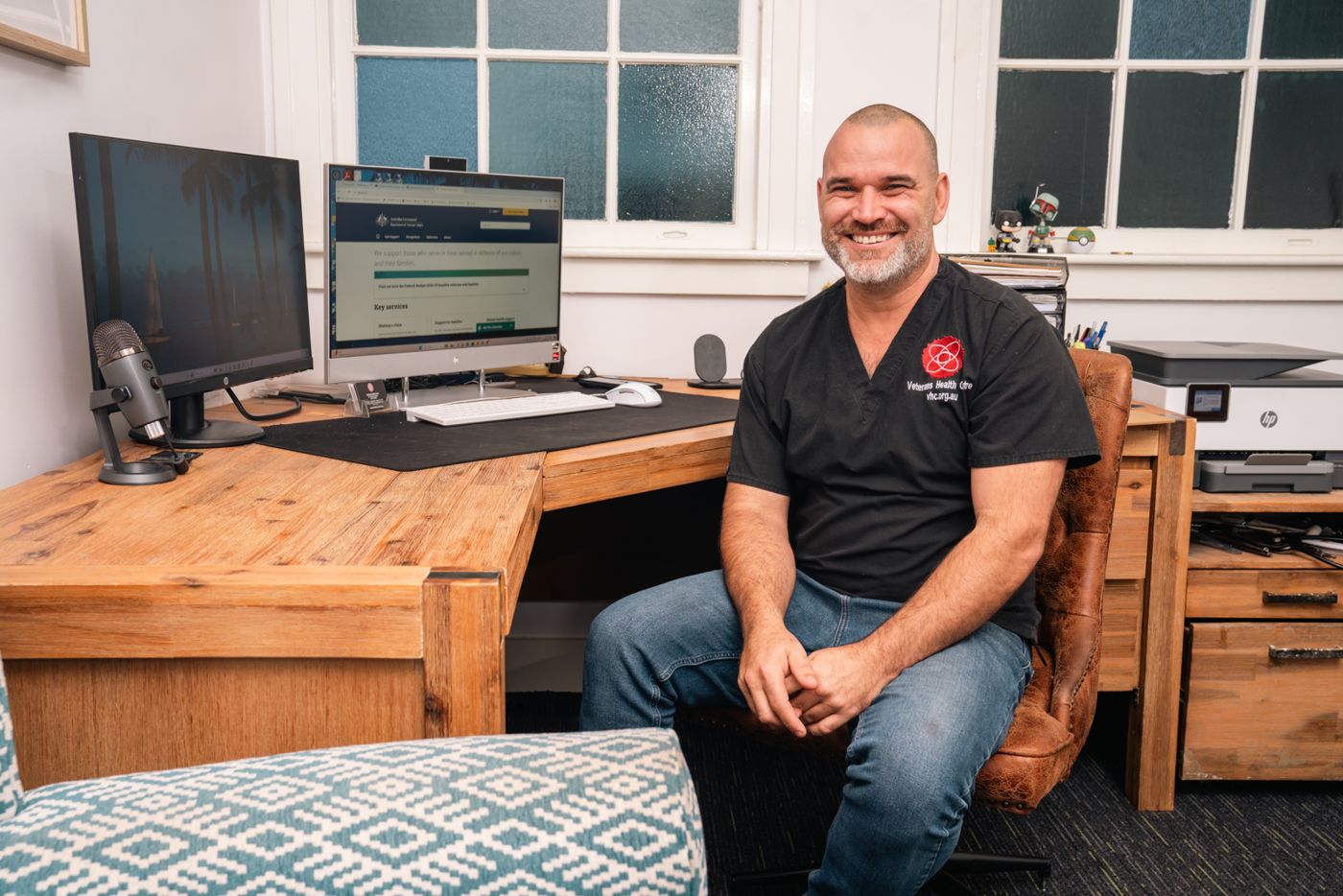
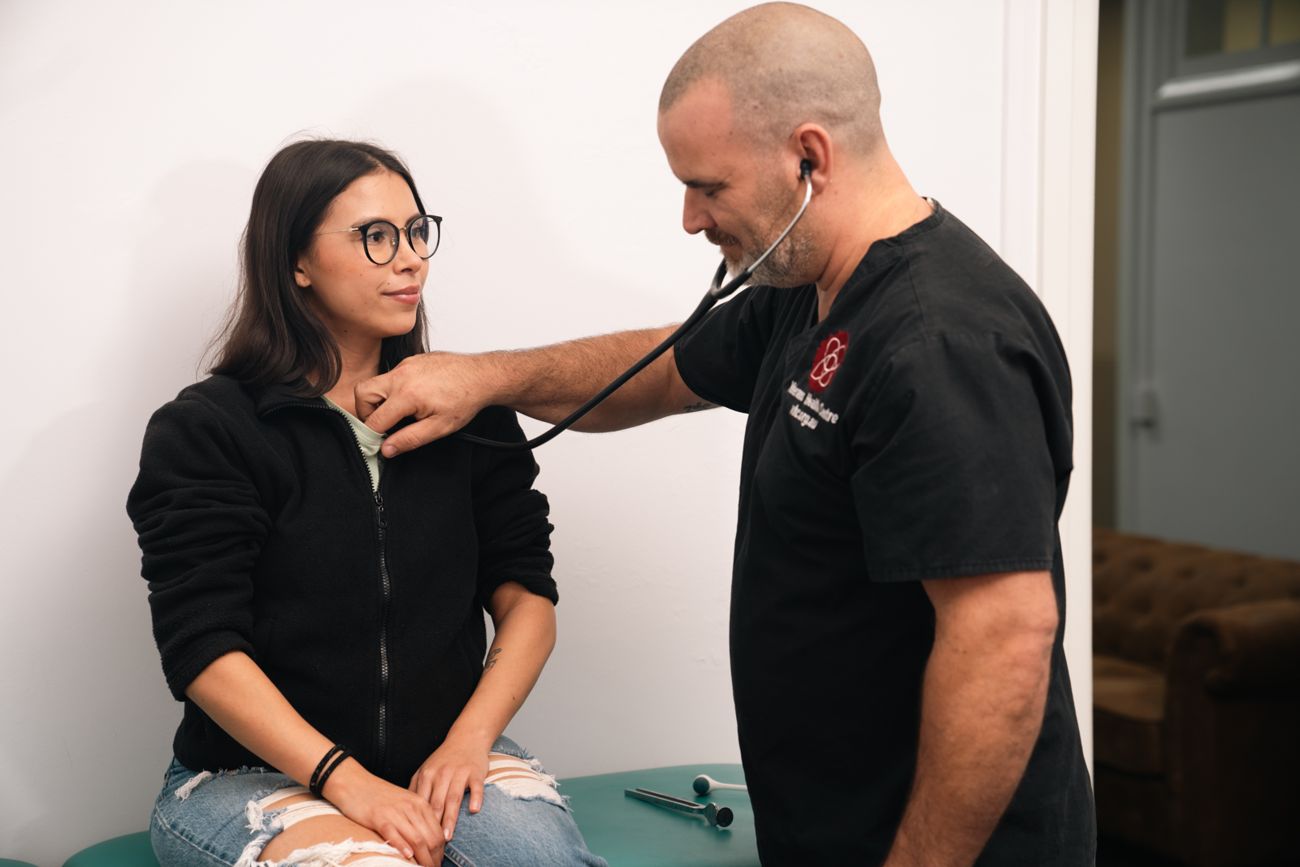
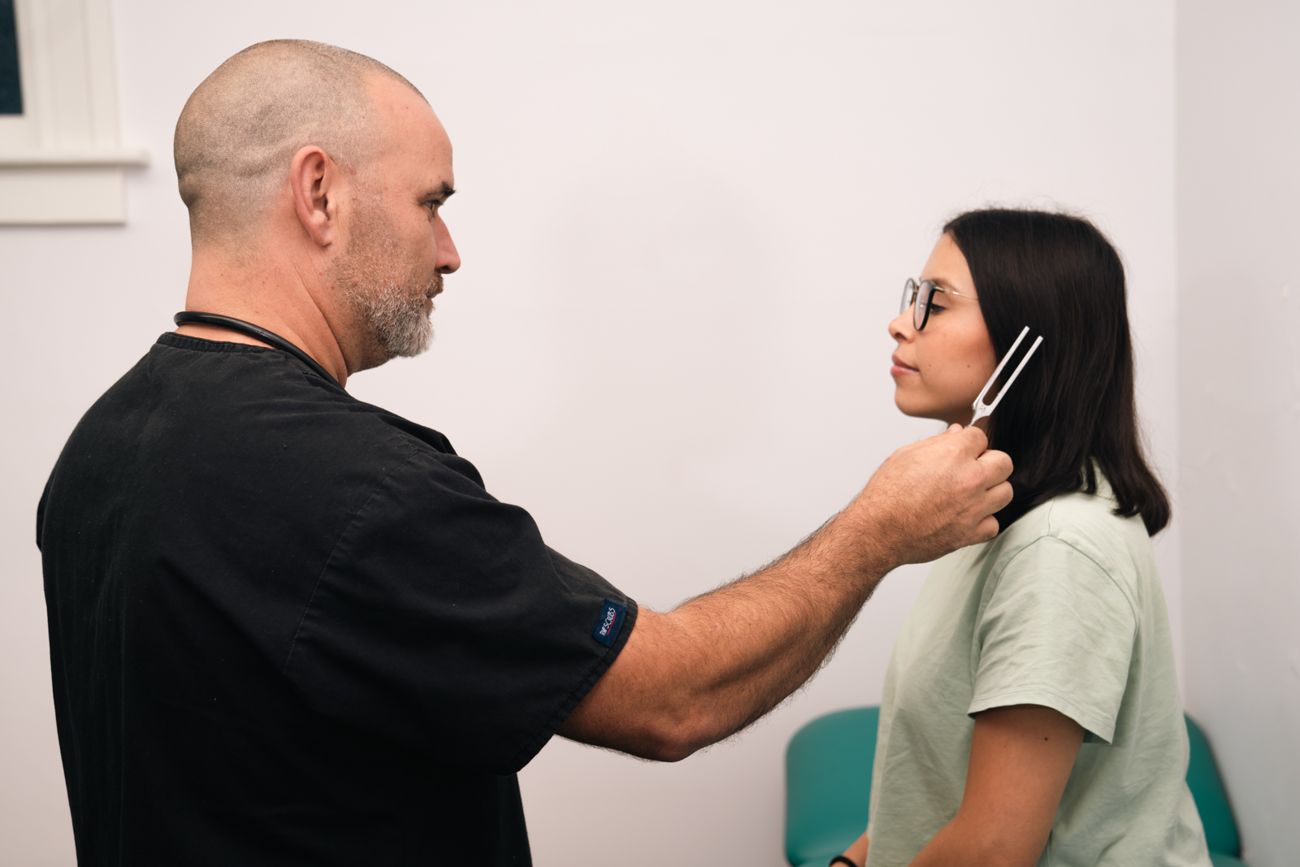
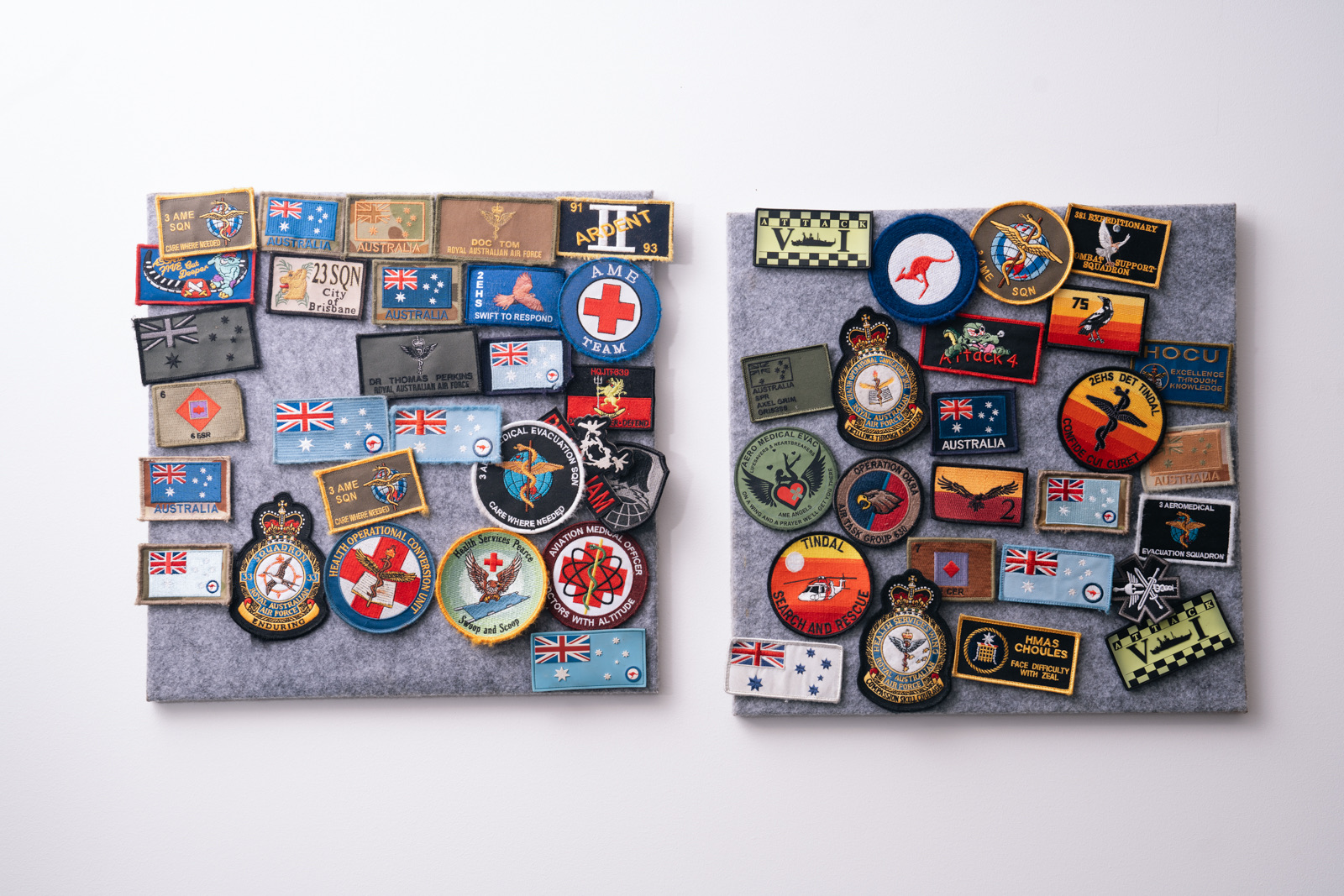
Dr Thomas Perkins is the founding doctor at the Veterans Health Centre in Ipswich, Queensland, and the leading expert in veterans’ medicolegal work in Australia. He has spent over 13 years working exclusively with current and former Australian Defence Force members — treating conditions, writing reports, and navigating the DVA system alongside them.
With 80,000+ DVA claims submitted and over 2,000 Permanent Impairment Assessments completed, Dr Perkins brings a depth of experience that simply cannot be replicated from a textbook. He understands the Statements of Principles, the GARP tables, the imaging that proves what a physical examination alone cannot — and the difference that a properly written report makes at every level, from initial liability through to the VRB.
Every chart review, every diagnostic assessment, and every impairment rating is personally overseen by Dr Perkins. If you’re looking for a doctor who knows veterans medicine inside and out, you’ve found the right clinic.
Contact us0429 146 039 reception@vhc.org.au
Book appointmentReady to find out what you can claim?
Contact us for more information.