
DVA permanent impairment payment calculator
Work out the weekly permanent impairment payment for a given combined impairment rating and lifestyle rating, using the actual compensation factor tables from GARP M 2026 — not an approximation.
Points out of 100, after combining every accepted condition through Chapter 18.
0 to 7, from Chapter 22.
Warlike and non-warlike service attracts a higher factor.
How this is calculated
The method is set out in Chapter 23 of the Guide to Determining Impairment and Compensation 2026. Your combined impairment rating and your lifestyle rating are read together on one of two tables — Table 23.1 for warlike and non-warlike service, Table 23.2 for peacetime — to produce a factor. That factor is multiplied by the maximum weekly amount payable under section 74 of the MRCA.
The maximum weekly benefit used here is $447.39, DVA's published rate as at 1 July 2026. It is indexed annually on 1 July, so this figure changes each year.
Two thresholds matter. A combined impairment of 10 points is generally needed before compensation is payable at all. And at 80 points the factor reaches 1.000 — the maximum weekly amount is paid, the warlike premium disappears, and no lifestyle rating is needed.
What this does not tell you
It does not give you a lump sum. Converting a weekly payment into a lump sum uses age-based tables provided by the Australian Government Actuary under Chapter 24, and the result depends on your age at the time of the offer. Any site that gives you a lump sum from impairment points alone is guessing. Ask DVA, or ask us, for the actual conversion.
It does not work out your impairment rating. That is the whole job of a permanent impairment assessment — every accepted condition rated under the relevant chapter, combined through the Combined Values Chart, and age-adjusted where the tables allow it. If you are guessing at the number to type in here, the answer will be a guess too.
It does not account for offsets. Previous payments under the VEA or DRCA, and interim payments already made, are dealt with under Chapters 25 and 26.
Understand the number before you accept it
The most common reason a veteran is paid less than they should be is not a miscalculation — it is an impairment rating built from too few conditions. Ratings combine rather than compete, so every accepted condition lifts the total. Our sequelae mapper and presumptive liability checker are free, and both exist to find the conditions that are missing from a file.
The full series on how the Guide works, chapter by chapter, starts with what the GARP is.
Other free tools
Presumptive liability checker · SoP Finder · SoP Factor Mapper · What else can I claim? · GARP impairment estimator · All tools
Factors reproduced from Tables 23.1 and 23.2 of the Guide to Determining Impairment and Compensation 2026 (F2026L00595). Maximum weekly benefit from DVA's published MRCA compensation rates, 1 July 2026. This is general information, not advice, and produces an estimate only — DVA determines what is payable. Confirm your position with DVA on 1800 VETERAN (1800 838 372).
Want this done properly, with your records?
This tool shows you the tables. The Permanent Impairment Estimate is the professional version: you complete structured questionnaires, a doctor works your answers and your medical records against the GARP criteria, and you receive a written report itemising the approximate impairment points by body region — in the structure of a DVA PI determination, with what you reported set against what the GARP requires for every rating. Paper-based, anywhere in Australia. $600 + GST physical · $600 + GST mental health.
Want the rating done properly?
Contact us for more information.
Dr Thomas Perkins
The expert in veterans’ medicolegal medicine — Expert DVA Doctor.




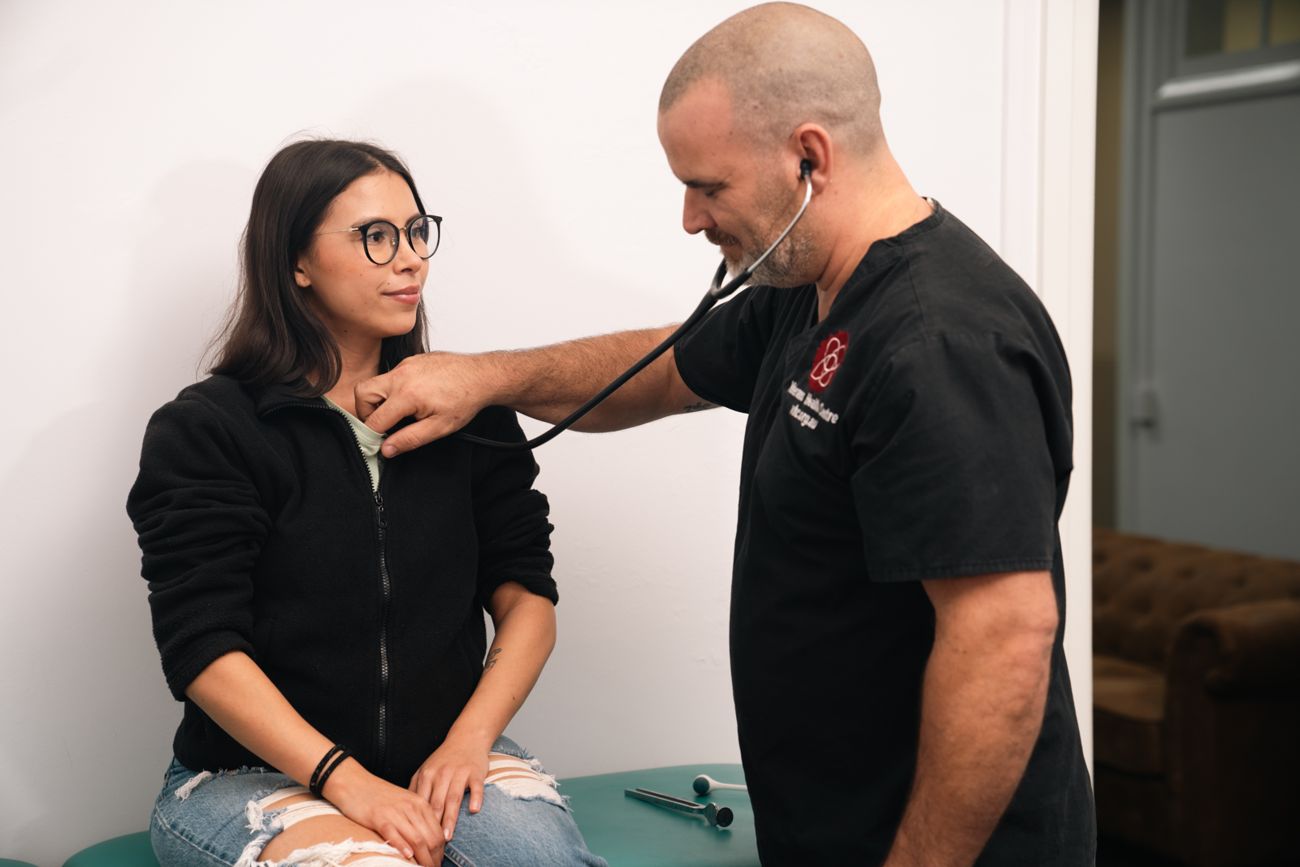
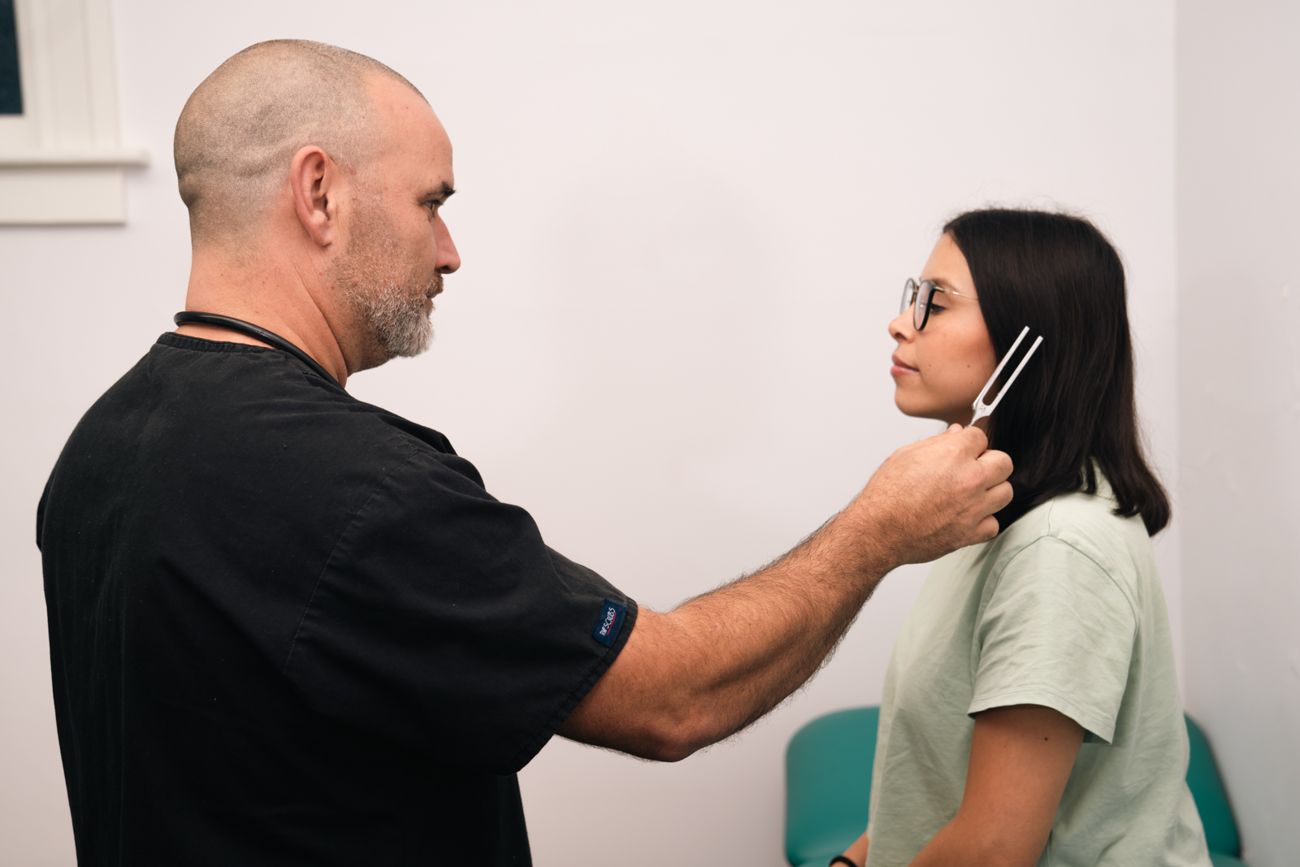

Dr Thomas Perkins is the founding doctor at the Veterans Health Centre in Ipswich, Queensland, and the leading expert in veterans’ medicolegal work in Australia. He has spent over 13 years working exclusively with current and former Australian Defence Force members — treating conditions, writing reports, and navigating the DVA system alongside them.
With 80,000+ DVA claims submitted and over 2,000 Permanent Impairment Assessments completed, Dr Perkins brings a depth of experience that simply cannot be replicated from a textbook. He understands the Statements of Principles, the GARP tables, the imaging that proves what a physical examination alone cannot — and the difference that a properly written report makes at every level, from initial liability through to the VRB.
Every chart review, every diagnostic assessment, and every impairment rating is personally overseen by Dr Perkins. If you’re looking for a doctor who knows veterans medicine inside and out, you’ve found the right clinic.
Contact us0429 146 039 reception@vhc.org.au
Book appointment