
DVA Claims Australia-Wide
Most of a DVA claim is decided on paper. Where you live changes almost nothing about what can be done for you, and we work with veterans in every state and territory.
At a glance
- Chart Review$600 + GST
- Diagnostic Assessment$600 + GST
- Permanent Impairment$1,500 + GST
Where Australia veterans served
Every service and every era, from Vietnam and the Gulf through Timor, Iraq and Afghanistan to veterans transitioning now. Our locations and bases page lists the establishments we write for most often.
The claims we see most from Australia
- Every condition covered by the 357 Statements of Principles
- Musculoskeletal, hearing, mental health, respiratory and metabolic conditions
- Sequelae of already-accepted conditions
- Conditions eligible under presumptive liability from 1 July 2026
- Rejected claims requiring appeal evidence
What makes a Australia claim different
The reason distance matters so little is that a claim succeeds on documentation. Our SoP library holds all 357 instruments and the claims library holds example reports across 307 conditions — both built from the same work we do on individual files.
If your claim was rejected, that is not the end of it — a decision made on causation has not necessarily considered aggravation.
Nearby and related
If you are closer to one of these, start there instead: DVA Claims — Brisbane · DVA Claims — Sydney · DVA Claims — Melbourne · DVA Claims — Perth.
Or go straight to the work itself: SoP finder · DVA claims for Army veterans · DVA claims for Navy veterans · DVA claims for Air Force veterans. Everything we do for Australia veterans is set out on the DVA claims page.
Working with veterans in every state and territory
The stages that carry a claim — the chart review, the diagnostic assessments, the diagnosis forms, the evidence packs, determination analyses and appeal documents — all rest on your medical record. None of them require you to be in the room. We receive the records securely, read them, and produce the documents.
Where a clinical assessment is genuinely required, there are two routes. Psychiatric assessments are frequently conducted by telehealth, which is well established and accepted. Physical examinations for permanent impairment need to be in person, because range of motion and function cannot be estimated from a screen — and for interstate veterans we will say honestly whether the assessment is worth travelling for, or whether a local assessor is the better answer.
Rural and remote veterans are the most disadvantaged group in the DVA system, not because their claims are weaker but because the practitioners near them have rarely written one. Distance should not decide the quality of the evidence in your claim.
Every page of your service and civilian medical record read end to end, with every claimable condition identified, dated and referenced. Done entirely from your file.
For each documented condition: the diagnosis, the governing Statement of Principles, a referenced timeline, and every factor argued to MET or NOT MET.
A consultation for the injuries never formally worked up, with imaging where it is needed. In person at Ipswich, or telehealth where appropriate.
Every accepted condition examined and rated against the correct GARP table, with a full written report accompanying the DVA forms.
Where Australia veterans served, by service.
The establishments in and around Australia that produce the claims we see most. Every trade leaves a different mark on a medical record, and knowing which unit you were in tells us what to look for before we open the file.
Army
- Army — nationwide
From Kapooka and Singleton through the brigades at Enoggera, Townsville, Darwin, Adelaide, Brisbane and Sydney, to the training establishments at Puckapunyal, Canungra, Oakey and Bandiana
Navy
- Navy — nationwide
Fleet Base East at Garden Island and Fleet Base West at HMAS Stirling, with Cerberus, Albatross, Creswell, Watson, Penguin, Waterhen, Coonawarra and Cairns
Air Force
- Air Force — nationwide
Amberley, Williamtown, Richmond, Edinburgh, Pearce, Darwin, Tindal, Townsville, East Sale, Wagga, Williams and the bare bases at Curtin, Learmonth, Scherger and Tindal
Units raise, move and re-role over time, and this list reflects the establishments as they are generally understood rather than a current order of battle. What matters for a claim is where you served and when — which your service record establishes, not this page.
Australia questions
Does it matter which state I am in?
Not for the records stages. Only a permanent impairment assessment requires attendance, and it must be in person with your treating doctor.
Can you take over a claim already in progress?
Yes. Often the fastest improvement is a complete read of the file to find what the existing claim has left out.
How much does it cost?
$600 + GST per stage; $1,500 + GST for a permanent impairment assessment. See fees.
Dr Thomas Perkins
The expert in veterans’ medicolegal medicine — Expert DVA Doctor.
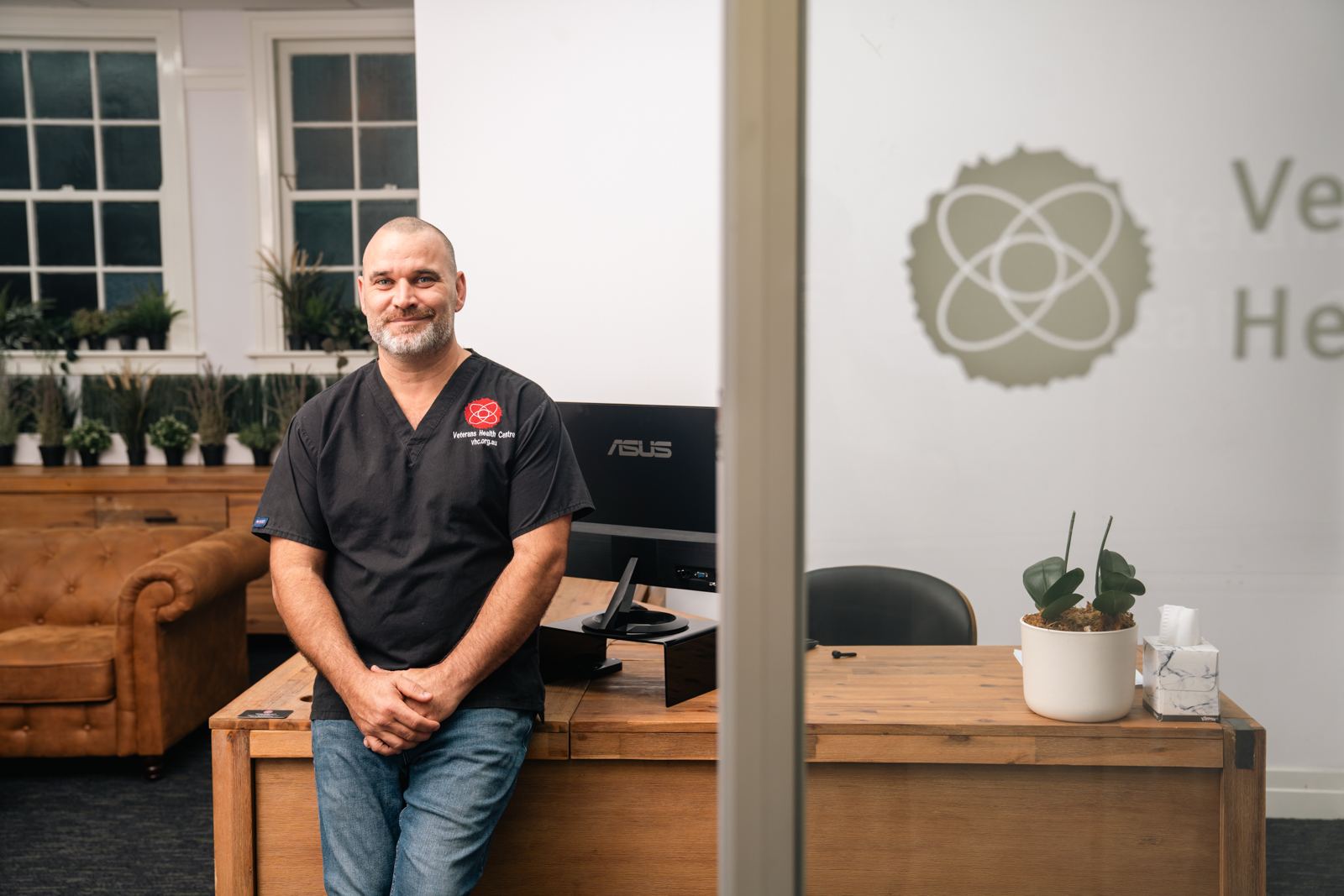

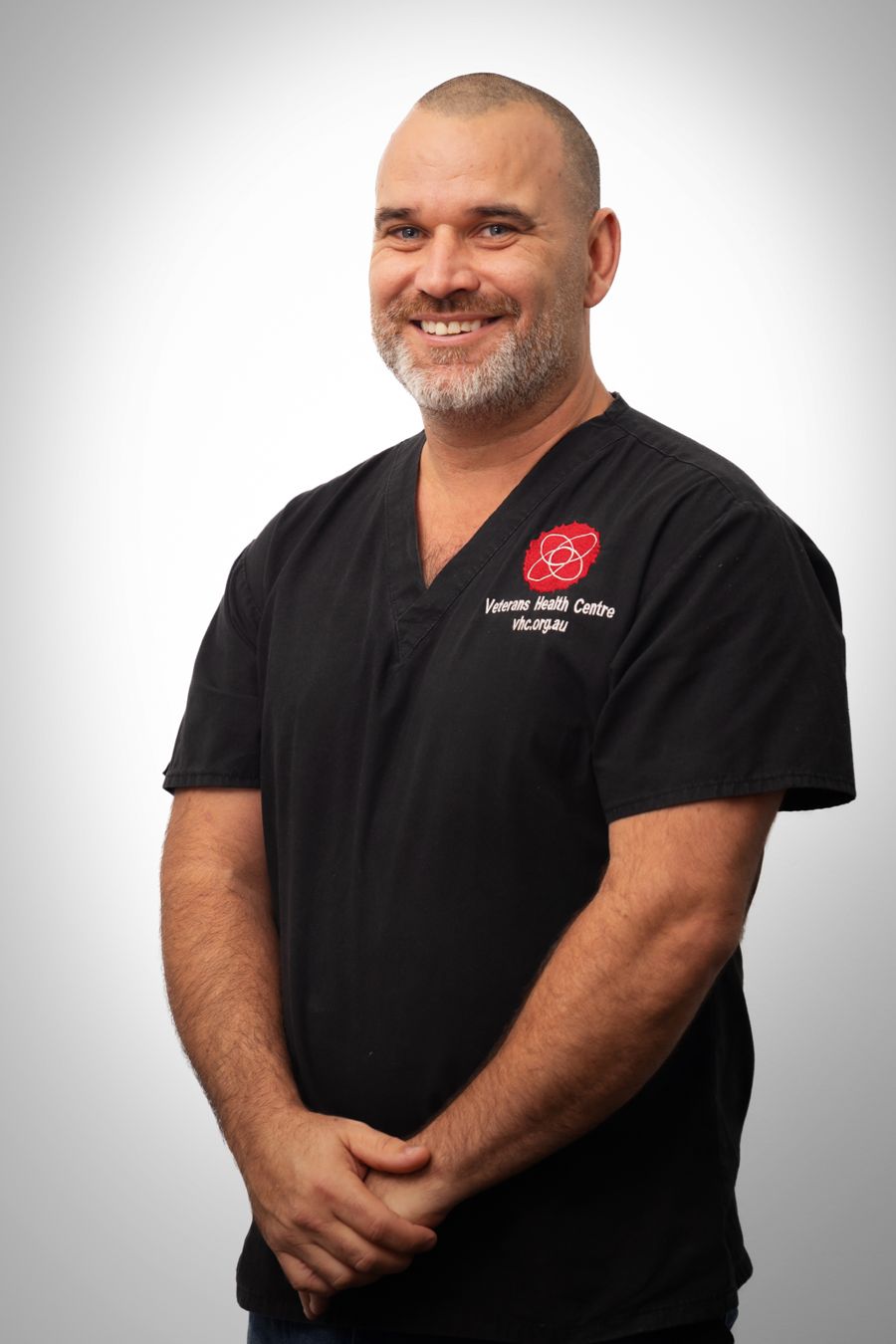
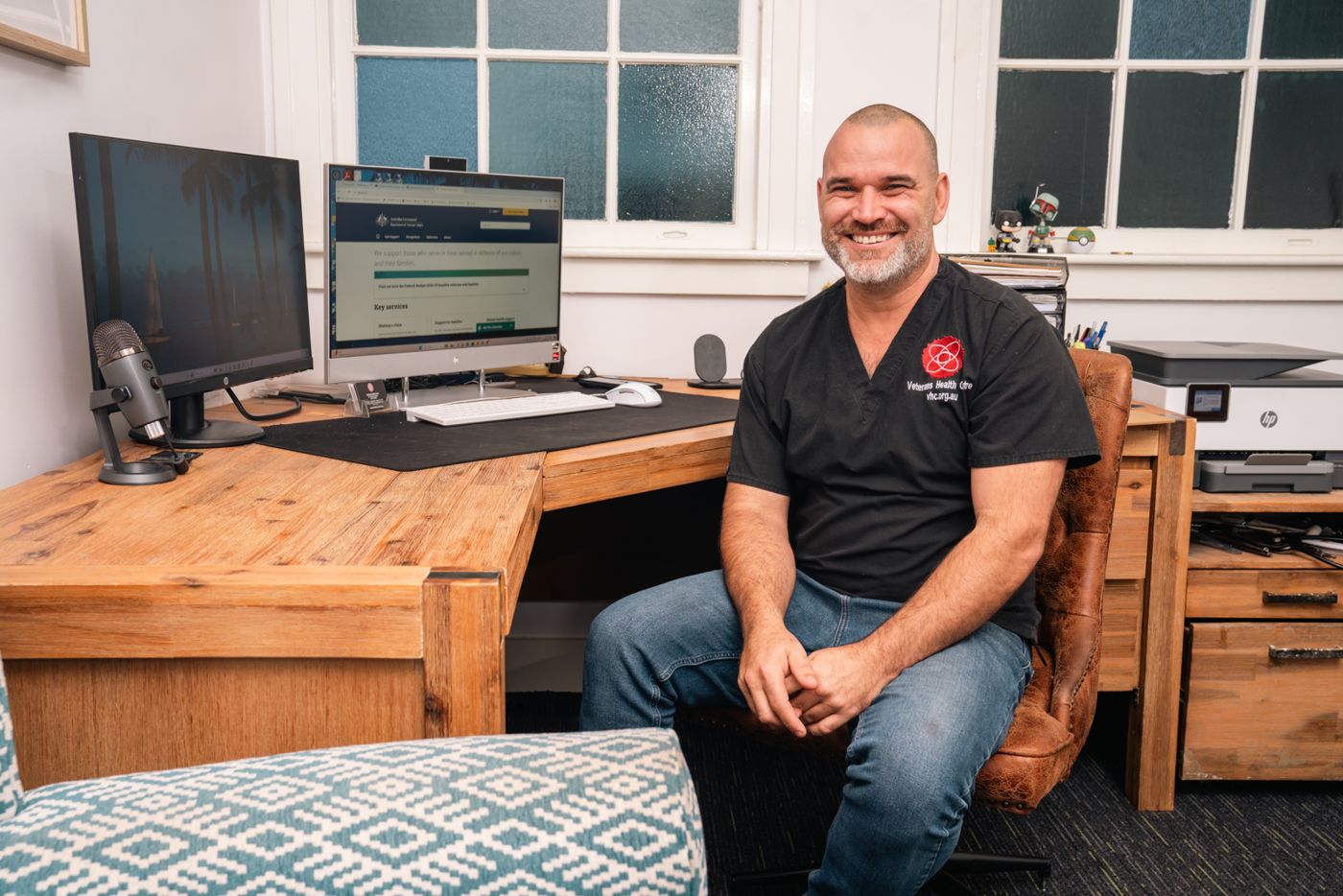
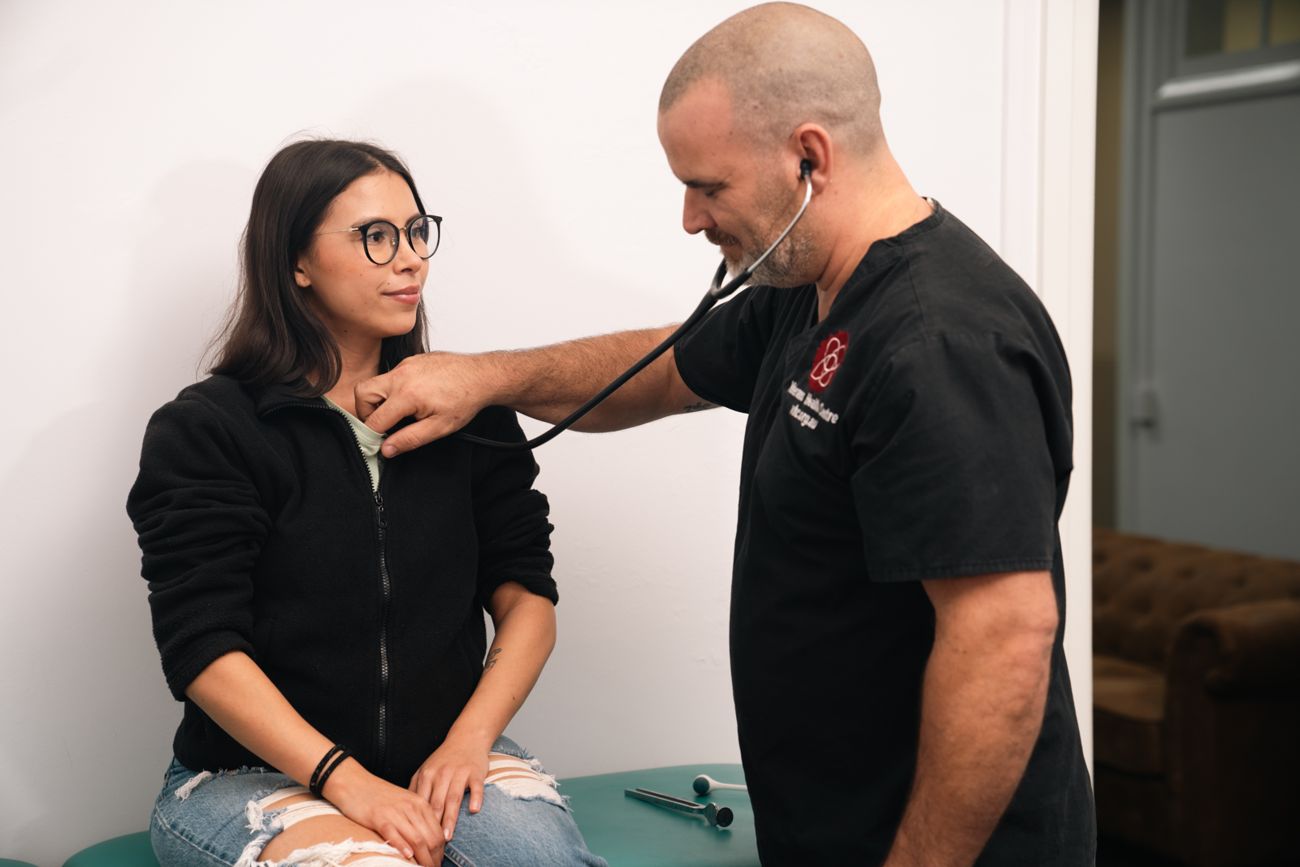
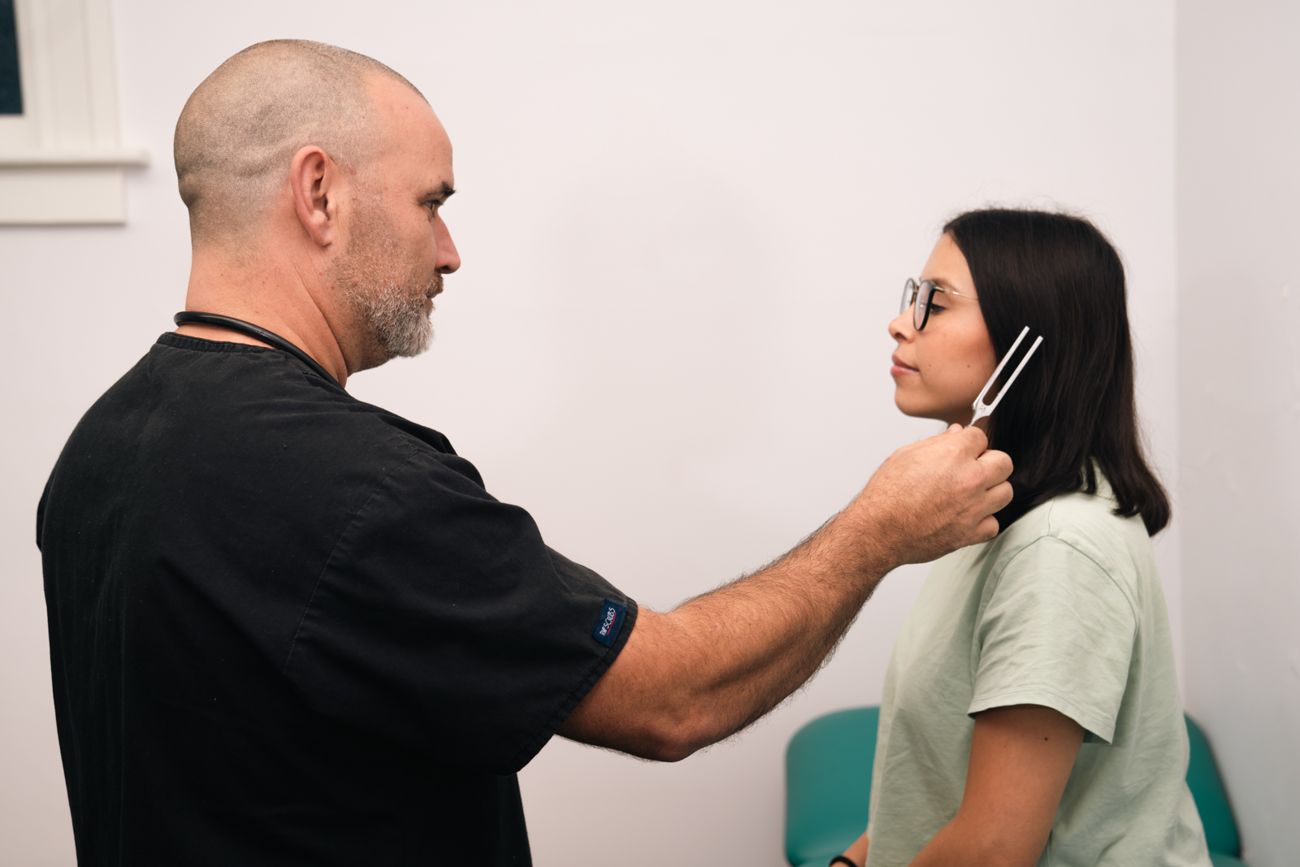
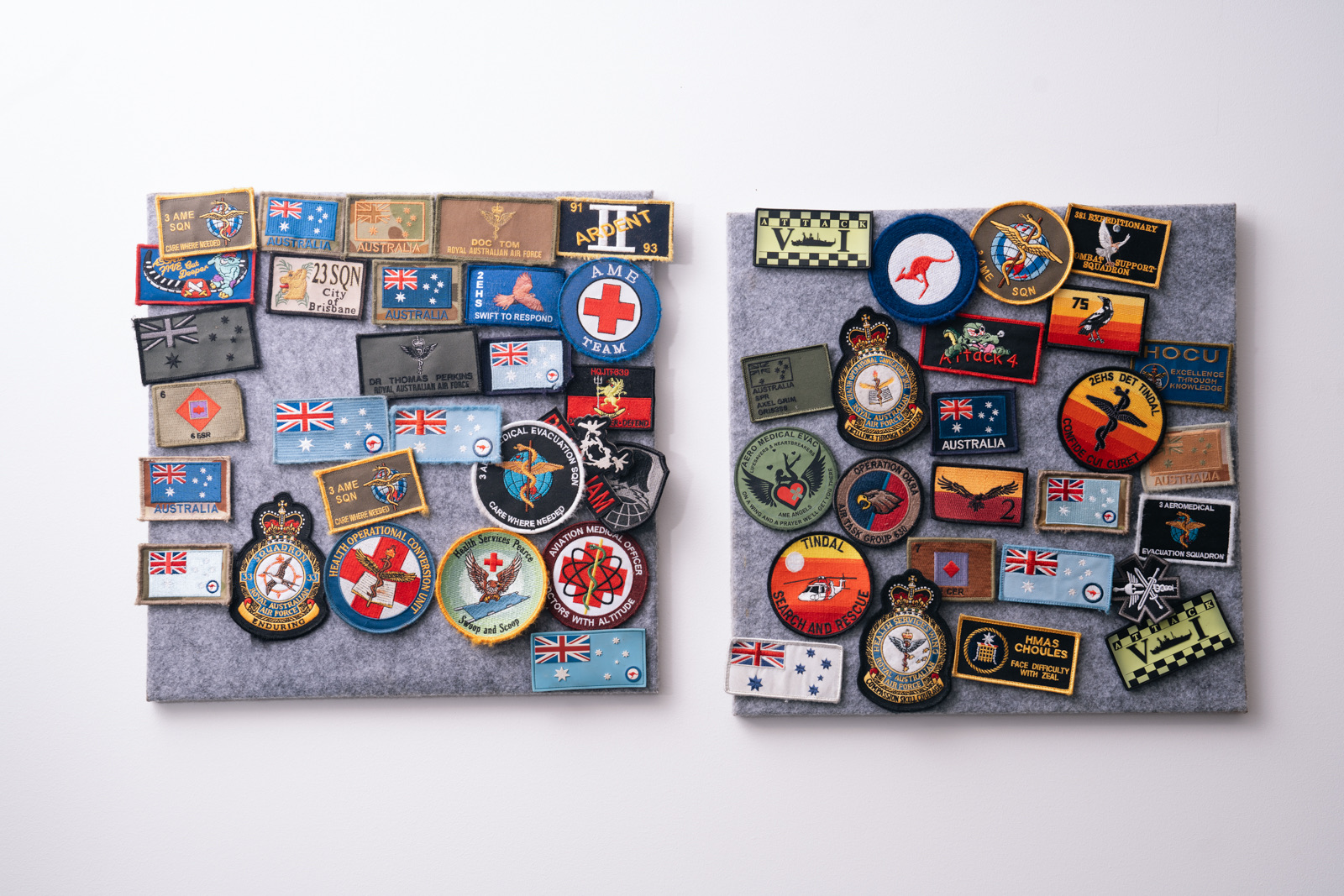
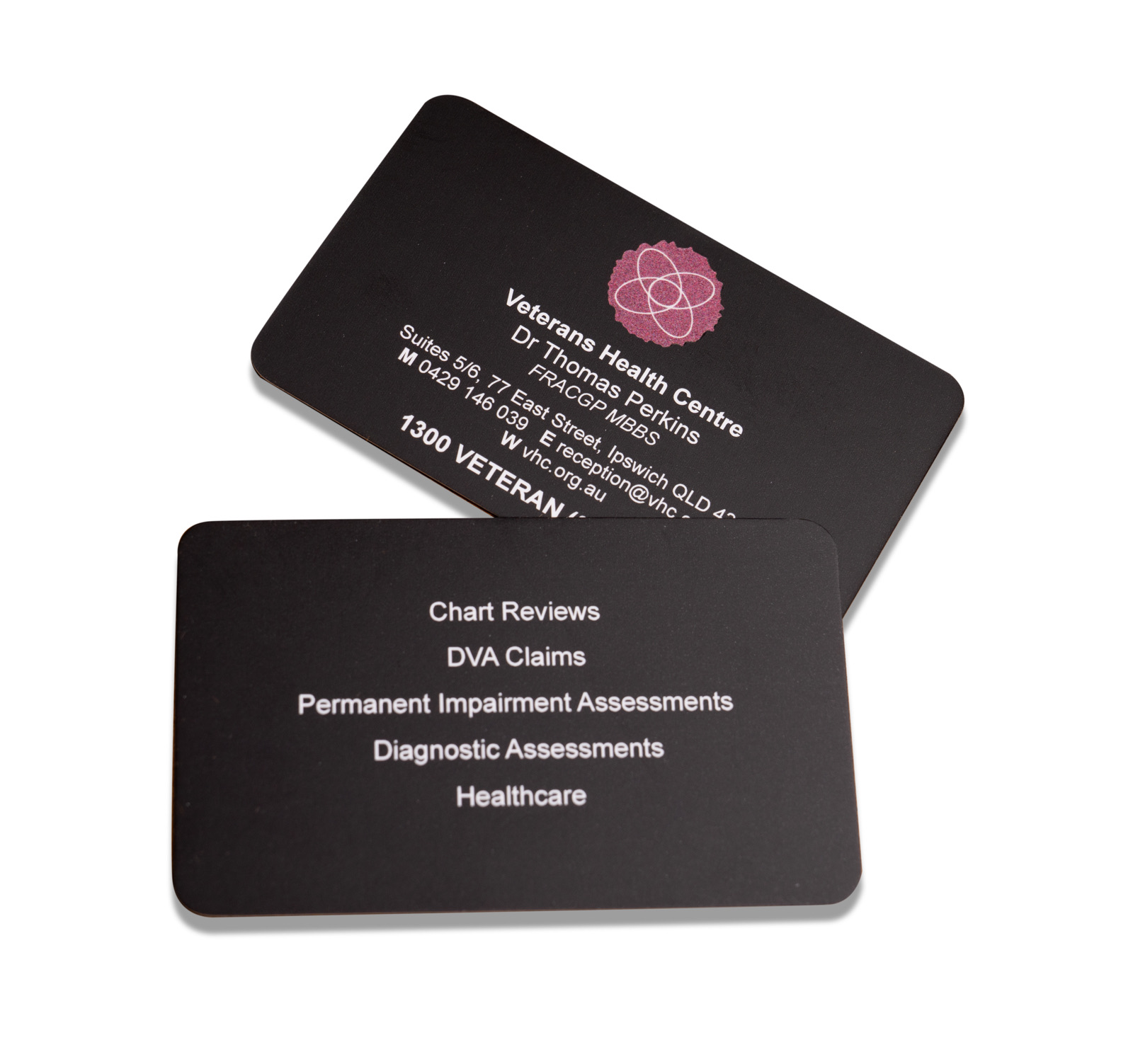
Dr Thomas Perkins is the founding doctor at the Veterans Health Centre in Ipswich, Queensland, and the leading expert in veterans’ medicolegal work in Australia. He has spent over 13 years working exclusively with current and former Australian Defence Force members — treating conditions, writing reports, and navigating the DVA system alongside them.
With 80,000+ DVA claims submitted and over 2,000 Permanent Impairment Assessments completed, Dr Perkins brings a depth of experience that simply cannot be replicated from a textbook. He understands the Statements of Principles, the GARP tables, the imaging that proves what a physical examination alone cannot — and the difference that a properly written report makes at every level, from initial liability through to the VRB.
Every chart review, every diagnostic assessment, and every impairment rating is personally overseen by Dr Perkins. If you’re looking for a doctor who knows veterans medicine inside and out, you’ve found the right clinic.
Contact us0429 146 039 reception@vhc.org.au
Book appointmentReady to find out what you can claim?
Contact us for more information.