
DVA Claims for Sydney Veterans
Sydney holds the largest veteran population in Australia and a correspondingly long wait for practices that do DVA work properly. Records-based claims do not queue behind geography.
At a glance
- Chart Review$600 + GST
- Diagnostic Assessment$600 + GST
- Permanent Impairment$1,500 + GST
Where Sydney veterans served
Holsworthy Barracks and the Special Forces units, Victoria Barracks Paddington, HMAS Kuttabul and Fleet Base East at Garden Island, RAAF Base Richmond, and Williamtown two hours north.
The claims we see most from Sydney
- Navy claims from Garden Island and Kuttabul: noise, asbestos-era exposure, injury from ship movement
- Parachute and load injury from the Holsworthy Special Forces cohort
- Air movements and loadmaster spinal claims from Richmond
- Hearing loss and tinnitus across all three services
- Musculoskeletal conditions accumulated over long postings
What makes a Sydney claim different
The Sydney pattern is delay. Veterans wait months for an appointment with someone who understands DVA, then find the appointment produces a form rather than a report. The records stages remove the wait, because they do not depend on a consultation slot at all.
Appeals are records-based in the same way, so a rejected claim can be reviewed without you attending anywhere.
Nearby and related
If you are closer to one of these, start there instead: DVA Claims — Canberra · DVA Claims — Melbourne · DVA Claims — Australia.
Or go straight to the work itself: DVA claims for Army veterans · DVA claims for Navy veterans · DVA claims for Air Force veterans · chart review of your service and medical records. Everything we do for Sydney veterans is set out on the DVA claims page.
Working with veterans in Sydney and the Illawarra
Those three worlds produce three different claim profiles. Special operations veterans present with spinal and lower limb degeneration from parachuting, fast-roping and load carriage far beyond ordinary infantry weights, alongside blast exposure and the psychological load of repeated rotations. Navy veterans bring noise-induced hearing loss from machinery spaces, asbestos exposure in older platforms, musculoskeletal injury from ladders and hatches at sea, and the sleep disruption of watchkeeping. Air mobility veterans bring back and shoulder injury from cargo handling and flight-line hearing loss.
Sydney holds the largest and most varied veteran population in the country, and the units behind it could hardly be less alike. Holsworthy in the south-west carries 2 Commando Regiment and the special operations support units; Garden Island and HMAS Kuttabul carry the fleet; RAAF Richmond in the north-west carries air mobility and the loadmasters, air movements and maintenance trades that come with C-130 and C-17 operations.
Sydney veterans are not short of doctors. They are short of doctors who have read a Statement of Principles. That is the gap we fill, and almost all of it is done from your record rather than in a consulting room.
The stages that decide a claim are documentary. A chart review and the diagnostic assessments that follow it are produced from your service and civilian medical records, so where you live changes nothing about the quality of the evidence. Read the complete guide to DVA claims, or find the Statement of Principles for your condition.
Chart reviews, diagnostic assessments, diagnosis forms, evidence packs, determination analyses and appeal documents. No attendance required at any point.
Consultations and psychiatric assessment, where clinically appropriate — well established and accepted for these purposes.
Physical examination for permanent impairment, at the Ipswich clinic. Range of motion and function cannot be estimated from a screen, and we will tell you honestly whether it is worth travelling for.
Where Sydney veterans served, by service.
The establishments in and around New South Wales that produce the claims we see most. Every trade leaves a different mark on a medical record, and knowing which unit you were in tells us what to look for before we open the file.
Army
- Holsworthy Barracks — south-west Sydney
2nd Commando Regiment, the School of Military Engineering and supporting units - Victoria Barracks — Paddington
Headquarters units - Steele Barracks — Moorebank
Logistic and support units - Blamey Barracks — Kapooka, near Wagga Wagga
Army Recruit Training Centre — where most soldiers' first injuries occur - Lone Pine Barracks — Singleton
School of Infantry
Navy
- HMAS Kuttabul and Fleet Base East — Garden Island
Home port for the majority of the surface fleet - HMAS Waterhen — Waverton
Mine warfare and clearance diving - HMAS Penguin — Balmoral
Diving school and Navy health - HMAS Watson — Watsons Bay
Maritime warfare training - HMAS Albatross — Nowra
Fleet Air Arm — 725, 808 and 816 Squadrons - HMAS Creswell — Jervis Bay
Royal Australian Naval College
Air Force
- RAAF Base Williamtown — Newcastle
3 and 77 Squadron (F-35A), 2 Squadron (E-7A Wedgetail), Air Combat Group and the School of Air Traffic Control - RAAF Base Richmond — western Sydney
37 Squadron (C-130J) and the air movements and loadmaster trades - RAAF Base Glenbrook — Blue Mountains
Air Command headquarters - RAAF Base Wagga — Wagga Wagga
RAAF School of Technical Training
Units raise, move and re-role over time, and this list reflects the establishments as they are generally understood rather than a current order of battle. What matters for a claim is where you served and when — which your service record establishes, not this page.
Sydney questions
I am in Sydney — is that a problem?
Not for the records stages. Chart reviews and diagnostic assessments are written from your file.
Do you write appeal documents?
Yes. See VRB appeals — those are records-based and can be done from anywhere.
How much does it cost?
$600 + GST per stage; $1,500 + GST for a permanent impairment assessment. See fees.
Dr Thomas Perkins
The expert in veterans’ medicolegal medicine — Expert DVA Doctor.
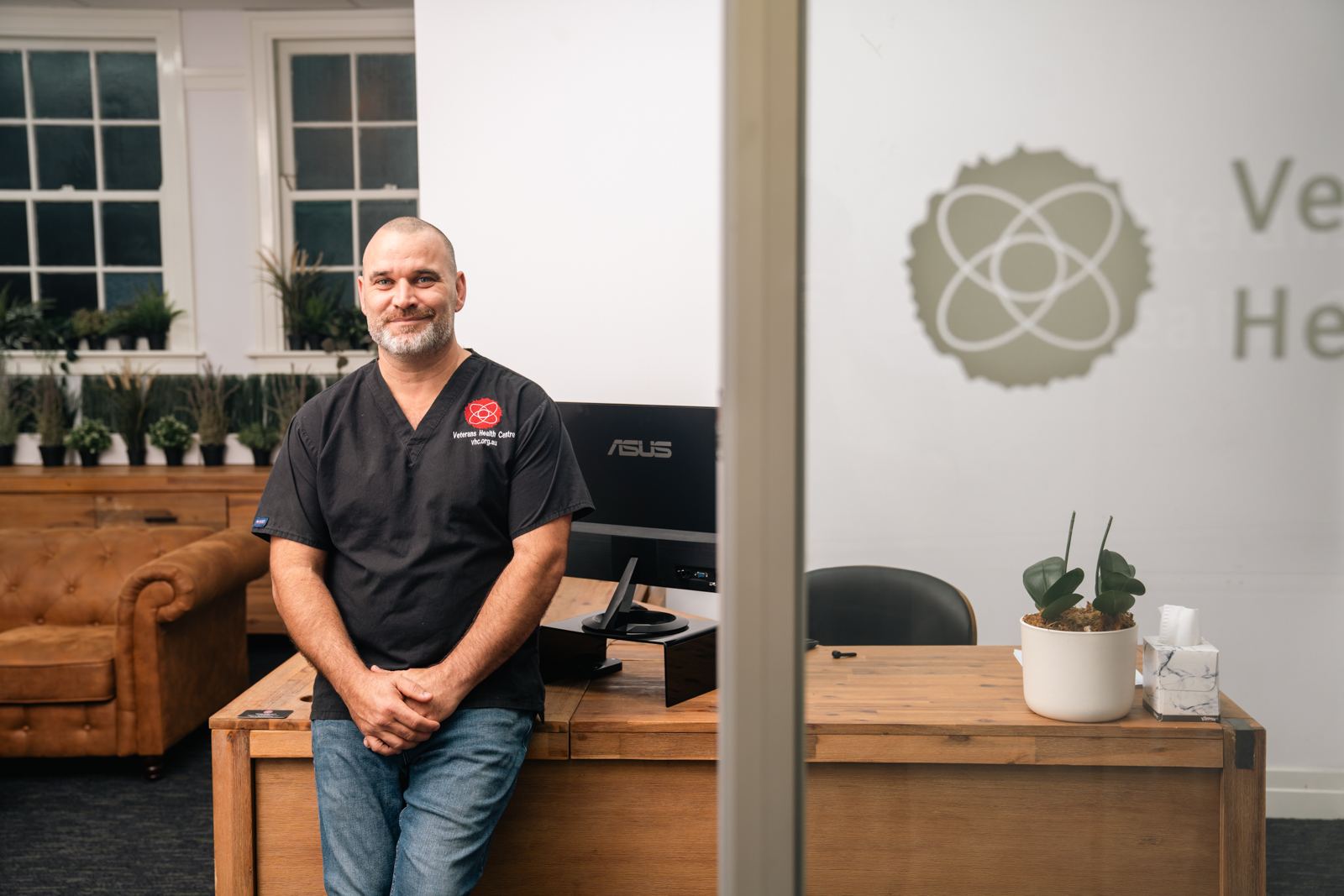

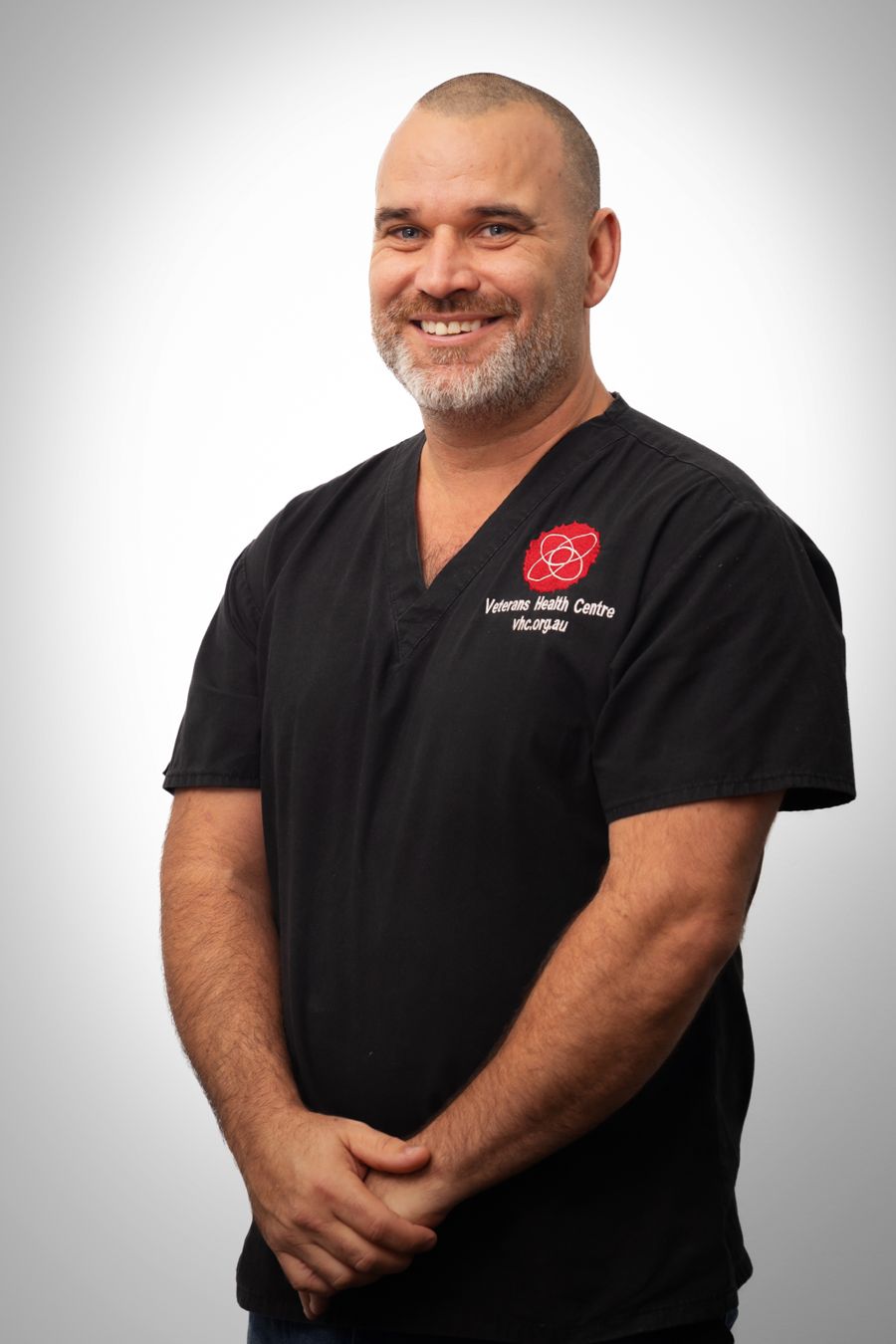
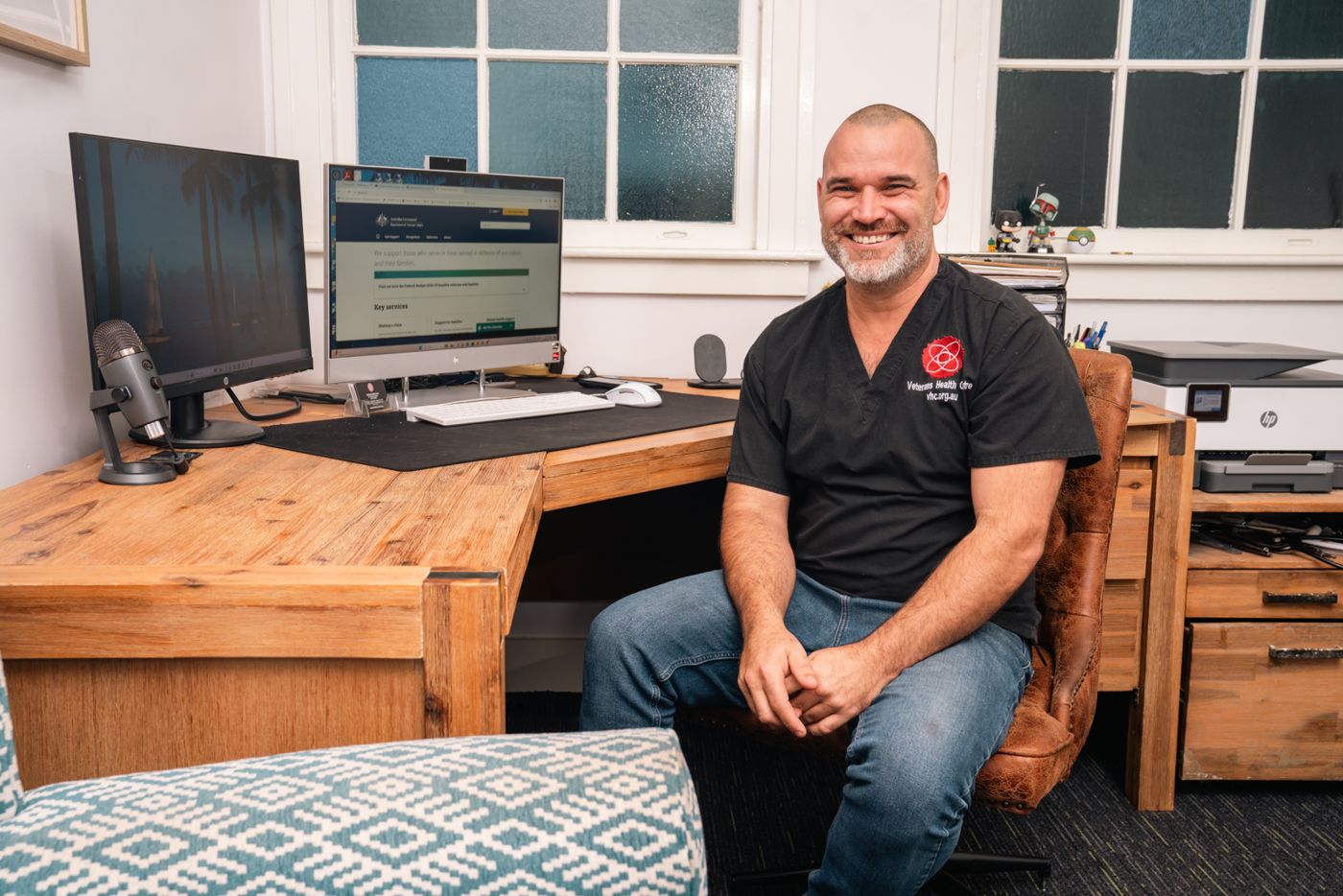
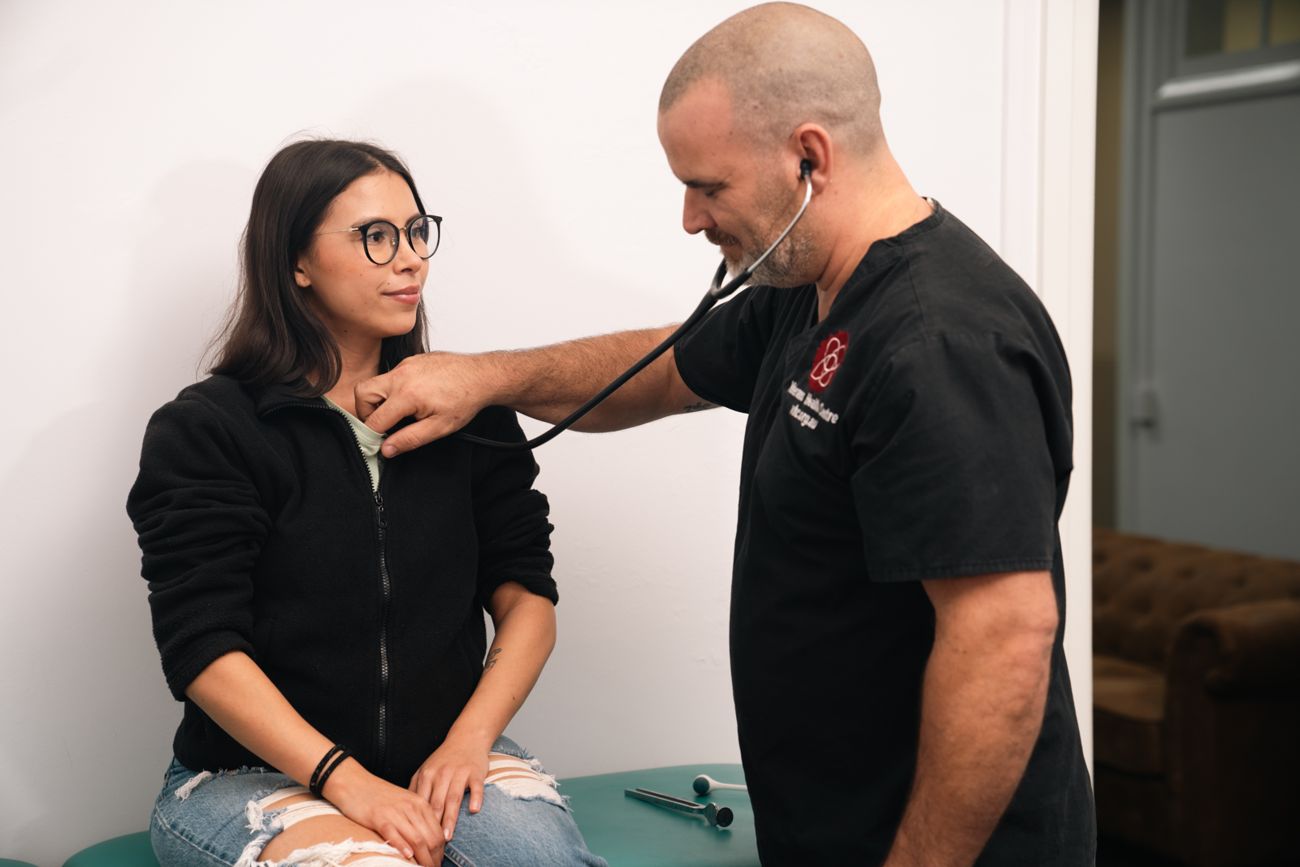
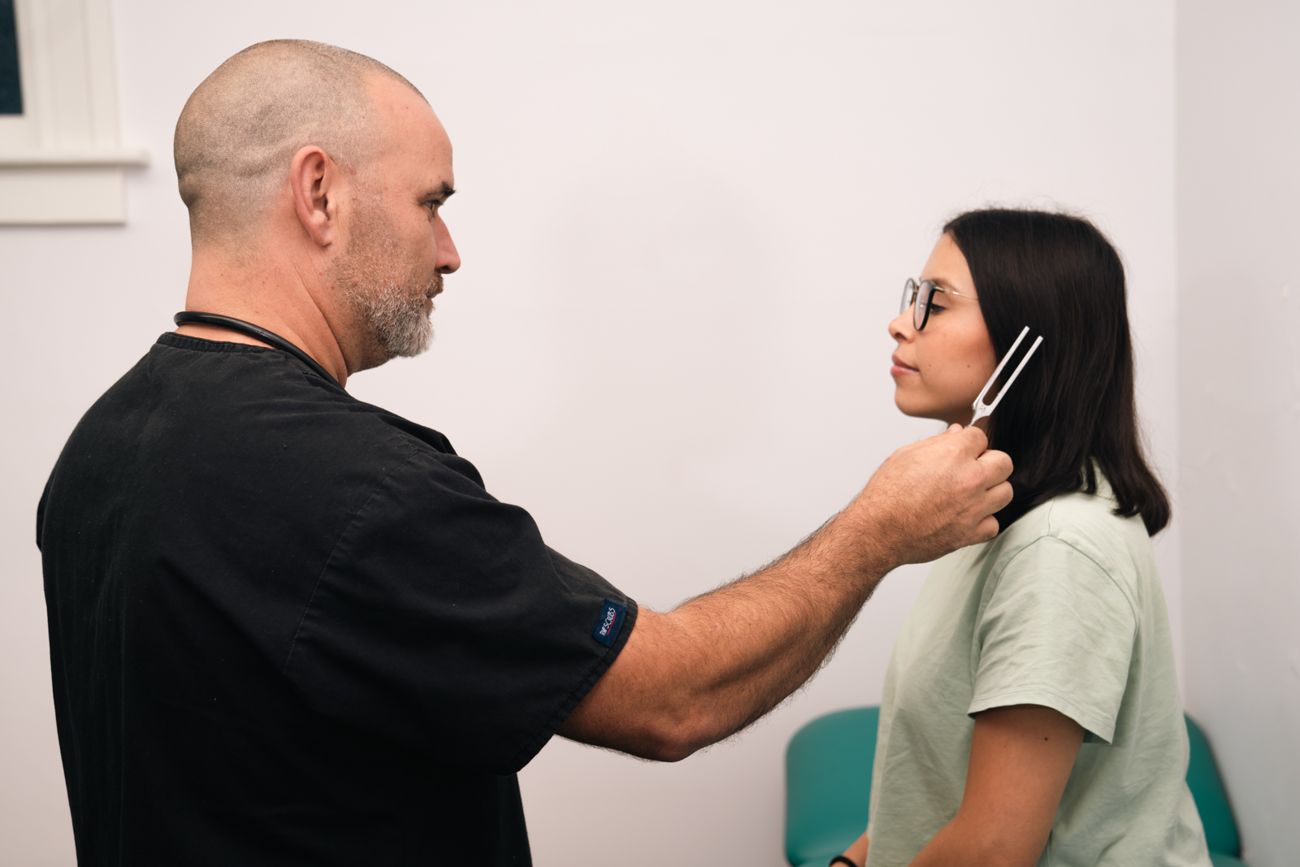
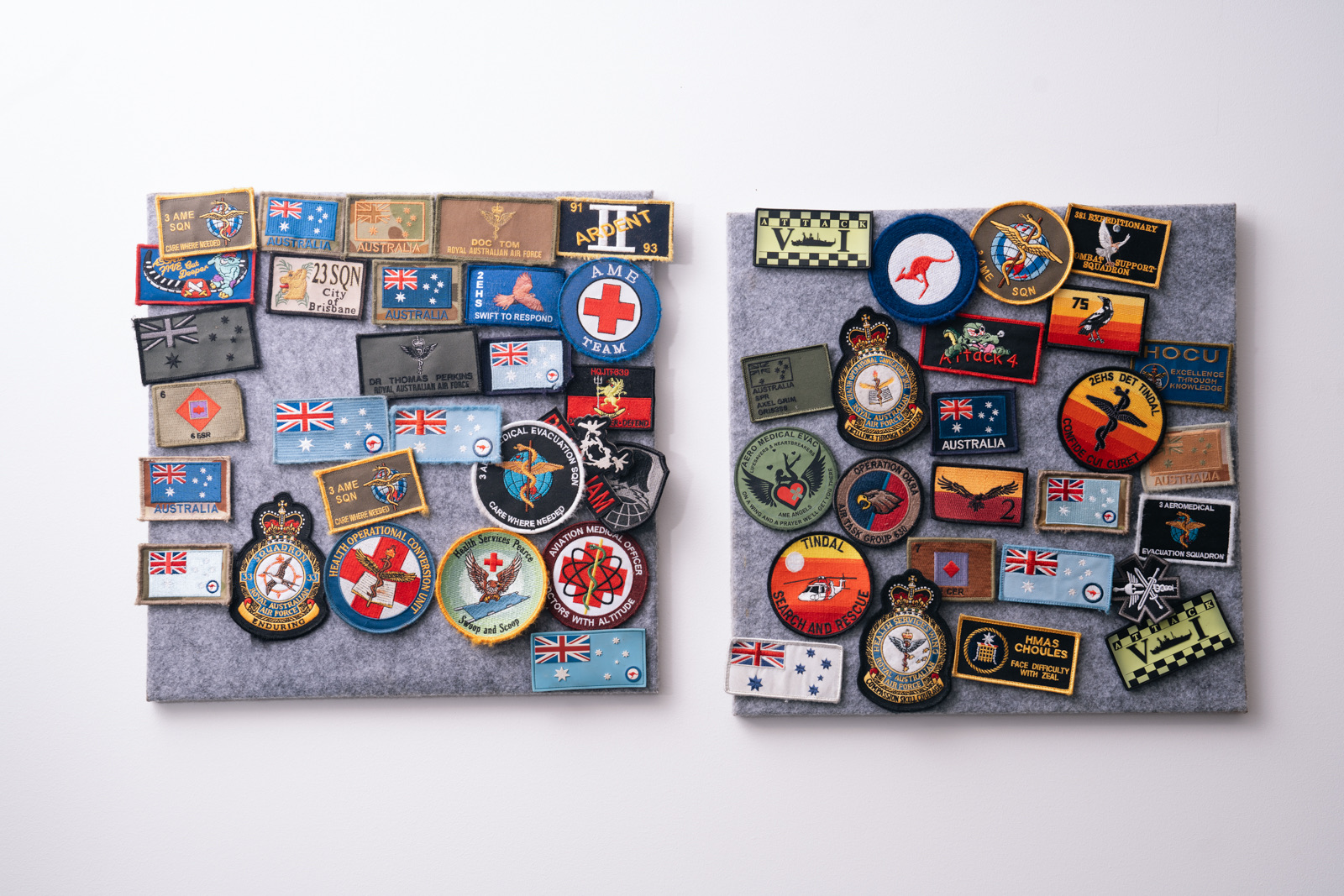
Dr Thomas Perkins is the founding doctor at the Veterans Health Centre in Ipswich, Queensland, and the leading expert in veterans’ medicolegal work in Australia. He has spent over 13 years working exclusively with current and former Australian Defence Force members — treating conditions, writing reports, and navigating the DVA system alongside them.
With 80,000+ DVA claims submitted and over 2,000 Permanent Impairment Assessments completed, Dr Perkins brings a depth of experience that simply cannot be replicated from a textbook. He understands the Statements of Principles, the GARP tables, the imaging that proves what a physical examination alone cannot — and the difference that a properly written report makes at every level, from initial liability through to the VRB.
Every chart review, every diagnostic assessment, and every impairment rating is personally overseen by Dr Perkins. If you’re looking for a doctor who knows veterans medicine inside and out, you’ve found the right clinic.
Contact us0429 146 039 reception@vhc.org.au
Book appointmentReady to find out what you can claim?
Contact us for more information.