
DVA Claims for Canberra Veterans
Canberra's veteran population is distinctive: heavy on staff and training appointments, and full of people who understand the system precisely and are still waiting on it.
At a glance
- Chart Review$600 + GST
- Diagnostic Assessment$600 + GST
- Permanent Impairment$1,500 + GST
Where Canberra veterans served
Royal Military College Duntroon, ADFA, Russell Offices, HMAS Harman, and the Defence establishments across the ACT — plus a large population still serving or working in Defence-adjacent roles.
The claims we see most from Canberra
- Injuries accumulated across earlier postings and carried into staff appointments
- Knee and lower limb conditions originating at Duntroon or ADFA
- Spinal conditions from years of field service before a desk posting
- Mental health conditions surfacing at or after transition
- Sleep and metabolic conditions developing during sedentary postings
What makes a Canberra claim different
The Canberra pattern is a career that ended behind a desk but was built in the field. The conditions that matter usually arose years before the final posting, which makes early-career records the decisive evidence — and those are the records most often missing from a claim.
For those still serving, a separation health examination is the last easy opportunity to have conditions recorded while the evidence is close at hand.
Nearby and related
If you are closer to one of these, start there instead: DVA Claims — Sydney · DVA Claims — Melbourne · DVA Claims — Australia.
Or go straight to the work itself: permanent impairment assessments · diagnostic assessments · free PI points calculator · SoP finder. Everything we do for Canberra veterans is set out on the DVA claims page.
Working with veterans in Canberra and the ACT
That produces two recurring patterns. The first is the training injury that never resolved: knees, ankles, backs and stress fractures from Duntroon and ADFA, managed rather than treated because there was a course to finish. The second is under-claiming. Officers and senior staff routinely lodge fewer conditions than their records support, either because they believe their injuries are ordinary or because desk-based later service makes the earlier damage feel irrelevant. It is not irrelevant — it is documented, and documented conditions are claimable.
Canberra's veteran population is unusual. It is heavy on officers and senior non-commissioned officers, heavy on people who spent years in headquarters and staff appointments, and heavy on ADFA and Duntroon graduates whose injuries began in training and were carried through entire careers.
Canberra veterans also tend to hold unusually complete service records, which makes for strong claims when someone actually reads them.
The stages that decide a claim are documentary. A chart review and the diagnostic assessments that follow it are produced from your service and civilian medical records, so where you live changes nothing about the quality of the evidence. Read the complete guide to DVA claims, or find the Statement of Principles for your condition.
Chart reviews, diagnostic assessments, diagnosis forms, evidence packs, determination analyses and appeal documents. No attendance required at any point.
Consultations and psychiatric assessment, where clinically appropriate — well established and accepted for these purposes.
Physical examination for permanent impairment, at the Ipswich clinic. Range of motion and function cannot be estimated from a screen, and we will tell you honestly whether it is worth travelling for.
Where Canberra veterans served, by service.
The establishments in and around the ACT that produce the claims we see most. Every trade leaves a different mark on a medical record, and knowing which unit you were in tells us what to look for before we open the file.
Army
- Royal Military College Duntroon — Campbell
Officer training - Australian Defence Force Academy — Campbell
Tri-service undergraduate training - Russell Offices — Russell
Defence headquarters
Navy
- HMAS Harman — Canberra
Navy communications and support
Air Force
- RAAF Base Fairbairn — Canberra Airport
34 Squadron — VIP transport
Units raise, move and re-role over time, and this list reflects the establishments as they are generally understood rather than a current order of battle. What matters for a claim is where you served and when — which your service record establishes, not this page.
Canberra questions
I am still serving. Should I wait?
No. Documenting conditions before discharge is materially easier than reconstructing them afterwards.
Does a staff posting weaken my claim?
Not at all. Where the condition arose is what matters, not where you finished.
How much does it cost?
$600 + GST per stage; $1,500 + GST for a permanent impairment assessment. See fees.
Dr Thomas Perkins
The expert in veterans’ medicolegal medicine — Expert DVA Doctor.


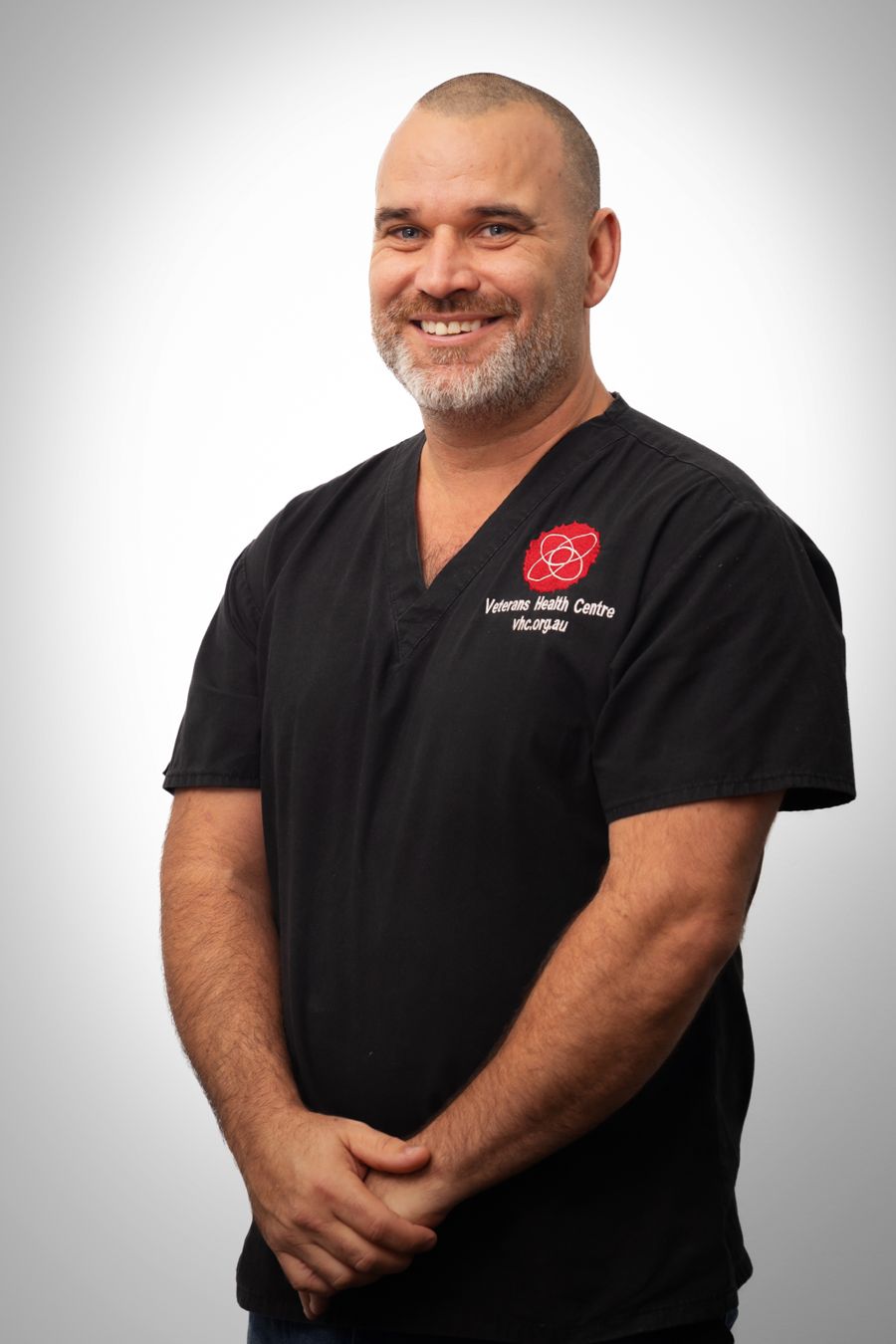
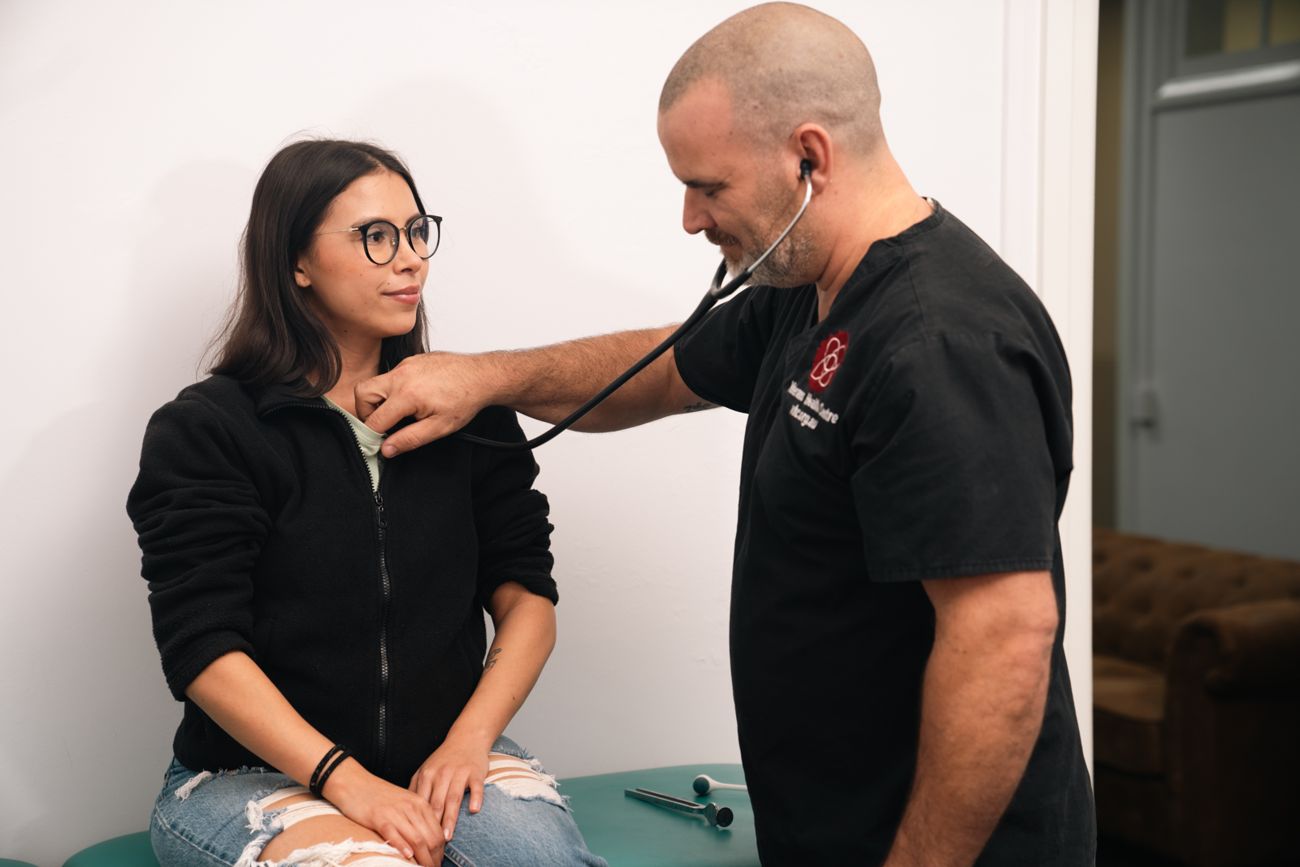
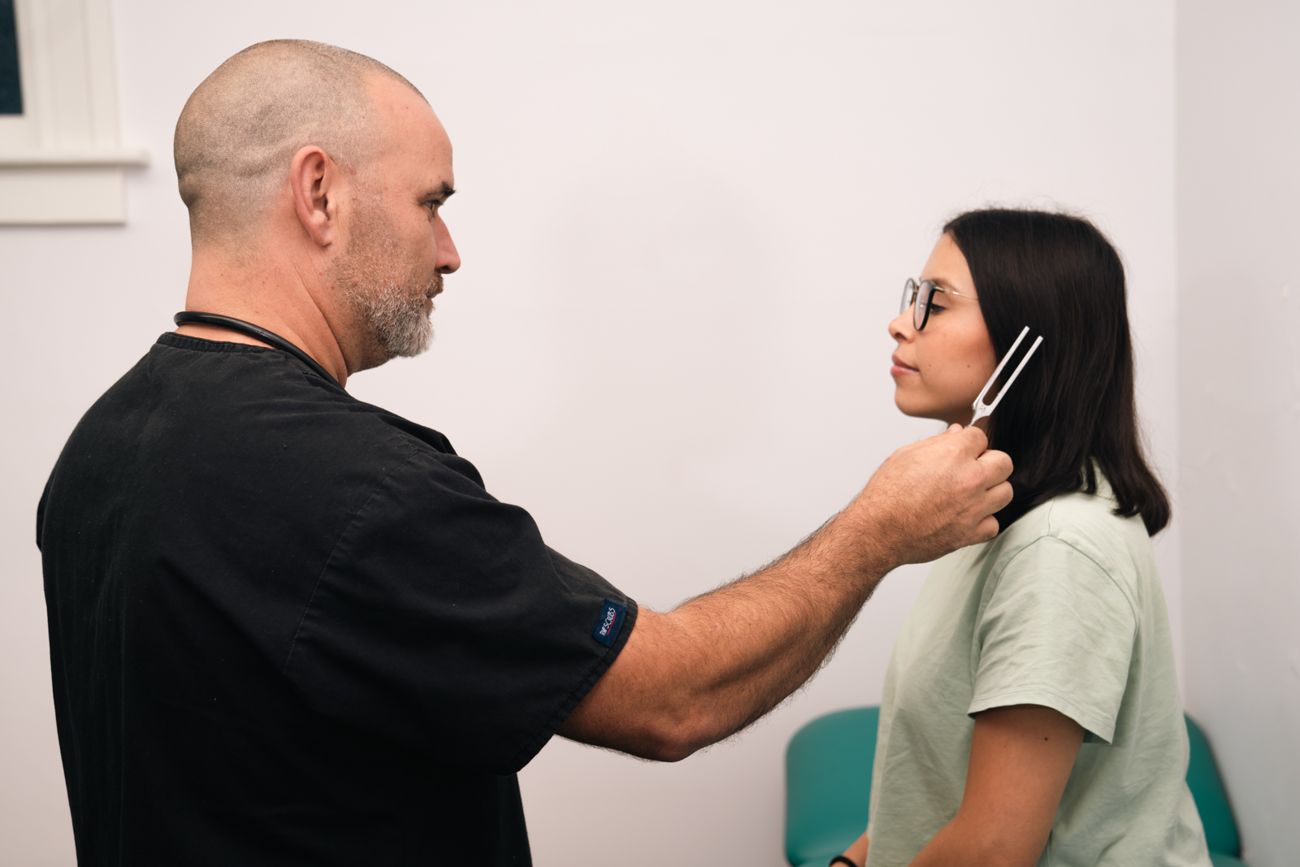
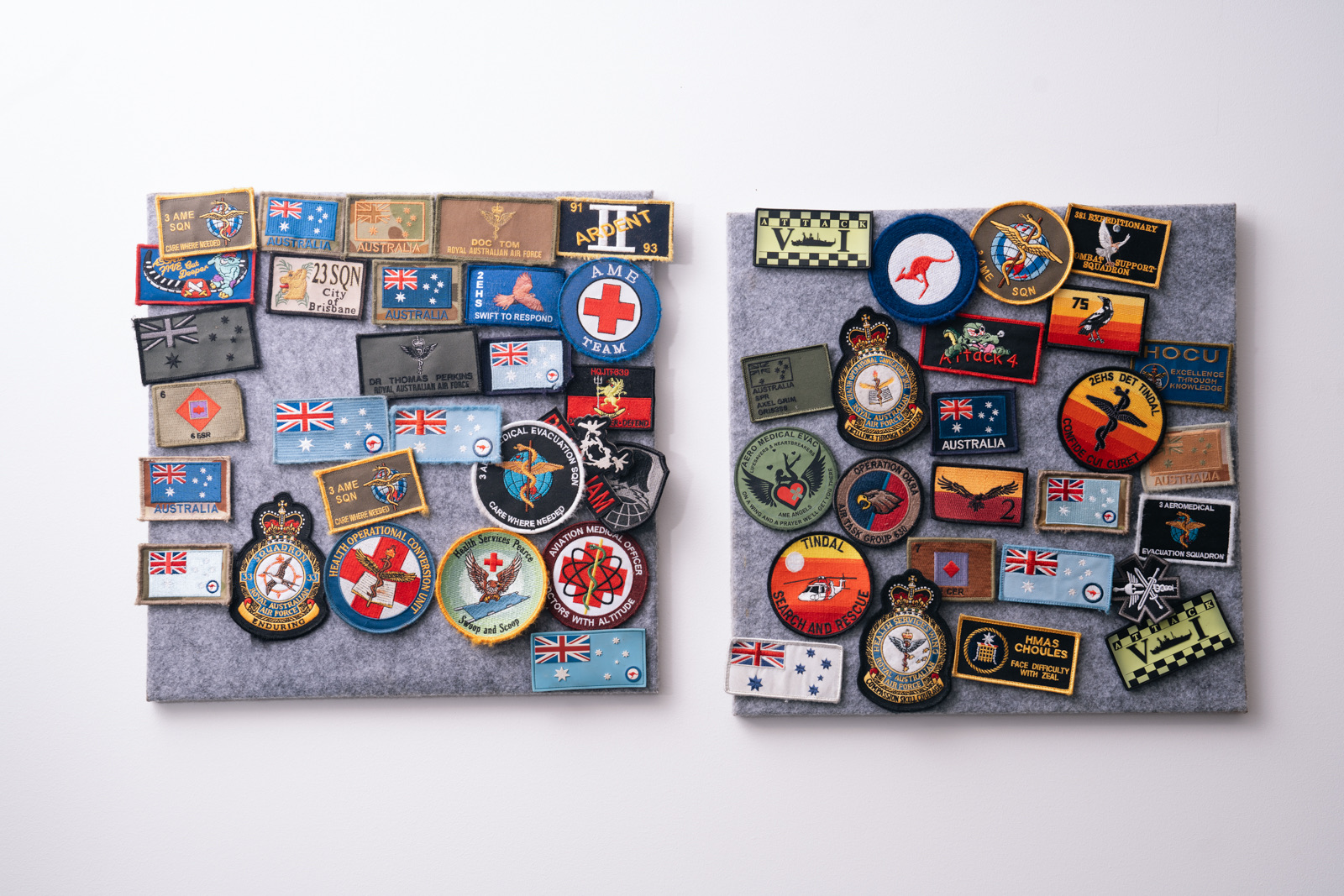
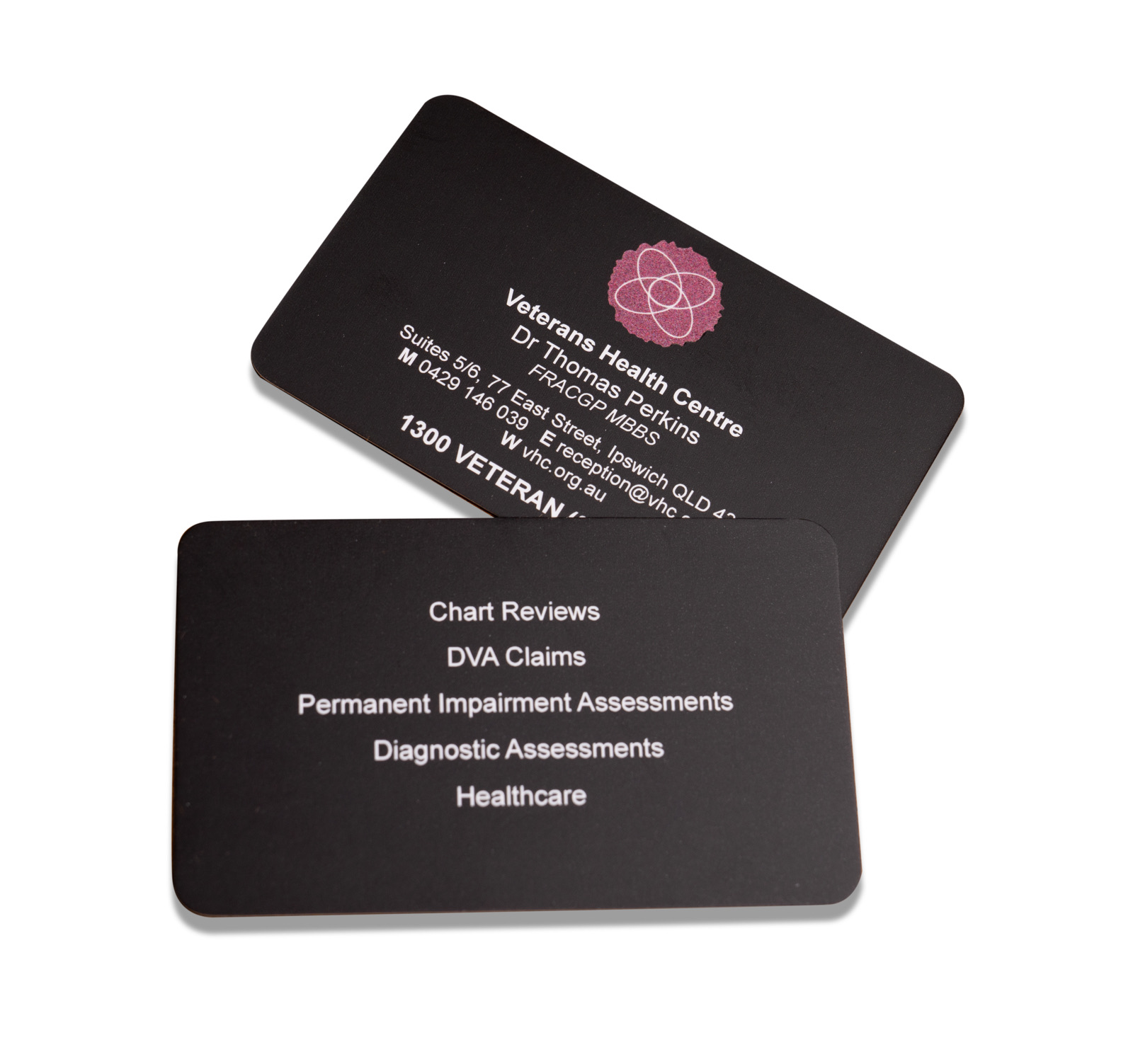
Dr Thomas Perkins is the founding doctor at the Veterans Health Centre in Ipswich, Queensland, and the leading expert in veterans’ medicolegal work in Australia. He has spent over 13 years working exclusively with current and former Australian Defence Force members — treating conditions, writing reports, and navigating the DVA system alongside them.
With 80,000+ DVA claims submitted and over 2,000 Permanent Impairment Assessments completed, Dr Perkins brings a depth of experience that simply cannot be replicated from a textbook. He understands the Statements of Principles, the GARP tables, the imaging that proves what a physical examination alone cannot — and the difference that a properly written report makes at every level, from initial liability through to the VRB.
Every chart review, every diagnostic assessment, and every impairment rating is personally overseen by Dr Perkins. If you’re looking for a doctor who knows veterans medicine inside and out, you’ve found the right clinic.
Contact us0429 146 039 reception@vhc.org.au
Book appointmentReady to find out what you can claim?
Contact us for more information.