
DVA Claims for Melbourne Veterans
Victoria's veteran population is unusual in its composition: heavy on people whose service began at a training establishment, and heavy on injuries that happened before anyone was keeping careful records.
At a glance
- Chart Review$600 + GST
- Diagnostic Assessment$600 + GST
- Permanent Impairment$1,500 + GST
Where Melbourne veterans served
Puckapunyal and the armoured and artillery schools, HMAS Cerberus as the Navy's principal training establishment, Simpson Barracks at Watsonia, Victoria Barracks Melbourne, and RAAF Base East Sale in Gippsland.
The claims we see most from Melbourne
- Recruit and initial-training injuries poorly documented at the time
- Knee, ankle and lower limb conditions from marching and drill
- Hearing loss from armoured and artillery exposure at Puckapunyal
- Spinal conditions from armoured vehicle crew positions
- Conditions accepted decades ago that have since worsened
What makes a Melbourne claim different
The Victorian issue is the age of the record. An injury sustained at Kapooka or Cerberus in the 1980s may exist only as one line in a unit medical file — but one line is often enough, and finding it is the difference between an accepted and a rejected claim.
Where the original entry cannot be found, there are usually other contemporaneous traces — unit records, later references back to the injury, treatment entries — and those can carry a claim.
Nearby and related
If you are closer to one of these, start there instead: DVA Claims — Sydney · DVA Claims — Adelaide · DVA Claims — Hobart.
Or go straight to the work itself: DVA claims for Navy veterans · DVA claims for Air Force veterans · chart review of your service and medical records · permanent impairment assessments. Everything we do for Melbourne veterans is set out on the DVA claims page.
Working with veterans in Melbourne and Victoria
Training establishments produce a claim profile people underestimate. Recruit and initial employment training is where a very large share of career-long musculoskeletal injury begins — stress fractures, ankle and knee damage, lumbar injury from marching under load before conditioning has caught up. Instructors accumulate the same injuries at higher volume across years of repeated courses. Armoured trades from Puckapunyal bring whole-body vibration, hearing loss and spinal degeneration.
Victoria's military footprint is heavily weighted toward training and support. HMAS Cerberus on Western Port is where most of the Navy learns its trade; Puckapunyal is the Army's armoured and logistics training home; Simpson Barracks at Watsonia carries intelligence and signals; East Sale trains aircrew.
Many Melbourne veterans also discharged decades ago into a large civilian population, where their service history has effectively disappeared from their medical care. Reconnecting the two is what a chart review does.
The stages that decide a claim are documentary. A chart review and the diagnostic assessments that follow it are produced from your service and civilian medical records, so where you live changes nothing about the quality of the evidence. Read the complete guide to DVA claims, or find the Statement of Principles for your condition.
Chart reviews, diagnostic assessments, diagnosis forms, evidence packs, determination analyses and appeal documents. No attendance required at any point.
Consultations and psychiatric assessment, where clinically appropriate — well established and accepted for these purposes.
Physical examination for permanent impairment, at the Ipswich clinic. Range of motion and function cannot be estimated from a screen, and we will tell you honestly whether it is worth travelling for.
Where Melbourne veterans served, by service.
The establishments in and around Victoria that produce the claims we see most. Every trade leaves a different mark on a medical record, and knowing which unit you were in tells us what to look for before we open the file.
Army
- Puckapunyal — north of Melbourne
School of Armour, School of Artillery and the Combined Arms Training Centre - Simpson Barracks — Watsonia
Defence Force School of Signals and intelligence training - Victoria Barracks — St Kilda Road
Headquarters units - Gaza Ridge Barracks — Bandiana, Wodonga
Army Logistic Training Centre
Navy
- HMAS Cerberus — Western Port
The Navy's principal training establishment — Recruit School and most category schools
Air Force
- RAAF Base East Sale — Gippsland
Central Flying School, Officers' Training School, School of Air Traffic Control and 32 Squadron - RAAF Williams — Point Cook and Laverton
Historic home of the RAAF. Firefighting service at Point Cook between 1957 and 1986 is covered by its own presumptive liability provisions
Units raise, move and re-role over time, and this list reflects the establishments as they are generally understood rather than a current order of battle. What matters for a claim is where you served and when — which your service record establishes, not this page.
Melbourne questions
My injury was at recruit training and barely documented. Is it worth claiming?
Frequently yes. A single contemporaneous entry can establish clinical onset, and that is usually the hardest element to prove.
Does an old accepted condition that got worse count?
Yes — see aggravation and worsening.
How much does it cost?
$600 + GST per stage; $1,500 + GST for a permanent impairment assessment. See fees.
Dr Thomas Perkins
The expert in veterans’ medicolegal medicine — Expert DVA Doctor.
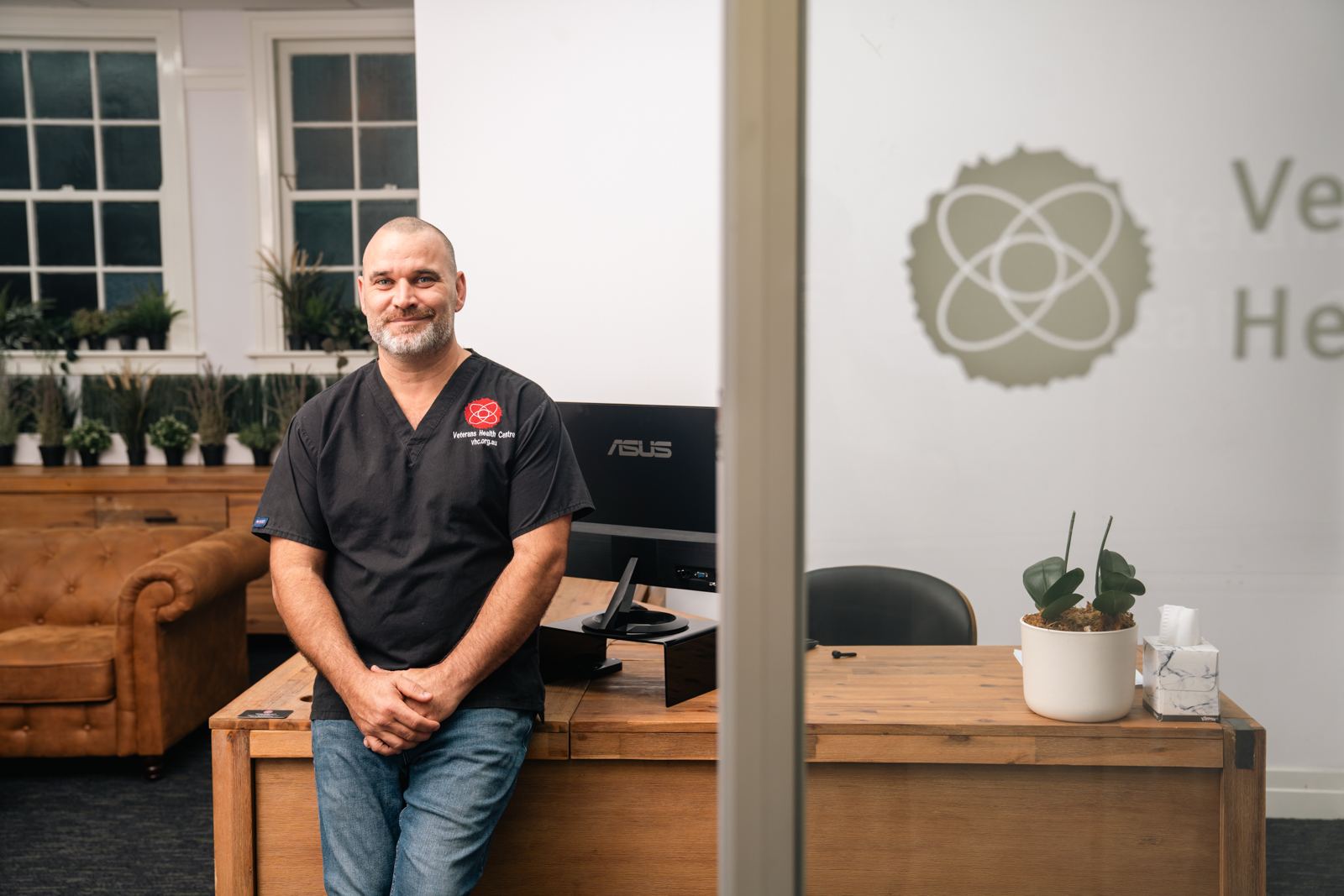

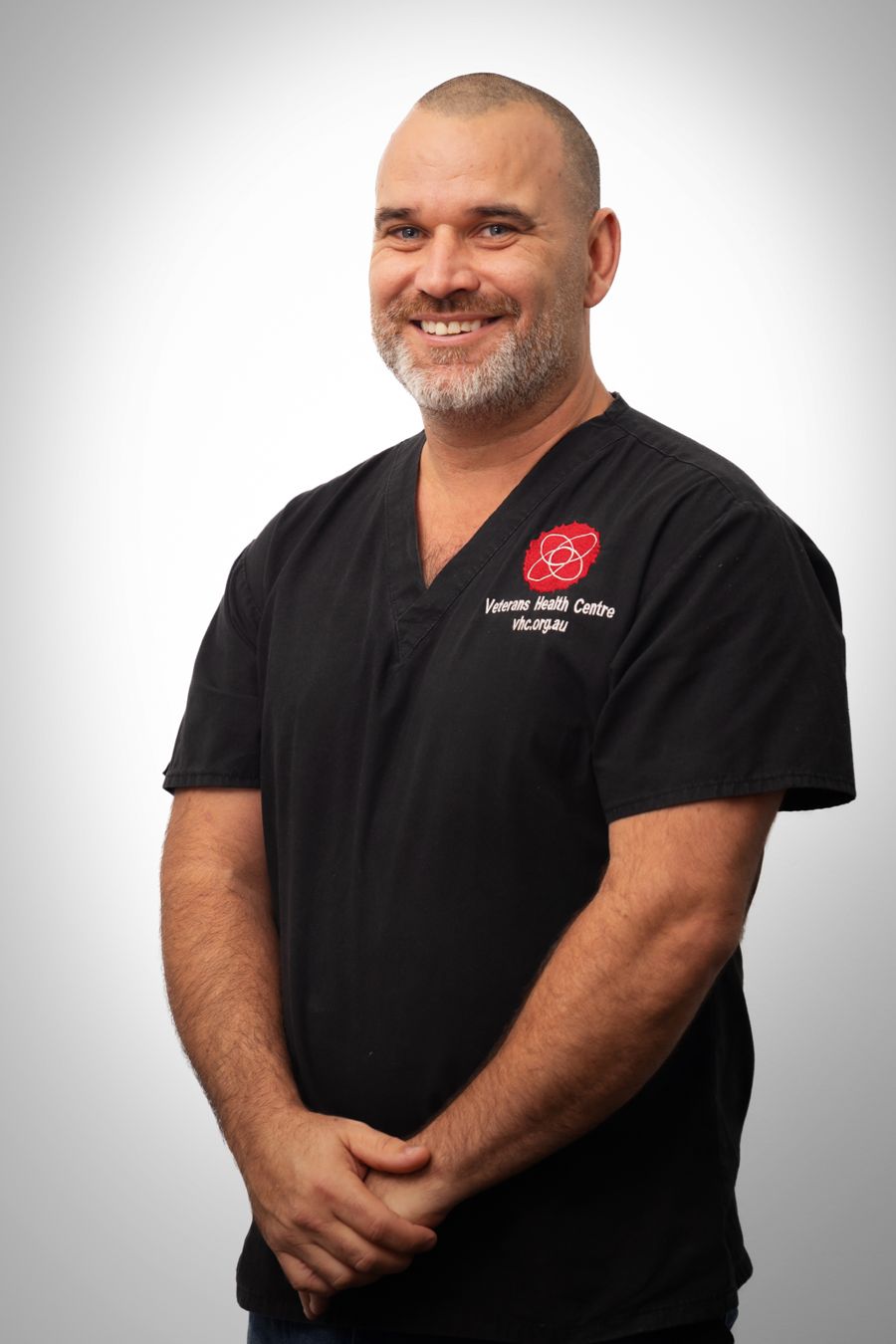
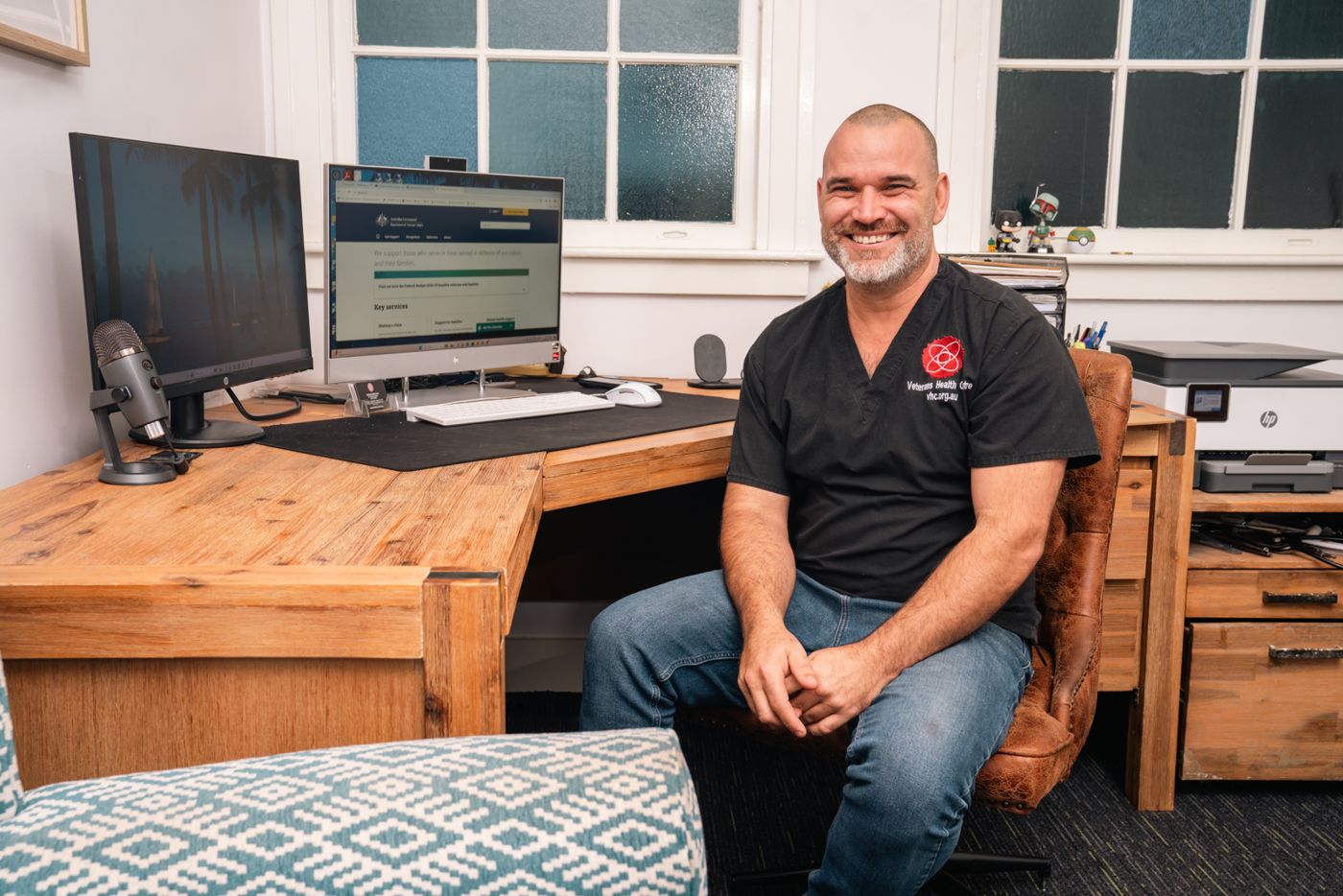
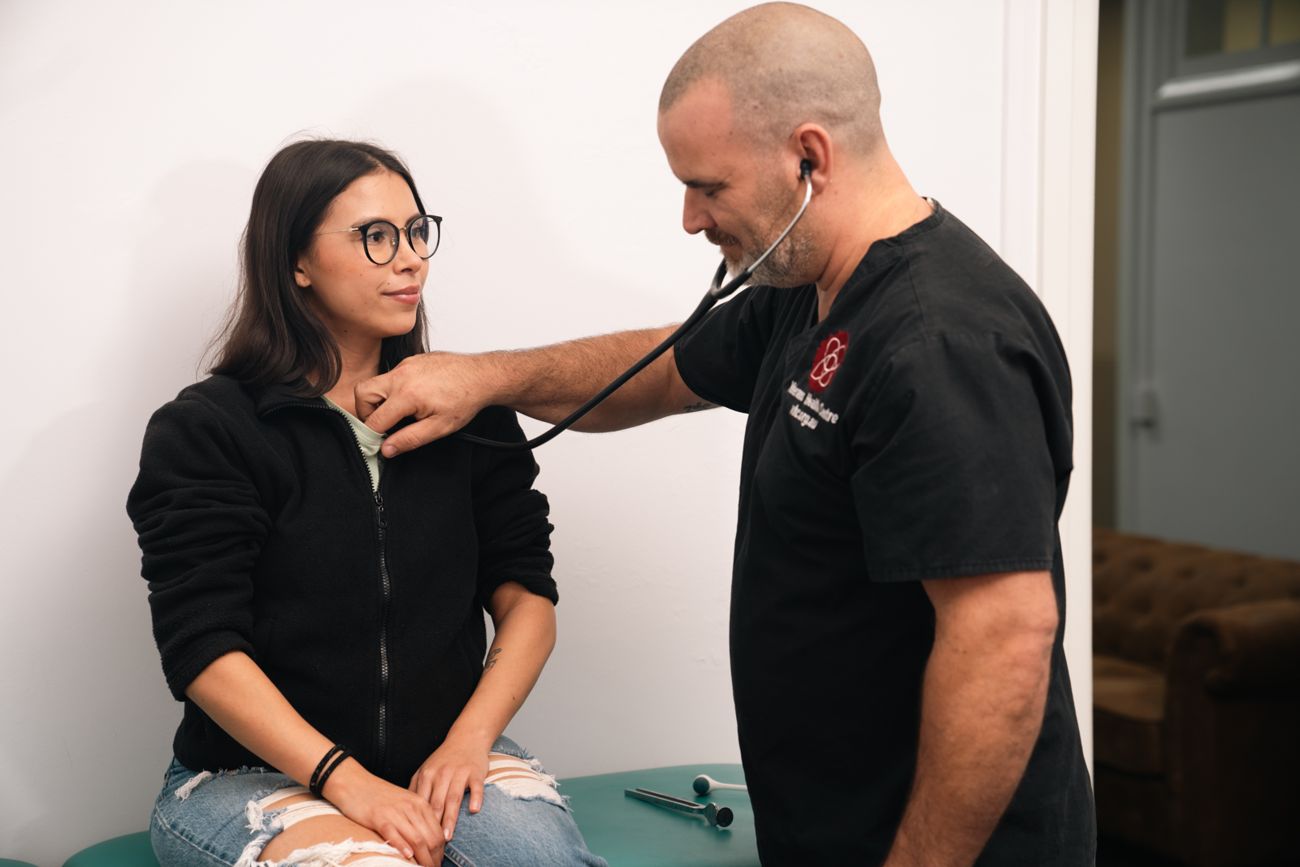
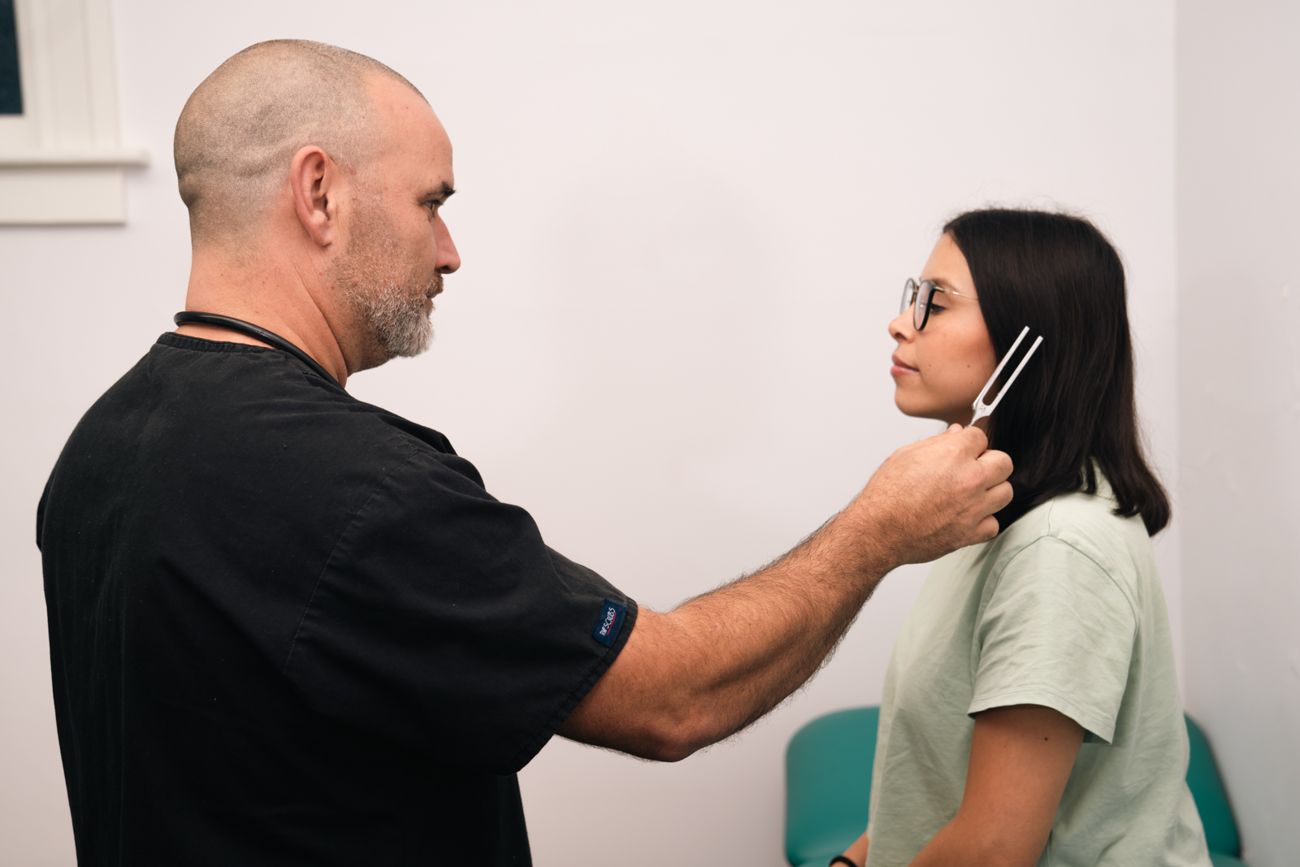
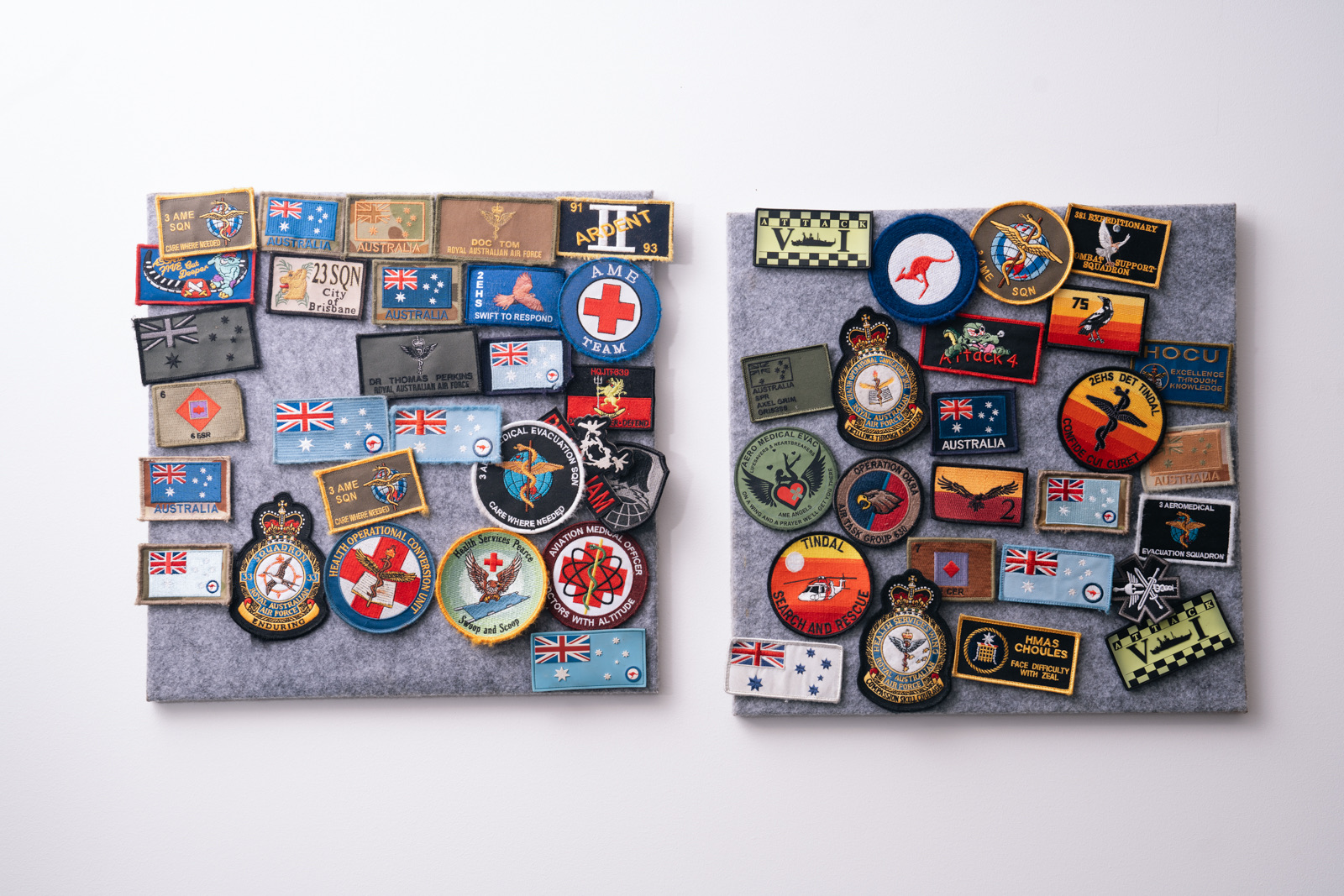
Dr Thomas Perkins is the founding doctor at the Veterans Health Centre in Ipswich, Queensland, and the leading expert in veterans’ medicolegal work in Australia. He has spent over 13 years working exclusively with current and former Australian Defence Force members — treating conditions, writing reports, and navigating the DVA system alongside them.
With 80,000+ DVA claims submitted and over 2,000 Permanent Impairment Assessments completed, Dr Perkins brings a depth of experience that simply cannot be replicated from a textbook. He understands the Statements of Principles, the GARP tables, the imaging that proves what a physical examination alone cannot — and the difference that a properly written report makes at every level, from initial liability through to the VRB.
Every chart review, every diagnostic assessment, and every impairment rating is personally overseen by Dr Perkins. If you’re looking for a doctor who knows veterans medicine inside and out, you’ve found the right clinic.
Contact us0429 146 039 reception@vhc.org.au
Book appointmentReady to find out what you can claim?
Contact us for more information.