
DVA Claims for Tasmanian Veterans
Tasmania has very few practices doing DVA medicolegal work and a veteran population that overwhelmingly served on the mainland. Records-based work removes the distance problem completely.
At a glance
- Chart Review$600 + GST
- Diagnostic Assessment$600 + GST
- Permanent Impairment$1,500 + GST
Where Hobart veterans served
Anglesea Barracks in Hobart — the oldest continuously occupied barracks in Australia — Derwent Barracks, and the reserve units across the state. Most Tasmanian veterans served interstate and returned home afterwards.
The claims we see most from Hobart
- Claims made long after discharge, where onset dates must be reconstructed
- Spinal and lower limb degeneration from earlier mainland service
- Hearing loss never assessed at discharge
- Mental health conditions presenting years after separation
- Conditions secondary to previously accepted primary conditions
What makes a Hobart claim different
Two things make a Tasmanian claim harder than it should be: the record is on the mainland, and the local options for someone to read it properly are limited. Neither is a reason to leave a claim unmade, because both stages that matter are done on paper.
Where an impairment assessment is eventually needed, it can be planned around a mainland trip rather than driving the timetable.
Nearby and related
If you are closer to one of these, start there instead: DVA Claims — Melbourne · DVA Claims — Australia.
Or go straight to the work itself: free PI points calculator · SoP finder · DVA claims for Army veterans · DVA claims for Navy veterans. Everything we do for Hobart veterans is set out on the DVA claims page.
Working with veterans in Hobart and Tasmania
Two things follow from that. Tasmanian veterans are drawn from every service and era, so there is no single claim profile — the records tell the story rather than the postcode. And Reserve service is heavily represented, which matters, because Reserve members consistently under-claim on the mistaken belief that only full-time service counts. It does not: injury during Reserve service is claimable on the same terms.
Tasmania has the smallest defence footprint of any state and one of the highest proportions of veterans who served elsewhere and came home. Anglesea Barracks — the oldest continuously occupied military establishment in Australia — and the 12th/40th Royal Tasmania Regiment anchor what remains.
Access to practitioners experienced in DVA reporting is the binding constraint in Tasmania. Records-based work removes the geography from the equation.
The stages that decide a claim are documentary. A chart review and the diagnostic assessments that follow it are produced from your service and civilian medical records, so where you live changes nothing about the quality of the evidence. Read the complete guide to DVA claims, or find the Statement of Principles for your condition.
Chart reviews, diagnostic assessments, diagnosis forms, evidence packs, determination analyses and appeal documents. No attendance required at any point.
Consultations and psychiatric assessment, where clinically appropriate — well established and accepted for these purposes.
Physical examination for permanent impairment, at the Ipswich clinic. Range of motion and function cannot be estimated from a screen, and we will tell you honestly whether it is worth travelling for.
Where Hobart veterans served, by service.
The establishments in and around Tasmania that produce the claims we see most. Every trade leaves a different mark on a medical record, and knowing which unit you were in tells us what to look for before we open the file.
Army
- Anglesea Barracks — Hobart
The oldest continuously occupied barracks in Australia; 12th/40th Battalion, Royal Tasmania Regiment - Derwent Barracks — Glenorchy
Reserve and support units - Youngtown and Paterson Barracks — Launceston
Northern reserve units
Navy
- Navy reserve elements — Hobart
Tasmania has no major fleet base; most Tasmanian sailors served interstate or at sea
Air Force
- No RAAF base in Tasmania
Tasmanian Air Force veterans almost all served on the mainland
Units raise, move and re-role over time, and this list reflects the establishments as they are generally understood rather than a current order of battle. What matters for a claim is where you served and when — which your service record establishes, not this page.
Hobart questions
There is nobody local who does this. What are my options?
The chart review and diagnostic assessment are written from your medical record and need no attendance, so a local provider is not required for either.
My service was on the mainland decades ago. Can the records still be found?
Usually yes, and reconstructing when conditions began from those records is the core of the work.
How much does it cost?
$600 + GST per stage; $1,500 + GST for a permanent impairment assessment. See fees.
Dr Thomas Perkins
The expert in veterans’ medicolegal medicine — Expert DVA Doctor.



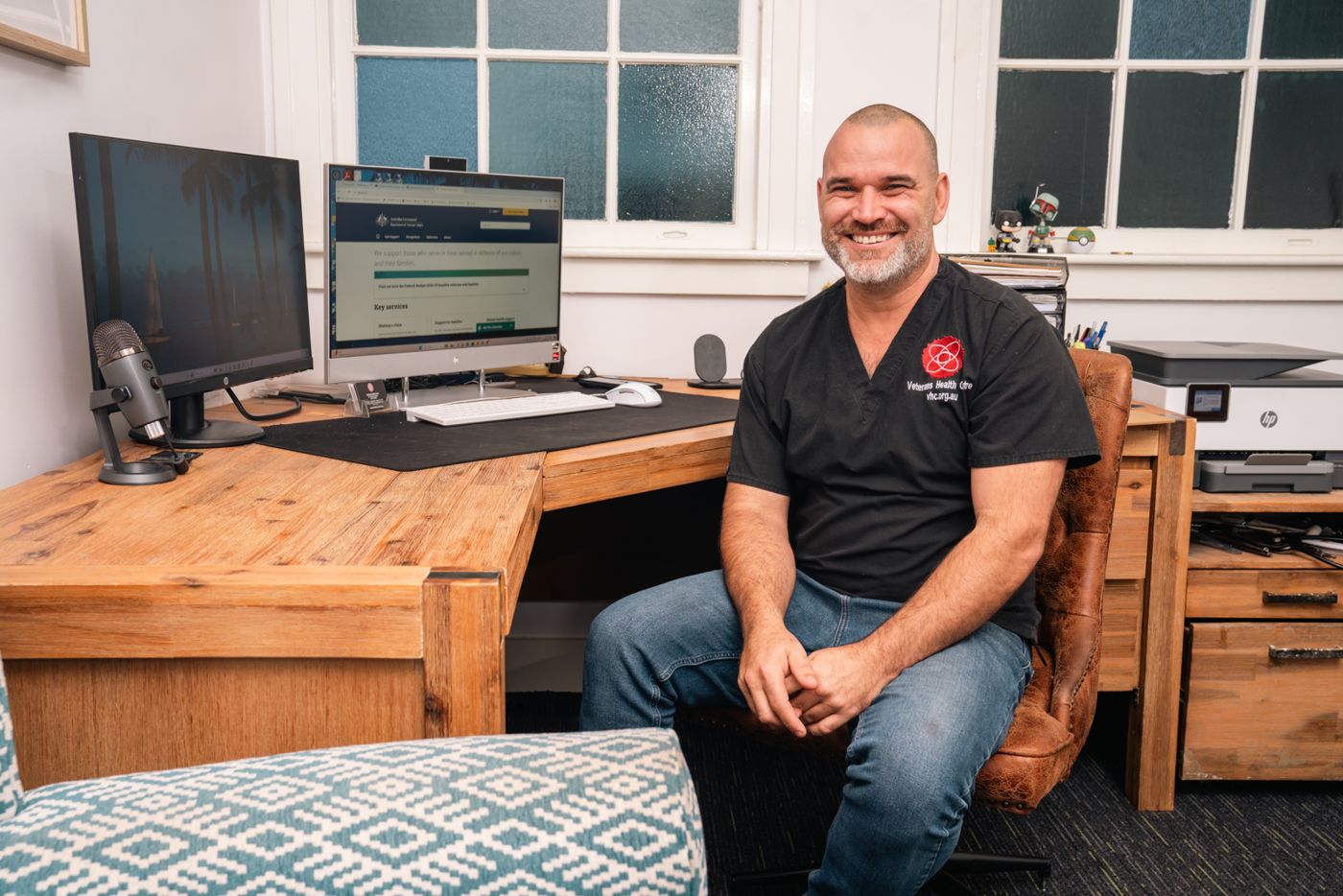
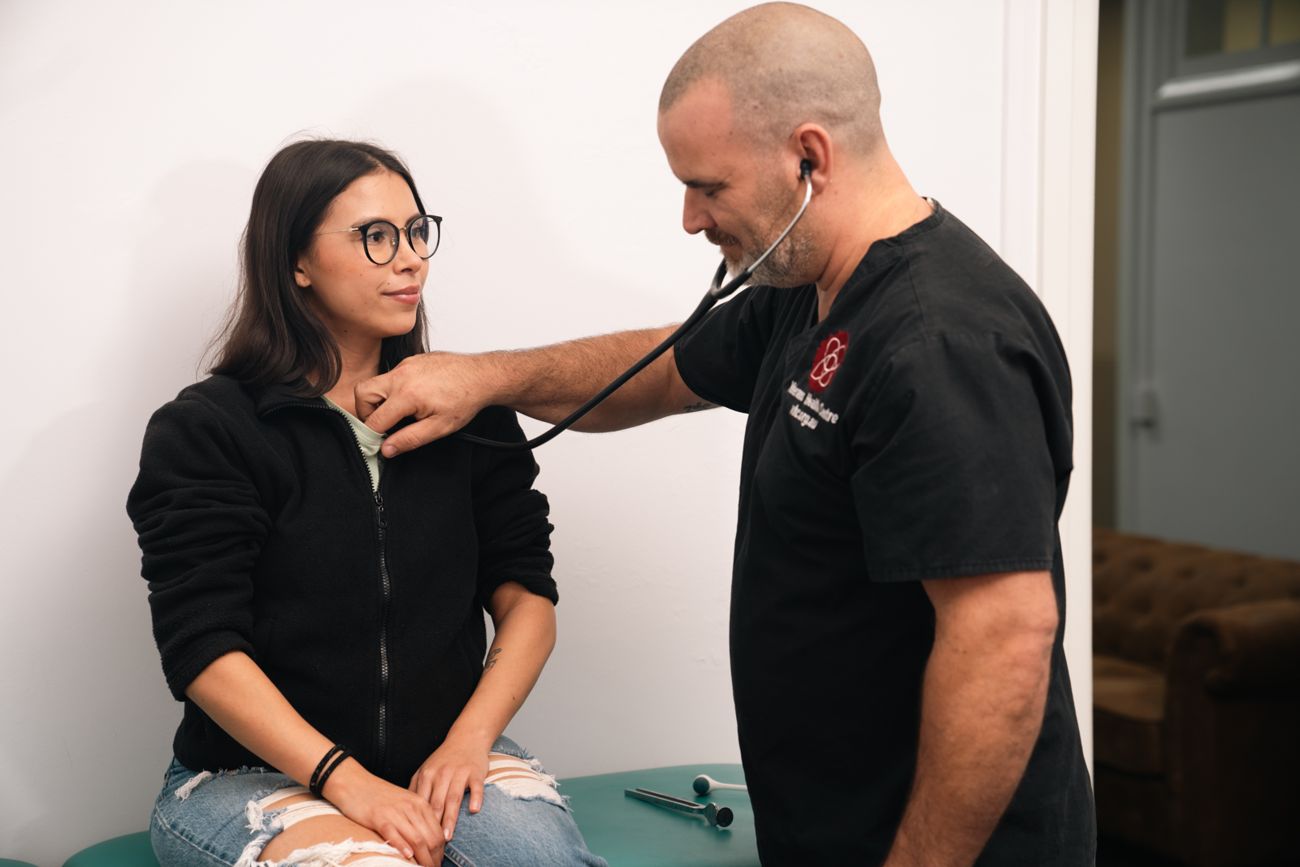
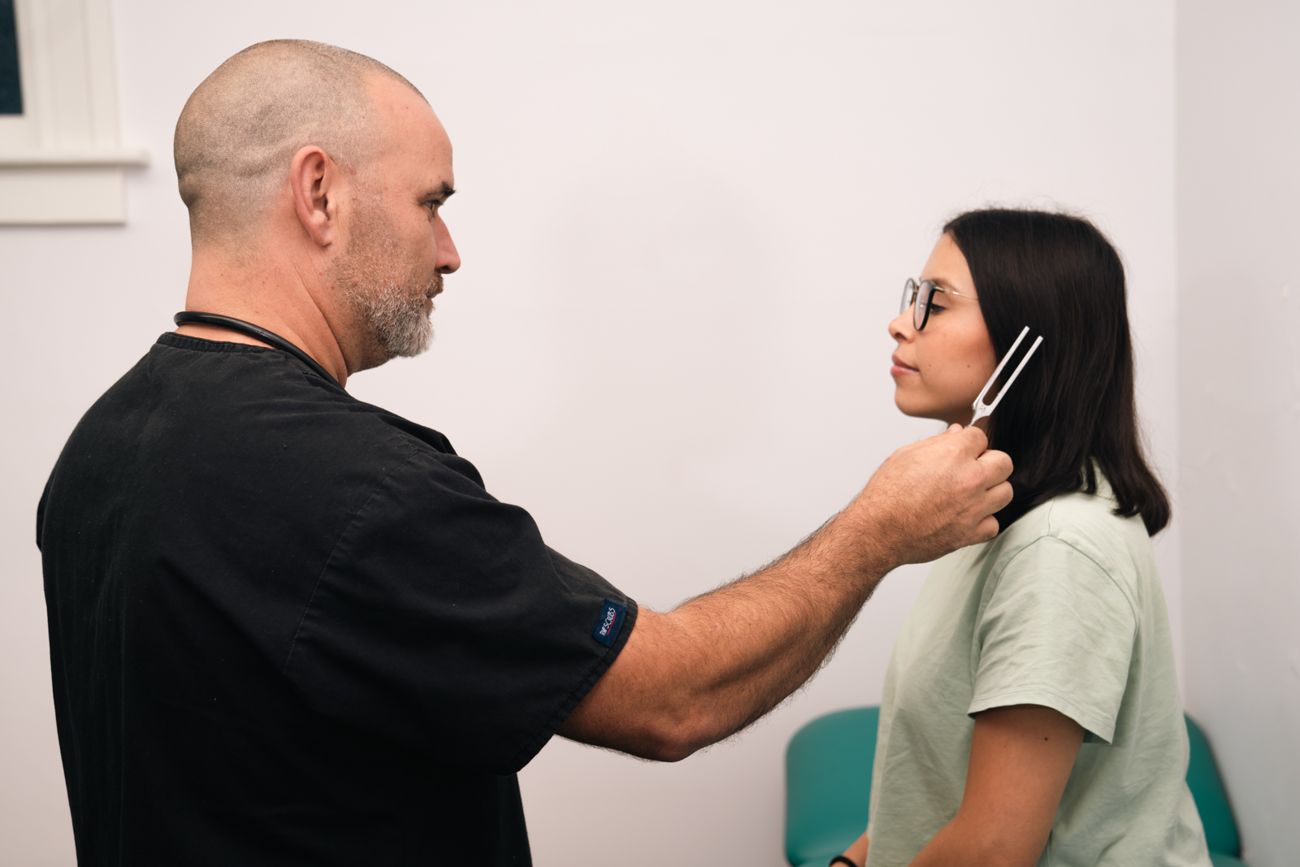
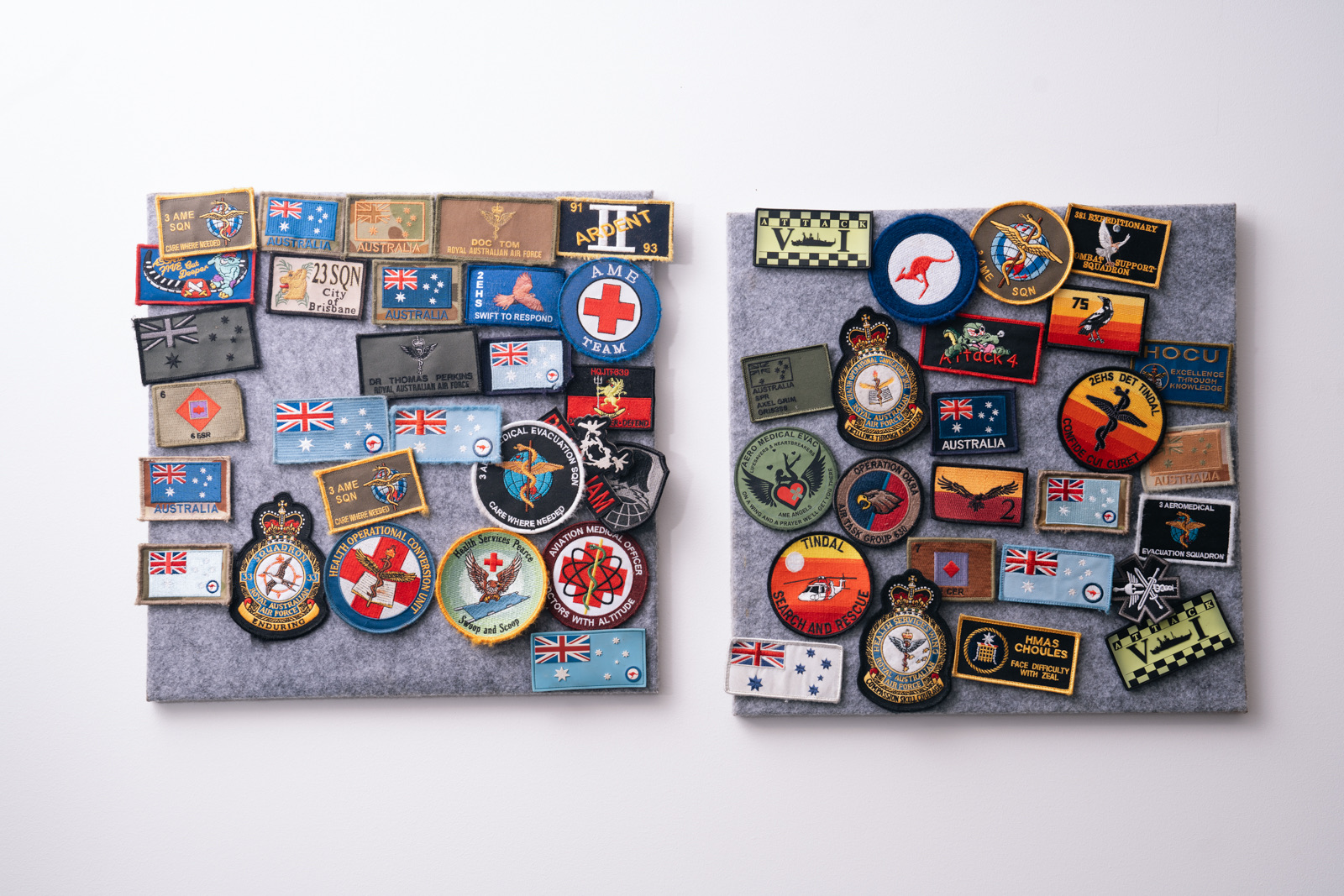

Dr Thomas Perkins is the founding doctor at the Veterans Health Centre in Ipswich, Queensland, and the leading expert in veterans’ medicolegal work in Australia. He has spent over 13 years working exclusively with current and former Australian Defence Force members — treating conditions, writing reports, and navigating the DVA system alongside them.
With 80,000+ DVA claims submitted and over 2,000 Permanent Impairment Assessments completed, Dr Perkins brings a depth of experience that simply cannot be replicated from a textbook. He understands the Statements of Principles, the GARP tables, the imaging that proves what a physical examination alone cannot — and the difference that a properly written report makes at every level, from initial liability through to the VRB.
Every chart review, every diagnostic assessment, and every impairment rating is personally overseen by Dr Perkins. If you’re looking for a doctor who knows veterans medicine inside and out, you’ve found the right clinic.
Contact us0429 146 039 reception@vhc.org.au
Book appointmentReady to find out what you can claim?
Contact us for more information.